
smart watch suppliers: 10 Checks Distributors Must Run Before Ordering Smart Watches from China in 2026
smart watch suppliers buyers need a supplier evaluation process that checks product fit, OEM/ODM capability, compliance documents, quality control, pricing, lead time, and after-sales support before placing a bulk order.
Table of Contents
Table of Contents
10 Checks Distributors Must Run Before Ordering Smart Watches from China in 2026
US distributors evaluating smart watch sourcing from Chinese manufacturers in 2026 need a practical, risk-aware approach. This guide explains the ten critical checks—covering compliance, quality, supply chain, and OEM considerations—that can prevent costly mistakes and ensure your product meets US market expectations. Whether you are a private-label brand, importer, or distributor, these checks will help you evaluate suppliers, plan your RFQ, and build a reliable smart watch program.
smart watch suppliers: Short Answer
For US distributors, the key to successful smart watch sourcing is verifying supplier manufacturing capabilities, compliance (FCC, RoHS, battery UN38.3), MOQ flexibility, and quality control processes before placing an order. Run background checks, request samples, and validate claims with third-party testing. A structured evaluation reduces risks and supports long-term distribution.
Key Facts for Buyers
| Check Area | Why It Matters | Key Action |
|---|---|---|
| Supplier verification | Avoids scams and unreliable partners | Audit factory, check licenses, and request references |
| Compliance certifications | Ensures market access and legal safety | Verify FCC, RoHS, UN38.3, and other required certificates |
| MOQ and lead times | Affects cash flow and inventory planning | Confirm MOQ and realistic lead times in writing |
| Quality control | Prevents defective shipments | Implement pre-shipment inspections and testing |
| OEM/ODM capabilities | Determines customization potential | Evaluate firmware, app, and hardware customization options |
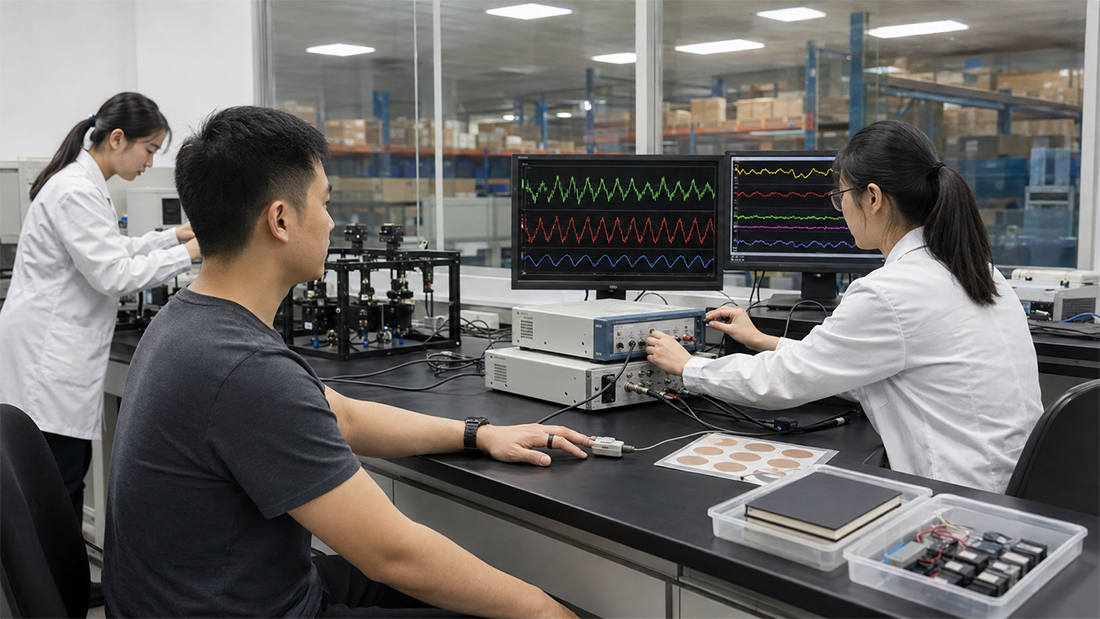
Table of Contents
- 1. Define Your Distribution Requirements
- 2. Verify Supplier Background and Manufacturing Capabilities
- 3. Confirm Regulatory Compliance for US Market
- 4. Evaluate Battery Safety and Certification
- 5. Assess MOQ, Pricing, and Lead Time Realities
- 6. Validate Smart Watch Quality Control Processes
- 7. Review OEM/ODM and Private Label Options
- 8. Understand Landed Cost and Import Duties
- 9. Plan for Packaging, Warranty, and After-Sales Support
- 10. Secure Intellectual Property and Data Protection
- Common Mistakes and Red Flags
- Buyer Checklist
- FAQ
- Conclusion
Key Takeaways
- Always verify supplier credentials and avoid dealing with unregistered or unreviewed factories.
- US market entry requires FCC, RoHS, and battery safety compliance—confirm certificates before RFQ.
- MOQ and lead times influence your cash flow; negotiate honestly and have written agreements.
- Quality control is not optional: implement inspections and testing to protect your brand.
- OEM/ODM flexibility impacts your product differentiation; evaluate customization depth.

1. Define Your Distribution Requirements
Before contacting any supplier, clarify your target market, price points, features, and projected volumes. Define the smart watch specs that matter for your distribution channel—health monitoring accuracy, battery life, waterproofing, and app integration. This becomes your RFQ baseline.
2. Verify Supplier Background and Manufacturing Capabilities
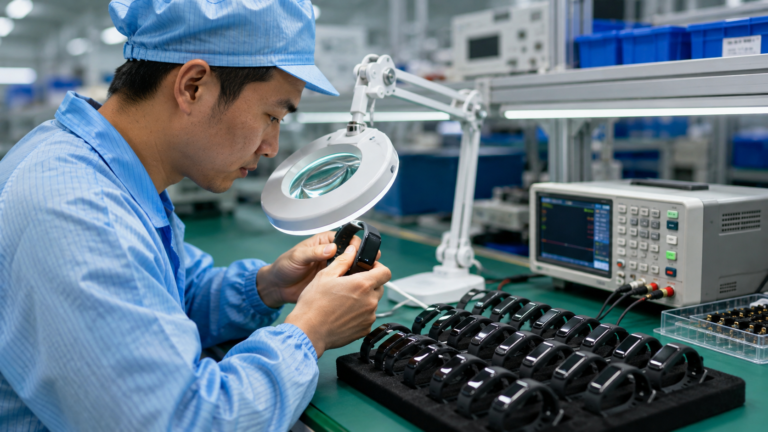
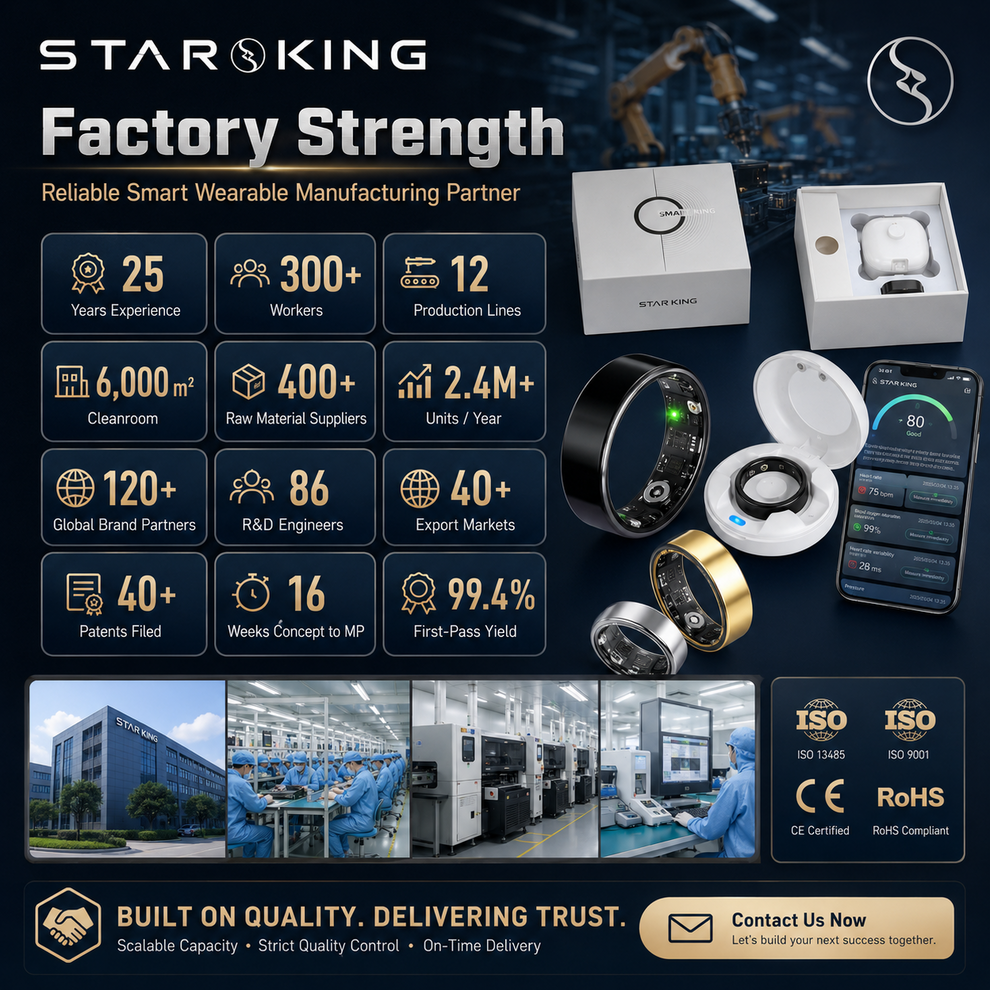
Conduct a background check on the factory: business license, export history, and audit reports. Ask for a factory tour (virtual or physical) and request existing client references. Verify if they have experience with US buyers and if their production capacity aligns with your order size.
3. Confirm Regulatory Compliance for US Market
Smart watches exported to the US may require FCC certification for wireless communication, RoHS for material restrictions, and possibly other regulations depending on features. Ensure your supplier holds or can obtain these certificates. Check FCC ID database to see if similar products are already approved.
4. Evaluate Battery Safety and Certification
Batteries in smart watches must meet UN38.3 for transport safety and may need other certifications for the US. Verify that the battery cell and pack are properly tested and documented. Ask for MSDS and test reports from the supplier. Learn more about battery safety standards to understand requirements.
5. Assess MOQ, Pricing, and Lead Time Realities
MOQs vary by manufacturer; typical smart watch MOQs range from 300 to 1000 units. Request detailed pricing for different quantities, and probe realistic lead times (usually 30-45 days for samples, 45-60 days for mass production). Beware of unusually low MOQs or prices that seem too good—they may signal quality risks.
6. Validate Smart Watch Quality Control Processes
Ask about their QC procedures: incoming material inspection, in-process checks, final functional testing, and packaging checks. Request a pre-shipment inspection or third-party service. Look for ISO 9001 certification as a quality indicator.
7. Review OEM/ODM and Private Label Options
If you plan to sell under your brand, verify the supplier can handle logo customization, packaging, and firmware/software modifications. Understand the development process for custom features and app integration. Clarify ownership of the custom design and any associated costs.
8. Understand Landed Cost and Import Duties
Calculate total landed cost: product cost + shipping (air/sea) + insurance + customs duties + import taxes (US tariffs on smart watches may apply) + logistics within the US. Use customs info from resources like HTS Search to estimate duties. Factor in warehousing and distribution costs.
9. Plan for Packaging, Warranty, and After-Sales Support
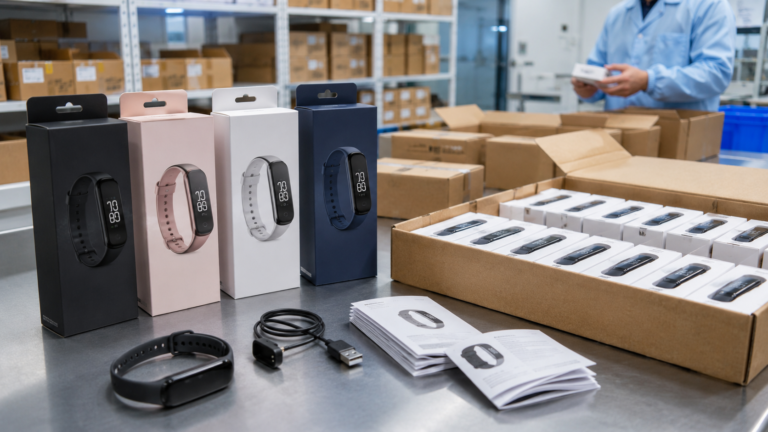
Define packaging requirements—retail packaging, barcodes, and user manuals—and ensure the supplier can deliver. Establish warranty terms (typically 1 year) and clarify spare parts availability and repair processes. Ask about RMA procedures to serve your customers effectively.
10. Secure Intellectual Property and Data Protection
If you share custom designs, firmware, or app prototypes, have an NDA in place before discussions. For data-related features, ensure compliance with privacy regulations like CCPA/CPRA. Check supplier’s data protection policies to prevent leakage.
Common Mistakes and Red Flags
- Signing a contract without checking supplier credentials.
- Ignoring FCC and battery safety requirements until shipping.
- Overlooking specific feature certifications (e.g., GPS, heart rate).
- Underestimating lead time and running out of stock.
- Assuming all OEM partners offer reliable after-sales support.
- Not testing a sample before bulk order.
- Choosing the lowest price without quality checks.
Buyer Checklist
- Have a clear RFQ document with detailed specs.
- Conduct supplier background verification (license, audits).
- Request and verify compliance certificates (FCC, RoHS, UN38.3).
- Evaluate battery safety documentation.
- Confirm MOQ, pricing, and lead times in writing.
- Implement pre-shipment inspection or third-party QC.
- Review OEM/ODM capabilities for your brand.
- Calculate landed cost including duties and shipping.
- Define packaging and after-sales warranty terms.
- Secure IP and data protection with legal agreements.
Buyers can also review STAR KING Smart Watches OEM/ODM options to compare product positioning, customization scope, and sample planning.
FAQ
1. What is the minimum order quantity (MOQ) for smart watches from Chinese manufacturers?
MOQs vary by manufacturer and configuration. For private label, typical MOQs range from 300 to 1000 units. Some factories may offer lower MOQs for simple configurations or higher for fully customized models. Always confirm MOQ with the supplier in writing.
2. Do smart watches need FCC certification to import to the US?
Yes, any device that emits radio frequency (like a smart watch with Bluetooth) must comply with FCC regulations. The supplier must have the necessary FCC ID or you may need to file for certification for your specific product. Verify before importing.
3. How long does it take to produce a custom smart watch order?
Sample development typically takes 2-4 weeks, and mass production usually requires 30-45 days after all details are finalized. Lead times can be longer for complex customizations or during peak seasons. Plan your inventory accordingly.
4. Can I use my own logo and packaging for smart watches?
Yes, most smart watch manufacturers offer private label services, including logo placement, custom packaging, and user manuals. Discuss your requirements early to ensure they are feasible within your budget and timeline.
5. What are the key compliance requirements for smart watches sold in the US?
Key requirements include FCC certification for wireless features, RoHS for restricted substances, and possibly battery standards like UN38.3. Additional compliance may be needed for specific features such as FDA clearance if medical claims are made. Always verify with a compliance expert.
6. How can I prevent counterfeiting or IP infringement in my smart watch order?
Work with a reputable manufacturer that respects IP rights. Use Non-Disclosure Agreements (NDAs) and possibly trademark your brand. Also, avoid custom designs that may inadvertently violate existing patents. Consider obtaining legal advice for international contracts.
7. What should I do if my smart watch shipment arrives defective?
Have a clear quality agreement with your supplier, including inspection and return/replacement policies. Attend or order a pre-shipment inspection to catch issues before shipping. If defective units arrive, document the defects and file a claim per your contract.
Conclusion
Running these ten checks before ordering smart watches from China will substantially reduce your risk as a US distributor. Focus on supplier verification, compliance, quality control, and clear contractual terms. A systematic evaluation not only protects your investment but also builds a foundation for a stable, long-term product line.
Ready to source smart watches for your distribution business? Request a quotation or discuss your OEM/ODM project with STAR KING today. We can help you navigate these checks and deliver a product that meets US market standards.
Discuss Your Smart Wearable OEM/ODM Project
Planning a smart ring, smart watch, smart band, AI glasses, AI translator, or AI voice mouse project? Contact STAR KING to discuss product positioning, sample testing, customization scope, certification requirements, lead time, and quotation details.

Team Star King

Scan WhatsApp QR code