
EXPLORE
Smart Healthcare
Build a healthcare hardware brief around the intended use, care setting and evidence your partner requires. Consumer wellness features and medical claims must be evaluated separately.
Explore Smart Healthcare ↗Hardware project evaluation for rehabilitation technology partners, connecting device requirements with therapist and patient workflows.
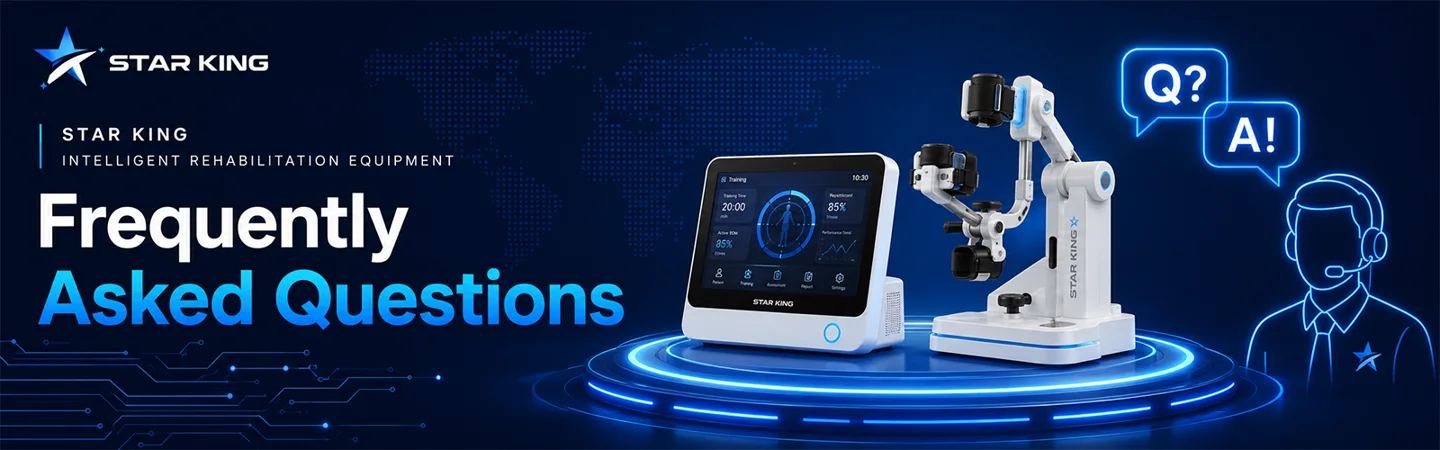
For intelligent rehabilitation devices, the right sourcing decision connects the device to its user experience, brand promise and target sales channel. Start with the intended use, then evaluate the sample against measurable requirements.
| Therapy workflow | Specify your requirements and validate the chosen configuration on samples. |
|---|---|
| Control and feedback | Specify your requirements and validate the chosen configuration on samples. |
| Human factors | Specify your requirements and validate the chosen configuration on samples. |
| Electrical and mechanical safety | Specify your requirements and validate the chosen configuration on samples. |
| Validation and service responsibilities | Specify your requirements and validate the chosen configuration on samples. |
This is a procurement configuration checklist. Final specifications and test results are model-specific.
Discuss appearance, logo, colors, accessories and retail packaging. If your project needs firmware, app or data integration work, agree the interfaces, release owner and development scope before sampling.
Test fit, setup, charging and the main user workflows, not just the appearance. Use the same software version and accessory packout that you plan to order. Keep a written issue log and sign off a golden sample.
| Buyer inputs | Product configuration, target markets, quantity, branding and launch date |
|---|---|
| Commercial review | Sample costs, development/tooling, quantity-tier pricing, MOQ and shipment terms |
| Production release | Approved specification, artwork, firmware version and inspection agreement |
| Repeat orders | Confirm revision, spare/accessory requirements and continued software support |
Discuss the reference model and customization scope with our team. Logo, packaging, hardware and software changes are evaluated against the selected platform and project requirements.
Share the product, intended use, target markets, estimated quantity, customization requirements and launch date. The quote should separate samples, tooling or development, unit pricing and shipment scope.
MOQ and timing depend on the model, quantity and customization scope. Request written terms for the approved configuration rather than relying on a single website-wide figure.
Request samples for your intended configuration and agree a test checklist. Keep an approved golden sample and record changes before pilot or mass production.
Ask for documents covering the exact SKU and target market. Holder, model, revision, validity and scope should be checked before the purchase order is finalized.
Document confidentiality, tooling ownership, background technology, source deliverables and ongoing service responsibilities in the project agreement.
Build a healthcare hardware brief around the intended use, care setting and evidence your partner requires. Consumer wellness features and medical claims must be evaluated separately.
Explore Smart Healthcare ↗Create a wearable offer around your audience, intended use and brand experience.
Explore For Health Brands ↗
A private-label program adapts an available product platform to your brand. It is a practical route when your priority is market entry rather than a new architecture.
Explore Private Label ↗Share your product, market and customization requirements.