
EXPLORE
Business & Education
Business and education projects should start with the actual learning or communication task, then evaluate device usability and deployment support.
Explore Business & Education ↗Interactive hardware projects for brands exploring voice-led play, learning and connected character experiences.
For ai toys, the right sourcing decision connects the device to its user experience, brand promise and target sales channel. Start with the intended use, then evaluate the sample against measurable requirements.
| Audience and age range | Specify your requirements and validate the chosen configuration on samples. |
|---|---|
| Interaction and personality | Specify your requirements and validate the chosen configuration on samples. |
| Content controls | Specify your requirements and validate the chosen configuration on samples. |
| Material and battery safety | Specify your requirements and validate the chosen configuration on samples. |
| Parent and account controls | Specify your requirements and validate the chosen configuration on samples. |
This is a procurement configuration checklist. Final specifications and test results are model-specific.
Discuss appearance, logo, colors, accessories and retail packaging. If your project needs firmware, app or data integration work, agree the interfaces, release owner and development scope before sampling.
Test fit, setup, charging and the main user workflows, not just the appearance. Use the same software version and accessory packout that you plan to order. Keep a written issue log and sign off a golden sample.
| Buyer inputs | Product configuration, target markets, quantity, branding and launch date |
|---|---|
| Commercial review | Sample costs, development/tooling, quantity-tier pricing, MOQ and shipment terms |
| Production release | Approved specification, artwork, firmware version and inspection agreement |
| Repeat orders | Confirm revision, spare/accessory requirements and continued software support |
Discuss the reference model and customization scope with our team. Logo, packaging, hardware and software changes are evaluated against the selected platform and project requirements.
Share the product, intended use, target markets, estimated quantity, customization requirements and launch date. The quote should separate samples, tooling or development, unit pricing and shipment scope.
MOQ and timing depend on the model, quantity and customization scope. Request written terms for the approved configuration rather than relying on a single website-wide figure.
Request samples for your intended configuration and agree a test checklist. Keep an approved golden sample and record changes before pilot or mass production.
Ask for documents covering the exact SKU and target market. Holder, model, revision, validity and scope should be checked before the purchase order is finalized.
Document confidentiality, tooling ownership, background technology, source deliverables and ongoing service responsibilities in the project agreement.
Business and education projects should start with the actual learning or communication task, then evaluate device usability and deployment support.
Explore Business & Education ↗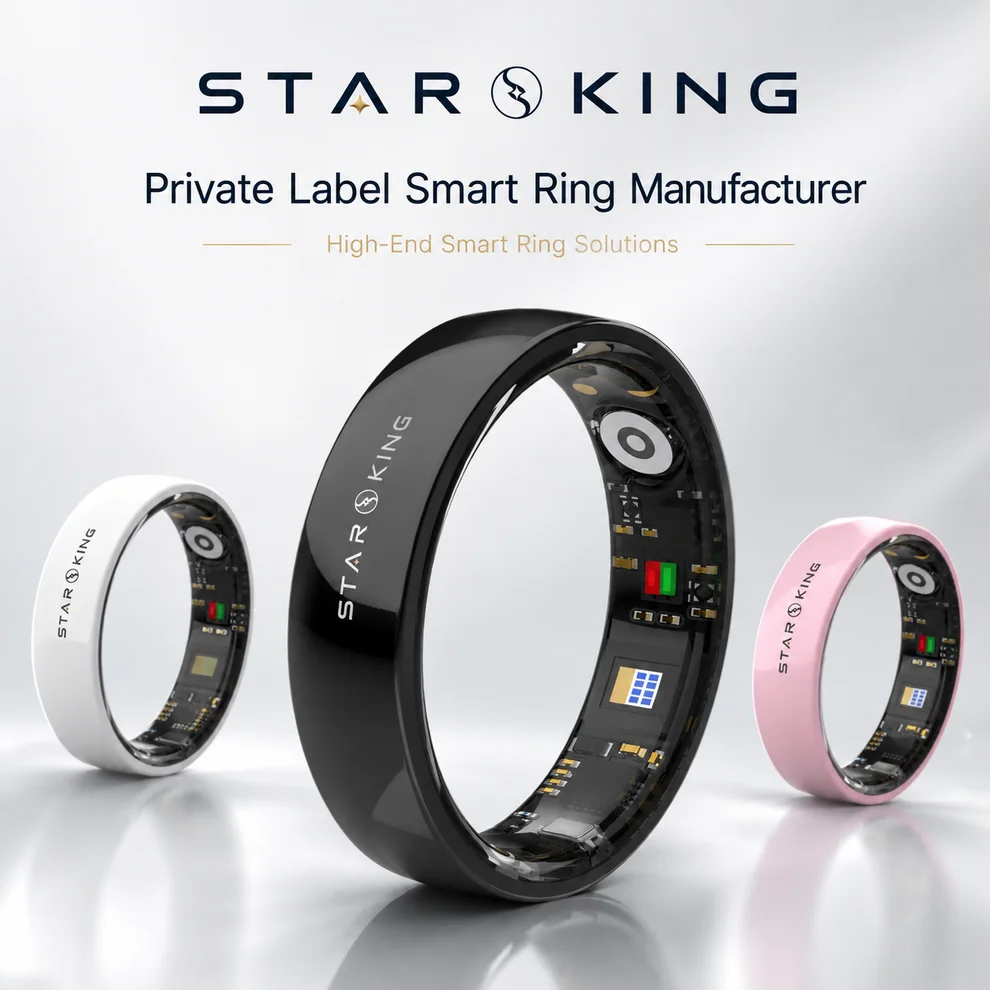
Separate the first-market test from the full custom product roadmap. A focused sample brief helps you spend on the decisions that matter.
Explore For Startups ↗
A private-label program adapts an available product platform to your brand. It is a practical route when your priority is market entry rather than a new architecture.
Explore Private Label ↗Share your product, market and customization requirements.