
Smart Electronics for Business & Education Procurement
STAR KING supports B2B sourcing discussions for business and education buyers evaluating smart electronics. Define the task, users and deployment environment, then confirm product configuration, onboarding needs and support responsibilities before a bulk purchase.
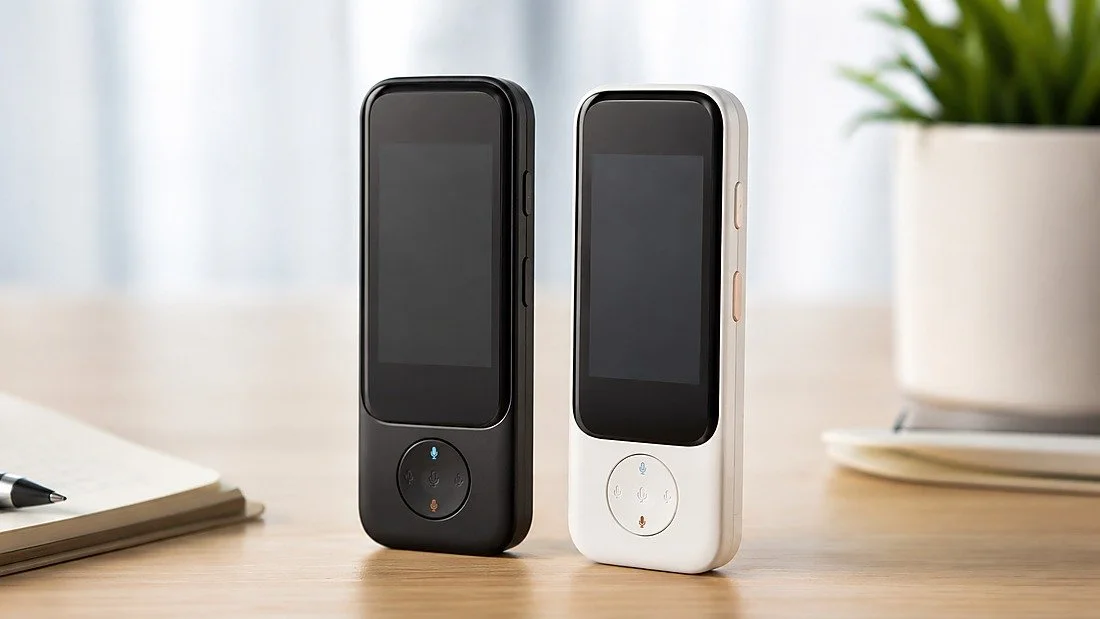
Who this solution is for
Educational technology providers, institutions, training organizations, corporate buyers, regional distributors and system integrators.
Star King is a brand powered by Chudong Technology Ltd., serving global B2B smart electronics buyers since 2000. Discuss product selection, branding, packaging and OEM/ODM requirements with the team. Product functions, integration scope and manufacturing deliverables are confirmed for the selected configuration.
Define the use case and users
Specify whether the project supports communication, training, a wellness activity or another supported smart-device workflow. Describe who uses the equipment, who supervises it and which devices or software it must work with.
Include accessibility, language and setup requirements. A classroom, shared training room and individual employee deployment have different charging, account and support needs. Avoid assuming that one retail configuration is automatically suitable for institutional use.
Evaluate the full hardware and software package
Compare appropriate product categories such as translation devices, audio hardware, AI eyewear or wearables against your task. Confirm the selected model’s functions and supported platforms. PC monitors or other electronics discussed with sales need their own written specifications.
Identify app accounts, subscriptions, internet dependencies and update requirements. Test installation and access within the intended environment. Where users include minors or recordings are involved, define the relevant permission and governance process with the institution before deployment.
Prepare onboarding and shared-device procedures
Decide whether devices are individually assigned or shared. Plan labeling, account handover, charging, storage, cleaning and replacement. Write setup instructions that match the agreed configuration and languages.
Use a pilot to identify training time and support questions. Confirm which party handles device faults, software issues and user guidance. A bulk order should include an accessory and spare-unit plan rather than relying on informal replacement arrangements.
Procure in stages with clear acceptance
Request samples and evaluate the intended tasks with representative users. Keep a list of unsupported requirements and outstanding issues. Record firmware, software, manuals and accessories used during the trial.
For phased delivery, confirm quantities, destination locations and acceptance at each stage. Review branding, packaging and inspection criteria before production. Agree the approved revision so additional batches can be introduced consistently.
From requirements to an approved deployment
- Define users, tasks and institutional requirements.
- Select a model and test access in the intended environment.
- Approve onboarding, branding and a spare-unit plan.
- Agree phased supply, acceptance and support contacts.
Each stage should produce a recorded decision and a list of unresolved requirements. Confirm changes before moving to the next stage so the quotation, sample and production configuration remain aligned.
Procurement checklist
Use this matrix to prepare a reviewable brief and identify the evidence needed before accepting a configuration.
| Institutional need | Buyer decision | Acceptance evidence |
|---|---|---|
| Users and task | Supervised, shared or individual use | Representative workflow trial |
| Compatibility | Platforms, software and networks | Installation and access checks |
| Onboarding | Languages, labels and setup instructions | Approved manuals and training plan |
| Operations | Charging, spares and support | Documented responsibilities and delivery waves |
Frequently asked questions
Can STAR KING support bulk institutional sourcing?
Provide the product category, intended users, countries, quantities and schedule. Model configuration and supply terms are confirmed for the order.
Can products have institutional branding?
Discuss logo, packaging and manual requirements. Available scope and MOQ depend on the selected model and customization.
How do we evaluate shared devices?
Test account handover, reset, charging, storage and repeated setup. Define permissions and supervision before devices are used by multiple people.
Can deliveries be phased across locations?
Discuss quantities, locations and timing with sales. Confirm logistics, packaging and acceptance milestones in the quotation.
Related products and buyer resources
Prepare your solution brief
Send the intended use, users, target countries, selected category, estimated quantity and launch schedule. Add the software environment, customization requirements and pilot checklist so STAR KING can review the configuration and open questions.
Request written confirmation of samples, engineering scope, MOQ, lead time, documents, packaging and support. These terms depend on the actual product and project rather than a universal website promise.
Get a Project Quote Start an OEM Project