
Hardware Customization for Smart Wearables & AI Electronics
STAR KING helps B2B buyers discuss hardware changes against a selected electronics platform. Define the function to improve, provide constraints and evaluate the effect on cost, software, enclosure design and product evidence before approving a customized configuration.
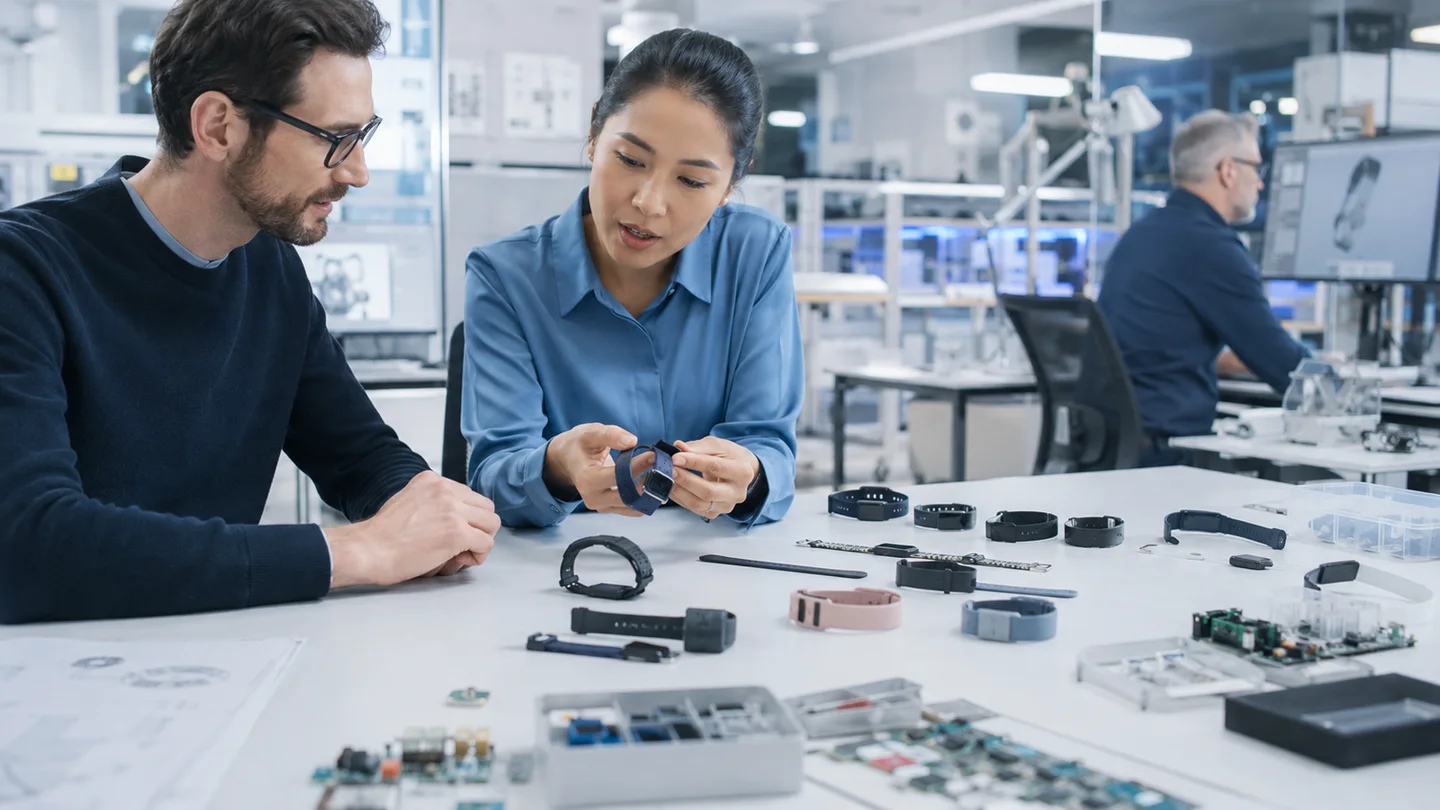
Who this service discussion is for
Brands, distributors, importers, startups and technology partners sourcing smart wearables or AI electronics. The required scope depends on your platform, markets and customization rather than a universal service package.
Star King is a brand powered by Chudong Technology Ltd., serving global B2B smart electronics buyers since 2000. Discuss product selection, branding, packaging and engineering requirements with the team. Confirm functions, deliverables, ownership and commercial terms for the selected project.
Separate configuration from engineering changes
Start with the reference model and describe the requested outcome. Colors, accessories or a supplied configuration may differ from changes to a sensor, battery, radio, board or connector. Ask which changes are supported within the platform and which require new engineering.
Provide operating conditions, dimensions, interface needs and target cost. A component swap can affect more than a feature: mechanical space, power consumption, charging, firmware and the evidence supporting the model may all need review.
Review the complete system impact
Ask for a change-impact discussion covering electrical compatibility, power, thermal behavior, radio performance and mechanical fit where relevant. Confirm how the proposed hardware works with the existing firmware, app and manufacturing process.
Do not treat a bill of materials as a complete engineering specification. Include schematics, drawings, tolerances, software dependencies and acceptance tests when available. Identify alternate components and the approval required before substitutions are used.
Validate a representative customized sample
Agree which prototype questions must be resolved: fit, charging, connectivity, required functions or another specific behavior. Record the board, components, firmware and accessories used in the sample so results can be reproduced.
Use a written issue list and approve revisions deliberately. Confirm whether changes affect labeling, intended claims or market documents. A successful sample demonstrates the tested configuration, not every future component combination.
Control the customized configuration for production
Freeze the approved specification and component revision before pilot or volume production. Define incoming checks, assembly and programming requirements, test scope and who can release a batch.
Agree ownership and availability of tooling, drawings and custom engineering deliverables. Establish how supply constraints, end-of-life components or further changes are handled. Repeat orders should reference the controlled configuration instead of only the product name.
Project roadmap and approval gates
- Provide the reference model, BOM or drawings and required outcome.
- Review feasibility, system impact and commercial scope.
- Test representative samples and approve necessary revisions.
- Freeze the configuration and hand over production checks.
Keep a written decision at each gate. Record open requirements and approved changes so the quotation, sample, engineering outputs and production configuration remain aligned.
Scope, deliverables and acceptance checklist
Use this matrix to prepare the buyer brief and confirm what evidence or agreement is needed before moving forward.
| Hardware area | Required information | Validation or agreement |
|---|---|---|
| Function | Required behavior and constraints | Supported design scope |
| Components | BOM, alternatives and revision | Compatibility and substitution control |
| Mechanical | Dimensions and assembly limits | Fit and enclosure review |
| Software | Firmware and app dependencies | Integration and version testing |
| Production | Quantity and acceptance tests | Approved revision and inspection plan |
Frequently asked questions
Can we change sensors or batteries in an existing product?
Discuss the exact model and requirements. Feasibility depends on electrical, mechanical, software and production constraints, and may require additional engineering.
Can we submit a BOM for review?
Yes, use the BOM submission page to provide the relevant files and project context. Identify confidential documents before sharing and include the required function and market.
Will hardware changes affect certification documents?
They can affect the applicability of existing evidence. Review the change and required documents for the exact configuration and destination markets.
How are component substitutions approved?
Agree a written change-control process identifying acceptable alternatives, required verification and buyer approval before production.
Related services and procurement resources
Prepare your OEM/ODM project brief
Send the product or reference model, intended use, target countries, estimated quantity and schedule. Add customization, software interfaces, required documents and acceptance criteria. Identify confidential files before sharing a BOM, drawing or proprietary workflow.
Request a written proposal that separates samples, engineering, tooling, product supply, packaging and delivery. MOQ, lead time and included support are confirmed for the actual configuration.
Start an OEM Project Submit a BOM or Reference File