
smart ring supplier evaluation: 7 Key Factors for Importers Evaluating Smart Ring Suppliers in 2026
7 Key Factors for Importers Evaluating Smart Ring Suppliers in 2026
Importers sourcing smart rings must verify supplier capabilities in hardware, firmware, compliance, and customization to avoid costly failures. Evaluating a smart ring supplier requires a structured approach covering technical specs, certifications, supply chain, and long-term support. This guide outlines seven critical factors that importers should consider when selecting a smart ring manufacturer, helping you make a confident supplier decision.
Table of Contents
Table of Contents
Table of Contents
Short Answer: For smart ring supplier evaluation, importers should prioritize sensor quality, customization options, compliance certifications, and after-sales support. A reliable supplier should offer transparent MOQs, robust quality assurance, and logistics management, making them a strong partner for global distribution.
Key Takeaways
- Define your target market requirements before starting supplier evaluation.
- Verify supplier technical claims through sample testing and documentation.
- Ensure certifications match your target countries’ import rules.
- Negotiate MOQs that balance inventory risk and cost.
- Establish a clear communication and warranty process.
Key Facts for Buyers
| Factor | What to Check | Why It Matters |
|---|---|---|
| Technical specifications | Sensor types (PPG, HRM, SpO2), battery life, materials | Affects product performance and user satisfaction. |
| Customization | Hardware, firmware, app, packaging customization options | Enables brand differentiation. |
| MOQ & cost | Minimum order quantity, unit price tiers | Impacts cash flow and profitability. |
| Quality control | Testing protocols, QC reports, inspections | Prevents defective products reaching your customers. |
| Certifications | CE, FCC, RoHS, UN38.3 | Required for legal market access. |
| Logistics | Shipping methods, warehousing | Affects delivery timelines and landed cost. |
| After-sales | Warranty, spare parts, technical support | Maintains customer trust and reduces long-term cost. |
1. Technical Specifications and Sensor Accuracy
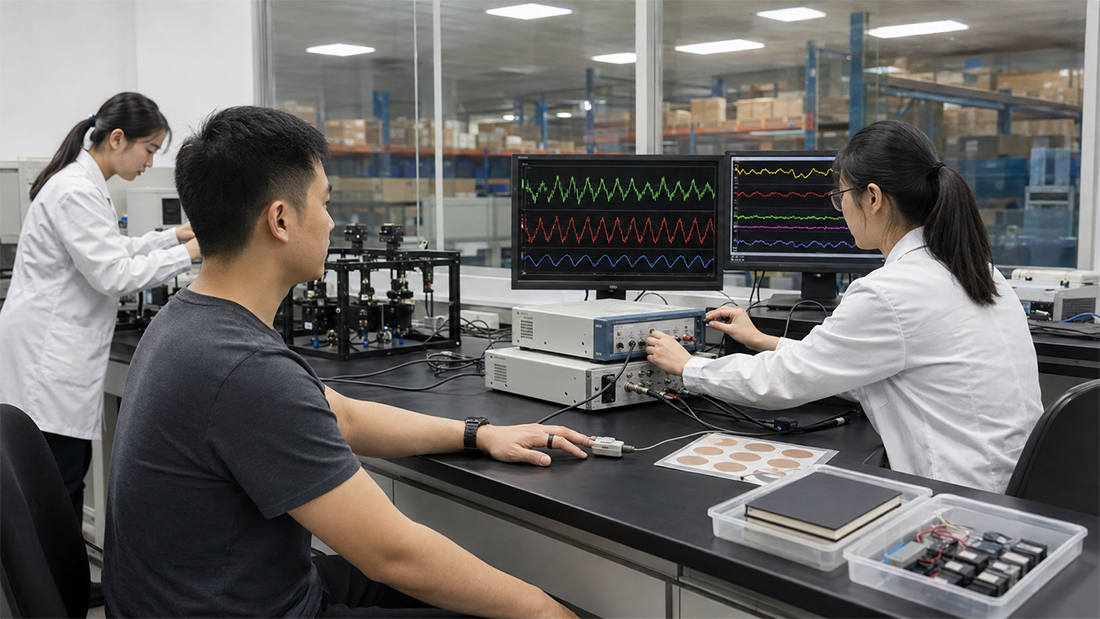
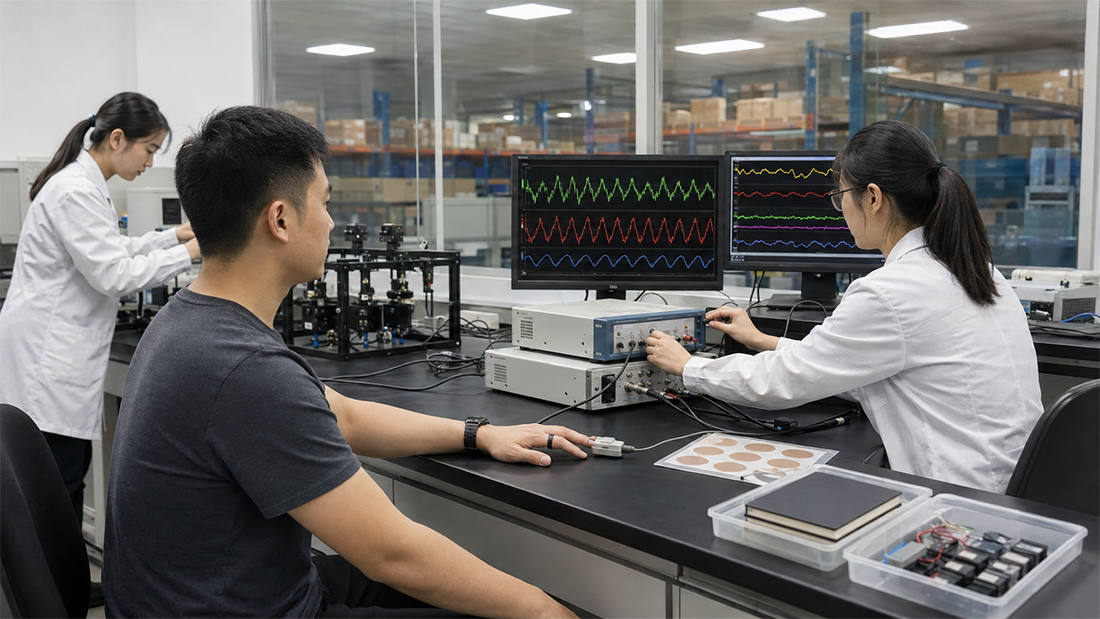
When evaluating a smart ring supplier, scrutinize the technical specifications. Look for sensors used for heart rate, blood oxygen (SpO2), and sleep tracking. Ask for datasheets and third-party validation. Verify water resistance ratings (e.g., IP67) and battery life claims. Testing samples thoroughly can reveal discrepancies between advertised and real performance.
Also, consider the ring’s materials (e.g., titanium, ceramic) for durability and hypoallergenic properties. The accuracy of sensors directly impacts user trust and product reviews, so prioritize suppliers who are transparent about sensor origin and calibration.
2. OEM/ODM Capabilities and Customization
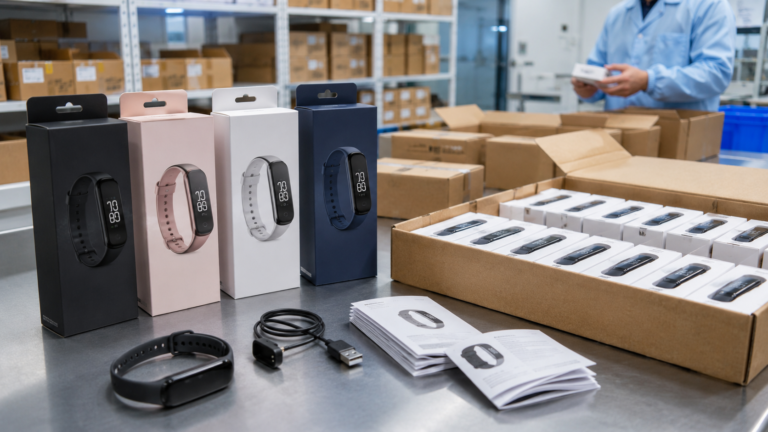
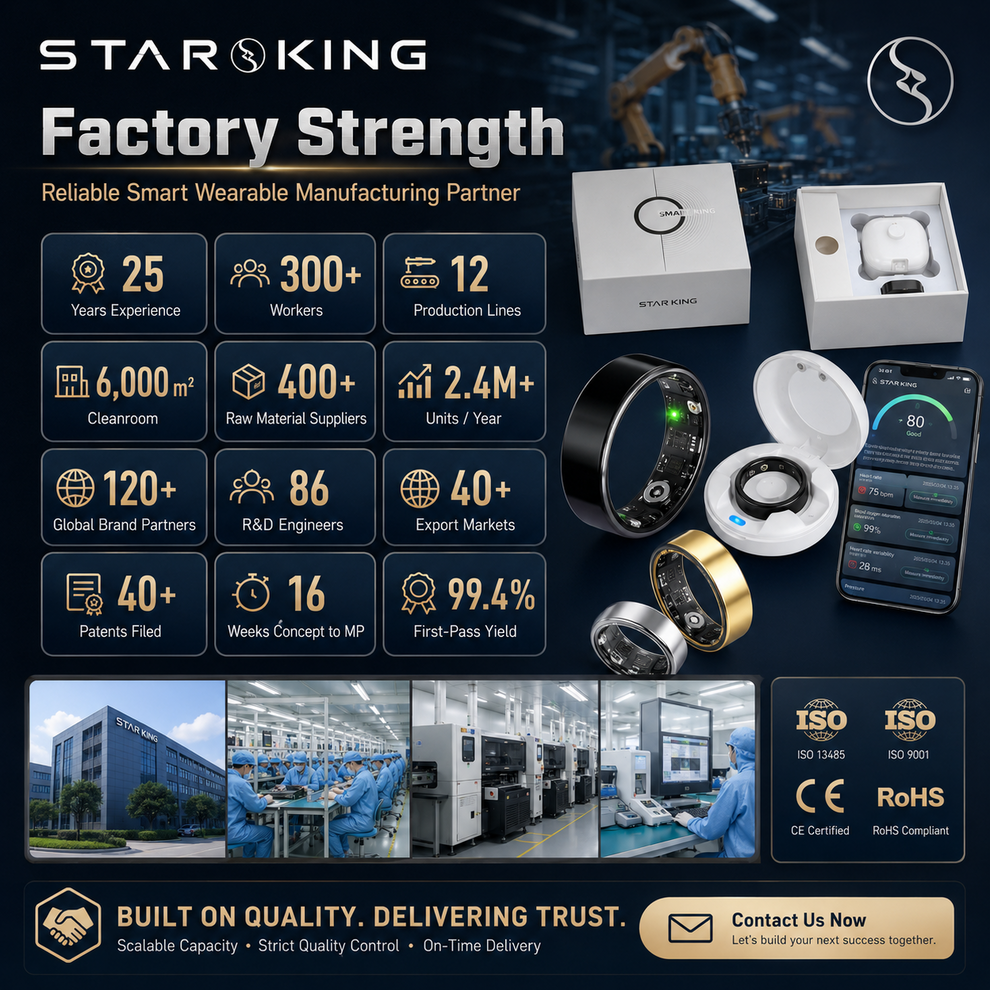
Importers often need brand customization. Evaluate whether the supplier offers OEM (build to your specs) or ODM (design based on their existing platforms). Ask about customization options: logo engraving, packaging, app white-labeling, firmware adjustments, even hardware variations. A flexible supplier like STAR KING provides private label solutions[oem-link] that help you launch a branded product quickly.
Request examples of past customization projects to gauge their expertise. Also, clarify who owns the intellectual property (IP) for custom designs—vital for protecting your brand.
3. MOQ and Pricing Transparency
MOQs can vary widely among smart ring suppliers. Lower MOQs may suit startups but have higher unit costs. Ask for a detailed price breakdown: hardware, software, packaging, and shipping. Ensure there are no hidden fees. Consider negotiating tiered pricing for future orders. Also, discuss payment terms (e.g., T/T, L/C) and any deposit requirements.
Effective MOQ planning[moq-link] ensures you don’t overstock or understock. Factor in lead times for production and delivery.
4. Quality Control and Testing
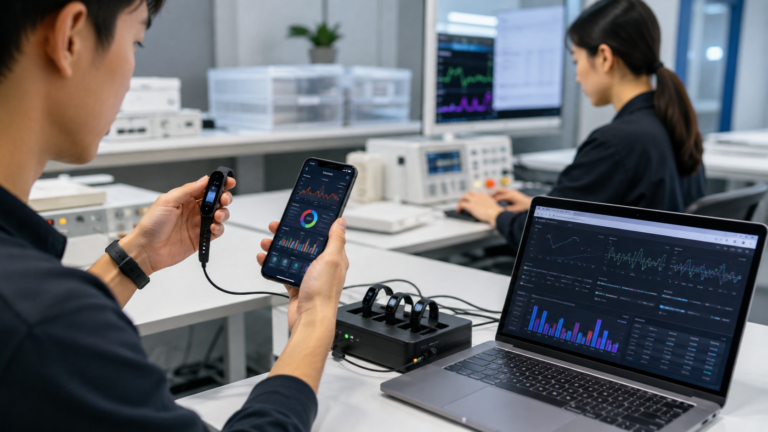
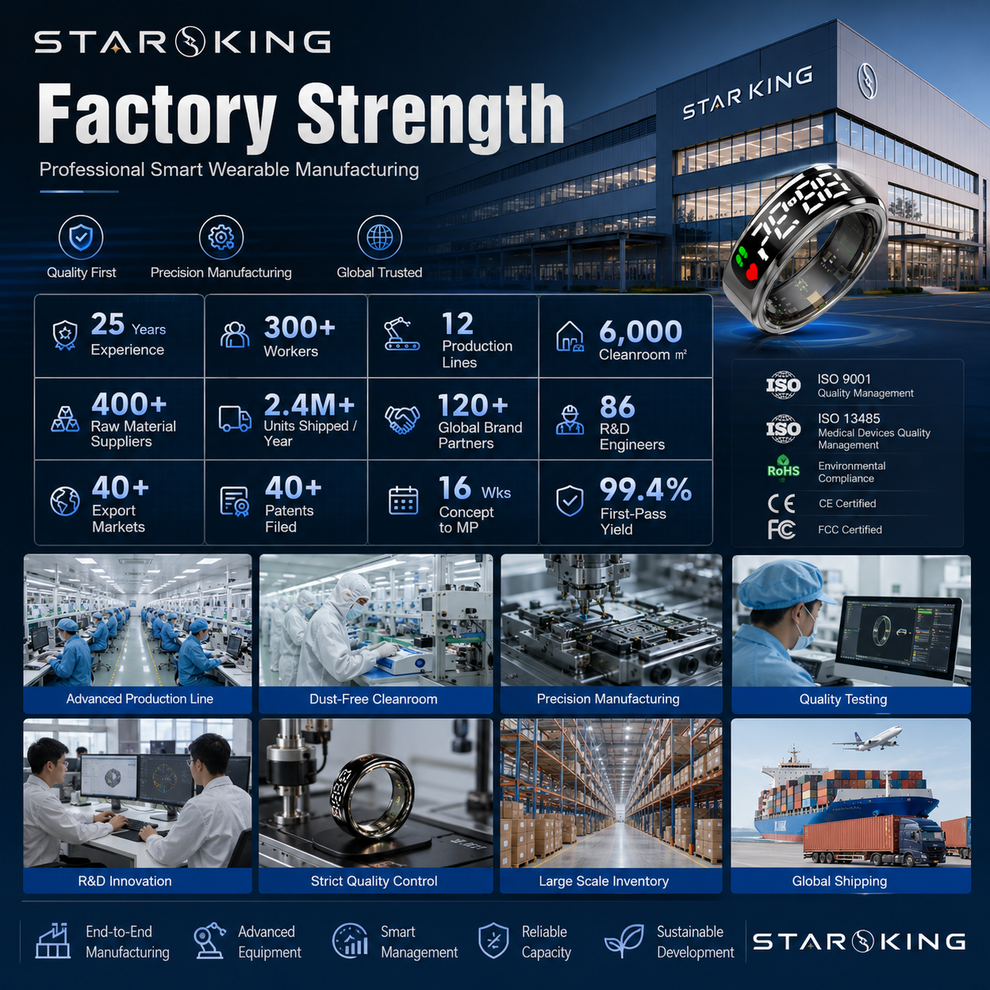
Quality control is non-negotiable. Ask about their QC process: in-house testing, third-party inspections, and pre-shipment appraisals. Check if they conduct drop testing, battery safety tests, and aging tests. Verify that they follow protocols like ISO 9001. Request recent QC reports or arrange a factory audit. A supplier who invests in quality assurance reduces your risk of customer returns and reputational damage.
Also, confirm they provide firmware updates and can address bugs post-launch.
5. Certifications and Compliance
Smart rings must meet regulations in your target market. EU and US markets typically require CE and FCC. Additionally, RoHS, REACH, and battery certifications like UN38.3 and MSDS are essential for shipping. Ensure the supplier provides valid certification documents. Verify that certifications match the exact product configuration you plan to import.
For medical claims, the ring may need FDA approval as a medical device—be cautious about any health claims that could trigger these requirements. Always verify with your own legal counsel. Compliance considerations[compliance-link] should be part of your sourcing checklist.
6. Delivery and Logistics
Assess the supplier’s ability to meet your delivery deadlines. Inquire about their production lead times, shipping methods (air, sea, rail), and Incoterms. Do they have experience shipping battery-containing devices? They must comply with IATA regulations. Ask about their warehouse capabilities if you need buffer stock. A supplier that can handle logistics efficiently helps you avoid supply chain disruptions.
Clarify the documentation they provide (packing list, invoices, certificates) to facilitate customs clearance.
7. After-Sales Support and Warranty
Your relationship with the supplier continues after purchase. Check their warranty terms — typically 12 months. Ask about spare parts availability, repair services, and technical support. A reliable supplier will help you resolve issues with end consumers or replace defective units. Clarify the process for warranty claims and who bears the cost of shipping.
Long-term support from your supplier can make or break your brand’s reputation.
Common Mistakes to Avoid
- Ignoring total landed cost, not just unit price.
- Overlooking firmware/App updates for long-term usability.
- Choosing a supplier without verifying IP ownership.
- Assuming certifications are universal across all products.
- Relying solely on price to select a supplier.
Buyer Checklist for Smart Ring Supplier Evaluation
- Request product datasheets and sample for testing.
- Verify all necessary certifications for your target market.
- Inquire about customization options and MOQ flexibility.
- Ask for quality control process and inspection reports.
- Confirm delivery lead times and logistics arrangements.
- Clarify warranty, after-sales support, and spare part availability.
- Review contract for IP ownership and non-disclosure terms.
Frequently Asked Questions
What is the typical MOQ for smart rings?
MOQs vary, but many suppliers require 500–1,000 units. Some may offer lower MOQs for pilot runs. Clarify costs and lead times.
What certifications do I need to import smart rings to the US?
US imports typically need FCC for wireless devices. Battery compliance (UN38.3) is also required for shipping. Additional certifications may apply depending on product features.
Can I customize the smart ring App and firmware?
Yes, most ODM suppliers offer app white-labeling and firmware adjustments. Discuss your requirements and customization costs.
How do I test a supplier’s product quality?
Request pre-production samples and conduct independent testing. Arrange a factory audit or use third-party inspection services.
What are the common hidden costs in smart ring sourcing?
These may include tooling fees, certification costs, packaging design, and shipping insurance. Ask for a comprehensive quote.
How long does it take to get samples?
Typical sample lead time is 7–15 days after order, but it can be longer for customized products. Confirm with the supplier.
What should I do if a supplier doesn’t provide certification documents?
This is a red flag. Request proof of compliance before proceeding. Consider suppliers with transparent documentation.
Conclusion
Evaluating a smart ring supplier requires due diligence across technical, operational, and compliance areas. By applying these seven factors, you’ll reduce sourcing risks and build a resilient supply chain. Focus on suppliers who demonstrate transparency, quality, and long-term partnership.
Ready to evaluate a smart ring supplier for your next import project? Request a quotation or discuss your OEM/ODM requirements with STAR KING’s experienced team.
Buyers can also review STAR KING Smart Rings OEM/ODM options to compare product positioning, customization scope, and sample planning.
Useful Official References for Buyers
- FCC equipment authorization guidance
- European Commission CE marking information
- Bluetooth SIG specifications
Discuss Your Smart Wearable OEM/ODM Project
Planning a smart ring, smart watch, smart band, AI glasses, AI translator, or AI voice mouse project? Contact STAR KING to discuss product positioning, sample testing, customization scope, certification requirements, lead time, and quotation details.

Team Star King

Scan WhatsApp QR code