private-label AI voice mouse OEM: How to Launch a Private-Label AI Voice Mouse Line in the Middle East: A 7-Step OEM Sourcing Guide for 2026
How to Launch a Private-Label AI Voice Mouse Line in the Middle East: A 7-Step OEM Sourcing Guide for 2026
Short Answer: Private-label AI voice mouse OEM in the Middle East is a growing opportunity for brands looking to differentiate in the smart office segment. To succeed, you need a supplier that offers customization, regulatory support, and reliable logistics. This guide outlines seven essential steps from supplier evaluation to market entry, helping you make informed sourcing decisions.
Table of Contents
Table of Contents
The AI voice mouse is a productivity device that combines voice recognition, AI-powered transcription, and multilingual support. For private-label brands targeting the Middle East, launching an AI voice mouse line can offer a tangible entry into the region’s expanding smart office market. This guide walks through the key steps of sourcing, customization, compliance, and distribution, tailored to the Middle East’s unique business environment.
private-label AI voice mouse OEM: Table of Contents
- Introduction
- Step 1: Define Your Product Vision and Target Market
- Step 2: Evaluate OEM vs. ODM vs. Private-Label
- Step 3: Assess Technical Specifications and Customization Options
- Step 4: Navigate MOQ, Pricing, and Sample Development
- Step 5: Verify Quality Control and Compliance Certifications
- Step 6: Plan Logistics, Shipping, and Import Requirements
- Step 7: Develop Your Go-to-Market Strategy
- Key Facts for Buyers
- Common Mistakes to Avoid
- Buyer Checklist
- FAQs
- Conclusion
When entering the Middle East market, private-label brands must consider local language support, regional regulations, and competitive pricing. The AI voice mouse is a compelling product because it addresses the region’s high demand for productivity tools that support Arabic and English. By following a structured sourcing process, you can reduce risk and accelerate time-to-market.
Step 1: Define Your Product Vision and Target Market
Begin by identifying your target customer segment—are you selling to enterprises, SMBs, or retail consumers? In the Middle East, corporate offices and e-commerce channels are primary outlets. Define the must-have features: language recognition, battery life, ergonomics, and connectivity. For example, an AI voice mouse with English and Arabic transcription may be a key differentiator. Also, consider the regional market dynamics such as the growing adoption of AI tools in Saudi Arabia and the UAE under national digital transformation initiatives.
Your product vision should also align with your brand’s positioning. If you aim for premium positioning, you might require a sleek design and superior build quality. If your strategy is cost-led, focus on essential features and competitive pricing. Clearly documenting your requirements will help you communicate effectively with potential suppliers.
Step 2: Evaluate OEM vs. ODM vs. Private-Label
Understanding the differences between OEM, ODM, and private-label is crucial for defining your level of involvement.
| Model | Definition | Best Suited For |
|---|---|---|
| OEM (Original Equipment Manufacturing) | You design the product and the manufacturer produces it. | Brands with strong technical design capabilities. |
| ODM (Original Design Manufacturing) | The manufacturer designs and produces the product, and you rebrand it. | Brands looking for a faster entry with less design effort. |
| Private Label | A subset of ODM where you take an existing product and put your brand on it. | E-commerce sellers and new brands wanting low-risk entry. |
For most private-label brands, the ODM route is efficient because you leverage the supplier’s existing design and production capabilities. Ensure the supplier is flexible with branding, packaging, and software customization. Discuss whether they offer hardware modifications (e.g., battery size, sensor choice) or only aesthetic changes.
Step 3: Assess Technical Specifications and Customization Options
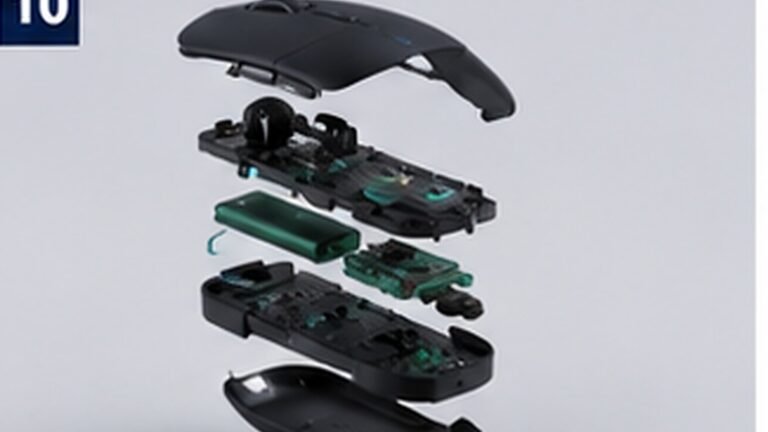
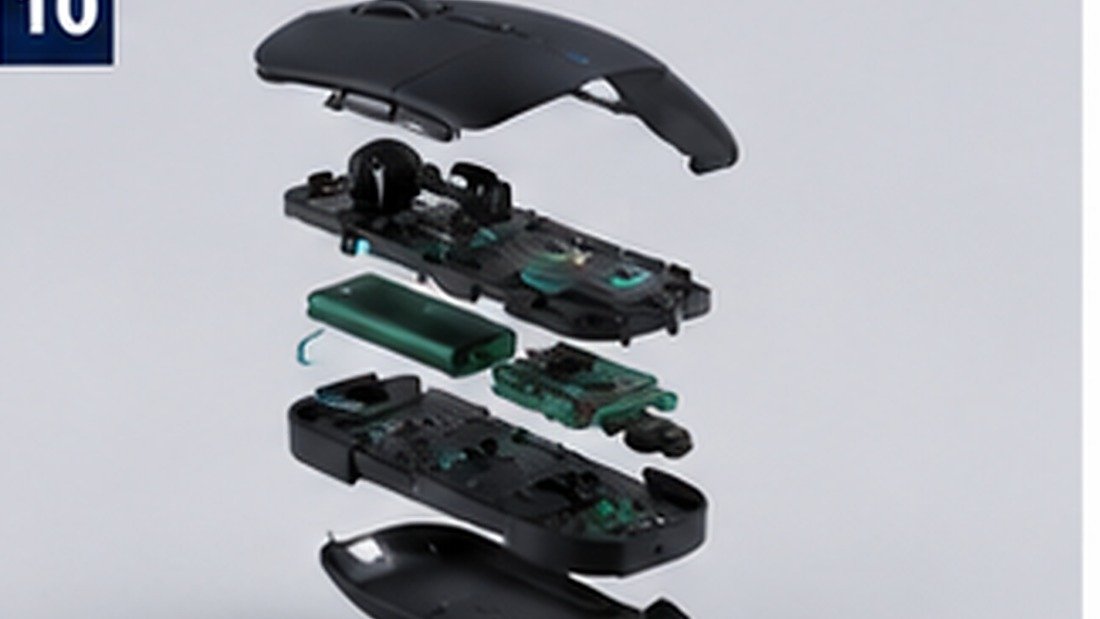
AI voice mice differ from standard mice in their voice processing hardware, microphone arrays, and AI algorithms. Key specifications to evaluate include:
- Microphone quality: How many mics? Noise cancellation? Far-field pickup?
- Voice recognition engine: Local vs. cloud-based processing; latency and accuracy.
- Language support: Does it handle Arabic (MSA, dialects) and English? Does it support other regional languages like French?
- Connectivity: 2.4GHz dongle, Bluetooth, or both? Range and stability.
- Battery life: Internal rechargeable vs. AA battery; usage time and standby.
- Ergonomics: Size, weight, and comfort for prolonged use.
Customization options can include your logo on the device and packaging, custom colorways, and pre-configured voice commands. App-level customization might allow you to assign brand-specific shortcuts or integrate with your own software. Firmware customization is possible but often requires higher MOQs and more extensive collaboration.

Step 4: Navigate MOQ, Pricing, and Sample Development
MOQs for AI voice mice typically range from 500 to 2,000 units depending on the level of customization. Branding-only changes require lower MOQs, while hardware modifications may necessitate higher commitments. Pricing is influenced by component costs (chipset, microphones, battery), labor, and custom tooling. Always request a detailed quotation that breaks down costs per unit and any one-time setup fees.
Sample development is a critical step. Suppliers usually charge for samples, which can range from $50 to $200 per unit. Allow time for iterative feedback and testing. Ensure that samples are thoroughly evaluated for functionality, build quality, and software integration. A common mistake is to rush sample phase to save time; a flawed product will damage your brand reputation.
Step 5: Verify Quality Control and Compliance Certifications
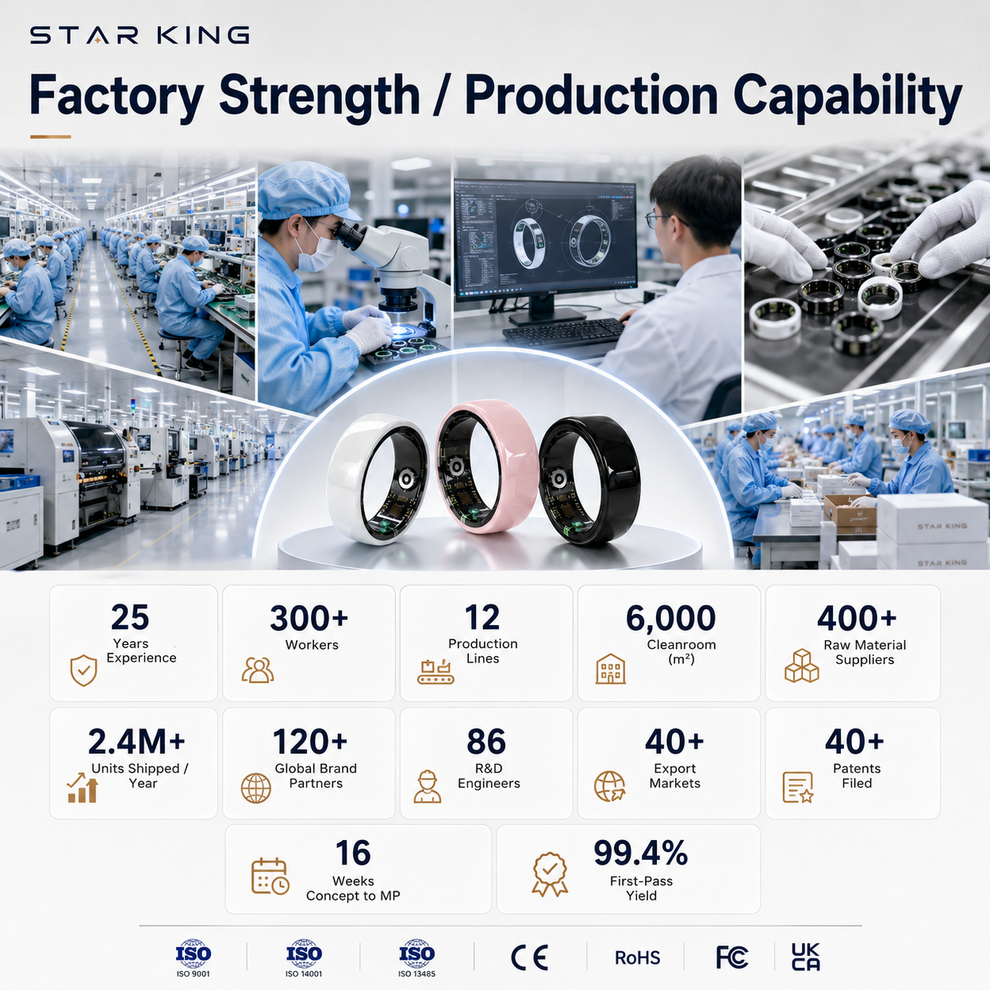
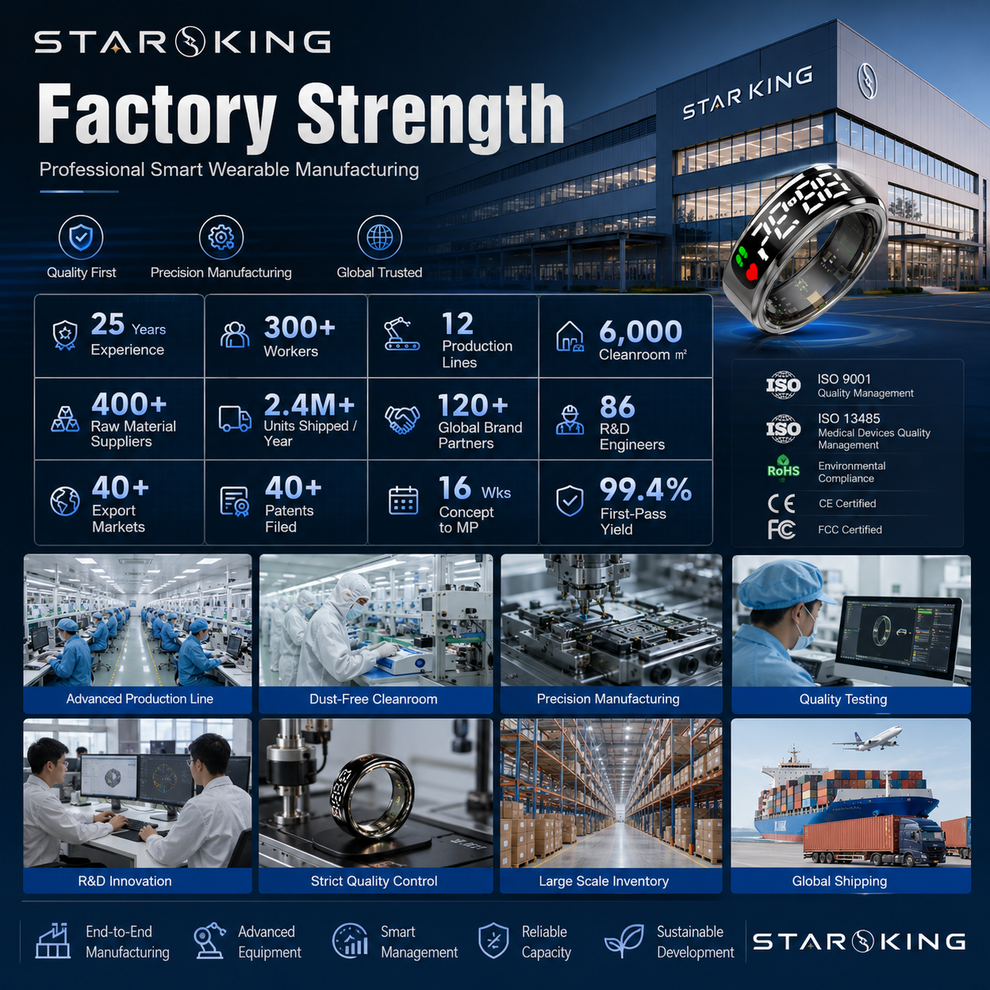
Quality control is non-negotiable. Ask about the supplier’s quality management systems (ISO 9001), inspection processes, and whether they offer pre-shipment inspection (PSI) by third-party agencies. During production, you can arrange for random inspections or visit the factory if feasible.
For the Middle East, compliance requirements vary by country. Key certifications to consider include:
- CE marking: Required for many electronics, covering health, safety, and environmental protection.
- FCC certification: For RF emissions in the United States; may not be required for Middle East, but often used as a benchmark.
- RoHS compliance: Restriction of hazardous substances; widely accepted internationally.
- UN38.3: For lithium battery safety, required for air freight.
- GCC mark: An optional notice: the GCC (Gulf Cooperation Council) has specific requirements for certain electrical products. Check with official bodies.
- Country-specific marks: For example, Saudi Arabia has SASO certification; the UAE may require ECAS (Emirates Conformity Assessment System).
It’s essential to verify which certifications apply to your target country. The supplier may or may not hold these certifications; if not, they may support you through the process. Always ask for documentation and check their validity.
Step 6: Plan Logistics, Shipping, and Import Requirements
Shipping to the Middle East involves air or sea freight, with lead times ranging from 7-14 days (air) to 30-40 days (sea) after production. Air freight is faster but more expensive, suitable for small pilot orders. Sea freight is cost-effective for bulk shipments.
Import duties and taxes vary by country. Typically, UAE has a 5% import duty on electronics, while Saudi Arabia’s ZATCA system may require VAT registration. Work with a freight forwarder that knows the region to handle customs clearance. Ensure that the supplier provides accurate documentation: commercial invoice, packing list, certificate of origin, and any required conformity certificates.
Lithium batteries are classified as dangerous goods for transport and must comply with IATA regulations. The supplier should provide a UN38.3 test report and MSDS. Ensure your packaging is compliant with battery labeling requirements.
Step 7: Develop Your Go-to-Market Strategy
With your product ready, define your launch plan. The Middle East is a price-sensitive market, yet buyers are willing to pay for quality and brand reputation. Consider the following channels:
- E-commerce: Amazon UAE/Saudi, Noon, and local platforms. Optimize your listings for Arabic and English keywords.
- B2B distribution: Partner with office supply distributors or tech wholesalers.
- Direct sales: Target corporate clients with volume pricing and customization.
- Retail presence: Electronics chains and specialty stores.
Pricing strategy should account for landed cost (including shipping, duties, and logistics) and competitor analysis. For example, a $50 retail price may require a unit cost under $20 after distribution margins. Provide after-sales support and warranty terms that meet local expectations.
Key Facts for Buyers
| Fact | Detail |
|---|---|
| Market growth | The Middle East AI and smart office device market is expected to grow at double-digit rates through 2026. |
| Common MOQ | For AI voice mouse private label, MOQs typically range 500-2,000 units. |
| Lead time | Sample production: 1-2 weeks; mass production: 3-5 weeks after tooling. |
| Certification cost | Can range $1,000-$5,000 per certification, depending on the test house and product complexity. |
| Import duty UAE | 5% on most electronics; VAT is 5% (may vary). |
Common Mistakes to Avoid
- Ignoring language nuances: Arabic has multiple dialects; ensure your voice recognition can handle at least Modern Standard Arabic and ideally Gulf dialects.
- Skipping certification research: Assume your product is compliant everywhere. Always verify with official authorities.
- Underestimating shipping costs: For lithium batteries, additional fees and paperwork affect landed cost.
- Overlooking after-sales support: The Middle East market expects reliable warranty and customer service.
- Choosing the supplier solely by price: Lowest price may lead to quality issues and longer lead times.
Practical Buyer Checklist
- Define your target customer and key product features.
- Select an OEM/ODM partner with experience in AI audio devices.
- Arrange samples and test voice recognition in both English and Arabic.
- Confirm MOQ and lead times align with your launch schedule.
- Verify certifications for your target country (CE, RoHS, UN38.3, GCC).
- Request UN38.3 and MSDS for battery documentation.
- Plan logistics with a freight forwarder experienced in Middle East customs.
- Build a pricing model that includes landed cost and margins.
- Develop a marketing strategy for local e-commerce and B2B channels.
- Plan for after-sales support and returns.
Buyers can also review STAR KING AI Voice Mouse OEM/ODM options to compare product positioning, customization scope, and sample planning.
Useful Official References for Buyers
- FCC equipment authorization guidance
- European Commission CE marking information
- Bluetooth SIG specifications
FAQs
What is the typical MOQ for private-label AI voice mice?
MOQ usually starts at 500 units for minor branding changes, but increases if you require hardware modifications or custom tooling. Always discuss your specific needs with the supplier.
Is an AI voice mouse compliant with Middle East regulations?
Compliance depends on the product’s specifications, including wireless features and battery. Most electronics require CE, RoHS, and possibly GCC certification. Verify with the supplier and official bodies like SASO or ECAS.
How long does it take to receive samples?
Sample development typically takes 1-2 weeks after finalizing your requirements. Ensure you allow feedback and testing time for multiple iterations.
Can I customize the AI voice recognition to support Arabic dialects?
Many suppliers offer software customization. Confirm the extent of dialect support. If the base software doesn’t handle dialects, ask if it can be adapted or if you need to use a third-party voice engine.
What certifications are required for air shipping to the Middle East?
For lithium battery-powered devices, UN38.3 is mandatory. Additionally, you may need product safety certifications like CE or IEC. Work with your supplier to ensure all documents are in order.
How should I handle warranty and after-sales service?
Decide on a warranty period (usually 12 months) and determine whether you or the supplier will handle repairs. Consider local service centers or cross-shipping replacements.
What are the common pitfalls when sourcing from China?
Common pitfalls include missing contract details, unclear communication on specifications, and assuming certifications are valid. Minimize risk by using a detailed specification sheet, having third-party inspections, and requesting documentation.
Conclusion
Launching a private-label AI voice mouse line in the Middle East requires careful planning and execution. By following these seven steps, you can increase your chances of success while minimizing risks. Focus on selecting a reputable OEM partner, verifying compliance, and building a solid go-to-market strategy.
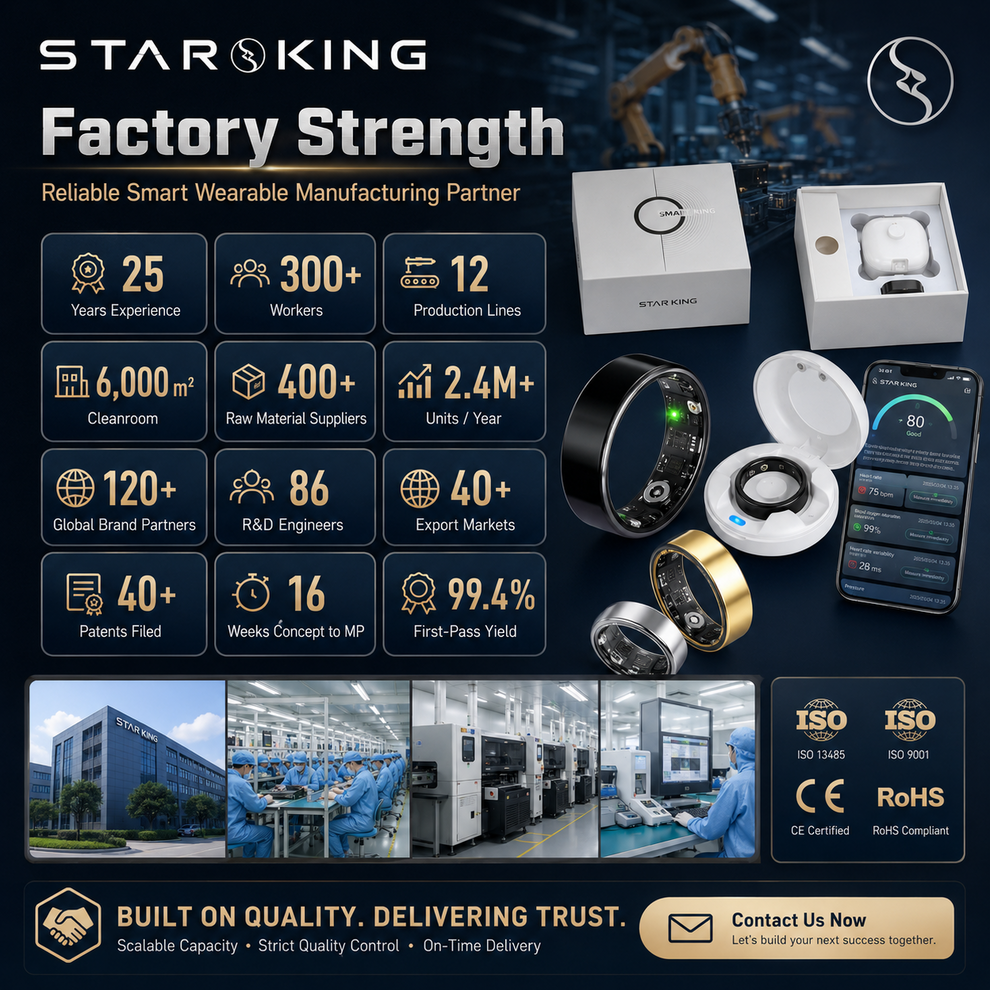
At STAR KING, we offer OEM/ODM and private-label solutions for AI voice mice. We can help you with design customization, compliance support, and scalable production. Contact us to discuss your project and request samples.
Request samples or discuss your OEM/ODM project:Get a quote.
Discuss Your Smart Wearable OEM/ODM Project
Planning a smart ring, smart watch, smart band, AI glasses, AI translator, or AI voice mouse project? Contact STAR KING to discuss product positioning, sample testing, customization scope, certification requirements, lead time, and quotation details.

Team Star King

Scan WhatsApp QR code