
Smart Rings for Education Technology Buyers: 7 Supplier Selection Checks for 2026
October 21, 2026 · Team Star King

Smart Rings for Education Technology Buyers: 7 Supplier Selection Checks for 2026
Smart rings for education technology buyers are compact wearables used in student wellness programs, focus and fatigue awareness pilots, campus health initiatives, and research studies. For EdTech procurement teams, the selection decision is not about consumer fashion — it is about supplier reliability, app integration, data privacy, MOQ flexibility, and compliance for schools and institutions. This guide gives you 7 practical supplier checks to run before you commit to an OEM or private-label smart ring program.
Table of Contents
Table of Contents
smart rings for education technology: Table of Contents
- Short Answer
- Key Takeaways
- Key Facts for Buyers
- What Is a Smart Ring in an Education Technology Context?
- Why Supplier Selection Matters More Than the Spec Sheet
- 7 Supplier Selection Checks for Smart Rings in EdTech
- Supplier Comparison Table: What to Score
- Common Mistakes and Buyer Red Flags
- Practical Buyer Checklist
- FAQ
- Conclusion
- Next Step
Short Answer
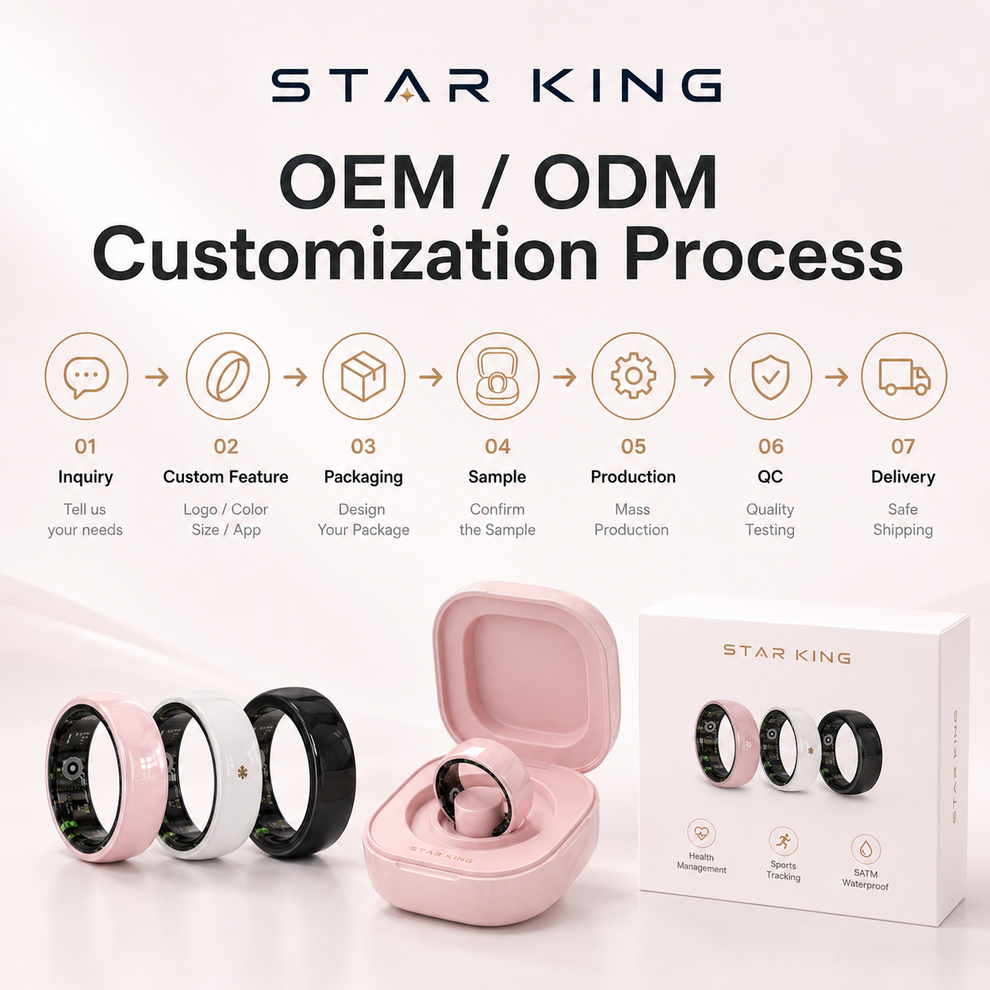
The best smart ring supplier for an education technology buyer is one that can prove OEM/ODM capability, offer education-appropriate app integration, quote clear MOQs and lead times, document compliance for your target markets, and show a documented quality process. Price alone should not decide the shortlist. For 2026 procurement, run a structured 7-check evaluation, request samples, and verify privacy and compliance claims in writing before signing any tooling or mass-production agreement.
Key Takeaways
- EdTech smart ring programs fail more often because of supplier, app, or compliance gaps than because of hardware specifications.
- Ask every supplier for its OEM/ODM boundary: which parts are standard, which are customizable, and which require new tooling.
- MOQ, lead time, and tooling ownership must be in writing before you plan a pilot or campus rollout.
- App integration and data privacy are education-specific risks that require documented answers, not verbal assurances.
- Certification depends on product configuration and destination market — buyers should verify, not assume.
- Use a scored comparison table and a sample validation plan before committing to mass production.
Key Facts for Buyers
| Decision Factor | What EdTech Buyers Should Ask | Why It Matters |
|---|---|---|
| Supplier type | Are you the manufacturer or a trading company? Can we audit the production site? | Determines accountability for quality, tooling, and lead time |
| OEM/ODM flexibility | Which components are standard? Can firmware, app, logo, and packaging be customized? | Affects cost, timeline, and brand differentiation |
| MOQ | What is the MOQ for standard and customized versions? Does it change after tooling? | Impacts pilot feasibility and inventory risk |
| Lead time | What are sample, tooling, and mass-production timelines? | Aligns with school calendar and procurement windows |
| App integration | Can the ring connect to our EdTech platform? Is an SDK or API available? | Determines whether the program works beyond the device |
| Compliance | Which certifications apply to our configuration and target markets? | Reduces customs, retail, and institutional risk |
| Privacy | Where is data stored? What consent flows are supported? | Critical for schools, minors, and institutional buyers |
| Quality process | What testing is performed, and can we see reports? | Reduces defects, returns, and reputational risk |
What Is a Smart Ring in an Education Technology Context?
A smart ring is a small wearable device worn on a finger that typically tracks activity, sleep, heart rate, and other signals, and syncs with a companion app. In education technology, smart rings for education technology are usually deployed in three scenarios: student wellness and focus awareness programs, campus health and research studies, and staff or faculty wellness initiatives. These deployments differ from consumer retail because they involve institutional procurement, data governance, and often minors as end users.
Because the education context adds privacy, consent, and integration requirements, the supplier you select must be evaluated on more than hardware specs. The device is only one layer; the app, firmware, data flow, packaging, and compliance documentation are equally important. This is why supplier selection is a distinct buyer journey stage for EdTech companies — and why a structured evaluation process saves months of rework.
Why Supplier Selection Matters More Than the Spec Sheet
Most smart ring hardware platforms share similar sensor and battery building blocks. What differentiates suppliers is their ability to support your specific education use case: customized firmware behavior, an app that can surface the metrics you need, packaging and branding that fits a school or institutional buyer, and documentation that satisfies procurement and legal teams.
A supplier that only sells finished consumer products may not be able to answer questions about SDK access, data retention, or tooling ownership. A supplier with OEM/ODM experience can typically walk you through these decisions. STAR KING, for example, positions itself around private label OEM/ODM solutions for wearables and AI hardware, which is the type of supplier profile EdTech buyers should shortlist when they need customization beyond a catalog item. You can review the smart rings product line as a starting reference for standard configurations.
In practice, supplier selection should be scored against your program’s non-negotiables: MOQ, lead time, app integration, compliance, privacy, and quality documentation. Price is one input, not the decision.
7 Supplier Selection Checks for Smart Rings in EdTech
Check 1: Confirm the Supplier’s Actual Manufacturing Role
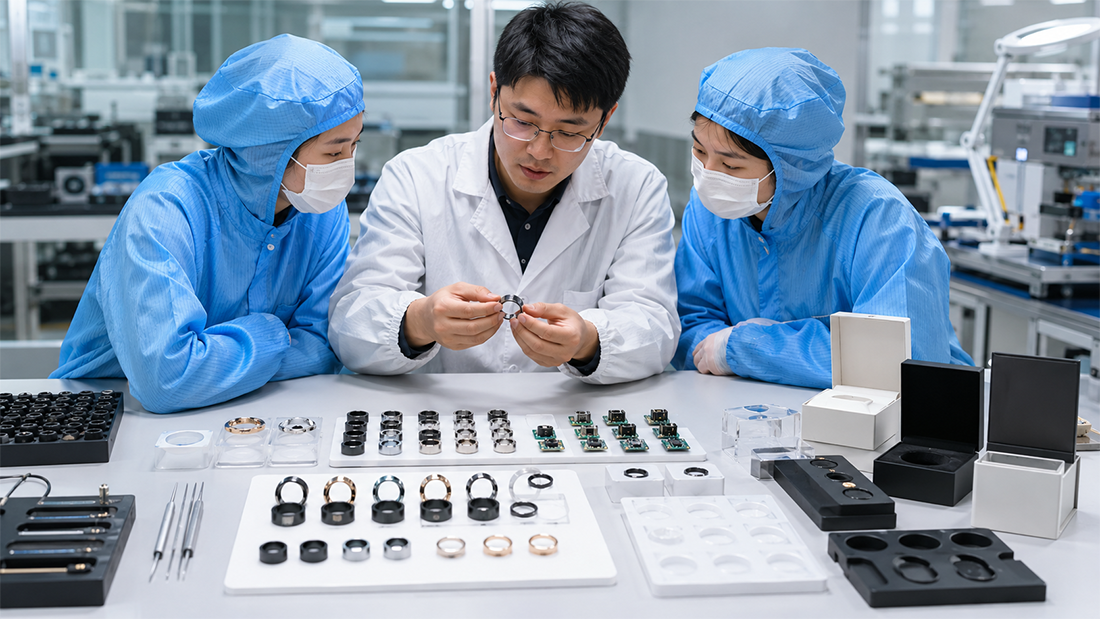
Ask directly whether the supplier is the manufacturer, an assembler, or a trading company. Request the production site address and a factory audit option. For education buyers, accountability matters because defects or delays can disrupt a school calendar. A supplier that can explain its production process, testing stations, and quality ownership is more reliable than one that only shares a product brochure.
Check 2: Map the OEM/ODM Boundary Before You Design
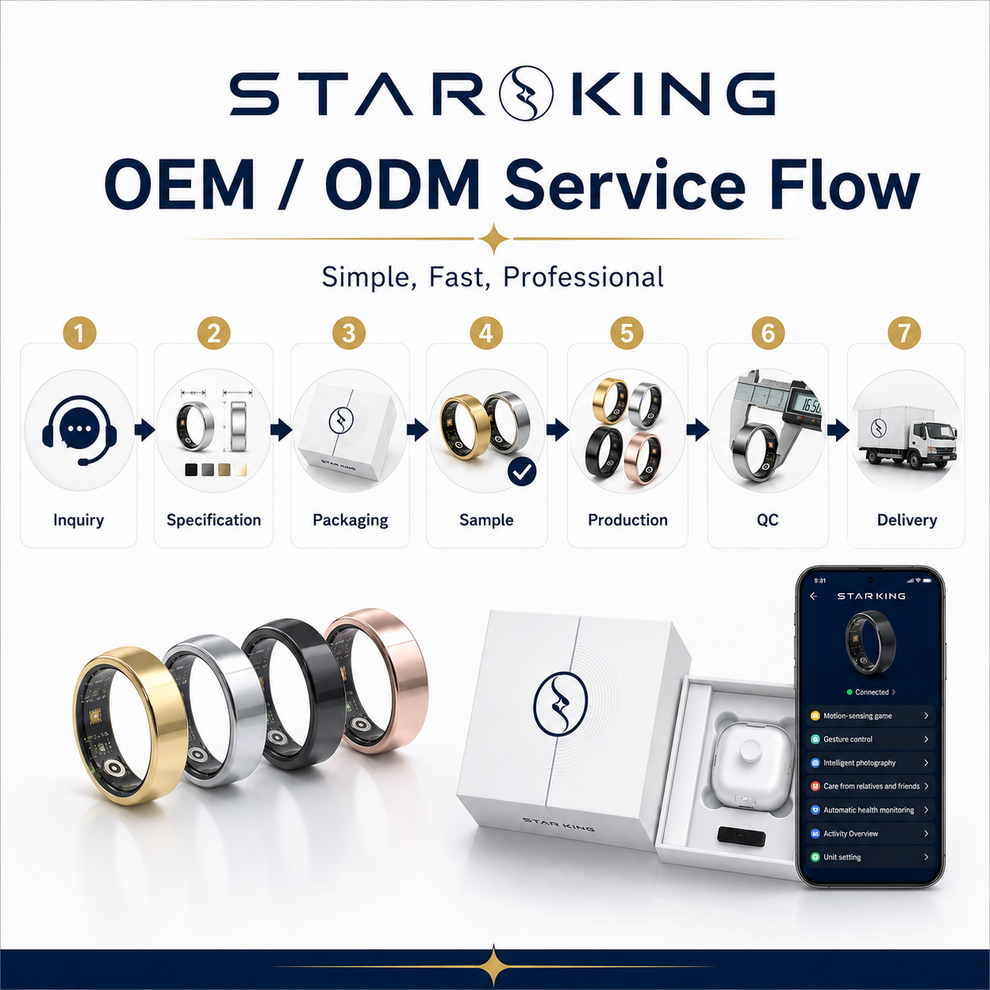
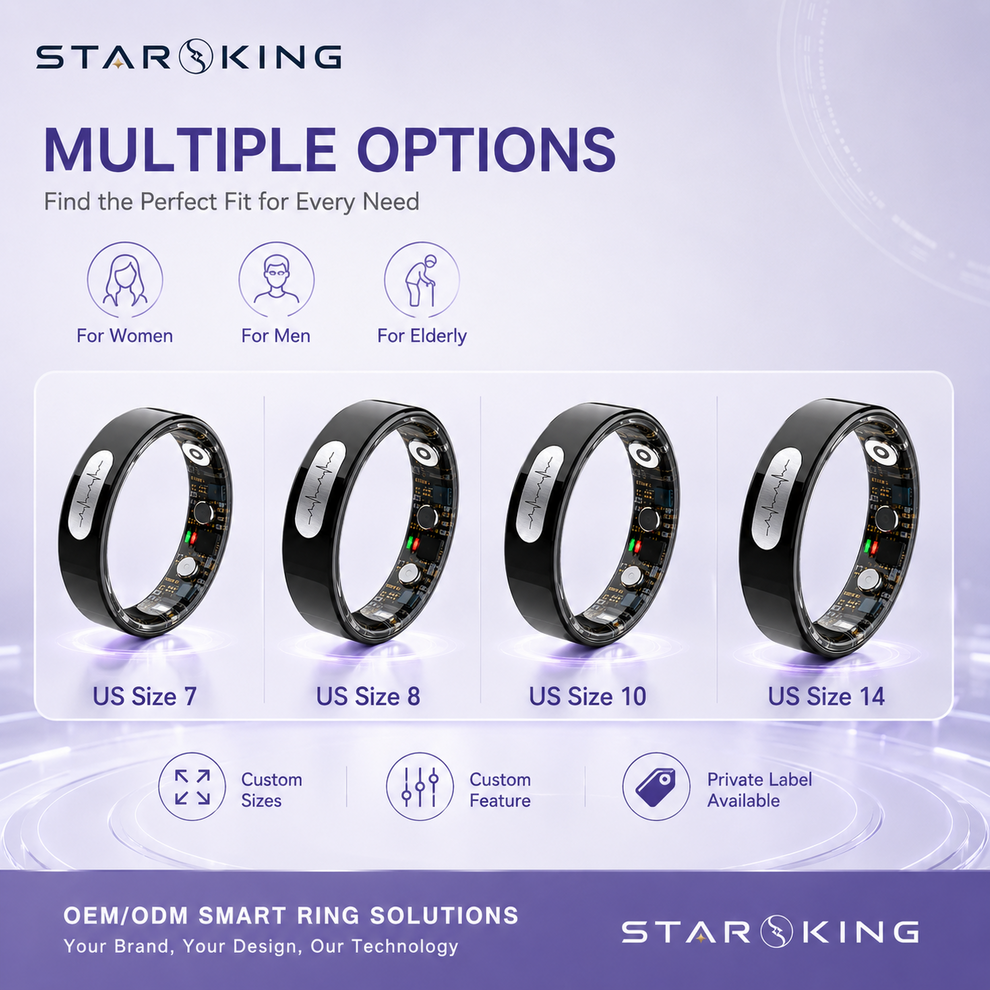
Every smart ring supplier has a boundary between standard and customizable. Ask which elements can be changed without new tooling: firmware parameters, app skin, logo, packaging, and accessory colors. Then ask which require new tooling, new molds, or new certification. For EdTech programs, the most valuable customizations are usually app-level (dashboards, alerts, reporting) and packaging-level (school branding, multilingual inserts), not necessarily hardware redesign. Clarifying this boundary early prevents cost surprises.
Check 3: Get MOQ and Lead Time in Writing
MOQ for smart rings typically depends on whether you choose a standard model, a private-label version, or a fully customized design. Customization usually raises MOQ because of tooling and production setup. Lead time usually breaks into sample lead time, tooling lead time, and mass production lead time. Buyers should request a written schedule with milestones and ask what happens if a milestone slips. For a pilot, ask whether a small batch is possible before mass production.
Check 4: Validate the App, SDK, and Data Flow
Education technology companies rarely deploy a wearable without a software layer. Ask whether the supplier offers an SDK or API, whether the app can be white-labeled, where data is stored, and what consent and account structures are supported. If your program involves minors, ask how the supplier handles parental consent flows and data minimization. Document the answers, because these become part of your institutional risk review.
Check 5: Verify Compliance for Your Configuration and Market
Certification requirements for smart rings typically depend on the product configuration (for example, Bluetooth radio, battery type, and charging method) and the destination market. Common requirements include FCC in the United States, CE in the EU, RoHS for restricted substances, and UN38.3 for lithium batteries in transport. Buyers should ask which certificates the supplier holds for the exact configuration being quoted, request copies, and verify the certificate scope. For reference, buyers can review the FCC equipment authorization process and the EU CE marking framework to understand what each document means.
Check 6: Review the Quality Process and Test Reports
A supplier that can describe its incoming material checks, in-process inspection, aging tests, drop tests, waterproof tests (if relevant), and pre-shipment inspection is easier to qualify. Ask for sample test reports and ask how defects are handled. For education deployments, durability and consistent performance across units matter because devices may be shared, stored, or used by students. Quality process visibility is a strong signal of manufacturing maturity.
Check 7: Confirm Tooling Ownership, Warranty, and Spare Parts
If your program requires custom tooling or molds, confirm in writing who owns the tooling, whether it can be transferred, and what happens at the end of the contract. Also ask about warranty terms, spare parts availability, and repair or replacement workflow. Education buyers often need a predictable support path across a multi-year program, so these commercial terms should be reviewed before signing.
If you are comparing standard and customized options, it helps to review health and fitness wearable solutions as a reference for how supplier capabilities map to program needs.
Supplier Comparison Table: What to Score
Use this table to score shortlisted suppliers on a 1–5 scale. A supplier that scores low on app integration or compliance documentation should not be shortlisted for an institutional program, even if its unit price is lower.
| Evaluation Area | Question to Ask | Evidence to Request | Weight |
|---|---|---|---|
| Manufacturing role | Are you the manufacturer? | Site address, audit option, production flow | High |
| OEM/ODM flexibility | What can be customized? | Customization list and sample options | High |
| MOQ | What is the MOQ per configuration? | Written quotation with MOQ tiers | Medium |
| Lead time | What is the sample and mass-production schedule? | Timeline with milestones | High |
| App/SDK | Can the app integrate with our platform? | SDK/API documentation or demo | High |
| Compliance | Which certificates apply to our configuration? | Certificate copies and scope | High |
| Quality | What testing is performed? | Test reports, inspection process | Medium |
| Tooling/warranty | Who owns tooling? What is the warranty? | Contract terms | Medium |
This scoring approach supports a defensible sourcing decision and gives your procurement and legal teams a shared basis for review.
Common Mistakes and Buyer Red Flags
- Choosing on unit price alone. A low quote can hide higher MOQ, slower lead time, or limited app support.
- Assuming certification is included. Certification scope depends on configuration and market; always request copies.
- Skipping sample validation. A sample test phase reveals fit, battery behavior, and app stability before mass production.
- Ignoring data privacy. Education buyers need documented data flows, especially if minors are involved.
- No written tooling ownership. Ambiguity here can become a costly dispute later.
- Verbal-only lead time promises. Ask for a written schedule with milestones.
- No spare-parts plan. A multi-year education program needs a support path.
Red flags include suppliers who cannot explain their production process, who avoid compliance questions, who refuse sample testing, or who provide inconsistent answers between sales and technical teams.
Practical Buyer Checklist
- Confirm supplier manufacturing role and production site.
- Document the OEM/ODM boundary: standard vs. customizable.
- Request written MOQ tiers and lead-time milestones.
- Test app integration, SDK access, and data flow.
- Verify compliance certificates for the exact configuration and target market.
- Request test reports and quality process documentation.
- Confirm tooling ownership, warranty, and spare-parts terms.
- Run a sample validation phase before mass production.
- Review packaging and branding customization options.
- Align procurement timeline with school or institutional calendar.
If you need a starting point for standard smart ring configurations, you can review the STAR KING resources blog for related sourcing and application articles, then narrow the shortlist to suppliers that match your program requirements.
FAQ
What is the typical MOQ for smart rings in an education program?
MOQ typically depends on the supplier, the model, and the level of customization. Standard models usually have lower MOQs than fully customized ones. Buyers should request written MOQ tiers and ask whether a pilot batch is possible before mass production.
Can smart rings integrate with an existing EdTech platform?
Integration depends on whether the supplier offers an SDK or API and whether the app can be white-labeled. Buyers should request documentation and a demo, and confirm data storage and consent flows in writing.
Which certifications should education buyers require?
Certification requirements typically depend on the product configuration and destination market. Common requirements include FCC, CE, RoHS, and UN38.3 for lithium batteries. Buyers should verify certificate scope for the exact configuration being quoted.
How long does it take to develop a private-label smart ring?
Timelines vary by customization level. A private-label version with logo and packaging changes is usually faster than a fully custom design requiring new tooling. Buyers should request a written schedule covering sample, tooling, and mass production phases.
Is smart ring health data suitable for medical use in schools?
Consumer smart rings are generally not medical devices. Education buyers should treat health metrics as wellness indicators, not diagnostic data, and should confirm with the supplier what the device and app can and cannot support.
Who owns the tooling for a custom smart ring?
Tooling ownership should be defined in the contract. Buyers should confirm in writing who owns the tooling, whether it can be transferred, and what happens at the end of the agreement.
What should be tested in a sample validation phase?
Sample validation should cover fit and comfort, battery behavior, app stability, data sync, packaging, and documentation. Buyers should define pass/fail criteria before receiving samples.
Conclusion
Selecting a smart ring supplier for an education technology program requires more than comparing hardware specifications. The right supplier can demonstrate manufacturing accountability, a clear OEM/ODM boundary, written MOQ and lead-time terms, app integration capability, compliance documentation for your target markets, and a documented quality process. Use the 7 checks and the comparison table in this guide to score shortlisted suppliers, then validate with samples before committing to mass production.
Education buyers should also review data privacy and consent flows carefully, especially where minors are involved, and treat health metrics as wellness indicators unless the supplier provides evidence of medical-grade claims. A structured evaluation protects your program timeline, budget, and institutional reputation.
Next Step
If you are evaluating smart rings for education technology procurement, STAR KING can discuss OEM/ODM and private-label options, sample requests, and certification requirements for your target markets. To move forward, contact the STAR KING sales team with your program requirements, target quantity, and destination markets, and request a quotation or sample discussion.
Discuss Your Smart Wearable OEM/ODM Project
Planning a smart ring, smart watch, smart band, AI glasses, AI translator, or AI voice mouse project? Contact STAR KING to discuss product positioning, sample testing, customization scope, certification requirements, lead time, and quotation details.

Team Star King

Scan WhatsApp QR code
Leave a Reply