
smart rings for corporate wellness: 7 Proven Steps to Choose Smart Rings for Corporate Wellness Programs in 2026
October 16, 2026 · Team Star King
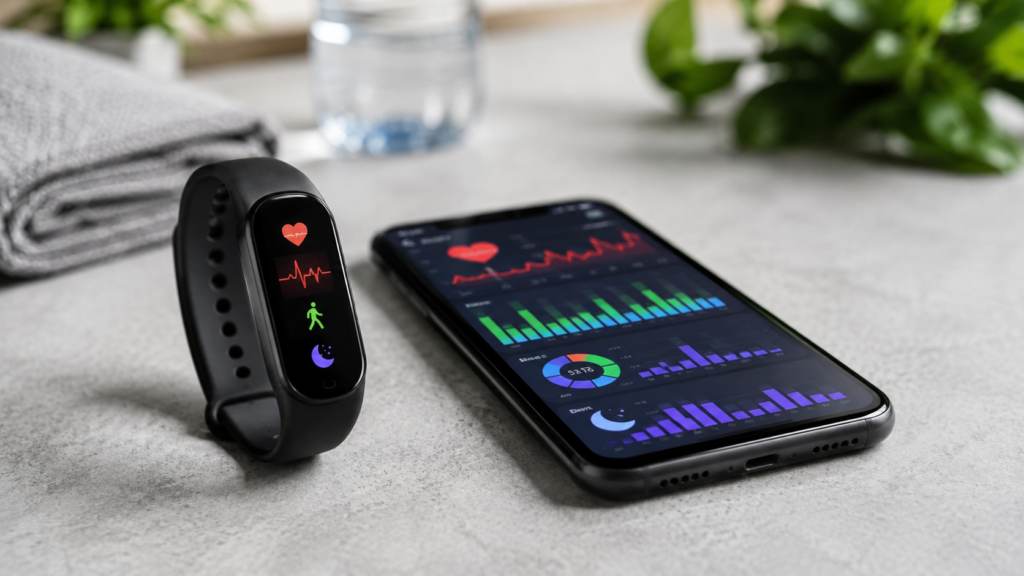
7 Proven Steps to Choose Smart Rings for Corporate Wellness Programs in 2026
Choosing the right smart rings for corporate wellness programs involves evaluating seven critical areas: hardware specifications, data privacy, vendor procurement terms, integration capabilities, compliance certifications, scalability, and total cost of ownership. This guide, written for corporate procurement teams, provides a decision framework to select wearable devices that improve employee health outcomes while protecting company data. Unlike consumer reviews, this evaluation focuses on B2B sourcing criteria that impact program success and long-term ROI.
Table of Contents
Table of Contents
Table of Contents
- Direct Answer: What Corporate Buyers Need to Know
- Key Takeaways for Procurement Teams
- Key Facts for Buyers
- Step 1: Define Program Objectives and Health Metrics
- Step 2: Evaluate Sensor Accuracy and Data Quality
- Step 3: Scrutinize Data Privacy and Security Architecture
- Step 4: Assess Vendor Procurement Terms and OEM Flexibility
- Step 5: Verify Compliance with International Standards
- Step 6: Plan for Scalability and Employee Support
- Step 7: Calculate Total Cost of Ownership
- Comparison Table: Smart Ring Options for Corporate Wellness
- Common Mistakes and Buyer Red Flags
- Practical Buyer Checklist
- FAQ: Smart Rings for Corporate Wellness
- Conclusion
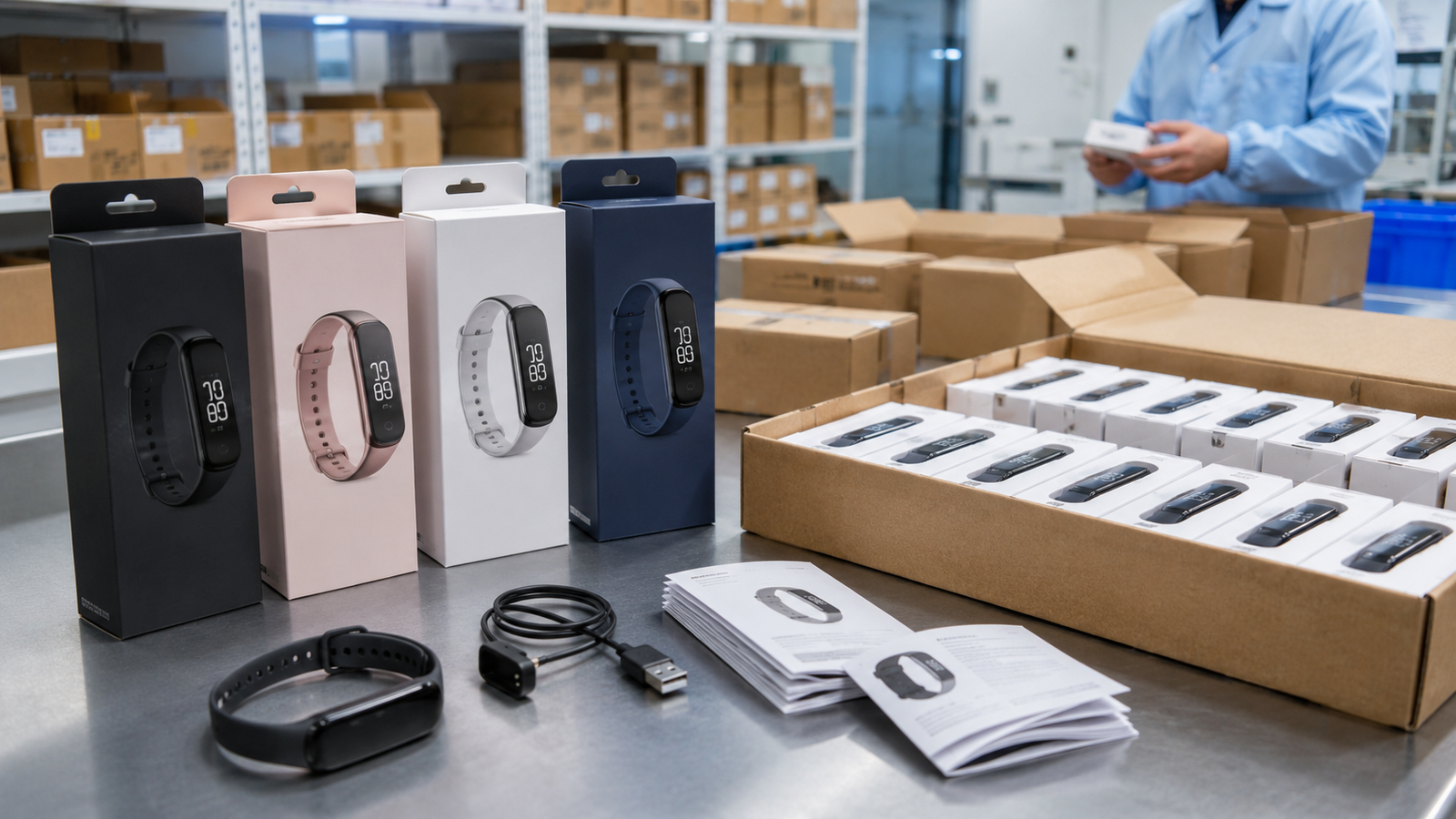
Direct Answer: What Corporate Buyers Need to Know
To select smart rings for corporate wellness, prioritize devices with validated sleep and recovery tracking, robust data encryption, and clear compliance pathways (e.g., CE, FCC). Request samples for pilot testing, verify the vendor’s OEM/ODM capabilities, and model total cost of ownership over three years. The goal is a scalable program that employees trust and that delivers measurable health insights.

Key Takeaways for Procurement Teams
- Align device features with measurable health goals like sleep improvement or stress reduction.
- Demand transparent data policies—especially regarding GDPR, HIPAA, and data residency.
- Evaluate vendors on OEM flexibility, minimum order quantities (MOQs), and lead times.
- Verify product certifications for your target markets; requirements vary by configuration.
- Run a pilot with a representative employee group before committing to a full rollout.
- Budget for total cost: hardware, software subscriptions, support, and replacement.
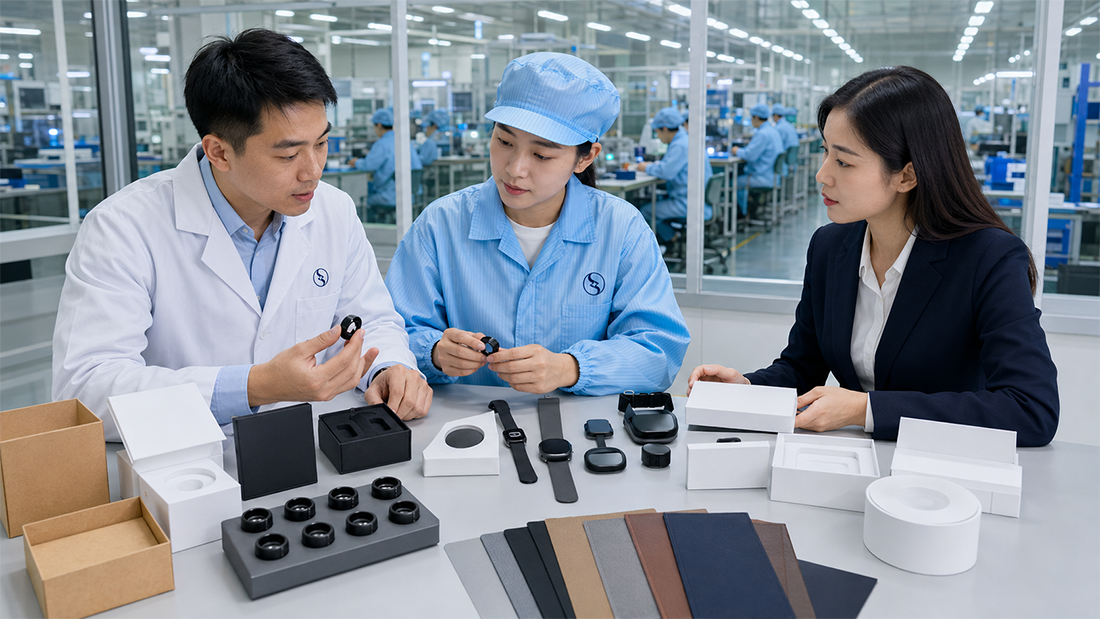
Key Facts for Buyers
| Factor | Typical Consideration for Corporate Wellness |
|---|---|
| Primary Health Metrics | Sleep stages, heart rate variability (HRV), resting heart rate, activity |
| Data Privacy | On-device processing, anonymization, GDPR/CCPA compliance |
| Battery Life | 4–7 days typical; prioritize low-maintenance for employees |
| Materials | Hypoallergenic, durable for daily wear |
| Sizing | Multiple sizes needed; consider sizing kits for distribution |
| App Integration | iOS/Android compatibility; potential API for HR platforms |
| Certifications | CE, FCC, RoHS, UN38.3 (for battery); varies by market |
| MOQ | Often 500–1,000 units for OEM; lower for private label |
| Lead Time | 4–8 weeks for standard, 8–12 weeks for custom |
| Cost | $30–$100 per unit (depends on features, order volume) |
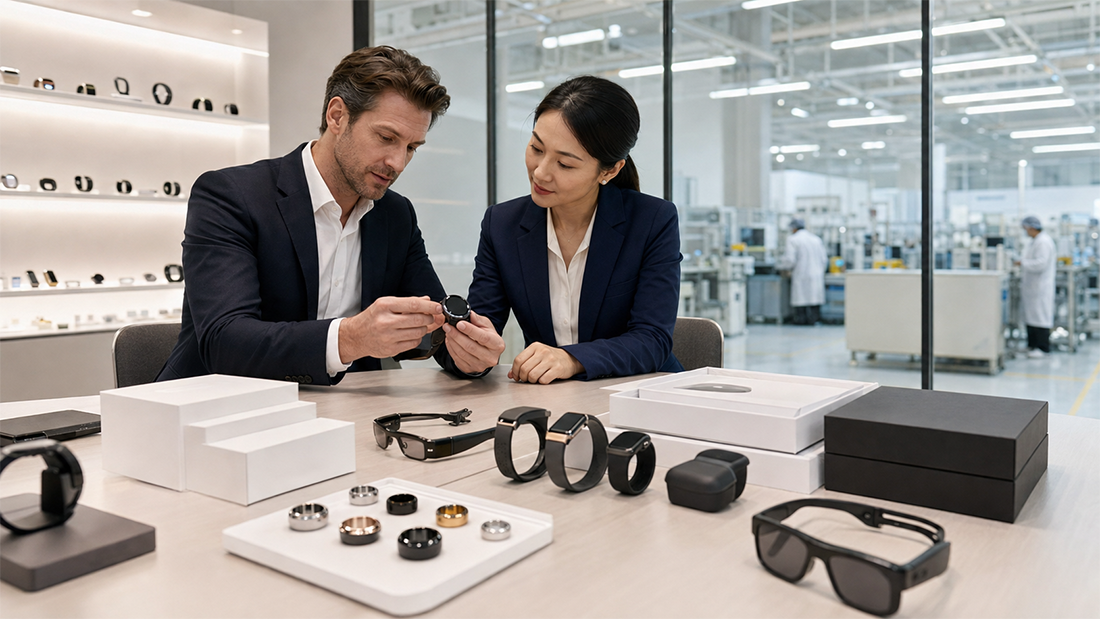
Step 1: Define Program Objectives and Health Metrics
Before evaluating any hardware, corporate procurement teams must define what the wellness program aims to achieve. Objectives drive device requirements. For example, a program focused on reducing burnout might prioritize sleep and recovery tracking, while a fitness challenge program needs accurate step and heart rate data.
Common corporate wellness goals include improving sleep quality, increasing physical activity, reducing stress, and monitoring recovery. Each goal maps to specific sensors and metrics: sleep tracking requires accelerometer and heart rate sensors; stress management may leverage heart rate variability (HRV).
Involve HR and legal teams early to establish acceptable data use policies. This step ensures that the selected smart rings for corporate wellness align with organizational values and legal boundaries.
Step 2: Evaluate Sensor Accuracy and Data Quality
Sensor accuracy determines the credibility of your wellness program. If employees notice inconsistent readings, engagement drops. Procurement teams should request validation data from vendors, ideally from independent studies or internal benchmarks.
Key sensors in smart rings include:
- Photoplethysmography (PPG) for heart rate and blood oxygen (SpO2)
- Accelerometer and gyroscope for movement and sleep stages
- Temperature sensors for cycle tracking and fever detection
Ask vendors how they handle motion artifacts during exercise and how algorithms differentiate sleep stages. For B2B use, consistency across a diverse workforce matters more than absolute precision for niche metrics.
Consider requesting a pilot sample to test accuracy against a medical-grade reference device in a small employee group. This hands-on evaluation reveals real-world performance.
Step 3: Scrutinize Data Privacy and Security Architecture
Data privacy is non-negotiable for corporate wellness programs. Employees must trust that their health data will not be misused. Procurement teams should evaluate:
- Where data is stored and processed (on-device vs. cloud)
- Encryption standards in transit and at rest
- Compliance with regulations like GDPR, CCPA, and HIPAA (if applicable)
- Data ownership and deletion policies
- Access controls for employer dashboards
Ask vendors for their data processing agreements and security certifications (e.g., ISO 27001). Some smart ring providers offer anonymized aggregate data for employers while keeping individual data private—a model that often increases employee participation.
Ensure the vendor clarifies whether health data can be used for any purpose beyond the wellness program. Transparency here protects your company from legal and reputational risks.
Step 4: Assess Vendor Procurement Terms and OEM Flexibility
Corporate procurement teams often need customization: company branding, specific app features, or integration with existing HR platforms. Evaluate the vendor’s OEM/ODM capabilities, including:
- Logo and packaging customization
- Firmware or app modifications
- API availability for data export to third-party systems
- MOQ and lead time flexibility
- Sample development process and costs
For a pilot, you may start with a small order of standard devices. For a full rollout, private label options can reinforce your brand. Discuss tooling ownership and intellectual property (IP) rights upfront—especially if you fund custom mold development.
A reliable partner like STAR KING’s private label program can guide you through these decisions, offering flexibility from small pilots to large-scale deployments.
Step 5: Verify Compliance with International Standards
Smart rings contain batteries and wireless transmitters, so they must comply with regional regulations. Common requirements include:
- CE marking for the European Union (Radio Equipment Directive, EMC, etc.)
- FCC certification for the United States (Part 15 for unintentional radiators)
- RoHS for hazardous substance restrictions
- UN38.3 for lithium battery transport safety
- MSDS for battery shipping documentation
Certification requirements typically depend on the product configuration and target market. Buyers should verify the vendor’s test reports and certificates. Do not assume a device is certified for all regions; check specific documentation for each market you plan to distribute in.
For official reference, consult the FCC website and the EU CE marking guidelines.
Step 6: Plan for Scalability and Employee Support
A corporate wellness program may start with 100 employees and scale to thousands. Your chosen smart ring solution must support this growth without added complexity. Consider:
- Device management platforms for bulk provisioning
- Customer support for employees (onboarding, troubleshooting)
- Replacement process for lost or defective units
- Warranty terms and spare parts availability
Ask vendors about their capacity to handle large orders and their lead time planning. A vendor with a robust supply chain can commit to delivery schedules, which is critical for program timelines.
Also, plan for employee education. Even the best device fails if employees don’t wear it. Support materials, webinars, and a clear FAQ can boost adoption.
Step 7: Calculate Total Cost of Ownership
Total cost of ownership (TCO) goes beyond the unit price. Include:
- Hardware cost per unit
- Shipping and import duties
- Software subscription fees (if any)
- Integration costs with HR systems
- Ongoing support and replacement
- Program administration
Model TCO over three years. A lower-priced device may incur higher support costs or require frequent replacement. Conversely, a premium device might offer better durability and longer battery life, reducing long-term expenses.
Request detailed quotes that break down these costs. For a more accurate estimate, request a sample and quote tailored to your volume.
Comparison Table: Smart Ring Options for Corporate Wellness
| Feature | Basic Model | Advanced Model | Custom OEM Model |
|---|---|---|---|
| Sleep Tracking | Basic stages | Detailed stages + HRV | Customizable algorithms |
| Heart Rate Monitoring | Yes | Yes, with variability | Yes, with app integration |
| Battery Life | 5 days | 7 days | Depends on configuration |
| Data Privacy | Cloud-based | On-device processing option | Custom data policy |
| App Integration | Standard app | API available | Full white-label app |
| MOQ | 500 units | 1,000 units | Negotiable |
| Certifications | CE, FCC | CE, FCC, RoHS | Market-specific |
| Cost (est.) | $40 | $70 | $90+ |
Common Mistakes and Buyer Red Flags
Avoid these pitfalls when sourcing smart rings for corporate wellness:
- Ignoring data privacy: Failing to review the vendor’s data policies can lead to legal issues and employee distrust.
- Assuming universal certification: Certifications are region-specific. Always verify for your target markets.
- Overlooking scalability: A vendor that cannot scale may delay your program.
- Choosing on price alone: Cheap devices often lack accuracy, durability, or support.
- No pilot testing: Skipping a pilot risks widespread dissatisfaction.
Red flags include vendors who cannot provide test reports, are vague about data handling, or demand large upfront payments without a sample.
Practical Buyer Checklist
- Define program goals and required health metrics.
- Request sensor accuracy validation data.
- Review data privacy and security documentation.
- Clarify OEM/ODM options, MOQs, and lead times.
- Verify certifications for each target market.
- Assess vendor scalability and support.
- Calculate total cost of ownership over three years.
- Order samples for a pilot test.
FAQ: Smart Rings for Corporate Wellness
What health metrics can smart rings track for employees?
Most smart rings track sleep stages, heart rate, heart rate variability, step count, and sometimes blood oxygen and temperature. These metrics support wellness goals like sleep improvement and stress management. They are not medical devices and should not be used for diagnosis.
How do we ensure employee data privacy?
Choose a vendor that offers on-device data processing, encryption, and clear data ownership policies. Ensure compliance with relevant regulations (e.g., GDPR) and consider anonymized data sharing for employer dashboards.
What is the typical MOQ for corporate orders?
MOQs vary by vendor and customization level. Standard models may have MOQs of 500–1,000 units, while fully custom OEM projects may require higher volumes or tooling investment. Discuss your needs with the vendor.
Are smart rings certified for use in all countries?
No. Certifications like CE and FCC are region-specific. You must verify that the product meets requirements for each country where you plan to distribute. Certifications depend on the final product configuration.
How long does it take to receive a bulk order?
Lead times typically range from 4–8 weeks for standard orders and 8–12 weeks for custom OEM projects, depending on order volume and customization complexity.
Can we customize the smart ring with our company logo?
Yes, many manufacturers offer logo customization on the ring and packaging. Some also provide app branding and custom firmware. Discuss options and minimum quantities with your vendor.
What support is available for employees after deployment?
Support varies by vendor. Look for onboarding materials, troubleshooting guides, and warranty terms. Some vendors offer dedicated B2B support channels.
Conclusion
Selecting smart rings for corporate wellness programs requires a structured evaluation of health metrics, data privacy, vendor capabilities, compliance, scalability, and cost. By following these seven steps, procurement teams can choose a solution that engages employees and delivers measurable ROI. Always pilot test before a full rollout and verify all certifications for your target markets.
Ready to evaluate smart rings for your workforce? Explore our smart ring solutions or request samples to start your pilot. For custom branding and integration, discuss your project with our OEM team.
Discuss Your Smart Wearable OEM/ODM Project
Planning a smart ring, smart watch, smart band, AI glasses, AI translator, or AI voice mouse project? Contact STAR KING to discuss product positioning, sample testing, customization scope, certification requirements, lead time, and quotation details.

Team Star King

Scan WhatsApp QR code
Leave a Reply