
Smart Bands for Private Label in the EU: 7 Critical Steps to a Compliant and Profitable Launch
November 21, 2026 · Team Star King
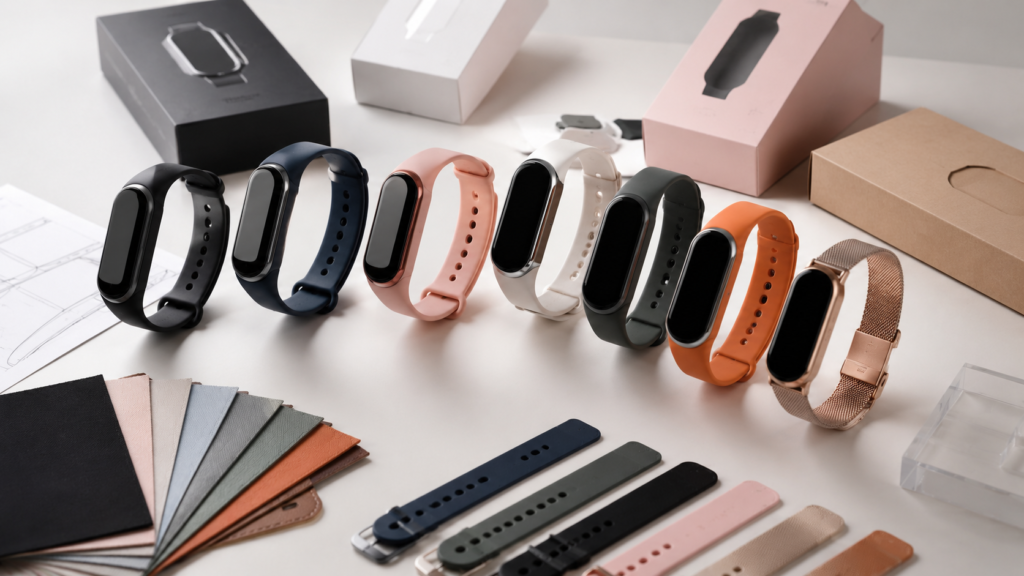
Smart Bands for Private Label in the EU: 7 Critical Steps to a Compliant and Profitable Launch
Entering the European smart band market with a private-label product offers strong potential, but success requires more than selecting a good-looking device. Smart bands for private label must meet EU safety, EMC, and radio equipment regulations, and they need a supply chain that supports customization, quality control, and reliable delivery. This guide outlines seven critical steps to help private-label brands evaluate suppliers, ensure compliance, and launch a profitable wearable line in the EU.
Table of Contents
Table of Contents
smart bands for private label: Table of Contents
- Short Answer
- Key Takeaways
- Key Facts for Buyers
- Step 1: Define Your Target Market and Product Requirements
- Step 2: Select the Right OEM/ODM Partner
- Step 3: Understand MOQs and Cost Drivers
- Step 4: Plan for Compliance and Certification
- Step 5: Implement Quality Control and Testing
- Step 6: Customize for Your Brand
- Step 7: Manage Logistics and After-Sales Support
- Common Mistakes and Buyer Red Flags
- Practical Buyer Checklist
- FAQ
- Conclusion
- Request Samples
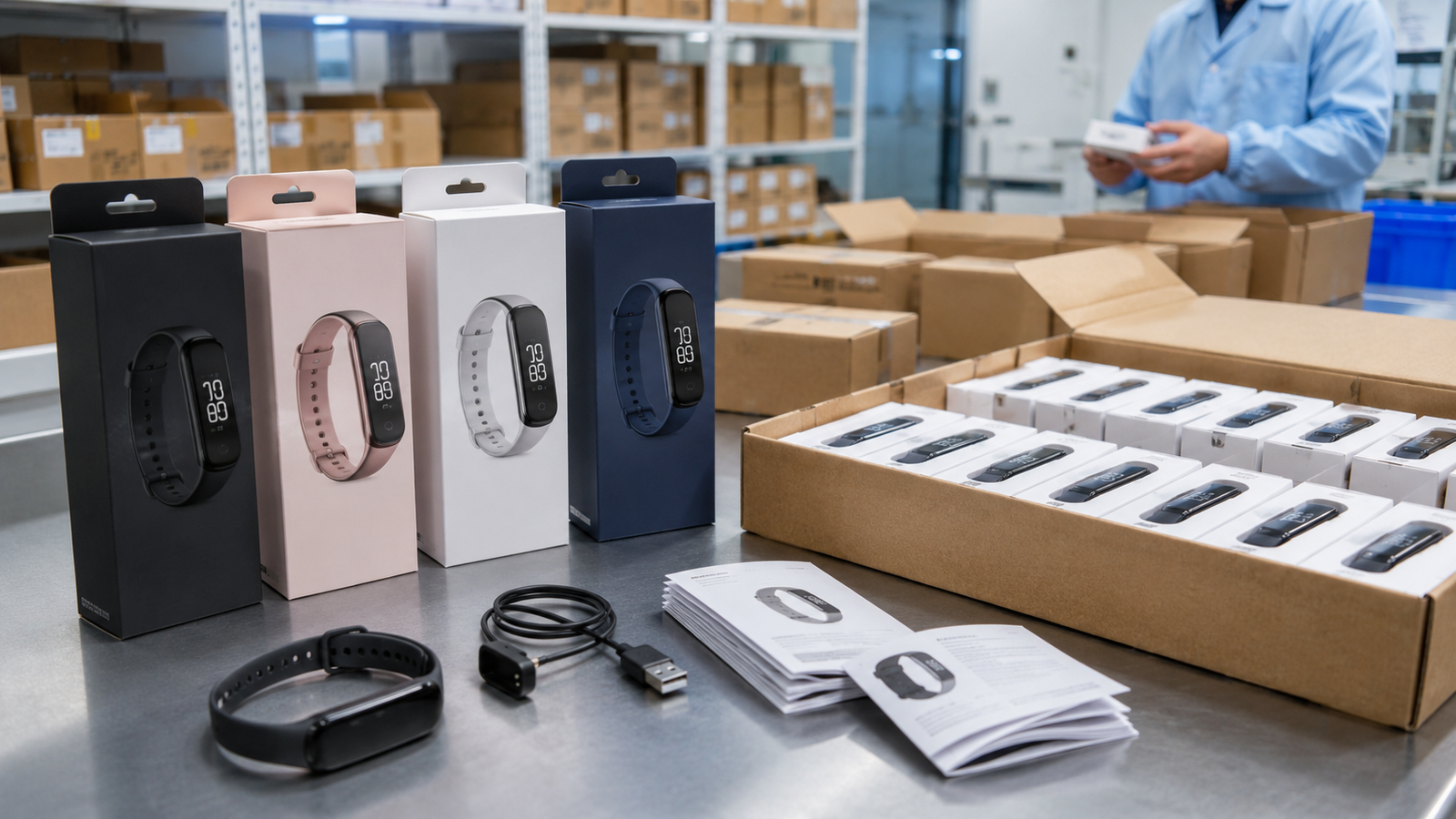
Short Answer
To launch smart bands for private label in the EU, you need a manufacturing partner that can provide CE-marked products, support customization, and offer transparent MOQs and lead times. Start by defining your market, verifying supplier capabilities, and planning for compliance testing early to avoid delays and extra costs.

Key Takeaways
- EU market entry requires compliance with CE, RoHS, WEEE, and REACH regulations; plan certification before production.
- Choosing an experienced OEM/ODM partner with EU market knowledge reduces risks and speeds up time-to-market.
- MOQs vary; negotiate based on your sales forecast and consider phased orders to manage cash flow.
- Quality control is critical; request pre-shipment inspections and test reports.
- Customization options (logo, packaging, app) help differentiate your brand but may impact cost and lead time.

Key Facts for Buyers
| Factor | Typical Range / Consideration |
|---|---|
| Compliance | CE marking (RED, EMC, LVD), RoHS, WEEE, REACH; battery UN38.3 for transport. |
| MOQ | 500–1,000 units for standard models; higher for custom colors/packaging. |
| Lead Time | 30–60 days for standard OEM; 45–90 days for full ODM/customization. |
| Certification Cost | €2,000–€5,000 per model for CE testing, depending on features. |
| Customization Options | Logo, packaging, app UI, firmware, sensors (HR, SpO2), battery life. |
| Warranty | 12 months standard; extendable with agreement. |
Step 1: Define Your Target Market and Product Requirements
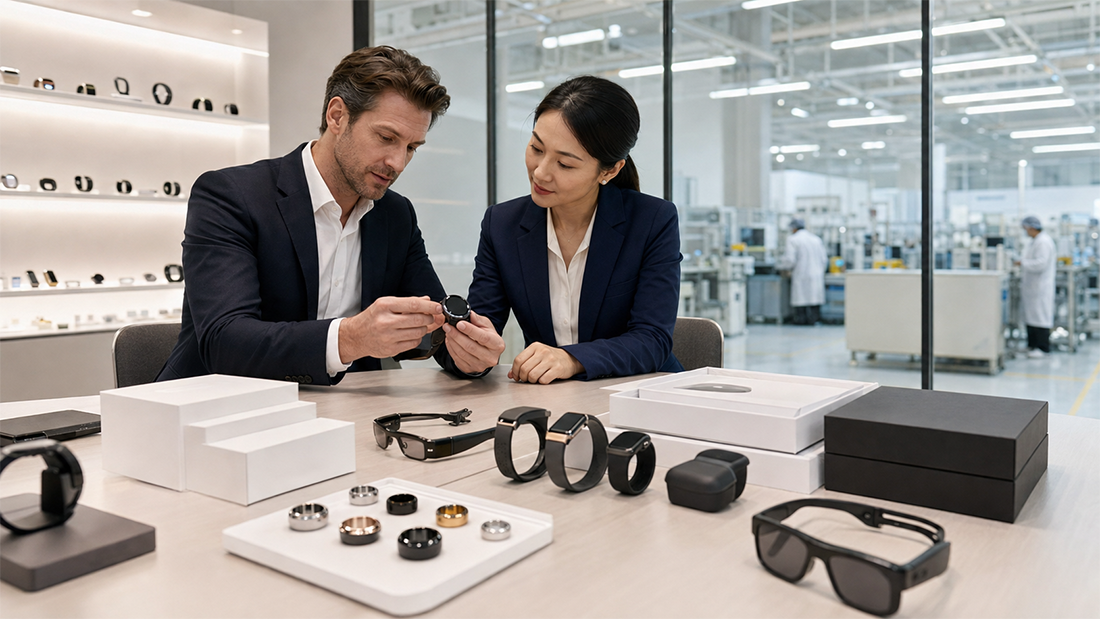
Before contacting suppliers, clarify your target segment within the EU. Are you focusing on fitness enthusiasts, corporate wellness programs, or senior care? Each requires different features. For instance, fitness tracking demands accurate step and heart rate monitoring, while senior health monitoring may prioritize fall detection and long battery life. Also, research local regulations: the EU Radio Equipment Directive (RED) 2014/53/EU is mandatory for devices with wireless connectivity. The CE marking process typically involves testing by an accredited lab and drafting a Declaration of Conformity. Ensure your product requirements include necessary certifications from the start.
Step 2: Select the Right OEM/ODM Partner
Your manufacturer should have experience with EU compliance and offer both OEM (you provide design) and ODM (they provide design) services. Look for suppliers with in-house testing capabilities, documented quality management (e.g., ISO 9001), and a track record of exporting to the EU. Request references or case studies. When evaluating private label OEM/ODM partners, ask about their firmware customization capabilities—this affects how easily you can integrate your brand’s app. Also, confirm whether they handle certification or require you to arrange it. A reliable partner will guide you through the process and provide test reports.
Step 3: Understand MOQs and Cost Drivers
MOQs for smart bands typically start at 500 units for standard models, but can be higher for custom colors or packaging. Costs are influenced by features: heart rate monitoring, SpO2, GPS, battery life, and display type. For EU buyers, factor in certification costs (€2,000–€5,000 per model), shipping, and import duties. Request a detailed quotation that breaks down unit price, tooling (if custom), certification, and packaging. Consider a phased approach: start with a smaller pilot order to test the market, then scale up. For more on planning, see our OEM/ODM solutions.
Step 4: Plan for Compliance and Certification
EU compliance is non-negotiable. Smart bands are subject to the Radio Equipment Directive (RED), EMC Directive, and RoHS Directive. Additionally, the WEEE Directive requires registration for electronic waste recycling, and REACH restricts hazardous substances. Batteries must comply with the EU Battery Directive and UN38.3 for transport. Start the certification process early: testing can take 4–8 weeks. Work with a manufacturer that provides pre-compliance testing and documentation. Note that certification requirements depend on the specific product configuration and target market; confirm with your supplier and a compliance specialist.
Step 5: Implement Quality Control and Testing
Quality issues can damage your brand reputation. Implement a quality control plan that includes pre-production sample approval, in-process inspections, and pre-shipment inspections. Request test reports for battery safety, drop testing, and waterproofing (if applicable). A reputable manufacturer will have documented procedures and allow third-party inspections. For smart bands, key tests include: battery cycle life, sensor accuracy, and software stability. Consider aging tests to identify early failures.
Step 6: Customize for Your Brand
Customization is what makes private label unique. Options include logo printing on the band and packaging, custom app UI, and firmware tweaks (e.g., language settings, data display). Some manufacturers offer tooling development for unique designs, but this increases cost and lead time. For a faster launch, choose from existing designs and apply your branding. Ensure your supplier can provide the necessary files for app store submission if you have a custom app.
Step 7: Manage Logistics and After-Sales Support
Shipping smart bands with lithium batteries requires compliance with UN38.3 and IATA regulations. Work with a logistics partner experienced in battery shipping. Clarify Incoterms (e.g., FOB, CIF, DDP) and lead times. After-sales support is critical: agree on warranty terms (typically 12 months), spare parts availability, and a return process. A good manufacturer will provide technical support and firmware updates.
Common Mistakes and Buyer Red Flags
- Skipping compliance planning: Assuming the manufacturer’s existing certifications cover your private-label product; you may need to re-certify under your brand.
- Underestimating MOQs: Ordering too small a quantity can lead to higher unit costs; negotiate a pilot run.
- Ignoring quality control: Not inspecting goods before shipment can result in defective units and returns.
- Choosing a supplier without EU experience: They may not understand CE marking or documentation requirements.
- Over-customizing initially: Custom tooling can be expensive and delay launch; start with simple branding.
Practical Buyer Checklist
- Define target market and required features.
- Verify supplier’s EU compliance experience and request test reports.
- Confirm MOQ, lead time, and payment terms.
- Clarify who handles certification and associated costs.
- Request pre-production samples and approve them.
- Arrange pre-shipment inspection.
- Plan logistics for battery shipping.
- Agree on warranty and after-sales support.
Buyers can also review STAR KING Smart Bands OEM/ODM options to compare product positioning, customization scope, and sample planning.
FAQ
1. What certifications are required for smart bands in the EU?
Smart bands typically require CE marking under the Radio Equipment Directive (RED), EMC Directive, and RoHS Directive. Additionally, WEEE registration and REACH compliance apply. Battery transport requires UN38.3. Confirm specific requirements with your supplier and a compliance expert.
2. What is the typical MOQ for private label smart bands?
MOQs usually range from 500 to 1,000 units for standard models. Custom colors or packaging may increase MOQ. Some suppliers offer lower MOQs for pilot orders.
3. How long does it take to get CE certification for a smart band?
Testing and documentation typically take 4–8 weeks, depending on the lab and product complexity.
4. Can I customize the app for my private label smart band?
Yes, many OEM/ODM suppliers offer app customization, including UI changes and branding. This may affect cost and lead time.
5. What are the common pitfalls when sourcing smart bands from China?
Common pitfalls include underestimating compliance costs, not verifying supplier credentials, and neglecting quality inspections. Always request samples and test reports.
6. How do I handle warranty and after-sales service?
Agree on warranty terms (typically 12 months) and a return process. Ensure the supplier provides spare parts and technical support.
7. What is the lead time for a private label smart band order?
Lead time varies from 30 to 60 days for standard OEM and up to 90 days for full customization. Plan accordingly.
Conclusion
Launching smart bands for private label in the EU is achievable with careful planning and the right manufacturing partner. By following these seven steps, you can navigate compliance, control costs, and deliver a quality product that meets European standards. Remember to start compliance early, verify your supplier, and maintain rigorous quality control.
Request Samples
Ready to explore smart bands for your private label? Request samples from STAR KING to evaluate quality and discuss customization options. Our team can guide you through the compliance process and provide tailored solutions for the EU market.
Useful Official References for Buyers
- FCC equipment authorization guidance
- European Commission CE marking information
- Bluetooth SIG specifications
Discuss Your Smart Wearable OEM/ODM Project
Planning a smart ring, smart watch, smart band, AI glasses, AI translator, or AI voice mouse project? Contact STAR KING to discuss product positioning, sample testing, customization scope, certification requirements, lead time, and quotation details.

Team Star King

Scan WhatsApp QR code
Leave a Reply