
smart watches for education technology: Smart Watches for EdTech: 7 Proven OEM Sourcing Steps for US Buyers
November 20, 2026 · Team Star King

Smart Watches for Education Technology: 7 Proven OEM Sourcing Steps for US Buyers
For US education technology companies, sourcing smart watches for education technology means finding an OEM partner who can deliver student-safe, FCC-compliant wearables at scale, on schedule, and within budget. This guide walks procurement teams through seven proven steps—from defining use cases and verifying suppliers to testing samples, confirming compliance, and planning mass production—so you can move from specification to signed purchase order with fewer surprises and stronger negotiating leverage.
Table of Contents
Table of Contents
smart watches for education technology: Table of Contents
- Short Answer
- Key Takeaways
- Key Facts for Buyers
- Step 1: Define the Educational Use Case and Feature Set
- Step 2: Screen Suppliers with a Verification Framework
- Step 3: Choose the Right Engagement Model (OEM vs. ODM vs. Private Label)
- Step 4: Negotiate MOQ and Understand Pricing Drivers
- Step 5: Validate Samples and Run Pilot Tests
- Step 6: Confirm FCC and Safety Compliance for the US Market
- Step 7: Lock In Lead Times, Packaging, and After-Sales Support
- OEM vs. ODM vs. Private Label Comparison
- Common Mistakes and Buyer Red Flags
- Practical Buyer Checklist
- FAQ
- Conclusion
Short Answer
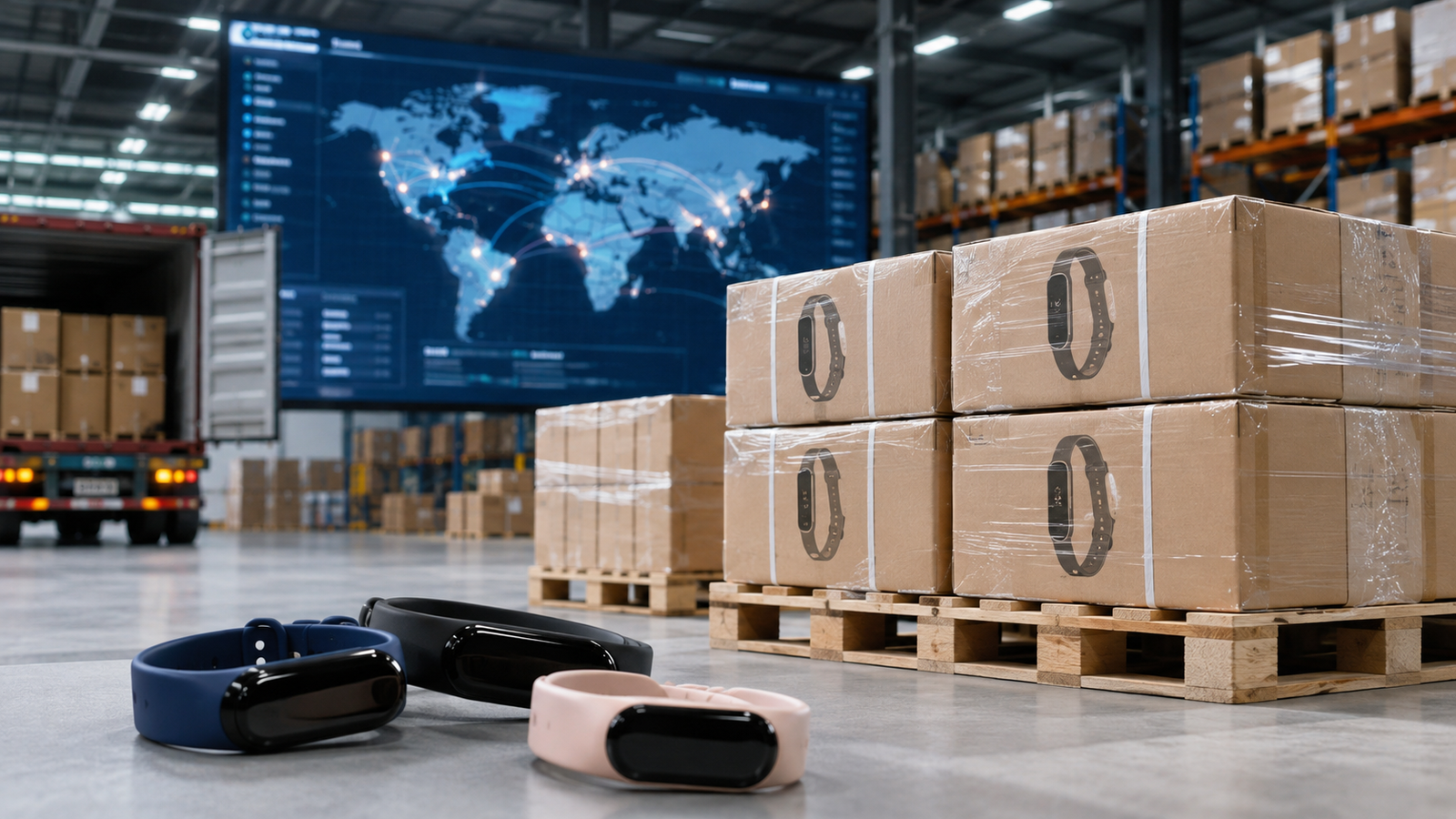
To source smart watches for education technology in the US, start by defining the student or teacher use case, then verify suppliers through documentation and audits, select the right OEM or ODM model, negotiate MOQ based on realistic rollout volumes, test samples against your requirements, and confirm FCC and battery safety compliance before committing to mass production. A structured seven-step process reduces risk and shortens time-to-market.
Key Takeaways
- Education technology buyers should prioritize smart watches with robust app integration, classroom management features, and durable designs suitable for K-12 or higher education environments.
- Supplier verification goes beyond price lists—request business licenses, factory audit reports, and references from other EdTech clients.
- MOQ and lead time are negotiable but depend on customization depth; plan for 8–12 weeks for production after sample approval.
- FCC certification is mandatory for smart watches with Bluetooth or Wi-Fi sold in the US; confirm the supplier’s test reports and FCC ID.
- Pilot deployments with a small batch help validate device performance and student acceptance before scaling.

Key Facts for Buyers
| Factor | Typical Range / Consideration |
|---|---|
| MOQ (standard ODM model) | 500–1,000 units [STAR KING TO CONFIRM] |
| MOQ (custom OEM) | 1,000–3,000 units, depending on tooling and firmware changes [STAR KING TO CONFIRM] |
| Lead time (samples) | 7–15 days after specification sign-off |
| Lead time (mass production) | 30–60 days after sample approval and deposit [STAR KING TO CONFIRM] |
| FCC certification | Required for devices with RF transmitters; supplier should provide FCC ID and test reports |
| Battery shipping | UN38.3 test summary and MSDS required for lithium-ion batteries |
| Warranty | 12 months standard; extended terms negotiable |
Step 1: Define the Educational Use Case and Feature Set
Before contacting suppliers, map out exactly how the smart watches will be used. Education technology deployments vary widely: some schools need basic fitness and notification devices for physical education, while others require GPS tracking for field trips, two-way communication for safety, or integration with learning management systems (LMS).
Key questions to answer
- Will the watches be used by students, teachers, or both?
- What age group? This affects screen size, durability, and parental control features.
- Do you need cellular connectivity, or is Bluetooth/Wi-Fi sufficient?
- Must the device integrate with an existing MDM (mobile device management) or LMS platform?
- What battery life is acceptable? A full school day (8–10 hours) is a common baseline.
Document these requirements in a feature prioritization matrix. This will be your reference for evaluating suppliers and samples. For a deeper look at wearable technology trends in education, see our business and education display solutions.
Step 2: Screen Suppliers with a Verification Framework
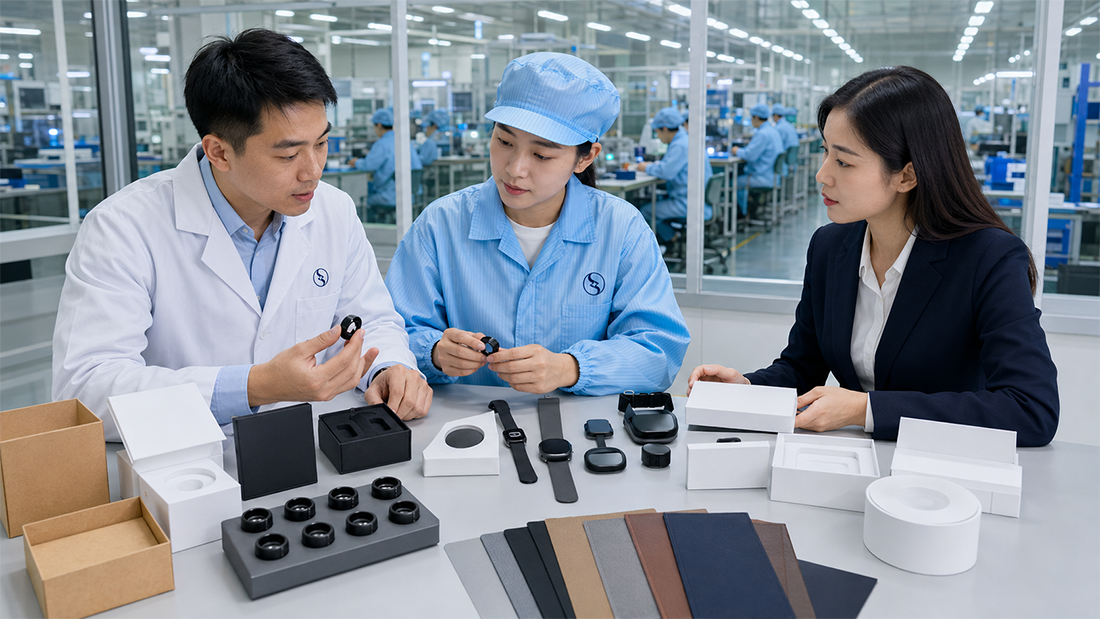
Not all smart watch manufacturers are equipped to serve EdTech clients. Use a structured verification framework to separate capable OEMs from trading companies.
Documents to request
- Business license and export license
- ISO 9001 quality management certificate
- Factory audit reports (e.g., BSCI, Sedex, or third-party inspections)
- FCC, CE, and RoHS test reports for similar models
- Product liability insurance certificate
Questions to ask
- How many years have you been manufacturing smart watches?
- Can you share references from education or corporate wellness clients?
- Do you have in-house firmware and app development teams?
- What is your annual production capacity?
Cross-check claims with video tours or third-party audit reports. For a comprehensive supplier evaluation checklist, refer to our private label OEM/ODM solutions page.
Step 3: Choose the Right Engagement Model (OEM vs. ODM vs. Private Label)
Your choice of engagement model affects cost, timeline, and differentiation. Here’s a comparison to guide your decision.
ODM (Original Design Manufacturer)
The supplier offers a ready-designed smart watch that you can brand with your logo and packaging. Fastest path to market, lowest upfront investment, but limited differentiation.
OEM (Original Equipment Manufacturer)
You provide specifications, and the supplier manufactures to your design. Requires tooling investment and longer development time, but yields a unique product.
Private Label
A subset of ODM where you apply your brand to an existing product with minimal changes. Suitable for pilot programs or budget-constrained rollouts.
For most EdTech companies launching their first wearable, starting with ODM or private label and transitioning to OEM for subsequent generations is a pragmatic approach. Explore our smart watches product range to see available ODM platforms.
Step 4: Negotiate MOQ and Understand Pricing Drivers
MOQ is not arbitrary—it reflects the supplier’s setup costs, component minimums, and production efficiency. Understanding the drivers helps you negotiate effectively.
Factors that influence MOQ
- Customization depth: Logo printing on an existing model may require 500 units; custom tooling may require 2,000+ units.
- Component minimums: LCD displays, sensors, and batteries often have their own MOQs from sub-suppliers.
- Packaging: Custom retail packaging typically adds 500–1,000 units to the MOQ.
- Firmware changes: Minor app branding is easier than deep firmware customization.
Price per unit decreases with volume, but don’t overlook total landed cost: freight, duties (smart watches may fall under HTS 8517.62 or 9102 depending on function—buyers should verify with a customs broker), and inventory carrying costs.
If your rollout is phased, negotiate a blanket order with scheduled releases to meet MOQ while aligning with budget cycles.
Step 5: Validate Samples and Run Pilot Tests
Never proceed to mass production based on photos alone. Request pre-production samples that match your final specifications.
Sample testing checklist
- Functionality: Test all sensors (heart rate, SpO2, accelerometer), Bluetooth pairing, app connectivity, and battery life.
- Durability: Check water resistance (IP67 or IP68 rating claimed?), drop resistance, and screen scratch resistance.
- User experience: Evaluate interface intuitiveness for students and teachers.
- App integration: Confirm compatibility with iOS and Android, and test any custom app features.
Run a pilot with 20–50 devices in a real classroom or school environment for 2–4 weeks. Collect feedback on comfort, battery life, and ease of use. This step often reveals issues that lab testing misses.
Step 6: Confirm FCC and Safety Compliance for the US Market
Smart watches with Bluetooth or Wi-Fi are intentional radiators and require FCC certification before sale in the United States. The supplier should provide an FCC ID and test reports from an accredited lab. Verify the FCC ID on the FCC ID database.
Additionally, lithium-ion batteries must comply with UN38.3 for transportation and may require MSDS documentation. For more on battery safety, see the IEC standards for secondary batteries.
If your smart watch includes health monitoring features (e.g., heart rate), avoid making medical claims unless the device has FDA clearance. For general wellness devices, ensure labeling aligns with FDA’s general wellness policy.
Always confirm certification status for the specific model you are purchasing—certifications are product-specific and may not cover customizations.
Step 7: Lock In Lead Times, Packaging, and After-Sales Support
Production lead time typically starts after sample approval and receipt of deposit. For smart watches, expect 30–60 days for mass production, depending on component availability and order size [STAR KING TO CONFIRM].
Packaging considerations
- Custom retail boxes with your branding
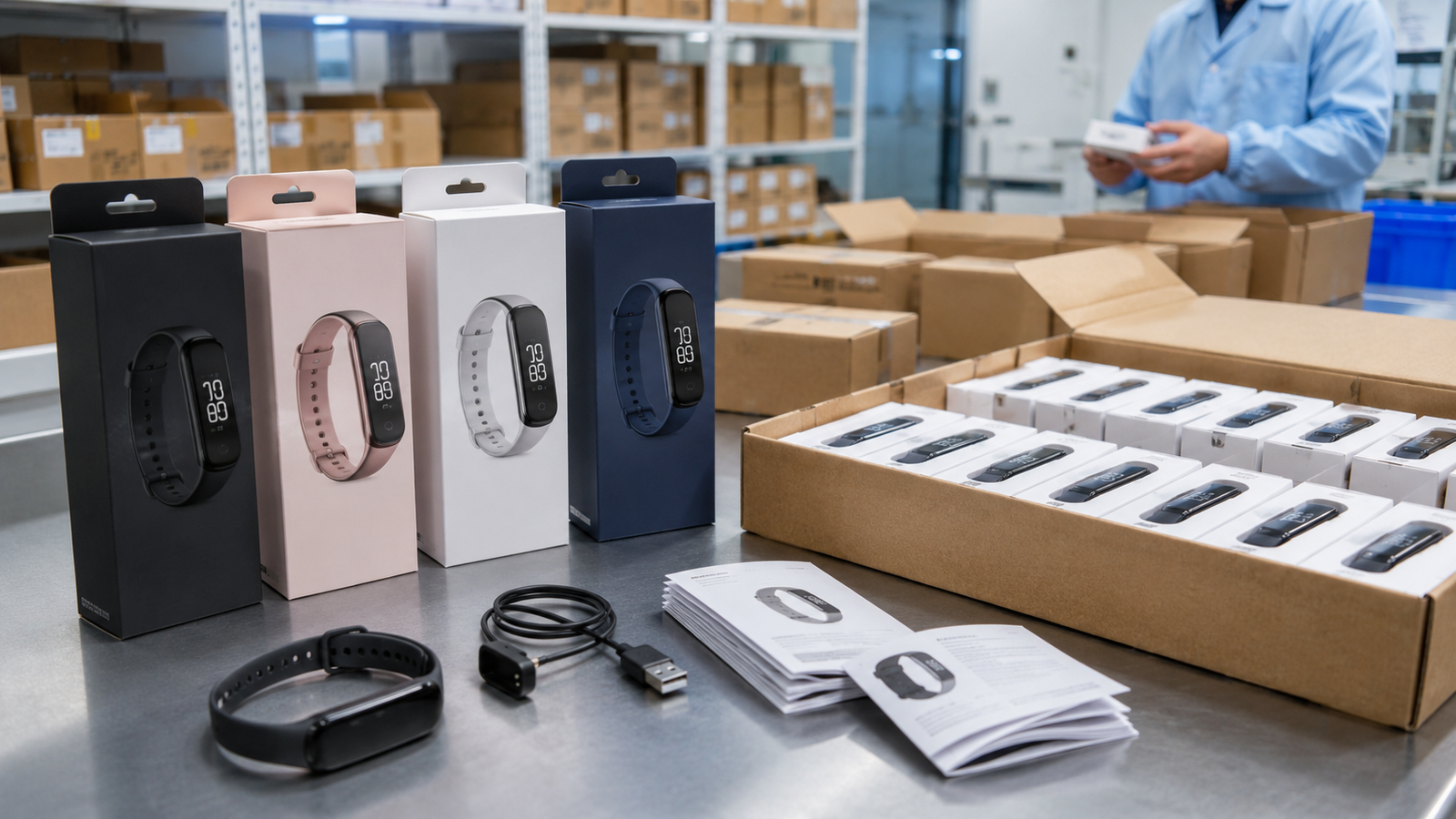
- User manuals compliant with US requirements (English, safety warnings)
- Accessories: charging cable, quick start guide
After-sales terms
- Warranty period (typically 12 months)
- Spare parts availability (screens, batteries, straps)
- RMA process and repair turnaround time
- Firmware update support
Clarify these points in the purchase contract to avoid disputes later.
OEM vs. ODM vs. Private Label Comparison
| Factor | OEM | ODM | Private Label |
|---|---|---|---|
| Customization | High (design, firmware, app) | Medium (logo, packaging, minor firmware) | Low (logo, packaging) |
| Upfront investment | High (tooling, development) | Low to medium | Low |
| Time to market | 6–12 months | 2–4 months | 1–3 months |
| MOQ | 1,000–3,000+ units | 500–1,000 units | 500–1,000 units |
| Differentiation | High | Low to medium | Low |
| Best for | Established brands with unique requirements | EdTech companies launching first wearable | Pilot programs or budget-constrained rollouts |
Common Mistakes and Buyer Red Flags
Mistakes to avoid
- Choosing on price alone: Low quotes often hide inferior components or missing certifications.
- Skipping sample testing: Relying on spec sheets without hands-on validation.
- Ignoring total landed cost: Freight, duties, and tariffs can significantly impact budget.
- Underestimating app integration: Ensure the supplier can support your app or provide a customizable SDK.
- Not clarifying IP ownership: For OEM projects, confirm that tooling and design IP transfer to you.
Red flags
- Supplier cannot provide FCC ID or test reports.
- No factory audit or refuses video tour.
- Extremely low MOQ with high customization promises (often a sign of a trading company, not a manufacturer).
- Pressure to pay full amount upfront.
Practical Buyer Checklist
- ☐ Defined use case and feature priorities
- ☐ Supplier verification documents collected and reviewed
- ☐ Engagement model selected (OEM/ODM/Private Label)
- ☐ MOQ and pricing negotiated, landed cost calculated
- ☐ Samples tested against requirements
- ☐ Pilot deployment completed with feedback
- ☐ FCC ID and test reports verified
- ☐ Battery UN38.3 and MSDS documents received
- ☐ Lead time and production schedule confirmed
- ☐ Packaging and branding approved
- ☐ Warranty and after-sales terms documented
- ☐ Contract reviewed and signed
For a soft transition to the next step, consider how our blog resources can help you stay updated on wearable trends and sourcing strategies.
FAQ
What is the typical MOQ for smart watches for education technology?
MOQ varies by model and customization. For standard ODM models, MOQ often ranges from 500 to 1,000 units. Custom OEM projects may require 1,000 to 3,000 units. Confirm with your supplier based on your specific requirements.
How long does FCC certification take for a smart watch?
FCC certification typically takes 2–4 weeks once the device is finalized and tested by an accredited lab. Ensure the supplier includes FCC testing in the project timeline.
Can smart watches be integrated with school management systems?
Yes, many smart watches offer SDKs or APIs for integration. Discuss your LMS or MDM requirements with the supplier early to assess feasibility and cost.
What battery certifications are needed for shipping smart watches to the US?
Lithium-ion batteries require UN38.3 test summary and MSDS for air and sea freight. Some carriers may also require additional documentation.
How do I verify a supplier’s FCC certification?
Request the FCC ID and search the FCC ID database to confirm the grantee and product details.
What warranty is standard for OEM smart watches?
12 months is common. Negotiate extended warranty or spare parts availability based on your deployment scale.
Should I choose OEM or ODM for my first EdTech wearable?
ODM or private label is often faster and less risky for a first launch. Transition to OEM for later generations once you have validated demand and gathered user feedback.
Conclusion
Sourcing smart watches for education technology requires a disciplined approach that balances functionality, compliance, cost, and timeline. By following these seven steps—defining use cases, verifying suppliers, selecting the right engagement model, negotiating MOQ, testing samples, confirming FCC compliance, and locking in production terms—you can mitigate risks and build a reliable supply chain for your EdTech wearable program.
STAR KING CTA
Ready to discuss your smart watch OEM/ODM project? Request a quotation or ask for product samples to evaluate specifications and customization options. Our team can guide you through certification requirements and production planning for the US education market.
Discuss Your Smart Wearable OEM/ODM Project
Planning a smart ring, smart watch, smart band, AI glasses, AI translator, or AI voice mouse project? Contact STAR KING to discuss product positioning, sample testing, customization scope, certification requirements, lead time, and quotation details.

Team Star King

Scan WhatsApp QR code
Leave a Reply