
AI Voice Mouse Supplier Guide: 5 Checks for Middle East EdTech Buyers
October 12, 2026 · Team Star King
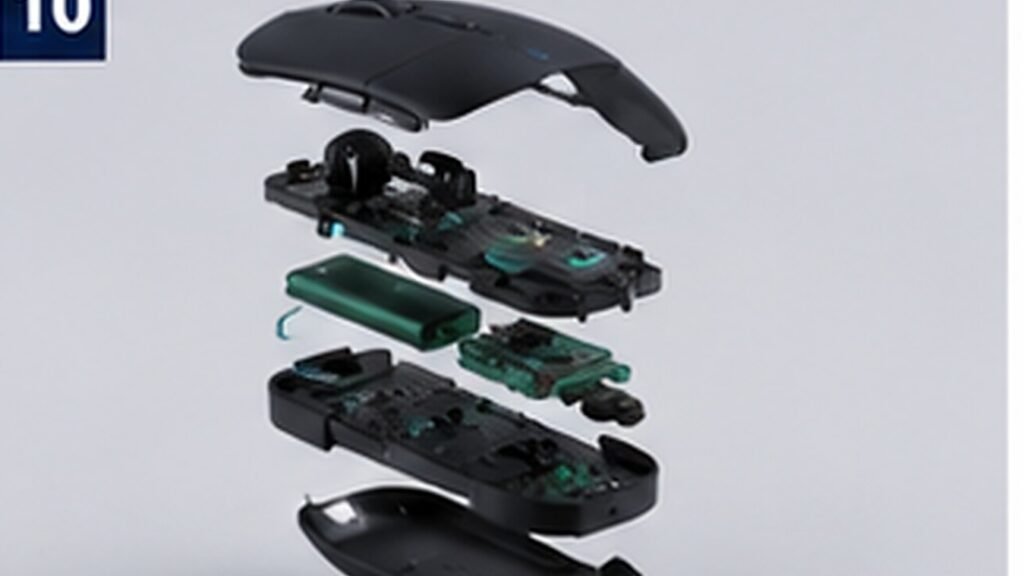
AI Voice Mouse Supplier Guide: 5 Checks for Middle East EdTech Buyers
An AI voice mouse supplier for Middle East education technology companies should be evaluated on five practical checks: Arabic speech recognition accuracy, OEM customization depth, MOQ and landed cost, compliance documentation, and sample-to-mass-production consistency. The device itself is only half the decision — the other half is whether the supplier can support Arabic language performance, education procurement terms, and repeatable quality. This guide is written for EdTech buyers, distributors and corporate procurement teams who are comparing suppliers, not just reading a spec sheet.
Table of Contents
Table of Contents
If you are shortlisting factories now, it helps to compare the product page specification against the supplier questionnaire in this article, and then pressure-test both with a real sample. For a closer look at the hardware itself, see the AI voice mouse product specifications.
Table of Contents
- Short Answer
- Key Takeaways
- Key Facts for Buyers
- What Is an AI Voice Mouse and Why It Matters for Arabic-Speaking Classrooms
- 5 Selection Checks for an AI Voice Mouse Supplier
- Supplier Comparison Table: What to Score Before You Order
- OEM, ODM or Private Label: Which Model Fits an EdTech Rollout
- Common Mistakes and Buyer Red Flags
- Practical Buyer Checklist
- FAQ
- Conclusion
Short Answer
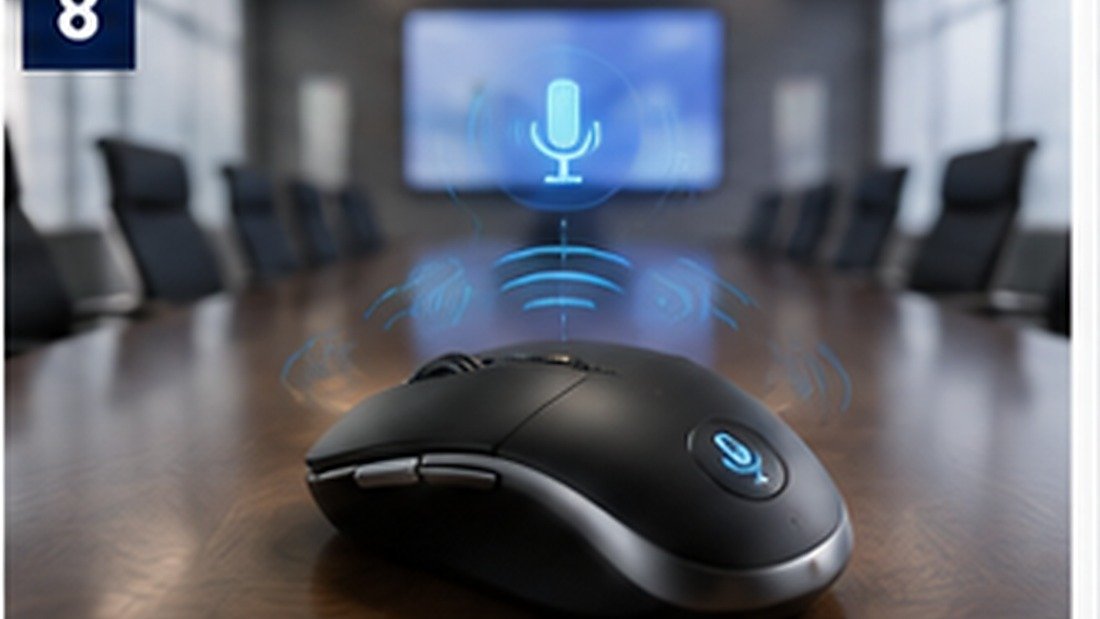
Choose an AI voice mouse supplier by testing Arabic dictation on your own lesson content, confirming that firmware and voice models can be customized for your deployment, and verifying MOQ, pricing tiers, compliance files and warranty in writing. Suppliers that cannot provide documented test data, clear certification scope statements, or a realistic sample timeline should be removed from the shortlist. Price alone is a weak selection signal in this category because voice accuracy and firmware stability determine classroom usability.
Key Takeaways
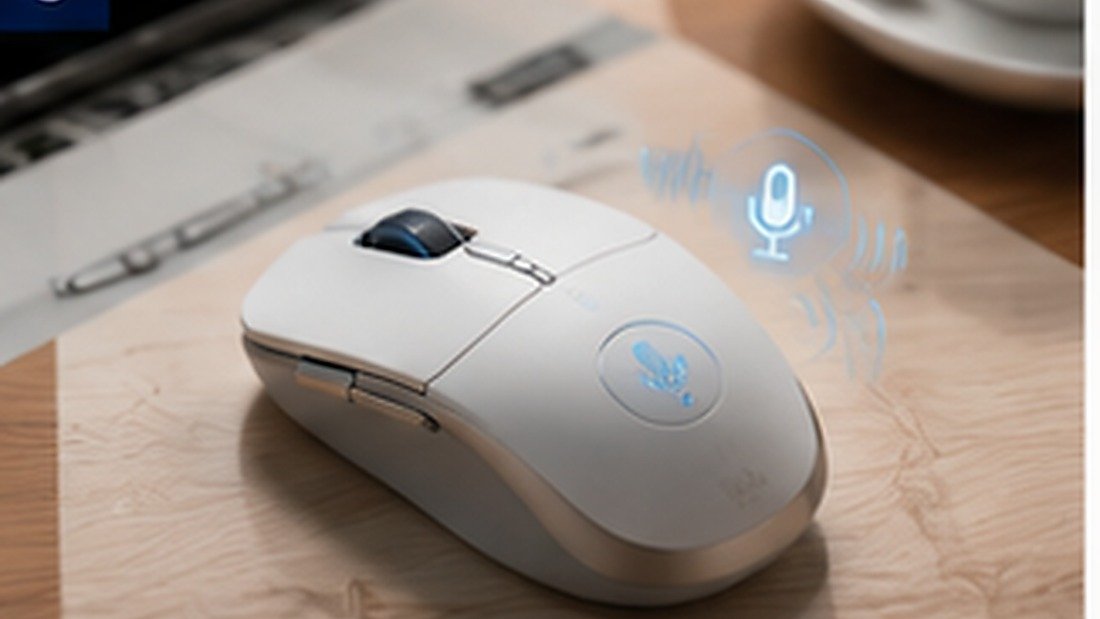
- Arabic accuracy, not English demo quality, is the most important functional test for Middle East EdTech buyers.
- Confirm whether voice engines are on-device, cloud-based, or hybrid, because this affects privacy, connectivity requirements and recurring cost.
- MOQ, tooling and packaging customization usually drive the first real cost gap between suppliers — ask for a written quotation matrix.
- Certification scope varies by configuration and destination; treat CE, FCC, RoHS and battery documentation as configuration-specific claims.
- A controlled 30–60 day sample test with teacher feedback is cheaper than a failed mass-production order.
- App, firmware, API and MDM support determine whether the device scales across a school network.
Key Facts for Buyers
| Item | Typical Buyer Question | What to Verify |
|---|---|---|
| Languages | Does it support Arabic and English? | Test Modern Standard Arabic and the dialect your learners use; ask for supported language list |
| Speech engine | On-device or cloud? | Data flow, offline capability, subscription or API cost, latency |
| OEM options | Can we use our logo and packaging? | Logo, packaging, app skin, firmware defaults [STAR KING TO CONFIRM] |
| MOQ | What is the minimum order? | Written MOQ by SKU and by customization level [STAR KING TO CONFIRM] |
| Compliance | Which certificates apply? | Certification list by configuration and target country; verify with your importer |
| Battery | Can it ship as a standard lithium device? | UN 38.3 test summary and MSDS availability |
| Lead time | How long from PO to delivery? | Sample, tooling, mass production and shipping broken out separately [STAR KING TO CONFIRM] |
| Warranty | What happens when units fail? | Warranty period, RMA process, spare parts policy [STAR KING TO CONFIRM] |

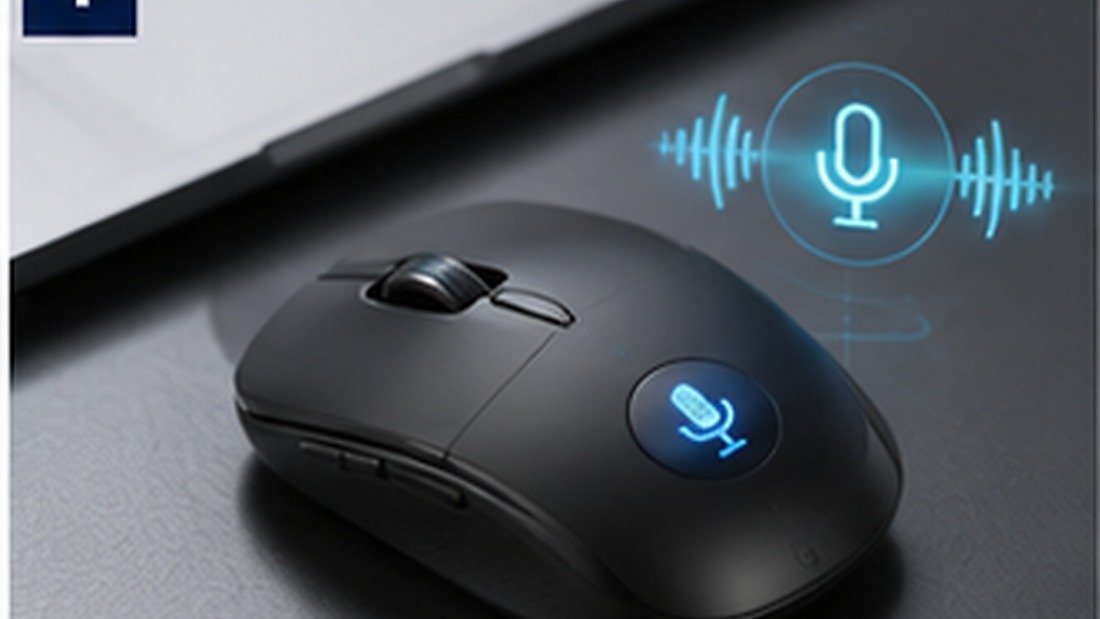
Suggested placement: after the Key Facts table. Recommended WordPress alt text: “AI voice mouse supplier setup used in a Middle East EdTech classroom”.
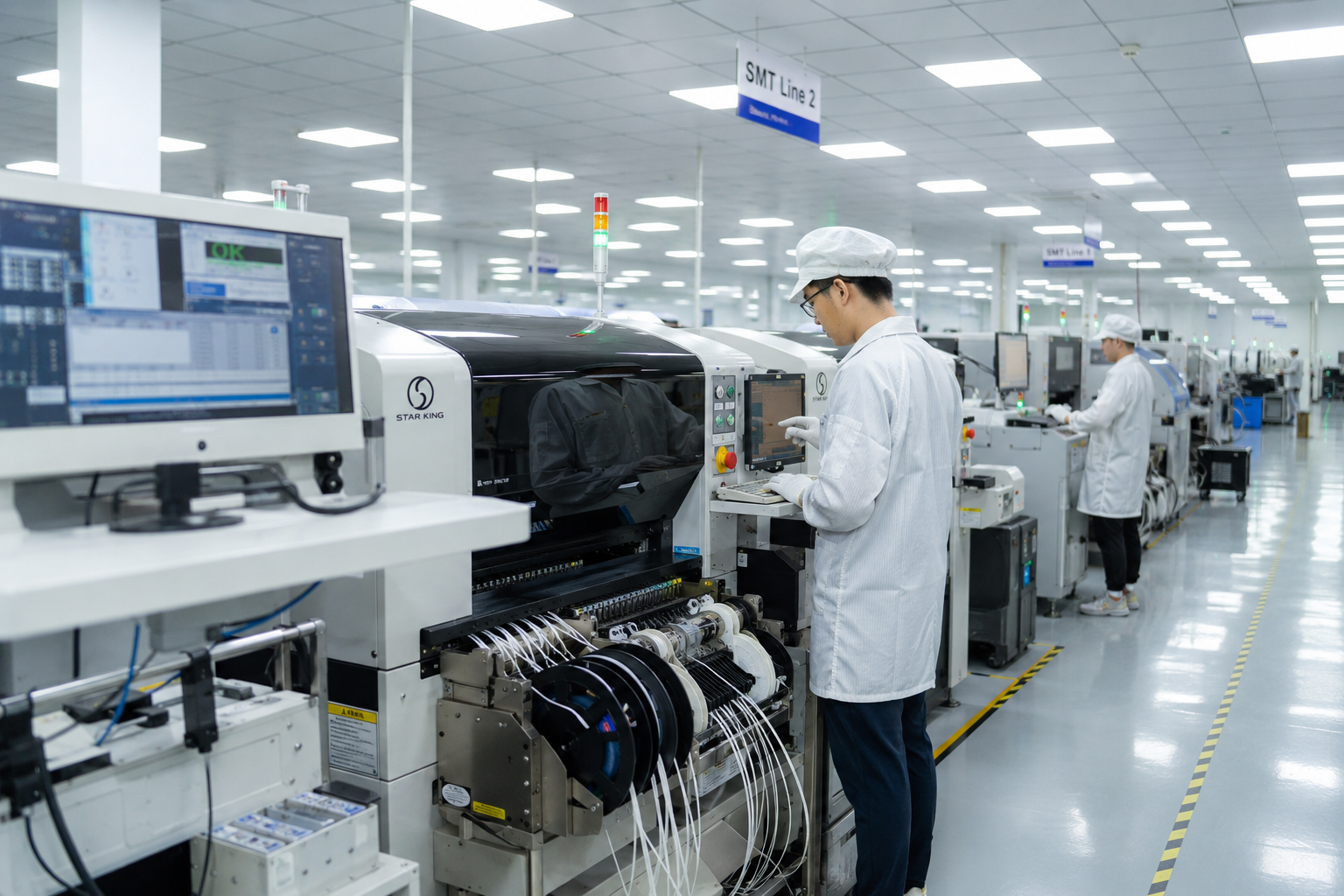
What Is an AI Voice Mouse and Why It Matters for Arabic-Speaking Classrooms
An AI voice mouse is a pointing device that combines standard cursor control with a microphone, speech recognition and, in most current designs, AI-assisted text processing. Instead of typing, a teacher or student can dictate text, trigger commands, or convert speech into structured notes. In education deployments, the practical value is less about novelty and more about removing keyboard barriers, speeding up lesson preparation, and supporting multilingual learners.
For Middle East education technology companies, the device category only works if Arabic is treated as a first-class language rather than a translated demo. Modern Standard Arabic and regional dialects differ in pronunciation, vocabulary and even code-switching behavior. Voice engines that perform well in English may degrade noticeably in Arabic dictation, punctuation, and proper nouns. Buyers should therefore test the exact language mix their users rely on, not a generic demo.
Where the Device Fits in an EdTech Deployment
- Teacher productivity: lesson planning, note-taking, and content preparation
- Inclusive learning: support for students who type slowly or require assistive input
- Language learning: dictation and pronunciation practice workflows
- Administrative use: meeting notes and transcription support
A related but distinct category is on-device translation hardware, which some institutions pair with voice input tools for multilingual environments. The AI translator product range is worth reviewing if your deployment includes cross-language communication rather than dictation alone. For broader office and school productivity use cases, see the AI office productivity solution overview.
5 Selection Checks for an AI Voice Mouse Supplier
Check 1: Arabic Voice Accuracy and Language Coverage
Ask the supplier to demonstrate Arabic dictation using your own text sample, not a prepared script. Compare error rates for Modern Standard Arabic, the dialects relevant to your market, and mixed Arabic-English sentences. Request the supported language list in writing and confirm whether language packs can be added or updated after purchase.
Verification method: score 50–100 dictated words per language across two or three sample units, and record errors consistently rather than relying on overall impressions.
Check 2: OEM Customization Depth
Most suppliers can print a logo. Fewer can customize firmware defaults, packaging inserts, companion app onboarding, or administrator settings. For EdTech rollouts, customization depth often decides whether a device can be deployed as a branded solution or must be sold as a generic accessory.
Ask specifically about: logo application method, packaging structure and language, app branding and language, firmware defaults and locked settings, and whether configuration profiles can be preloaded. Items that depend on tooling or software ownership may carry different commercial terms [STAR KING TO CONFIRM].
Check 3: MOQ, Pricing Tiers and Landed Cost
MOQ is rarely a single number. It usually changes by SKU, by customization level, and by whether new tooling is required. Buyers should request a written quotation matrix that separates unit price, tooling (if any), packaging, and shipping terms.
Landed cost includes freight, insurance, customs duty, VAT, and any local certification or testing fees. In Middle East markets, import procedures differ by country, so buyers should verify duty rates and documentation requirements with a local customs broker rather than assuming a single regional rule.
Check 4: Compliance and Documentation
An AI voice mouse is a radio and battery-containing device in many configurations, which means compliance may include radio, EMC, safety and battery requirements depending on the destination country. Do not accept a blanket statement that a product is “fully certified.” Ask for the certificate scope, the tested model number, and the issuing laboratory.
For battery-powered electronics, a UN 38.3 test summary and a material safety data sheet (MSDS) are commonly requested by carriers and customs. Buyers should confirm that the documents match the exact configuration being shipped. Certification requirements vary by country and product configuration, so confirm them with your importer or a compliance specialist before committing.
Check 5: Samples, Lead Time and Production Consistency
A sample proves the concept; production consistency proves the supplier. Ask how the supplier controls unit-to-unit variation, what changes between sample and mass production, and how firmware updates are managed after delivery.
Request a lead time breakdown covering sample preparation, tooling or customization, mass production, quality inspection, and shipping. Suppliers that give one blended number without milestones make planning harder for school-term deadlines.
If you are currently preparing a supplier shortlist, it may help to review private label and OEM/ODM support before requesting quotes, so your requirements are consistent across every supplier you contact.
Supplier Comparison Table: What to Score Before You Order
| Selection Factor | Low-Risk Signal | Warning Signal | Verification Method |
|---|---|---|---|
| Arabic accuracy | Willing to test on your content | English-only demo | Blind dictation test |
| OEM depth | Firmware, app and packaging options documented | Logo only, vague answers | Written customization list |
| MOQ and price | Tiered quotation by SKU | Single verbal price | Quotation matrix |
| Compliance | Certificate scope and model number provided | “All certified” claim | Certificate review |
| Battery documents | UN 38.3 summary and MSDS available | Documents promised later | File check before PO |
| Lead time | Milestone-based schedule | One blended number | Written timeline |
| Quality control | Inspection process described | No inspection detail | Pre-shipment inspection plan |
| After-sales | Warranty and RMA defined | No spare parts policy | Contract terms |

Suggested placement: below the supplier comparison table. Recommended WordPress alt text: “AI voice mouse supplier comparison scorecard for Middle East EdTech procurement”.
OEM, ODM or Private Label: Which Model Fits an EdTech Rollout
Education technology companies rarely have identical needs, so the right production model depends on how much control you want over hardware, software and brand.
| Model | Best For | Buyer Controls | Typical Trade-off |
|---|---|---|---|
| Private Label | Fast market entry with brand identity | Logo, packaging, basic app branding | Limited hardware differentiation |
| ODM | Buyers who need tailored features without full hardware development | Selected firmware, app and packaging changes | Depends on supplier platform flexibility |
| OEM | Buyers with defined requirements and longer timelines | Hardware, firmware, tooling, packaging | Higher investment and longer development |
For many EdTech buyers, the practical starting point is private label or light ODM, followed by deeper customization once classroom feedback confirms demand. If your organization also distributes other form factors, the smart band product line follows a similar OEM evaluation logic and can be assessed with the same checklist.
Software, App and Integration Questions to Ask
- Is speech processing on-device, cloud-based, or hybrid?
- What data leaves the device, and where is it processed?
- Can administrator settings be locked for shared classroom devices?
- Is there an API or SDK for integration with learning platforms?
- How are firmware updates delivered, and are they optional?
Privacy and data residency expectations vary across Middle East markets, so buyers should confirm local requirements with legal counsel rather than assuming a single regional standard.
Common Mistakes and Buyer Red Flags
- Testing in English only. Arabic performance is the deciding factor for most Middle East classroom deployments.
- Accepting verbal pricing. Without a written quotation matrix, MOQ and customization costs are impossible to compare.
- Treating certifications as universal. Certificate scope depends on the tested model and destination country.
- Skipping battery documentation. UN 38.3 summaries and MSDS are commonly required for lithium battery shipments.
- Ignoring firmware update policy. Devices deployed across a school network need a maintenance plan.
- Comparing samples from different configurations. Confirm that every sample matches the specification you intend to order.
- Overlooking after-sales. Warranty terms, RMA process and spare parts availability should be agreed before the purchase order.
Practical Buyer Checklist
- Arabic and English dictation tested on your own lesson content
- Supported language list confirmed in writing
- Speech engine type identified (on-device, cloud, hybrid)
- Data handling and privacy questions answered
- OEM customization list agreed (logo, packaging, app, firmware)
- Quotation matrix received with MOQ tiers and tooling costs
- Sample timeline and cost confirmed
- Compliance documents requested by configuration and destination
- Battery documentation availability checked
- Lead time broken into milestones
- Quality control and pre-shipment inspection plan reviewed
- Warranty, RMA and spare parts terms documented
- Landed cost estimated with a local customs broker
- Pilot deployment plan defined before mass production
FAQ
What MOQ should an EdTech company expect for AI voice mouse orders?
MOQ depends on the SKU and the level of customization. Standard private label orders are usually lower than fully customized OEM orders with new tooling. Ask each supplier for MOQ by configuration in writing, and confirm how it changes if you add packaging or firmware customization. [STAR KING TO CONFIRM]
How should buyers test Arabic voice accuracy before ordering?
Use your own teaching material as the test script. Dictate a fixed set of sentences in Modern Standard Arabic and the dialect your users speak, then count errors consistently across at least two sample units. Compare results between suppliers using the same script to keep the test fair.
Are CE, FCC, RoHS or battery certifications automatically included?
No. Certification requirements typically depend on the product configuration and the destination country. Ask for the certificate scope, tested model number and issuing laboratory, and verify the applicable requirements with your importer or a compliance specialist before placing a production order.
Which battery documents are usually requested for shipping?
Lithium battery shipments commonly require a UN 38.3 test summary and, in many cases, a material safety data sheet (MSDS). Carriers and customs authorities may request these documents, so confirm that they match the exact configuration you are importing.
Can the AI voice mouse be integrated with a learning management system?
Integration depends on whether the supplier offers an API or SDK and how the speech engine is architected. On-device processing may limit some cloud-based features, while cloud-based processing may raise privacy and connectivity considerations. Ask for technical documentation before assuming compatibility.
What lead time is realistic for a customized order?
Lead time normally covers sample preparation, customization or tooling, mass production, inspection and shipping. Suppliers that provide a milestone-based schedule are easier to plan around than those giving a single number, especially when your deployment is tied to a school term. [STAR KING TO CONFIRM]
How can buyers protect themselves if a shipment fails quality checks?
Agree on inspection criteria, defect thresholds and remedy options before the purchase order. A pre-shipment inspection plan, documented warranty terms and a clear RMA process reduce the risk of a failed delivery affecting your rollout schedule.
Conclusion
Selecting an AI voice mouse supplier for Middle East education deployments is a procurement decision as much as a product decision. Arabic accuracy, customization depth, MOQ transparency, compliance documentation and production consistency separate suppliers that can support a multi-year rollout from those that can only ship a first order. Score each candidate against the same criteria, test with your own content, and confirm every commercial and regulatory detail in writing before committing to mass production.
STAR KING CTA
If you are evaluating AI voice mouse suppliers for an education technology project, STAR KING can review your language requirements, customization scope and target market, then outline the available OEM/ODM options and documentation. To move from shortlist to decision, request a quotation and share your deployment details with our team: contact STAR KING sales.
Useful Official References for Buyers
- FCC equipment authorization guidance
- European Commission CE marking information
- Bluetooth SIG specifications
Discuss Your Smart Wearable OEM/ODM Project
Planning a smart ring, smart watch, smart band, AI glasses, AI translator, or AI voice mouse project? Contact STAR KING to discuss product positioning, sample testing, customization scope, certification requirements, lead time, and quotation details.

Team Star King

Scan WhatsApp QR code
Leave a Reply