
AI Translators for Healthcare in Southeast Asia: 2026 Buyer’s Guide to OEM/ODM Sourcing
October 12, 2026 · Team Star King
AI Translators for Healthcare in Southeast Asia: 2026 Buyer’s Guide to OEM/ODM Sourcing
Healthcare solution providers in Southeast Asia face a critical challenge: delivering accurate, real-time communication across dozens of languages in hospitals, clinics, and telemedicine platforms. AI translators for healthcare offer a practical solution—but sourcing the right device for your organization requires more than picking a product off a shelf. This guide walks you through 10 essential steps to evaluate, customize, and procure AI translators that meet your clinical, regulatory, and budgetary needs in 2026.
Table of Contents
Table of Contents
Table of Contents
- Short Answer: What Are AI Translators for Healthcare?
- Key Takeaways
- Key Facts for Buyers
- Step 1: Define Your Clinical Use Case and Language Pairs
- Step 2: Evaluate Hardware Specifications
- Step 3: Choose Between OEM, ODM, and Private Label
- Step 4: Understand MOQ and Pricing Factors
- Step 5: Sample Testing and Validation
- Step 6: Quality Control and Manufacturing Standards
- Step 7: Compliance and Certification for Southeast Asia
- Step 8: Lead Times and Production Planning
- Step 9: Software, App, and Firmware Considerations
- Step 10: Logistics and Battery Shipping Requirements
- Comparison Table: OEM vs. ODM vs. Private Label
- Common Mistakes and Buyer Red Flags
- Practical Buyer Checklist
- FAQ
- Conclusion
Short Answer: What Are AI Translators for Healthcare?
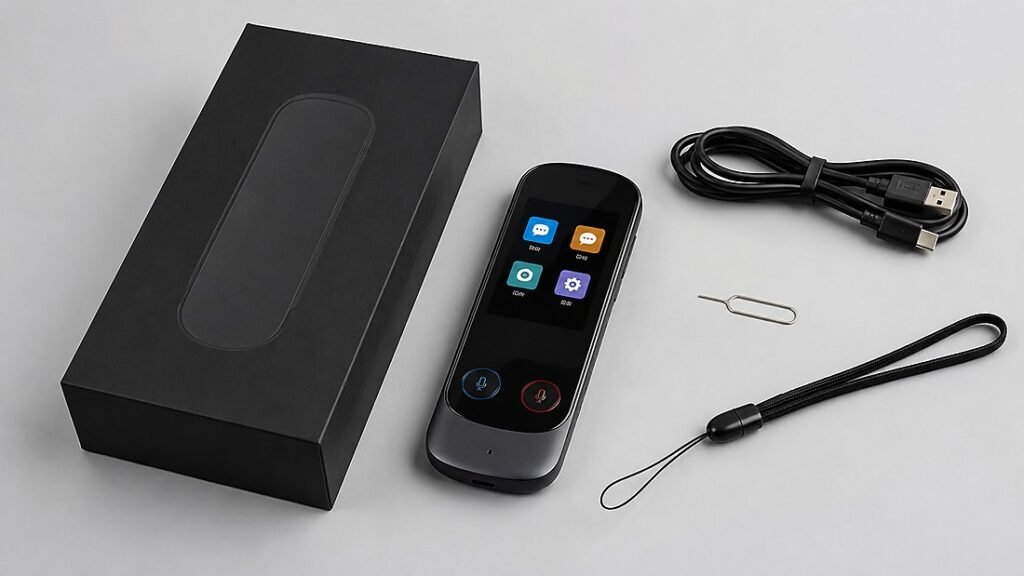
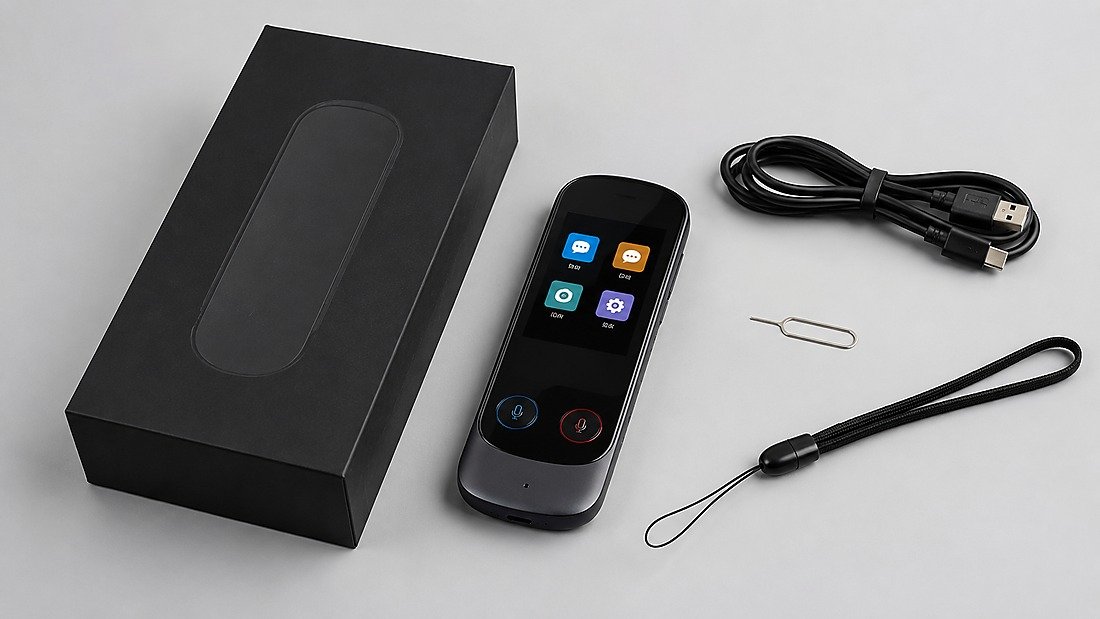
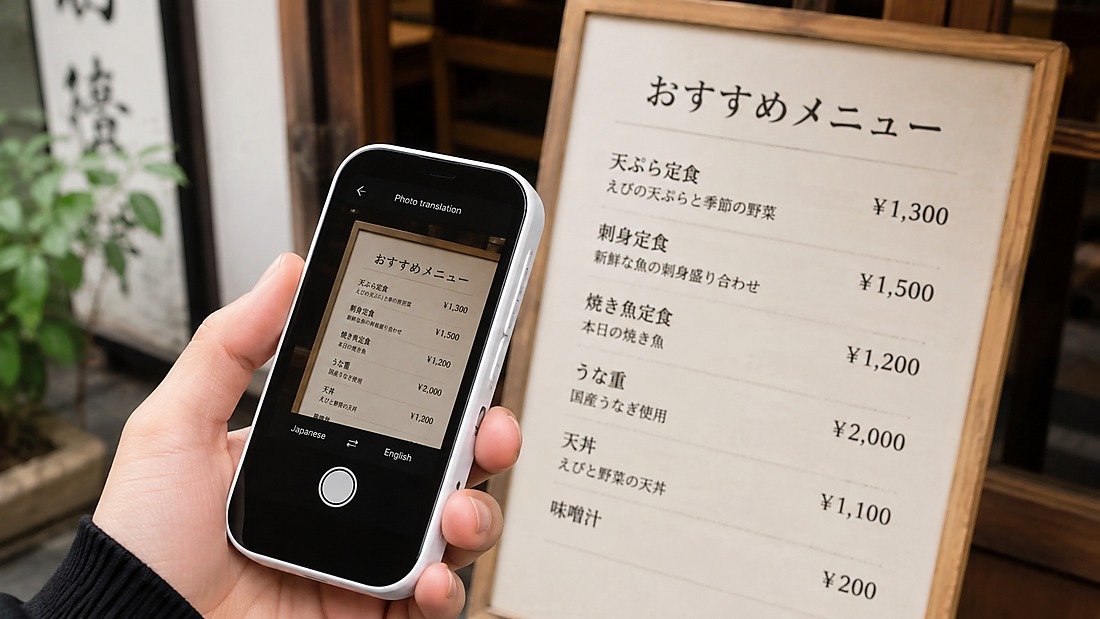
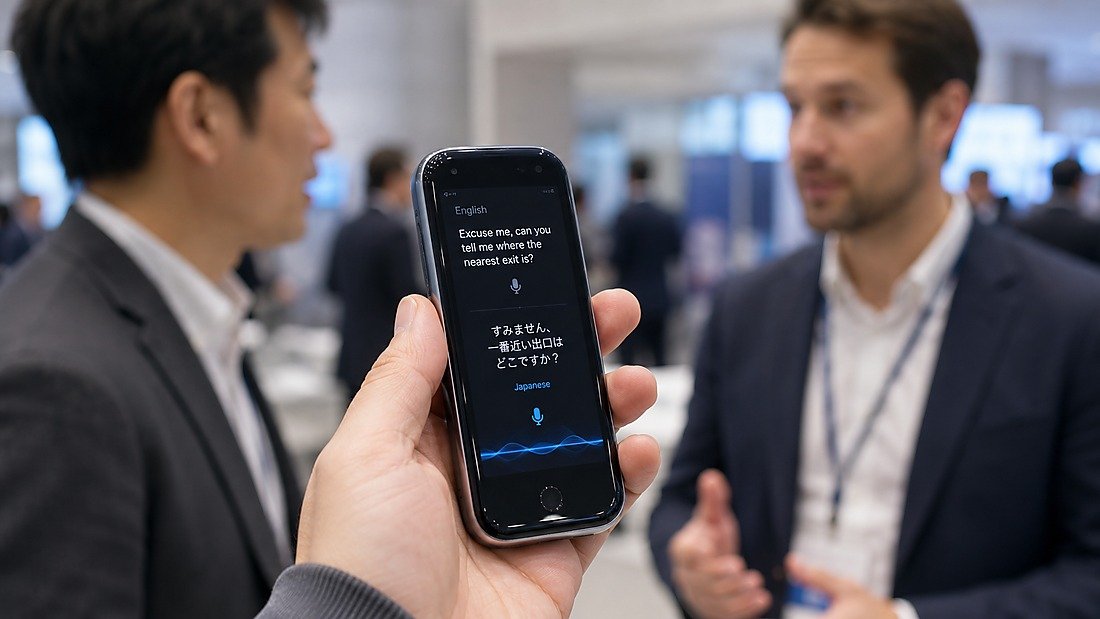
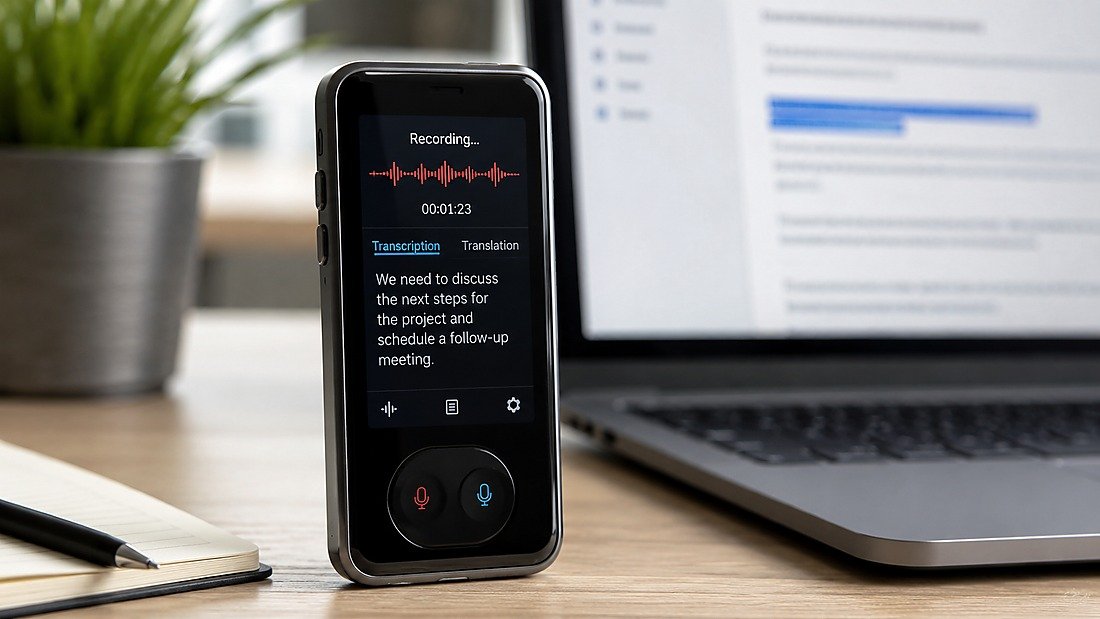
AI translators for healthcare are portable or stationary devices that use artificial intelligence to provide real-time speech translation between medical staff and patients who speak different languages. They typically support multiple language pairs, include noise-canceling microphones, and may offer HIPAA-compliant data handling. For healthcare solution providers in Southeast Asia, sourcing these devices through OEM/ODM partners allows customization for specific clinical environments and integration with existing health IT systems.
Key Takeaways
- Southeast Asia’s linguistic diversity makes AI translators essential for accurate patient communication.
- Choosing between OEM, ODM, and private label depends on your need for customization, speed, and budget.
- MOQ, unit price, and lead times are heavily influenced by hardware specifications, software features, and certification requirements.
- Compliance with local regulations (e.g., Indonesia’s MOH, Thailand’s FDA) is mandatory and may require additional testing.
- Thorough sample testing and quality control are critical to avoid patient safety risks and brand damage.
- Plan for lithium battery shipping regulations, which can affect cost and delivery schedules.
Key Facts for Buyers
| Factor | Typical Consideration |
|---|---|
| Language Pairs | Support for ASEAN languages (e.g., Bahasa, Thai, Vietnamese) and major global languages. |
| Connectivity | Wi-Fi, 4G/5G, or offline mode for remote clinics. |
| Battery Life | 8–12 hours of active translation; affects device size and weight. |
| Certification | CE, FCC, RoHS, and local health authority approvals may be required. |
| MOQ | Typically 500–1,000 units for OEM; lower for private label with standard designs. |
| Lead Time | 30–60 days for production, plus shipping and certification time. |
Step 1: Define Your Clinical Use Case and Language Pairs
Before contacting suppliers, clarify where and how the AI translator will be used. Will it be deployed in emergency rooms, outpatient clinics, telemedicine carts, or community health centers? Each setting has different requirements for portability, durability, and connectivity. For example, a device used in a rural clinic in Indonesia may need offline translation capabilities for Bahasa Indonesia and local dialects, while a hospital in Singapore might prioritize integration with electronic health records (EHR) and support for Mandarin, Malay, and Tamil.
List the specific language pairs you need. Most AI translators support major languages like English, Mandarin, and Spanish, but fewer cover less common Southeast Asian languages. Verify with potential suppliers that their device includes the languages critical to your patient population. If not, discuss the possibility of adding them through firmware updates or custom development.
Step 2: Evaluate Hardware Specifications
Hardware specifications directly affect translation accuracy, user experience, and durability. Key specs to evaluate include:
- Microphone Array: Noise-canceling microphones are essential for noisy clinical environments.
- Speaker Quality: Clear audio output ensures patients and staff can hear translations.
- Processor and Memory: Determines translation speed and ability to run advanced AI models.
- Display: A touchscreen may be needed for selecting languages or displaying text.
- Battery: Longer battery life means fewer disruptions during patient care.
- Durability: Look for IP-rated devices that can be sanitized and withstand drops.
Consider the trade-offs: higher processing power and larger batteries increase weight and cost. For portable devices, balance performance with ergonomics.
Step 3: Choose Between OEM, ODM, and Private Label
Your sourcing model determines how much control you have over the final product. Here’s a quick breakdown:
- OEM (Original Equipment Manufacturer): You provide the design and specifications; the manufacturer builds to your requirements. This offers maximum customization but requires significant investment and longer lead times.
- ODM (Original Design Manufacturer): The manufacturer offers a ready design that you can customize (e.g., branding, language packs). This is faster and more cost-effective but less unique.
- Private Label: You apply your brand to an existing product with minimal changes. This is the quickest and cheapest option but offers the least differentiation.
For healthcare solution providers, ODM or private label is often sufficient if the device meets clinical needs. However, if you require integration with proprietary software or specific hardware features, OEM may be necessary.
Step 4: Understand MOQ and Pricing Factors
Minimum order quantities (MOQs) and unit prices vary widely based on customization, order volume, and supplier. Typical MOQs for AI translators range from 500 to 1,000 units for OEM projects, while private label may start at 200–500 units. Factors that influence price include:
- Hardware specifications (processor, memory, screen).
- Software features (number of languages, offline capability).
- Customization level (logo, packaging, app).
- Certification requirements (testing and documentation add cost).
- Order quantity (economies of scale).
Always request a detailed quotation that breaks down these costs. Be wary of quotes that seem too low—they may indicate lower-quality components or missing certifications.
Step 5: Sample Testing and Validation
Before committing to a bulk order, request samples and test them thoroughly. Evaluate:
- Translation Accuracy: Test with medical terminology and in noisy environments.
- Ease of Use: Can staff operate it with minimal training?
- Battery Life: Does it last through a typical shift?
- Durability: Can it withstand disinfection protocols?
- Connectivity: Does it work reliably on your network?
Involve clinicians in the testing process—they are the end users and will spot issues that engineers might miss.
Step 6: Quality Control and Manufacturing Standards
Quality control (QC) is critical for medical-adjacent devices. Ask suppliers about their QC processes, including:
- Incoming material inspection.
- In-process checks during assembly.
- Final testing (functional, safety, reliability).
- Pre-shipment inspection (PSI) by third-party or in-house teams.
Request QC reports and certificates of conformity. If possible, visit the factory or hire a third-party inspector to audit the production line.
Step 7: Compliance and Certification for Southeast Asia
Compliance is non-negotiable in healthcare. In Southeast Asia, requirements vary by country. Commonly needed certifications include:
- CE Mark: For devices sold in or imported through Europe, often recognized in some ASEAN markets.
- FCC: For devices with wireless connectivity in the US, sometimes used as a benchmark.
- RoHS: Restricts hazardous substances, widely accepted.
- UN38.3: For lithium battery transport.
- Local Approvals: e.g., Indonesia’s Ministry of Health (MOH), Thailand’s FDA, Malaysia’s MDA. These may require additional testing and documentation.
Work with your supplier to understand which certifications are needed for your target countries. Budget for testing and certification—it can add weeks to your timeline.
Step 8: Lead Times and Production Planning
Lead times for AI translators depend on customization and quantity. A typical timeline:
- Sample development: 2–4 weeks.
- Tooling and production setup: 4–6 weeks (for OEM).
- Mass production: 30–45 days.
- Certification: 4–8 weeks.
- Shipping: 1–4 weeks depending on mode.
Plan for buffer time, especially for certifications and shipping. Communicate your deadlines clearly to the supplier and agree on milestones.
Step 9: Software, App, and Firmware Considerations
The software is what makes an AI translator useful. Key questions:
- Does the device support over-the-air (OTA) updates for adding languages or improving accuracy?
- Is there a companion app for management and data export?
- Can the device integrate with your existing systems (e.g., EHR, telemedicine platforms)?
- What data privacy measures are in place? (e.g., encryption, no cloud storage).
If you need custom software, discuss development costs and timelines with the supplier. Ensure you own or have rights to any custom code.
Step 10: Logistics and Battery Shipping Requirements
AI translators contain lithium-ion batteries, which are classified as dangerous goods for shipping. You must comply with IATA and local regulations. Key requirements:
- UN38.3 test reports for the battery.
- MSDS (Material Safety Data Sheet).
- Proper packaging and labeling.
- Use of certified freight forwarders.
These requirements can increase shipping costs and lead times. Factor them into your budget and schedule.
Comparison Table: OEM vs. ODM vs. Private Label
| Factor | OEM | ODM | Private Label |
|---|---|---|---|
| Customization | High | Medium | Low |
| Development Time | Long (months) | Short (weeks) | Very Short |
| MOQ | High (1,000+) | Medium (500–1,000) | Low (200–500) |
| Unit Cost | High | Medium | Low |
| Brand Exclusivity | High | Medium | Low |
| Best For | Unique needs | Balanced needs | Quick entry |
Common Mistakes and Buyer Red Flags
- Ignoring Local Compliance: Assuming CE is enough for all ASEAN countries.
- Overlooking Language Gaps: Not verifying support for less common local languages.
- Underestimating Battery Shipping: Failing to plan for UN38.3 and MSDS requirements.
- Skipping Sample Testing: Relying solely on spec sheets.
- Choosing Price Over Quality: Cheap devices may have poor accuracy, risking patient safety.
- No Data Privacy Agreement: Not clarifying how patient data is handled.
Red flags include suppliers who cannot provide certification documents, are vague about MOQs, or avoid sample testing.
Practical Buyer Checklist
- Define required language pairs and clinical use cases.
- Verify hardware specs (microphone, battery, durability).
- Decide on sourcing model (OEM, ODM, private label).
- Request and test samples with clinicians.
- Confirm QC processes and request reports.
- Identify required certifications for each target country.
- Plan lead times with buffer for certification and shipping.
- Clarify software updates, app support, and data privacy.
- Ensure battery shipping compliance (UN38.3, MSDS).
- Negotiate MOQ, price, and payment terms.
FAQ
What is the typical MOQ for AI translators for healthcare?
MOQs vary by supplier and customization level. For OEM projects, expect 500–1,000 units; private label may start at 200–500 units. Always confirm with your potential supplier.
Are CE and FCC certifications sufficient for Southeast Asia?
Not always. Some countries require additional local approvals (e.g., Indonesia MOH, Thailand FDA). Check with local regulatory bodies or your supplier for specific requirements.
How long does it take to get samples?
Sample lead time is typically 2–4 weeks for ODM or private label, and longer for OEM if custom tooling is needed.
Can AI translators be integrated with our existing telemedicine platform?
Yes, but integration depends on the device’s API and your platform’s capabilities. Discuss this early with the supplier to assess feasibility and cost.
What about data privacy and patient confidentiality?
Ensure the device complies with local data protection laws (e.g., PDPA in Singapore, PDPA in Thailand). Prefer devices with on-device processing or encrypted cloud transmission.
What are the shipping restrictions for lithium batteries?
Lithium batteries must comply with UN38.3 and be shipped with MSDS documentation. Use certified freight forwarders to avoid delays.
Conclusion
Sourcing AI translators for healthcare in Southeast Asia requires careful evaluation of clinical needs, hardware specs, customization options, compliance, and logistics. By following this 10-step guide, healthcare solution providers can select the right OEM/ODM partner and deliver reliable translation services that improve patient care. Start by defining your use case, then engage suppliers to discuss samples, MOQs, and certification requirements.
STAR KING offers AI Translators suitable for healthcare environments. To discuss your specific needs, request samples or a quotation at https://starkingsmartring.com/contact/request-samples/.
Soft CTA: For healthcare solution providers looking to deploy translation devices across multiple facilities, our Private Label OEM/ODM program can help you customize devices to your brand and clinical workflows.
Useful Official References for Buyers
- FCC equipment authorization guidance
- European Commission CE marking information
- Bluetooth SIG specifications
Discuss Your Smart Wearable OEM/ODM Project
Planning a smart ring, smart watch, smart band, AI glasses, AI translator, or AI voice mouse project? Contact STAR KING to discuss product positioning, sample testing, customization scope, certification requirements, lead time, and quotation details.

Team Star King

Scan WhatsApp QR code
Leave a Reply