
AI voice mouse RFQ: AI Voice Mouse for Amazon Sellers in the Middle East: 7 RFQ Checks Before You Order
November 2, 2026 · Team Star King
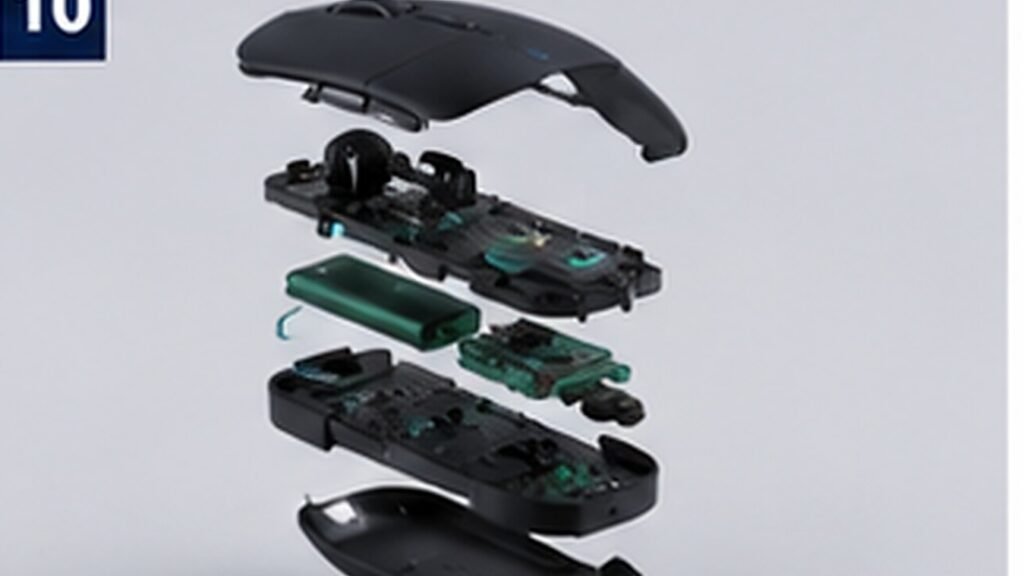
AI voice mouse RFQ buyers need a supplier evaluation process that checks product fit, OEM/ODM capability, compliance documents, quality control, pricing, lead time, and after-sales support before placing a bulk order.
Table of Contents
Table of Contents
AI Voice Mouse for Amazon Sellers in the Middle East: 7 RFQ Checks Before You Order
If you are an Amazon seller targeting the Middle East and planning to source an AI voice mouse, this guide gives you seven practical checks to include in your RFQ. The region’s demand for multilingual productivity devices is rising, but success depends on confirming Arabic language accuracy, compliance with local import rules, MOQ, and OEM flexibility before you commit. Use these checks to shortlist suppliers and avoid costly surprises.
AI voice mouse RFQ: Table of Contents
- Short Answer
- Key Takeaways
- Key Facts for Buyers
- 1. Clarify Arabic Language and Dialect Support
- 2. Confirm Compliance and Certification for Middle East Markets
- 3. Understand MOQ and Pricing Tiers
- 4. Evaluate OEM and Private Label Options
- 5. Request Samples and Test Real-World Performance
- 6. Assess Quality Control and After-Sales Support
- 7. Plan Logistics and Landed Cost
- Comparison Table: Supplier Evaluation Criteria
- Common Mistakes and Buyer Red Flags
- Practical Buyer Checklist
- FAQ
- Conclusion
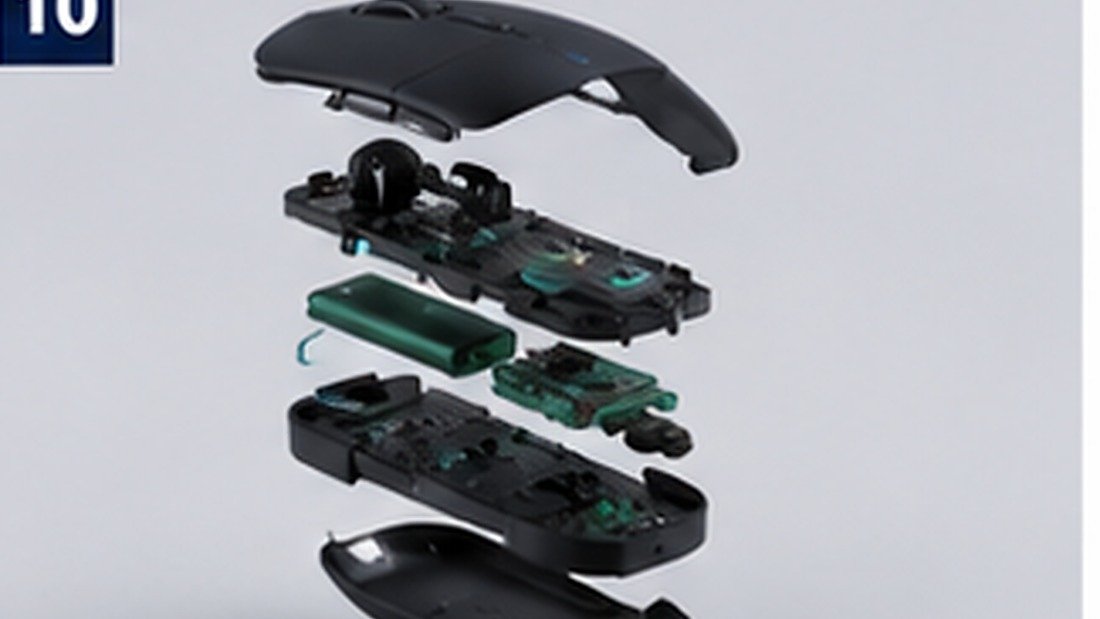
Short Answer
For a successful AI voice mouse RFQ targeting the Middle East, Amazon sellers should prioritize suppliers that demonstrate Arabic language support, provide clear compliance documentation for target countries, offer flexible MOQ and OEM options, and support sample testing. Verify certifications such as CE and RoHS, and confirm logistics handling for lithium batteries. A structured RFQ with these checks reduces risk and improves negotiation leverage.
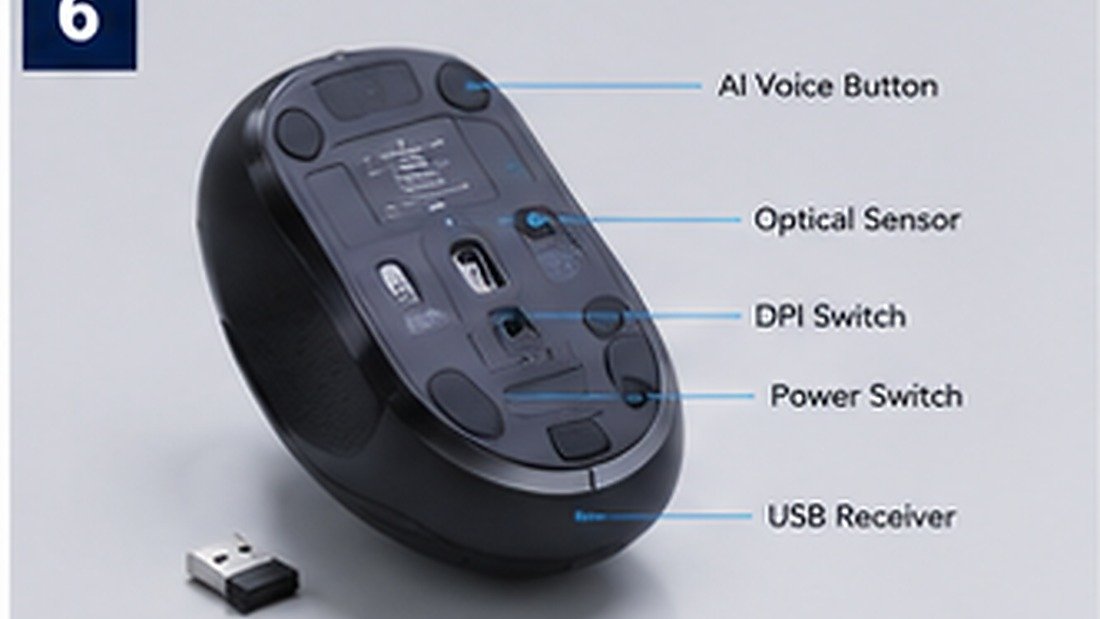
Key Takeaways
- Arabic language accuracy is critical; test multiple dialects and accents.
- Compliance requirements vary by country; request specific certificates for each market.
- MOQ and pricing are negotiable; clarify volume tiers and payment terms.
- OEM/private label options can differentiate your brand on Amazon.
- Always request pre-production samples and verify quality control processes.
- Plan for battery shipping regulations and calculate landed cost.
- Evaluate after-sales support and warranty terms before ordering.
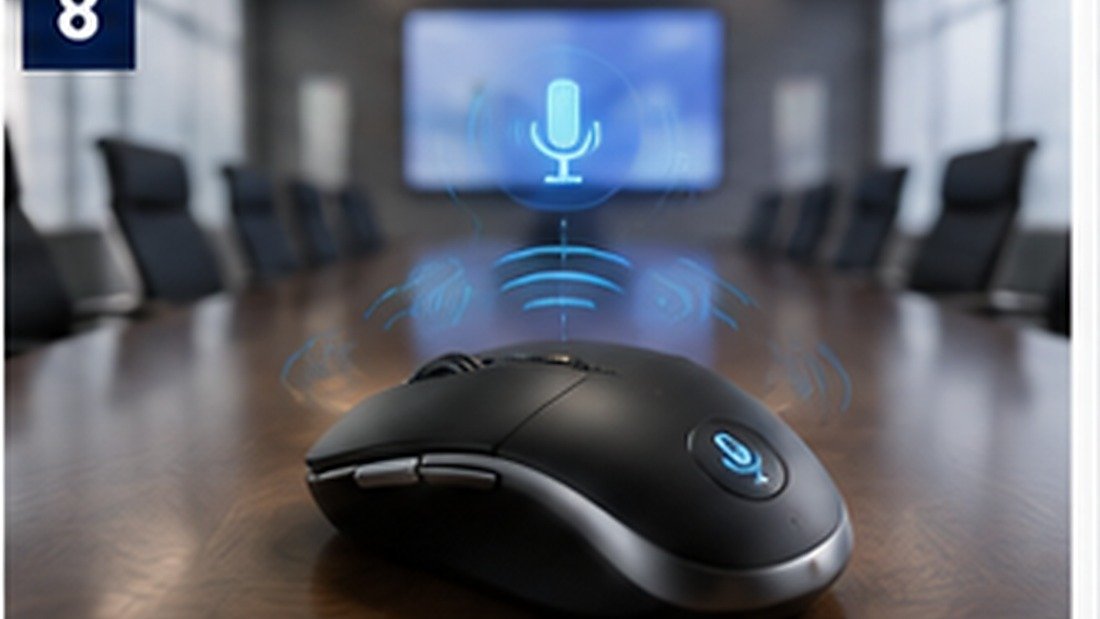
Key Facts for Buyers
| Factor | Typical Range / Consideration |
|---|---|
| MOQ | 500–1,000 units for standard models; higher for full customization |
| Sample Lead Time | 7–15 days for stock samples; 20–30 days for customized samples |
| Production Lead Time | 30–45 days after sample approval and deposit |
| Certifications | CE, RoHS, FCC (for US), and possibly local approvals like SASO for Saudi Arabia |
| Arabic Support | Varies by model; confirm with supplier and test samples |
| Battery Shipping | UN38.3 report and MSDS required for lithium battery transport |
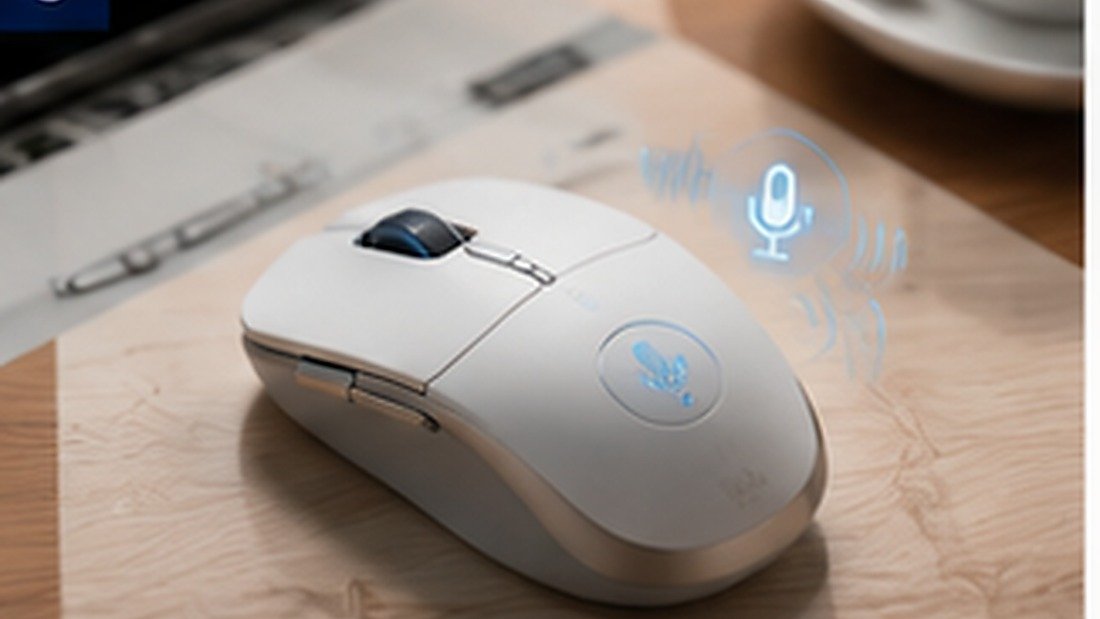
1. Clarify Arabic Language and Dialect Support
The Middle East is linguistically diverse, with Modern Standard Arabic (MSA) used in formal contexts and various dialects spoken daily. For an AI voice mouse to be useful, it must accurately recognize and transcribe both MSA and common dialects like Gulf Arabic, Egyptian Arabic, and Levantine Arabic. Poor recognition leads to negative reviews and returns.
During the RFQ process, ask the supplier to specify which Arabic dialects are supported. Request a demo or sample to test with native speakers. Check if the device supports real-time translation between Arabic and English, as this is a key selling point for professionals. Verify if firmware updates can improve language models over time.
2. Confirm Compliance and Certification for Middle East Markets
Compliance is non-negotiable. Each Middle Eastern country has its own import regulations. For example, Saudi Arabia requires SASO certification for many electronic products, while the UAE may require ESMA. CE marking is often accepted, but not always sufficient. RoHS compliance is essential for restricted substances.
Ask suppliers for copies of test reports and certificates. Ensure they cover the exact model you are importing. If they claim “CE certified,” verify that the certificate is from a recognized notified body and includes the product’s technical file. For lithium batteries, UN38.3 and MSDS are mandatory for shipping. Buyers should verify with local customs brokers for specific requirements.
3. Understand MOQ and Pricing Tiers
MOQ and pricing are often negotiable, especially for Amazon sellers planning repeat orders. Standard MOQ for AI voice mice from Chinese manufacturers typically ranges from 500 to 1,000 units, but can be higher for custom designs. Request a clear price breakdown for different volumes (e.g., 500, 1,000, 5,000 units).
Consider total landed cost, not just unit price. Ask about payment terms—30% deposit and 70% before shipment is common. For new suppliers, use a letter of credit or escrow service to reduce risk. Negotiate for better pricing if you can commit to a longer-term contract.
4. Evaluate OEM and Private Label Options
To stand out on Amazon, private label or OEM customization is key. This includes custom logo, packaging, and even firmware modifications. Ask the supplier about their capabilities: Can they print your logo on the device and packaging? Can they customize the user manual in Arabic? Can they adjust the voice commands or add your brand’s wake word?
Clarify minimum order quantities for customization; they may be higher than standard MOQ. Also, discuss intellectual property ownership: who owns the design and firmware? Ensure you have exclusive rights to your custom version. STAR KING offers flexible private label OEM/ODM solutions for AI hardware, allowing you to build a unique product.
5. Request Samples and Test Real-World Performance
Never skip sample testing. Request pre-production samples that match your specifications. Test the AI voice mouse in real-world scenarios: noisy environments, different accents, and with various software (e.g., Microsoft Office, Google Docs). Check battery life, connectivity (Bluetooth or USB receiver), and ergonomics.
Evaluate the accuracy of voice-to-text and translation. For Arabic, test with native speakers and compare against your quality standards. Also, assess the build quality and durability. A sample that fails basic tests indicates potential mass production issues.
6. Assess Quality Control and After-Sales Support
Quality control (QC) processes determine defect rates. Ask if the supplier has in-house QC or third-party inspections. Request their QC checklist and ask about pre-shipment inspection. A reliable supplier will welcome a third-party inspection like SGS or Bureau Veritas.
After-sales support is equally important. Clarify warranty terms (typically 12 months), return policies, and spare parts availability. For Amazon sellers, a supplier who understands e-commerce and can handle drop-shipping or Amazon FBA requirements is a plus. Discuss lead times for replacement units in case of defects.
7. Plan Logistics and Landed Cost
Shipping AI voice mice to the Middle East involves logistics challenges. Lithium batteries are classified as dangerous goods; they require UN38.3 certification and proper packaging. Choose a freight forwarder experienced in battery shipping. Air freight is faster but costlier; sea freight is cheaper but slower.
Calculate landed cost including product cost, freight, insurance, customs duties (typically 5% for electronics in GCC countries), and taxes (e.g., 15% VAT in Saudi Arabia). Factor in Amazon FBA fees. Use a landed cost calculator to ensure profitability. Also, consider potential delays due to customs clearance; ensure all documentation is accurate.
Comparison Table: Supplier Evaluation Criteria
| Criteria | What to Look For | Red Flag |
|---|---|---|
| Arabic Support | Clear list of supported dialects, demo available | Vague claims like “supports Arabic” without details |
| Certifications | CE, RoHS, UN38.3, and local approvals | Refuses to share certificates or only provides expired ones |
| MOQ & Pricing | Transparent pricing tiers, negotiable MOQ | Extremely low MOQ with high unit price |
| OEM Options | Custom logo, packaging, firmware | High MOQ for customization, limited flexibility |
| Sample Policy | Paid samples with refundable deposit against order | Free samples but high shipping cost |
| QC Process | Documented QC, welcome third-party inspection | No QC documentation, resists inspection |
| After-Sales | 12-month warranty, responsive support | No clear warranty or slow response |
Common Mistakes and Buyer Red Flags
- Assuming all AI voice mice support Arabic equally. Test before ordering.
- Ignoring local certification requirements. Customs may reject non-compliant shipments.
- Choosing the lowest price without verifying quality. Cheap components lead to high return rates.
- Skipping sample testing. Always test with your target audience.
- Overlooking battery shipping regulations. Non-compliant batteries can cause delays or fines.
- Not clarifying IP ownership. Ensure you own custom designs.
- Underestimating after-sales costs. Factor in warranty and returns.
Practical Buyer Checklist
- ☐ Confirm Arabic dialect support and request a demo.
- ☐ Obtain copies of CE, RoHS, UN38.3, and MSDS.
- ☐ Verify if SASO, ESMA, or other local certifications are needed.
- ☐ Request pricing for 500, 1,000, and 5,000 units.
- ☐ Discuss OEM options and associated MOQs.
- ☐ Order samples and test in real-world conditions.
- ☐ Ask for QC process and inspection reports.
- ☐ Clarify warranty, after-sales support, and spare parts.
- ☐ Calculate landed cost including duties and taxes.
- ☐ Plan logistics with a battery-experienced forwarder.
Buyers can also review STAR KING AI Voice Mouse OEM/ODM options to compare product positioning, customization scope, and sample planning.
FAQ
What is the typical MOQ for an AI voice mouse from a Chinese manufacturer?
MOQ usually ranges from 500 to 1,000 units for standard models. Customized versions may require 1,000–3,000 units. Some suppliers offer lower MOQs for trial orders but at higher unit prices.
Which certifications are required for selling AI voice mice in the Middle East?
Requirements vary: CE and RoHS are commonly accepted, but Saudi Arabia may require SASO, and the UAE may require ESMA. Always check with your local customs broker and request specific certificates from the supplier.
How can I verify Arabic language support before ordering?
Request a sample and test with native Arabic speakers across different dialects. Ask the supplier for a list of supported dialects and check if firmware updates can improve recognition.
What are the shipping restrictions for AI voice mice with lithium batteries?
Lithium batteries are regulated as dangerous goods. You need UN38.3 test reports and MSDS. Use a freight forwarder experienced in battery shipping and ensure proper packaging and labeling.
Can I customize the AI voice mouse with my brand logo and packaging?
Yes, most suppliers offer OEM/private label options. Discuss customization details, MOQs, and additional costs. Ensure IP ownership is clarified in the contract.
What is the typical lead time for AI voice mouse orders?
Production lead time is usually 30–45 days after sample approval and deposit. Shipping to the Middle East adds 7–30 days depending on the method. Plan for buffer time.
How do I calculate landed cost for AI voice mice in the Middle East?
Landed cost includes unit price, freight, insurance, customs duties (e.g., 5% in GCC), VAT (e.g., 15% in Saudi Arabia), and Amazon FBA fees. Use a landed cost calculator and consult your freight forwarder.
Conclusion
For Amazon sellers in the Middle East, sourcing an AI voice mouse requires careful due diligence. By following these seven RFQ checks, you can identify reliable suppliers, ensure compliance, and negotiate favorable terms. Remember to test samples thoroughly, verify certifications, and plan logistics. A structured approach reduces risk and sets the foundation for a successful product launch.
Ready to Request a Quote?
STAR KING specializes in AI hardware manufacturing with OEM/ODM services. If you are ready to discuss your AI voice mouse project, request a quotation or samples today. Our team can help you navigate customization, compliance, and logistics for the Middle East market. Contact us for a personalized quote.
Useful Official References for Buyers
- FCC equipment authorization guidance
- European Commission CE marking information
- Bluetooth SIG specifications
Discuss Your Smart Wearable OEM/ODM Project
Planning a smart ring, smart watch, smart band, AI glasses, AI translator, or AI voice mouse project? Contact STAR KING to discuss product positioning, sample testing, customization scope, certification requirements, lead time, and quotation details.

Team Star King

Scan WhatsApp QR code
Leave a Reply