
AI translator suppliers: 7 Critical Checks for Selecting AI Translator Suppliers in Southeast Asia
November 2, 2026 · Team Star King
7 Critical Checks for Selecting AI Translator Suppliers in Southeast Asia
When selecting AI translator suppliers in Southeast Asia, e-commerce sellers should evaluate device hardware, real-time translation accuracy, firmware update capability, certification compliance, MOQ flexibility, and after-sales support. Prioritize suppliers that provide transparent specifications, sample testing, and clear OEM/ODM terms. This guide outlines seven critical checks to help you avoid costly sourcing mistakes and build a reliable supply chain.
Table of Contents
Table of Contents
AI translator suppliers: Table of Contents
- Check 1: Verify Hardware and Build Quality
- Check 2: Assess Translation Accuracy and Language Support
- Check 3: Evaluate Firmware and App Integration
- Check 4: Confirm Certifications and Import Compliance
- Check 5: Understand MOQ, Pricing, and Lead Times
- Check 6: Review Customization and OEM/ODM Options
- Check 7: Validate After-Sales Support and Warranty
- Comparison Table: Supplier Evaluation Criteria
- Common Mistakes and Buyer Red Flags
- Practical Buyer Checklist
- Frequently Asked Questions
- Conclusion
Short Answer
To select AI translator suppliers in Southeast Asia, e-commerce sellers should run structured checks on hardware quality, language coverage, firmware update processes, certifications, MOQ terms, customization flexibility, and after-sales service. Request samples, verify test reports, and confirm total landed cost before committing to volume orders.
Key Takeaways
- Hardware durability and microphone/speaker quality directly affect user satisfaction and return rates.
- Translation accuracy depends on both the device firmware and the underlying translation engine; test with real phrases in your target languages.
- Certifications such as CE, FCC, RoHS, and UN38.3 may be required depending on the destination country and product configuration.
- MOQ and lead times vary significantly between suppliers; negotiate sample orders and ramp-up schedules.
- Customization options (branding, packaging, app) impact brand differentiation and total cost.
- After-sales support and warranty terms protect your business from costly returns.
Key Facts for Buyers
| Factor | Typical Range / Consideration | What to Verify |
|---|---|---|
| Supported languages | 40–100+ languages; major Southeast Asian languages included | Accuracy test with native speakers |
| Connectivity | Wi-Fi, Bluetooth, optional cellular | Compatibility with local networks |
| Battery life | 8–24 hours of active use | UN38.3 test summary for battery |
| Certifications | CE, FCC, RoHS, UN38.3, MSDS may be required | Valid test reports and certificates |
| MOQ | 500–3,000 units for OEM/ODM | Sample order policy |
| Lead time | 15–45 days after deposit | Production schedule and capacity |
| Customization | Logo, packaging, app UI | Tooling ownership and fees |
Check 1: Verify Hardware and Build Quality
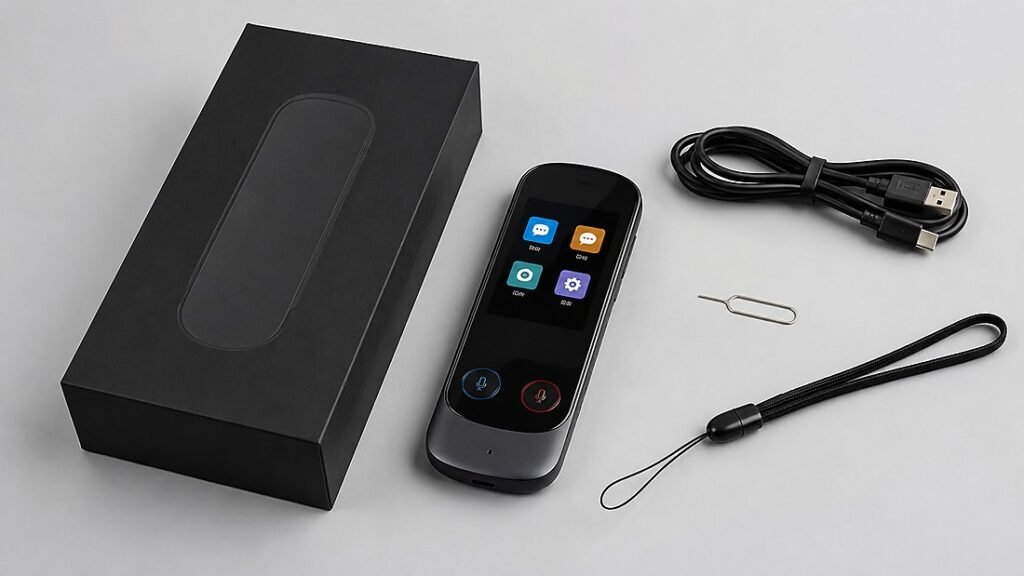
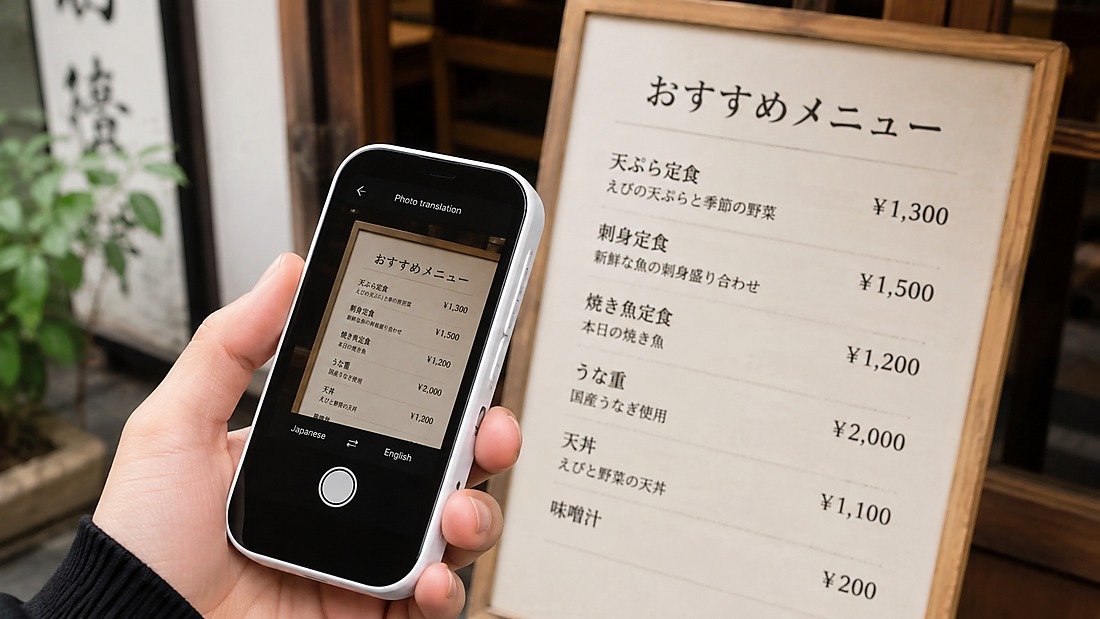
The physical quality of an AI translator directly affects user experience and your return rate. Poor microphone performance in noisy environments—common in Southeast Asian markets—can lead to negative reviews. Request samples and test voice pickup in realistic conditions. Check speaker clarity, button responsiveness, and screen readability under different lighting. Inspect the housing for gaps or weak seams that may reduce drop resistance. Ask suppliers about drop testing and waterproof testing protocols. For e-commerce sellers, a device that survives daily use reduces after-sales costs and protects your brand reputation.
Check 2: Assess Translation Accuracy and Language Support
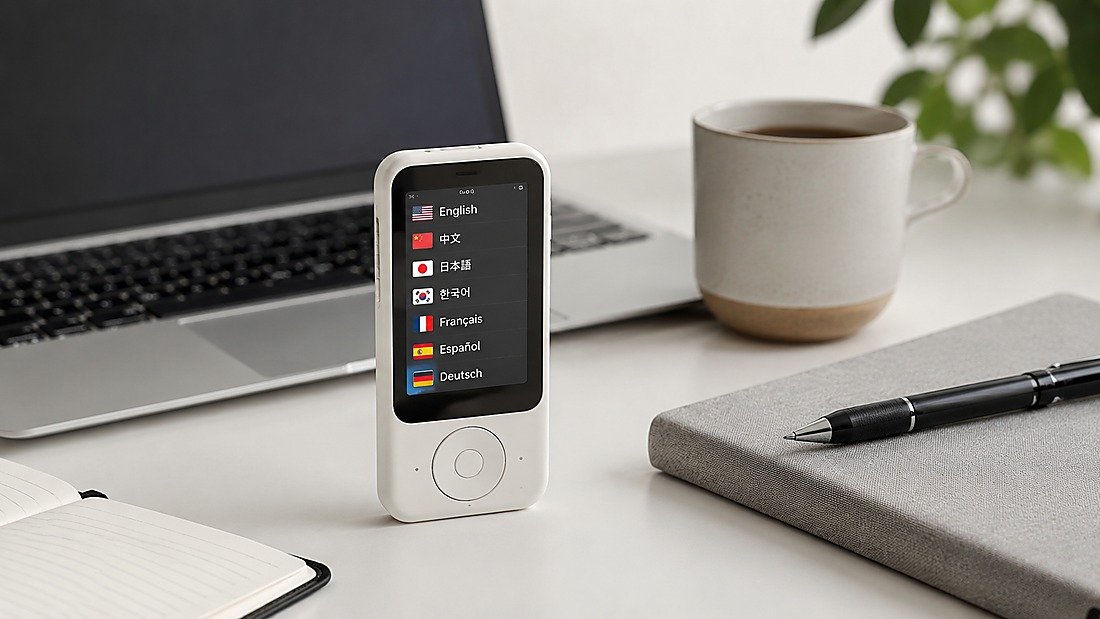
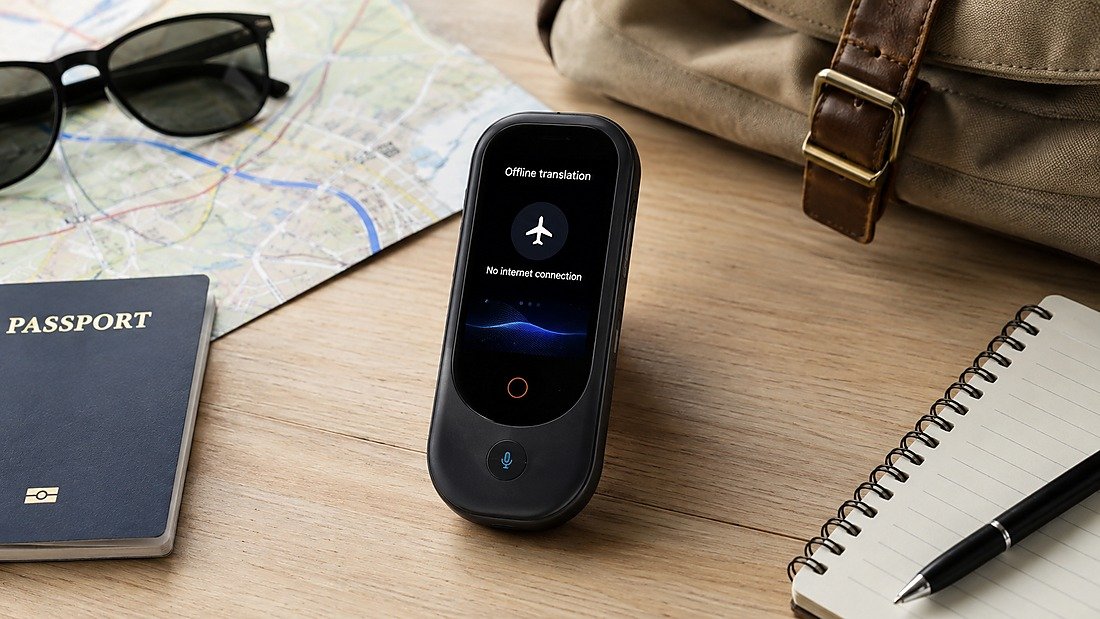
Translation accuracy is not uniform across languages. Suppliers may claim support for dozens of languages, but performance can vary. Test the device with common phrases in Bahasa Indonesia, Thai, Vietnamese, and Filipino, as well as English and Chinese. Ask about the translation engine used and whether it is cloud-based or on-device. Cloud-based translation may require a data connection and could involve subscription fees. On-device translation offers privacy but may have limited language pairs. Verify the firmware update policy: regular updates can improve accuracy over time. Request a list of supported languages and dialect coverage to ensure alignment with your target market.
Check 3: Evaluate Firmware and App Integration
Modern AI translators often pair with a mobile app for settings, language downloads, and usage history. Evaluate the app’s user interface, stability, and compatibility with both iOS and Android. Ask whether the supplier offers app customization (e.g., white-label app) and who owns the app code. Firmware customization may be needed to add languages or adjust features. Confirm the process for firmware updates and whether they are delivered over-the-air (OTA). A supplier with strong firmware development capabilities can support your product roadmap and respond to user feedback faster.
Check 4: Confirm Certifications and Import Compliance
Certification requirements for AI translators depend on the destination country and product configuration. In Southeast Asia, common requirements include CE marking (for EU-bound products, though not mandatory for local sale), FCC (if selling to the US), RoHS, and UN38.3 for lithium batteries. Some countries may require additional local certifications. Always request copies of test reports and certificates, and verify their authenticity. For battery-powered devices, UN38.3 and MSDS documents are typically required for air shipping. Ensure the supplier can provide these documents before you place a bulk order. Buyers should verify with local customs authorities as requirements can change.
Check 5: Understand MOQ, Pricing, and Lead Times
MOQ and pricing structures vary widely. Some suppliers require high MOQs for custom branding, while others offer lower MOQs with standard products. Clarify whether the MOQ applies per model or per order, and whether sample orders are available. Pricing should include all costs: unit price, tooling fees (if custom), packaging, and shipping. Ask for a breakdown of landed cost to your target market. Lead times depend on order volume and customization complexity. Request a production schedule and confirm capacity to meet your launch timeline. For e-commerce sellers, having a supplier that can scale with your growth is essential.
Check 6: Review Customization and OEM/ODM Options
Customization can differentiate your brand. Common options include logo printing, custom packaging, and app branding. For deeper customization, OEM/ODM services may involve hardware modifications or firmware changes. Discuss tooling development costs and ownership—if you pay for tooling, you should own it. Clarify intellectual property rights, especially if you plan to sell under your own brand. Some suppliers offer private label solutions with minimal MOQ. Evaluate whether the supplier can support your branding needs without compromising quality or timeline.
Check 7: Validate After-Sales Support and Warranty
After-sales support is critical for e-commerce sellers. Ask about warranty terms (typically 12 months), return policies, and spare parts availability. A supplier with a dedicated support team can help you resolve technical issues quickly. Confirm the process for handling defective units and whether they provide replacement parts or credit. For Southeast Asian markets, consider time zone differences and language support. A responsive supplier reduces downtime and protects your customer satisfaction ratings.
Comparison Table: Supplier Evaluation Criteria
| Criteria | What to Look For | Red Flag |
|---|---|---|
| Hardware quality | Drop test reports, waterproof rating, clear microphone | No testing documentation, vague specs |
| Translation accuracy | Demo video, sample test with native speakers | Claims without evidence, limited language support |
| Firmware/App | OTA update policy, app customization options | No update roadmap, locked app |
| Certifications | Valid CE, FCC, RoHS, UN38.3 certificates | Missing documents, expired certificates |
| MOQ & Pricing | Flexible MOQ, transparent cost breakdown | High MOQ with no sample option |
| Customization | Logo, packaging, app branding | No customization, hidden fees |
| After-sales | Warranty, spare parts, responsive support | No warranty, slow response |
Common Mistakes and Buyer Red Flags
- Relying solely on supplier-provided spec sheets without testing samples.
- Ignoring certification requirements for the destination country.
- Not clarifying IP ownership for custom designs or firmware.
- Underestimating total landed cost (including shipping and duties).
- Choosing a supplier based only on the lowest unit price.
- Failing to check after-sales support and warranty terms.
Practical Buyer Checklist
- Request and test samples with real phrases in target languages.
- Verify certification documents (CE, FCC, RoHS, UN38.3, MSDS).
- Confirm MOQ, sample policy, and lead times in writing.
- Ask for a cost breakdown including tooling, packaging, and shipping.
- Clarify customization options and IP ownership.
- Check warranty terms and after-sales support process.
- Review app and firmware update policies.
Frequently Asked Questions
1. What certifications are required for AI translators in Southeast Asia?
Requirements vary by country. Common needs include CE (for EU), FCC (for US), RoHS, and UN38.3 for batteries. Some countries may require local certification. Always verify with local customs and the supplier.
2. How can I test translation accuracy before ordering?
Request a sample and test with native speakers using common phrases in your target languages. Ask for a demo video and check whether the translation engine is cloud-based or on-device.
3. What is a typical MOQ for custom-branded AI translators?
MOQs often range from 500 to 3,000 units for OEM/ODM, but vary by supplier. Some offer lower MOQs for standard products. Negotiate sample orders first.
4. Can I customize the app for my brand?
Many suppliers offer white-label app options. Clarify whether the app can be branded, who owns the code, and what customization fees apply.
5. What is the typical lead time for bulk orders?
Lead times typically range from 15 to 45 days after deposit, depending on order volume and customization. Confirm the production schedule with the supplier.
6. How do I handle after-sales warranty for AI translators?
Ask about standard warranty (usually 12 months) and the process for returns and replacements. Ensure spare parts are available.
Conclusion
Selecting the right AI translator supplier in Southeast Asia requires a structured approach. By following these seven checks, you can reduce risks and build a reliable supply chain. Remember to test samples, verify certifications, and clarify terms before committing. For further assistance, explore our AI translators or contact our sales team to discuss your specific requirements.
Ready to source with confidence? Request a quotation or discuss your OEM/ODM project with our team today.
Useful Official References for Buyers
- FCC equipment authorization guidance
- European Commission CE marking information
- Bluetooth SIG specifications
Discuss Your Smart Wearable OEM/ODM Project
Planning a smart ring, smart watch, smart band, AI glasses, AI translator, or AI voice mouse project? Contact STAR KING to discuss product positioning, sample testing, customization scope, certification requirements, lead time, and quotation details.

Team Star King

Scan WhatsApp QR code
Leave a Reply