
AI smart glasses suppliers: AI Smart Glasses for UK Distributors: 7 Critical Evaluation Criteria Before You Commit
November 2, 2026 · Team Star King

AI smart glasses suppliers buyers need a supplier evaluation process that checks product fit, OEM/ODM capability, compliance documents, quality control, pricing, lead time, and after-sales support before placing a bulk order.
Table of Contents
Table of Contents
AI Smart Glasses for UK Distributors: 7 Critical Evaluation Criteria
If you are a UK distributor evaluating AI smart glasses, start by verifying the supplier’s product specifications, compliance documentation, and firmware roadmap. Focus on five essentials: private-label options, MOQ terms, sample testing, quality control, and after-sales support. This guide details seven checks to help you choose a supplier that meets UK market requirements and protects your margins.
Table of Contents
- Short Answer
- Key Takeaways
- Key Facts for Buyers
- 1. Product Specifications and Feature Trade-offs
- 2. UK Compliance and Certification
- 3. OEM/ODM and Private Label Options
- 4. MOQ and Pricing Factors
- 5. Sample Testing and Validation
- 6. Quality Control and Production Standards
- 7. Supplier Reliability and After-Sales Support
- Comparison Table: Evaluating AI Smart Glasses Suppliers
- Common Mistakes and Buyer Red Flags
- Practical Buyer Checklist
- FAQ
- Conclusion
Short Answer
To evaluate AI smart glasses for UK distribution, verify the supplier’s compliance with UKCA/CE, FCC, RoHS, and battery safety standards. Confirm firmware update policies, sample testing procedures, MOQ flexibility, and after-sales support. Request full documentation and conduct hands-on testing before committing to volume orders.

Key Takeaways
- UK distributors must prioritize compliance and battery safety documentation.
- Firmware stability and update commitments are critical for long-term product success.
- Request samples and test real-world performance before placing bulk orders.
- Clarify MOQ, lead times, and customization options early in negotiations.
- Evaluate after-sales support and spare parts availability to protect your investment.
Key Facts for Buyers
| Factor | Typical Requirement | Buyer Action |
|---|---|---|
| UK compliance | UKCA or CE marking, RoHS, WEEE registration | Request test reports and Declaration of Conformity |
| Battery safety | UN38.3, MSDS | Confirm battery pack certification for shipping |
| Firmware updates | Regular OTA updates, bug fixes | Ask for update policy and roadmap |
| MOQ | 500–1,000 units for private label | Negotiate trial order |
| Lead time | 30–60 days after deposit | Confirm production schedule |
| Sample testing | Functionality, battery life, comfort | Order evaluation samples |
| After-sales | 1-year warranty, spare parts | Clarify RMA process |

1. Product Specifications and Feature Trade-offs
AI smart glasses vary widely in display technology, audio quality, battery life, and AI processing capabilities. As a distributor, you need to match specifications to your target customer segments—whether that’s tech enthusiasts, business professionals, or fitness users.
Key specifications to evaluate include:
- Display: Monocular vs. binocular, resolution, and brightness.
- Audio: Speaker quality, noise cancellation, and privacy modes.
- Battery: Capacity, charging method, and real-world usage time.
- Connectivity: Bluetooth version, Wi-Fi, and companion app support.
- AI features: Real-time translation, voice assistant, and object recognition.
Consider how these features align with UK consumer preferences. For example, privacy concerns may make bone-conduction audio more appealing than open speakers.

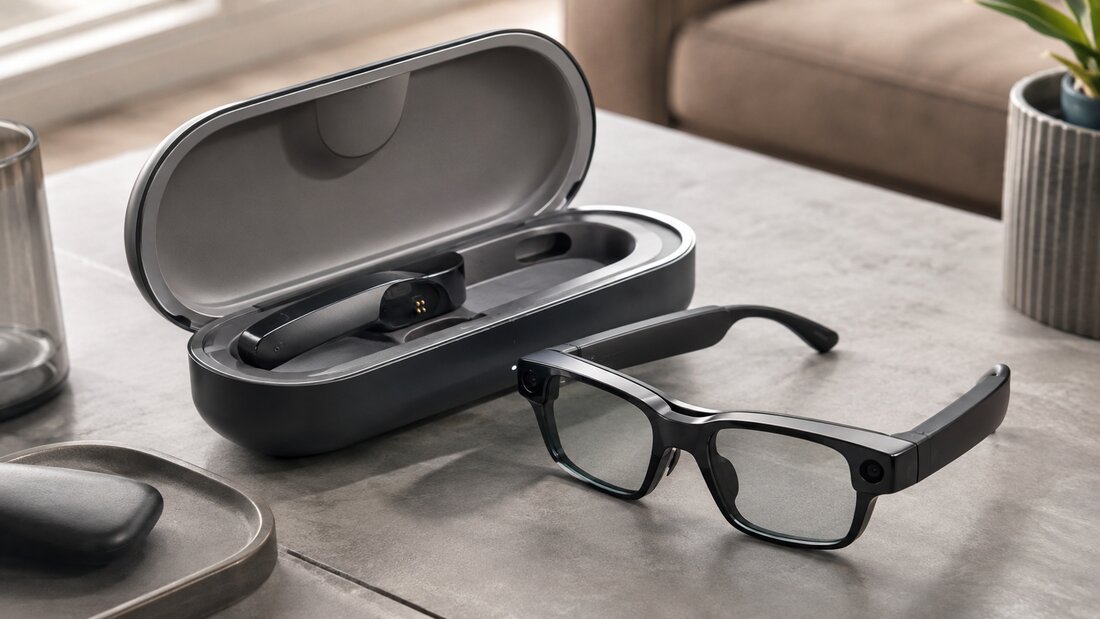
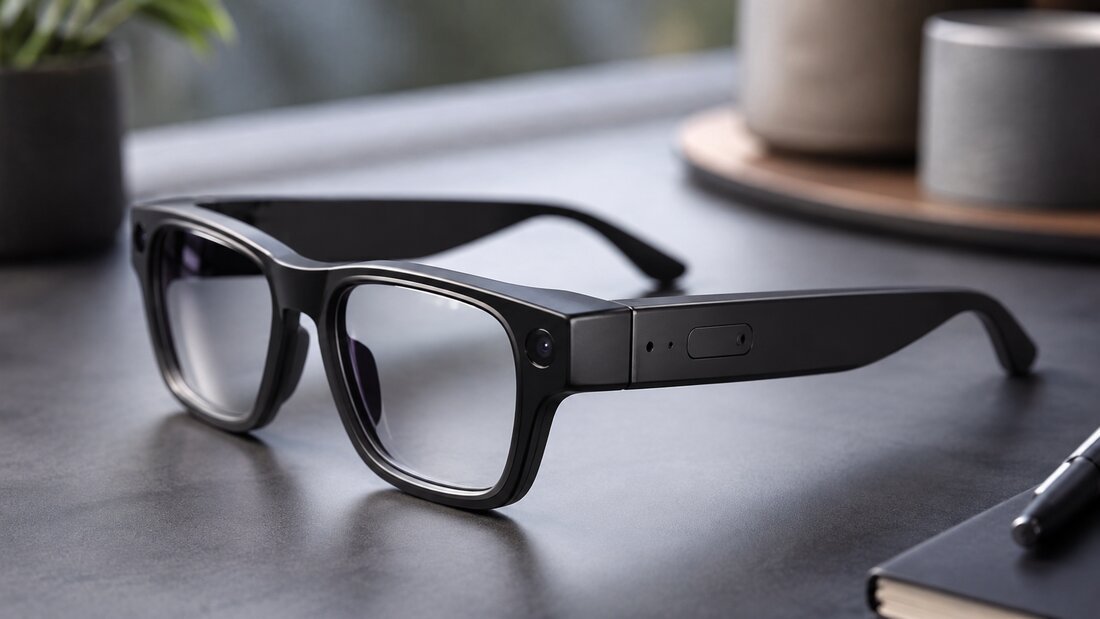
Image suggestion: AI smart glasses product shot with specification callouts.
2. UK Compliance and Certification
Post-Brexit, the UK requires UKCA marking for many electronic products, though CE marking is still recognized in some cases. For AI smart glasses, you must ensure compliance with:
- Electrical safety: BS EN 62368-1 (or equivalent).
- EMC: BS EN 55032 and 55035.
- RoHS: Restriction of Hazardous Substances.
- WEEE: Waste Electrical and Electronic Equipment registration.
- Battery safety: UN38.3 for lithium batteries, MSDS for shipping.
- Radio equipment: UK Radio Equipment Regulations 2017 (if applicable).
Request the supplier’s test reports and Declaration of Conformity. Verify that certificates are issued by accredited laboratories and cover the exact model you intend to import. For guidance, refer to UK government UKCA marking guidance and electrical and electronic products regulations.
3. OEM/ODM and Private Label Options
Many UK distributors seek private-label AI smart glasses to build their brand. Evaluate the supplier’s flexibility in:
- Logo customization: On the frame, packaging, and software.
- Packaging: Custom boxes, manuals, and accessories.
- Firmware: Ability to preload apps or customize UI.
- App integration: White-label companion app or API access.
STAR KING offers private label OEM/ODM solutions for AI smart glasses, allowing you to tailor the product to your brand. Clarify minimum order quantities for customization and the timeline for tooling and samples.
4. MOQ and Pricing Factors
MOQ and pricing depend on customization level, order volume, and component costs. Typical MOQs for private-label AI smart glasses range from 500 to 1,000 units, but this varies by supplier and complexity.
Factors influencing price include:
- Display type and size.
- AI chipset and processing power.
- Battery capacity and type.
- Custom packaging and branding.
- Order quantity and payment terms.
Request a detailed quotation with breakdowns for tooling, certification, and logistics. Be wary of unusually low quotes that may indicate substandard components.
5. Sample Testing and Validation
Always order evaluation samples before committing to bulk. Test the following:
- Comfort and fit: Wear for extended periods.
- Battery life: Under typical usage scenarios.
- AI features: Translation accuracy, voice recognition.
- Connectivity: Bluetooth stability, app pairing.
- Audio quality: Clarity for calls and media.
- Build quality: Materials, hinge durability.
Consider third-party testing for critical parameters. STAR KING provides AI smart glasses samples for distributor evaluation.
6. Quality Control and Production Standards
Ask about the supplier’s quality management system. Look for ISO 9001 certification and clear QC procedures at each production stage:
- Incoming inspection: Components and materials.
- In-process checks: Assembly and firmware flashing.
- Final testing: Functional tests, aging tests, and cosmetic inspection.
- Pre-shipment inspection: AQL sampling or third-party inspection.
Request QC reports and be prepared to conduct your own pre-shipment inspection or hire a third-party service.
7. Supplier Reliability and After-Sales Support
Assess the supplier’s track record and commitment to after-sales service:
- Communication: Responsiveness and English proficiency.
- Warranty: Standard 12-month warranty, spare parts availability.
- RMA process: Clear return and repair procedures.
- Firmware updates: Policy for security patches and feature enhancements.
- References: Ask for UK or EU distributor references (if available).
A reliable supplier will provide clear documentation and support throughout the product lifecycle.
Comparison Table: Evaluating AI Smart Glasses Suppliers
| Criteria | Supplier A (Example) | Supplier B (Example) | Your Target |
|---|---|---|---|
| UKCA/CE certification | Yes | Pending | Required |
| Firmware update policy | Quarterly | Ad-hoc | Regular schedule |
| MOQ for private label | 500 units | 1,000 units | ≤500 |
| Sample lead time | 7 days | 14 days | ≤10 days |
| Warranty | 12 months | 6 months | 12 months |
Common Mistakes and Buyer Red Flags
- Skipping sample testing: Relying solely on spec sheets.
- Ignoring firmware support: Products become obsolete without updates.
- Overlooking UK-specific compliance: Assuming CE covers UKCA.
- Underestimating battery shipping requirements: UN38.3 and MSDS are mandatory.
- Choosing lowest price: Often leads to quality issues and returns.
- No clear RMA process: After-sales headaches.
Practical Buyer Checklist
- ☐ Request UKCA/CE test reports and DoC.
- ☐ Confirm UN38.3 and MSDS for batteries.
- ☐ Order samples and test for at least two weeks.
- ☐ Clarify MOQ, lead time, and payment terms.
- ☐ Discuss firmware update roadmap.
- ☐ Verify warranty and spare parts availability.
- ☐ Arrange pre-shipment inspection.
- ☐ Check supplier references.
FAQ
What certifications are required for AI smart glasses in the UK?
Most AI smart glasses require UKCA marking, RoHS compliance, and WEEE registration. If they include radio transmitters, they must comply with the UK Radio Equipment Regulations. Battery-powered devices need UN38.3 test reports and MSDS for shipping.
What is a typical MOQ for private-label AI smart glasses?
MOQs vary by supplier and customization level, but typically range from 500 to 1,000 units. Some suppliers offer lower MOQs for standard products with logo printing only.
How long does shipping AI smart glasses to the UK take?
Shipping times depend on the method: air freight (5–10 days), sea freight (30–45 days), and express courier (3–7 days). Lithium batteries require special handling and documentation.
Can I customize the firmware and app for my brand?
Many OEM/ODM suppliers offer firmware customization for volume orders. This may include preloading your app, changing the boot logo, or modifying the UI. Discuss requirements and costs with the supplier.
What is the warranty period for AI smart glasses?
Standard warranty is typically 12 months, covering manufacturing defects. Clarify what is included and the process for returns and repairs.
How can I verify the supplier’s quality control?
Request QC reports, ask about their QMS (e.g., ISO 9001), and consider a third-party pre-shipment inspection. Visiting the factory or using a sourcing agent can also help.
Are there restrictions on importing AI smart glasses with cameras into the UK?
Devices with cameras must comply with privacy laws and may require additional documentation. Check with UK customs and legal counsel for specific requirements.
Conclusion
Evaluating AI smart glasses for UK distribution requires a structured approach covering compliance, product specifications, supplier reliability, and after-sales support. By following the seven criteria outlined above, you can minimize risks and select a supplier that aligns with your business goals.
Ready to evaluate AI smart glasses samples? Request samples from STAR KING and discuss your OEM/ODM requirements with our team.
Discuss Your Smart Wearable OEM/ODM Project
Planning a smart ring, smart watch, smart band, AI glasses, AI translator, or AI voice mouse project? Contact STAR KING to discuss product positioning, sample testing, customization scope, certification requirements, lead time, and quotation details.

Team Star King

Scan WhatsApp QR code
Leave a Reply