
AI Translators for Southeast Asia Retail Chains: 7 Steps to Source and Scale a Winning Private-Label Line in 2026
October 15, 2026 · Team Star King
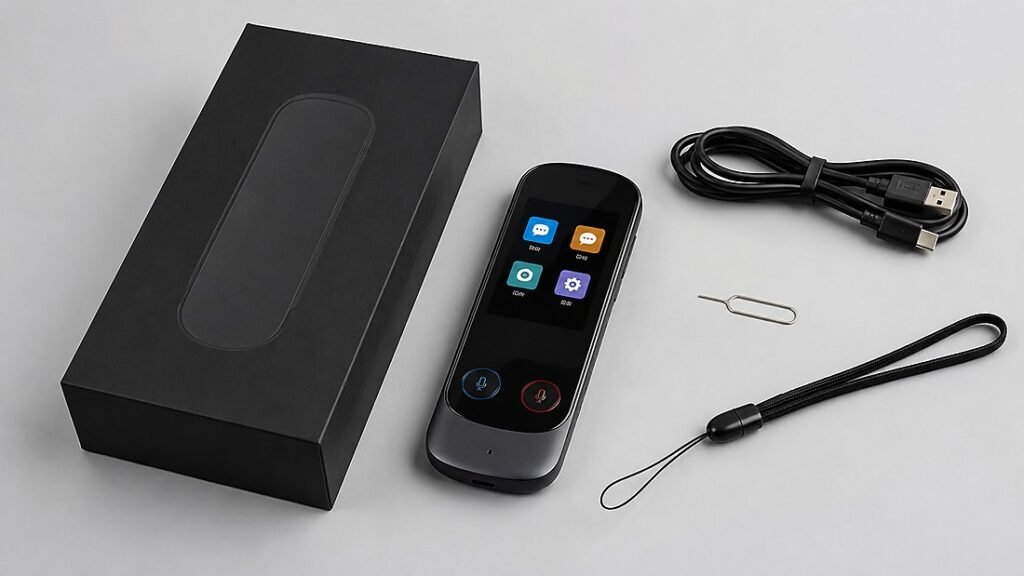
AI Translators for Southeast Asia Retail Chains: 7 Steps to Source and Scale a Winning Private-Label Line in 2026
Retail chains in Southeast Asia can source AI translators by following seven steps: define your market use case, lock the core language and connectivity specs, choose an OEM/ODM or private-label model, validate samples with store-level testers, confirm certification for each destination market, agree MOQ and lead time by SKU, and finalize packaging, app language, and after-sales support. A successful rollout typically depends on matching real-time offline translation performance to how shoppers in each country actually travel, work, and buy.
Table of Contents
Table of Contents
Table of Contents
- Short Answer
- Key Takeaways
- Key Facts for Buyers
- What Are AI Translators and Why Southeast Asia Retail Chains Are Buying Them Now
- 7 Steps to Source AI Translators for Southeast Asia Retail
- AI Translator Spec & Buyer Comparison Table
- OEM/ODM and Private-Label Options for Retail Chains
- MOQ, Landed Cost, and Lead Time Planning
- Certification and Compliance by Southeast Asia Market
- App, Firmware, and Language Pack Considerations
- Common Mistakes and Buyer Red Flags
- Practical Buyer Checklist
- FAQ: AI Translator Sourcing for Retail Chains
- Conclusion
Short Answer
AI translators are handheld or wearable devices that convert spoken or written language in near real time using on-device and cloud models. For Southeast Asia retail chains, the fastest path to a reliable private-label line is to source through an experienced OEM/ODM partner, validate offline translation quality for your priority language pairs, and confirm certification for each destination market before committing to bulk MOQ. Expect an average sourcing cycle of [STAR KING TO CONFIRM].
Key Takeaways
- Prioritize offline translation for Thai, Vietnamese, Bahasa Indonesia, and Filipino, plus major ASEAN trading partners such as Mandarin and English.
- Confirm which model (OEM, ODM, or full private label) fits your brand control, budget, and timeline.
- MOQ and unit cost are driven by language pack licensing, chipset, battery, display, and packaging complexity.
- Test translation accuracy in real retail conditions: noisy stores, outdoor markets, and weak Wi-Fi.
- Certification needs vary by country. Buyers should verify requirements with local customs and regulators before mass production.
- A clear packaging, app, and after-sales plan protects margins and reduces returns across a multi-country retail footprint.
Key Facts for Buyers
| Item | Typical Retail Chain Consideration |
|---|---|
| Core language pairs | Local ASEAN language + English + Mandarin; add tourism or business pairs |
| Connectivity | Offline mode for travel; Wi-Fi/4G/eSIM for premium SKUs |
| Sourcing models | OEM, ODM, Private Label; full custom tooling adds cost and time |
| MOQ drivers | Language licensing, chipset, display, battery, packaging |
| Certification | Varies by country; confirm CE, FCC, RoHS relevance and local radio/telecom approvals |
| Lead time factors | Sample approval, tooling, language pack integration, packaging print run |
| Warranty | Negotiate 12-24 months depending on SKU and channel |
What Are AI Translators and Why Southeast Asia Retail Chains Are Buying Them Now
AI translators are compact devices — often handheld, earbud-style, or wearable — that convert spoken or written language between two or more languages using a combination of on-device models and cloud-based translation engines. Unlike a phone app, a dedicated AI translator is designed for one-tap use, low-latency conversation, and offline reliability when cellular or Wi-Fi coverage is weak.
Southeast Asia is a strong fit for this category. The region combines high cross-border tourism, multilingual business travel, and dense diaspora communities. A shopper in Bangkok may need Thai–Mandarin, a distributor in Jakarta may need Bahasa Indonesia–English, and a business traveler in Ho Chi Minh City may need Vietnamese–Japanese. That range of use cases means retail chains can position AI translators as practical travel and productivity tools rather than novelty gadgets.
Retail buyers evaluating AI Translators should treat the category like any other consumer electronics line: define the shopper journey, select the specs that match that journey, and only then negotiate price and volume. The sourcing decisions you make now — chipset, language packs, app ownership, certification path — will determine whether the SKU is a repeat seller or a dead-stock problem.
7 Steps to Source AI Translators for Southeast Asia Retail
Step 1: Define the Retail Use Case and Language Pairs
Start with the buyer, not the bill of materials. Map the top three use cases your stores will serve: tourism, business travel, and domestic multilingual service work. Then list the language pairs that matter. A retail chain is unlikely to sell well with a 100-language device if its core customer only needs Thai, English, Mandarin, and Bahasa Indonesia. Narrow language sets can reduce licensing costs and improve offline performance.
Step 2: Lock the Core Specs
Key specification decisions include offline versus online translation, response latency, microphone array quality, display or no display, battery capacity, and ruggedness. For retail display purposes, a clear screen and one-tap translation often outperform a technically superior but harder-to-demo device.
Step 3: Choose OEM, ODM, or Private Label
OEM usually means adapting a proven design with your logo, packaging, and app skin. ODM means deeper customization, potentially including firmware and hardware changes. Private label typically means branding an existing platform. Retail chains with strong store-brand programs often start with private label to test demand, then move to OEM or ODM as volumes grow.
Step 4: Validate Samples with Store-Level Testers
Do not approve samples in a quiet office. Test them in noisy malls, busy markets, and on the street. Score each sample on accuracy, latency, battery life, and comfort. This step prevents the most common failure mode: a device that works perfectly in a demo but frustrates shoppers in real use.
Step 5: Confirm Certification for Each Market
Certification requirements vary by country. Radio-equipped devices typically need type approval or local telecom registration in some Southeast Asian markets, while general consumer electronics may need safety and EMC documentation. Buyers should verify requirements with local regulators and customs brokers before mass production. For reference, international standards such as FCC equipment authorization and EU CE marking frameworks are useful starting points, but regional ASEAN requirements may differ.
Step 6: Agree MOQ, Landed Cost, and Lead Time by SKU
MOQ should be negotiated per SKU, not per order. Language pack licensing, display size, battery capacity, and packaging complexity all move the MOQ line. Build a landed cost model that includes unit price, freight, insurance, duty, local certification, and any distributor margin requirements.
Step 7: Finalize Packaging, App, and After-Sales
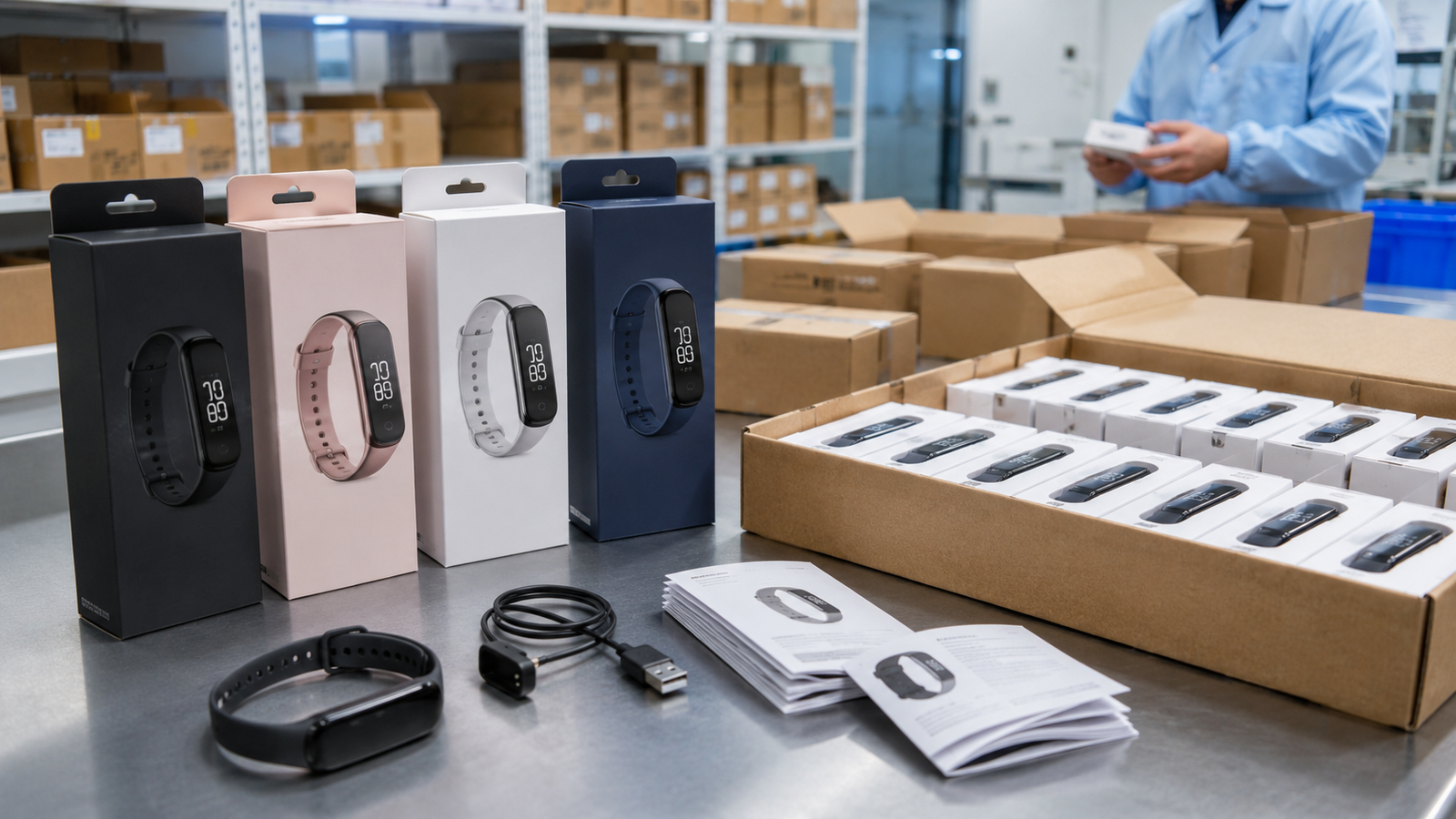
For retail chains, packaging is a sales tool. Localized packaging in the destination language, clear setup instructions, and a branded companion app improve sell-through and reduce returns. Agree warranty terms and spare parts availability upfront.
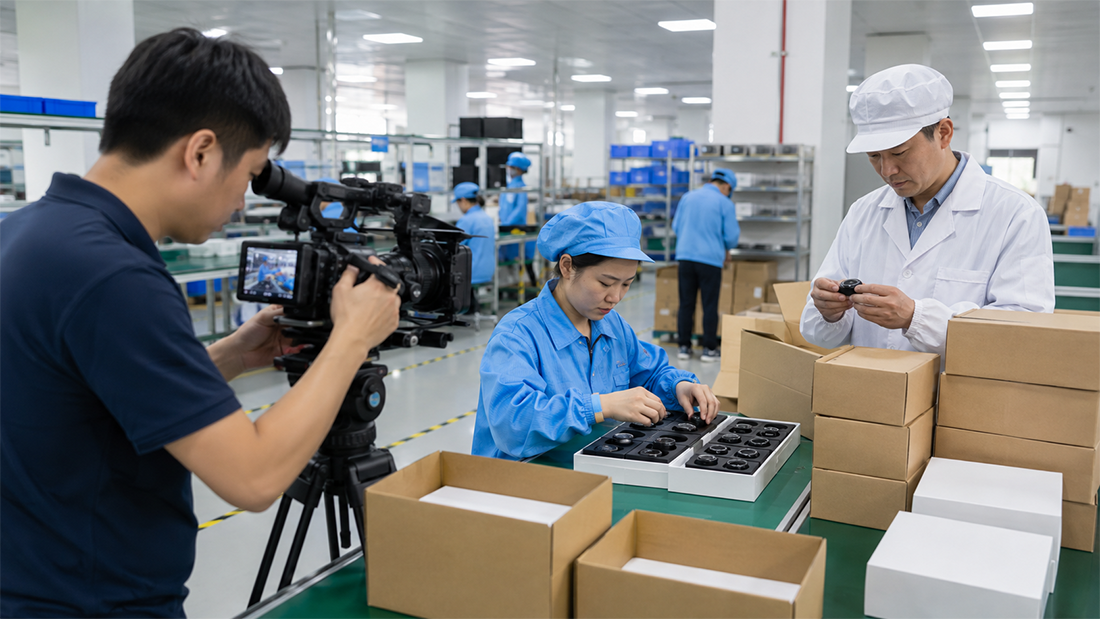
If you are evaluating multiple suppliers, it helps to compare not just unit price but the strength of the private-label program. STAR KING’s Private Label OEM/ODM solution is built around this kind of multi-market retail rollout.
AI Translator Spec & Buyer Comparison Table
| Spec | Entry Retail SKU | Mid-Tier Retail SKU | Premium Retail SKU |
|---|---|---|---|
| Translation mode | Online only | Online + partial offline | Full offline + online |
| Language pairs | 2–5 | 5–20 | 20+ |
| Display | Basic LCD | Color touchscreen | High-res touchscreen |
| Connectivity | Wi-Fi | Wi-Fi + Bluetooth | Wi-Fi + 4G/eSIM |
| Battery life | 4–6 hours | 8–10 hours | 12+ hours |
| Target retail price band | Entry | Mid | Premium |
| Best for | Tourist impulse buy | Business traveler | Multi-country pro user |
OEM/ODM and Private-Label Options for Retail Chains
Retail chains usually have three paths. First, private label: brand an existing AI translator platform with your logo and packaging. This is the fastest and lowest-risk option. Second, OEM: adapt the hardware or app with moderate changes — for example, a custom language pack or a store-brand app. Third, ODM: develop a new form factor or feature set, which requires longer timelines and higher tooling investment.
Before committing, clarify ownership of molds, firmware, app code, and language pack licenses. Buyers should also understand who maintains the translation engine and how updates are delivered. A device that cannot receive language updates may lose accuracy over time.
For supply planning, coordinate with your Smart Retail & E-commerce solution roadmap so that AI translators sit alongside other smart hardware categories in the same buying plan.
MOQ, Landed Cost, and Lead Time Planning
MOQ for AI translators is typically driven by three factors: language pack licensing, hardware platform choice, and packaging print runs. If you want a custom language combination, the supplier may require a higher minimum to cover integration work. If you choose a standard platform with existing language packs, MOQ is often lower.
Landed cost should include:
- Unit price at the agreed MOQ tier
- Freight and insurance to your destination port
- Import duty and any local taxes
- Certification and registration fees
- Packaging localization
- Spare parts and warranty reserve
Lead time depends on whether you are buying an existing SKU or customizing. Sample approval, tooling (if required), language pack integration, and packaging print runs are the main time drivers. Build a buffer for the first production run and confirm the production schedule in writing.
Certification and Compliance by Southeast Asia Market
Certification is one of the most common sources of delay in Southeast Asia retail rollouts. Requirements vary widely. Some markets require local type approval for radio devices; others accept international test reports. General consumer electronics may need safety, EMC, and battery transport documentation.
If your AI translator includes a lithium battery, you may need to provide UN 38.3 test summaries and safety data sheets for shipping. RoHS and REACH documentation may also be requested by retail partners or customs. Buyers should verify the exact requirement set with local regulators, customs brokers, and their retail channel’s compliance team. Do not assume that CE or FCC marks alone satisfy every Southeast Asian market.
App, Firmware, and Language Pack Considerations
The software layer often determines the retail success of an AI translator. Key questions include: Is the app available in the local language? Can users update language packs without returning the device? How is user data handled? What happens if the translation engine provider changes terms?
Retail chains should ask suppliers about update frequency, offline model size, and whether the app can be white-labeled. If your store brand requires a custom app, confirm development time and ongoing maintenance costs. It is also worth checking how the device performs when Wi-Fi is unavailable, since many shoppers will use it while traveling.
Common Mistakes and Buyer Red Flags
- Buying on unit price alone. The cheapest device may have limited offline languages or weak microphones.
- Skipping real-world sample testing. Office demos hide noise and latency problems.
- Assuming one certification fits all markets. Requirements differ by country.
- Ignoring language pack licensing. Unclear licensing can create legal and cost problems later.
- No plan for updates or after-sales. Devices that cannot be updated age quickly.
- Unclear mold and IP ownership. Get ownership terms in writing before paying for tooling.
- Over-ordering early SKUs. Start with a test quantity and scale based on sell-through.
Practical Buyer Checklist
| Area | Buyer Action |
|---|---|
| Market | List destination countries and confirm local certification needs |
| Language | Define priority language pairs and offline requirements |
| Supplier | Validate manufacturing experience, references, and quality process |
| Sample | Test in noisy, real-world conditions |
| Commercials | Agree MOQ, price tiers, payment terms, and lead time |
| Brand | Confirm logo, packaging, and app customization scope |
| Compliance | Collect test reports and certificates for each market |
| After-sales | Define warranty, spare parts, and support process |
FAQ: AI Translator Sourcing for Retail Chains
What is a realistic MOQ for private-label AI translators?
MOQ depends on language packs, hardware platform, and packaging. Standard platforms often have lower minimums than fully customized language sets. Ask your supplier for a SKU-level MOQ table.
Do AI translators need certification in every Southeast Asian country?
Requirements vary. Radio-equipped devices may need local type approval in some markets, while others may accept international test reports. Buyers should verify with local regulators and customs brokers.
How long does it take to develop a custom AI translator?
Timelines depend on whether you choose private label, OEM, or ODM. Private label is fastest; ODM with new tooling takes longer. Request a written schedule with milestones.
Can the translation app be white-labeled for our retail chain?
Many suppliers offer app customization, but scope and cost vary. Confirm development time, update policy, and ongoing maintenance before committing.
What is the biggest risk in AI translator sourcing?
Weak offline performance and unclear language pack licensing are common risks. Test in real conditions and get licensing terms in writing.
Should we start with one SKU or several?
Start with one hero SKU to validate demand, then expand into mid-tier and premium tiers based on sell-through data.
How do we handle lithium battery shipping requirements?
Devices with lithium batteries typically require UN 38.3 documentation and may need additional transport paperwork. Confirm with your freight forwarder.
Conclusion
Sourcing AI translators for Southeast Asia retail chains is a step-by-step process, not a single purchase order. Define the use case, lock the specs, validate samples in real conditions, confirm certification for each market, and agree commercial terms that protect your margin. Retailers that follow this structure are better positioned to build a repeatable, profitable private-label line.
STAR KING CTA
Ready to evaluate AI translators for your Southeast Asia retail program? Request a quotation or discuss an OEM/ODM project with our team. We can help you compare specifications, review customization options, and confirm certification requirements for your target markets. Request a quote or review our sourcing resources for more guides.
Discuss Your Smart Wearable OEM/ODM Project
Planning a smart ring, smart watch, smart band, AI glasses, AI translator, or AI voice mouse project? Contact STAR KING to discuss product positioning, sample testing, customization scope, certification requirements, lead time, and quotation details.

Team Star King

Scan WhatsApp QR code
Leave a Reply