AI smart glasses UK import: How to Import AI Smart Glasses to the UK: 7 Essential Steps for Distributors
AI smart glasses UK import buyers need a supplier evaluation process that checks product fit, OEM/ODM capability, compliance documents, quality control, pricing, lead time, and after-sales support before placing a bulk order.
Table of Contents
Table of Contents
How to Import AI Smart Glasses to the UK: 7 Essential Steps for Distributors
Importing AI smart glasses to the UK as a distributor requires more than finding a factory and booking freight. You need to verify UK product regulations, confirm certification scope, plan for lithium battery shipping, and build a margin structure that survives UK VAT and duty. This guide breaks the process into seven actionable steps, with checklists, a cost table, and the procurement questions UK distributors ask before placing a bulk order.
AI smart glasses UK import: Table of Contents
- Step 1: Define Your UK Market Entry Strategy
- Step 2: Verify UK Regulations and Certification
- Step 3: Evaluate and Select a Manufacturer
- Step 4: Request Samples and Validate Quality
- Step 5: Negotiate MOQ, Lead Time, and Incoterms
- Step 6: Calculate Landed Cost and Margin
- Step 7: Plan Packaging, Labeling, and Logistics
- Distributor Buyer Checklist
- FAQ
Key Takeaways
- UK regulations for AI smart glasses typically involve UKCA marking, EMC, RoHS, and lithium battery rules; verified per product configuration.
- Distributors should confirm certification scope before ordering—not after goods arrive at port.
- MOQ and lead time vary widely; typical MOQs range from 500 to 2,000 units for private label, with lead times of 4–8 weeks after deposit.
- Landed cost includes product cost, freight, duty (usually 0–4% for smart glasses HS 9004/8517 lines), 20% VAT, and handling.
- Samples should be tested for fit, battery life, translation accuracy, and app stability before mass production.
- Red flags include unverifiable certifications, refusal to share test reports, and no clear after-sales process.
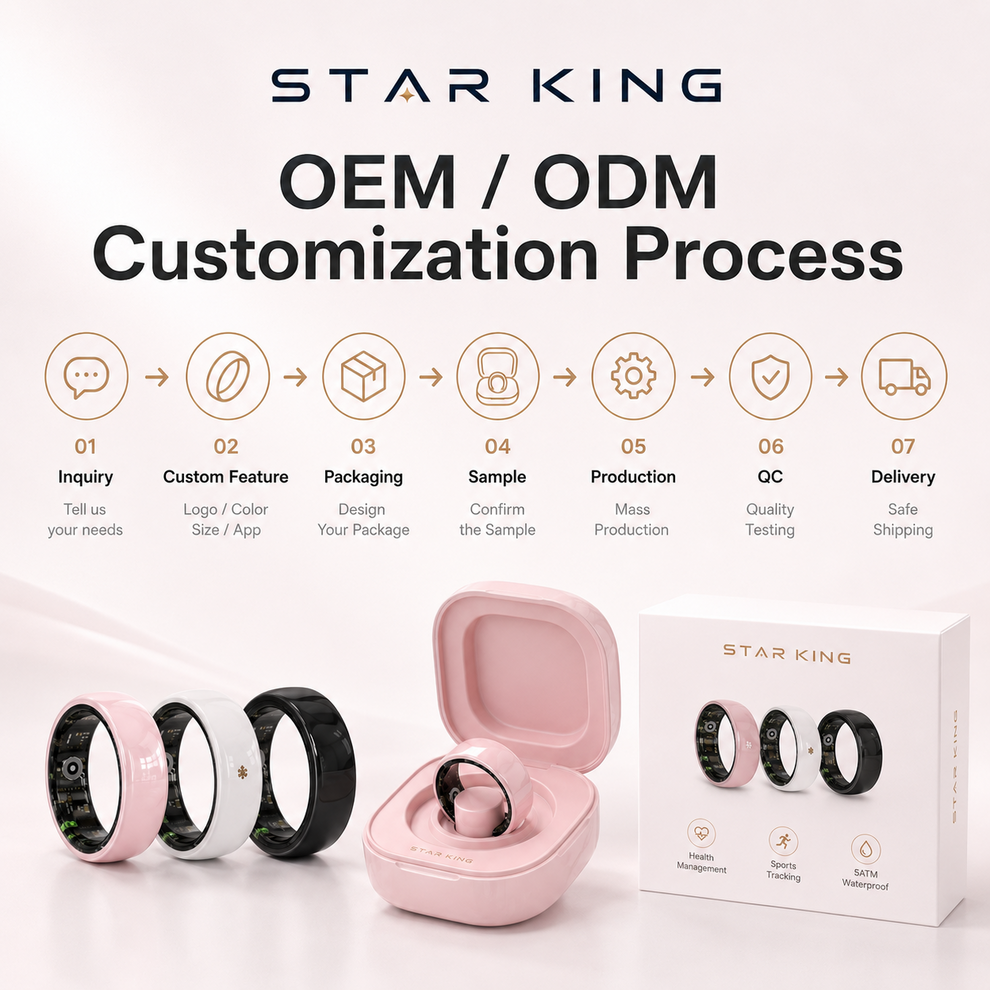
Step 1: Define Your UK Market Entry Strategy
Before contacting suppliers, clarify where your AI smart glasses will sell: specialist electronics retail, online marketplaces, or B2B channels like corporate wellness or field service. UK distributors often split opportunities into consumer electronics, accessibility aids, and productivity devices for tradespeople. Your channel determines the product configuration—speaker quality, translation accuracy, frame style, and app ecosystem.
For example, a distributor targeting hearing-assist users may prioritise real-time translation and clear audio, while an office productivity focus may need voice control and calendar integration. Document your top two use cases and a rough volume forecast. This gives you a benchmark when comparing suppliers and negotiating MOQ. If you are new to this category, review AI Smart Glasses to understand standard features and OEM options.
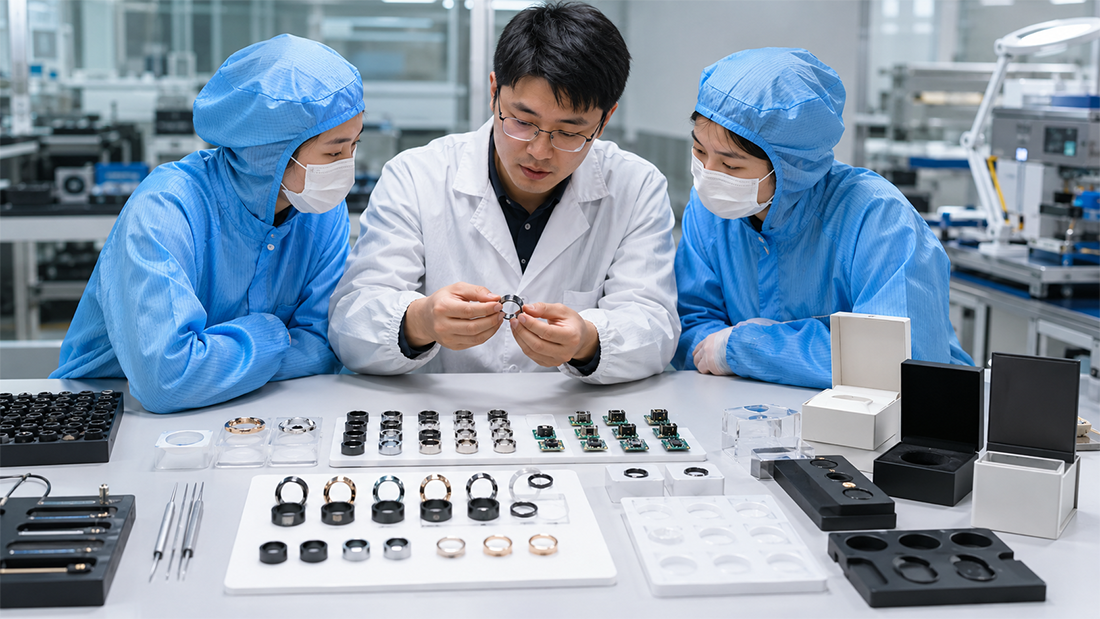
Step 2: Verify UK Regulations and Certification
AI smart glasses sold in Great Britain typically require UKCA marking, which replaced CE marking for most goods. However, CE marking may still be accepted in certain cases until rules fully align. Because requirements can change, distributors should verify the current position with an approved body or the UK government’s guidance before committing to a purchase order.
Key compliance areas include:
- UKCA/CE: Required for electrical/electronic products; covers safety and EMC.
- RoHS: Restricts hazardous substances in electrical equipment.
- WEEE: Distributors may have take-back obligations; check registration with a compliance scheme.
- Battery regulations: Lithium batteries must meet UN38.3 for transport; MSDS may be needed.
- Radio equipment (if Bluetooth/Wi-Fi): Must comply with UK Radio Equipment Regulations.
Ask your supplier for the test reports behind each claim. A certificate without an accompanying test report is difficult to validate. For official references, see the UK Government UKCA guidance and FCC if you also plan US sales.
Image suggestion: Place a diagram or photo showing UKCA mark and compliance checklist. Alt text: “AI smart glasses UK import certification checklist”.
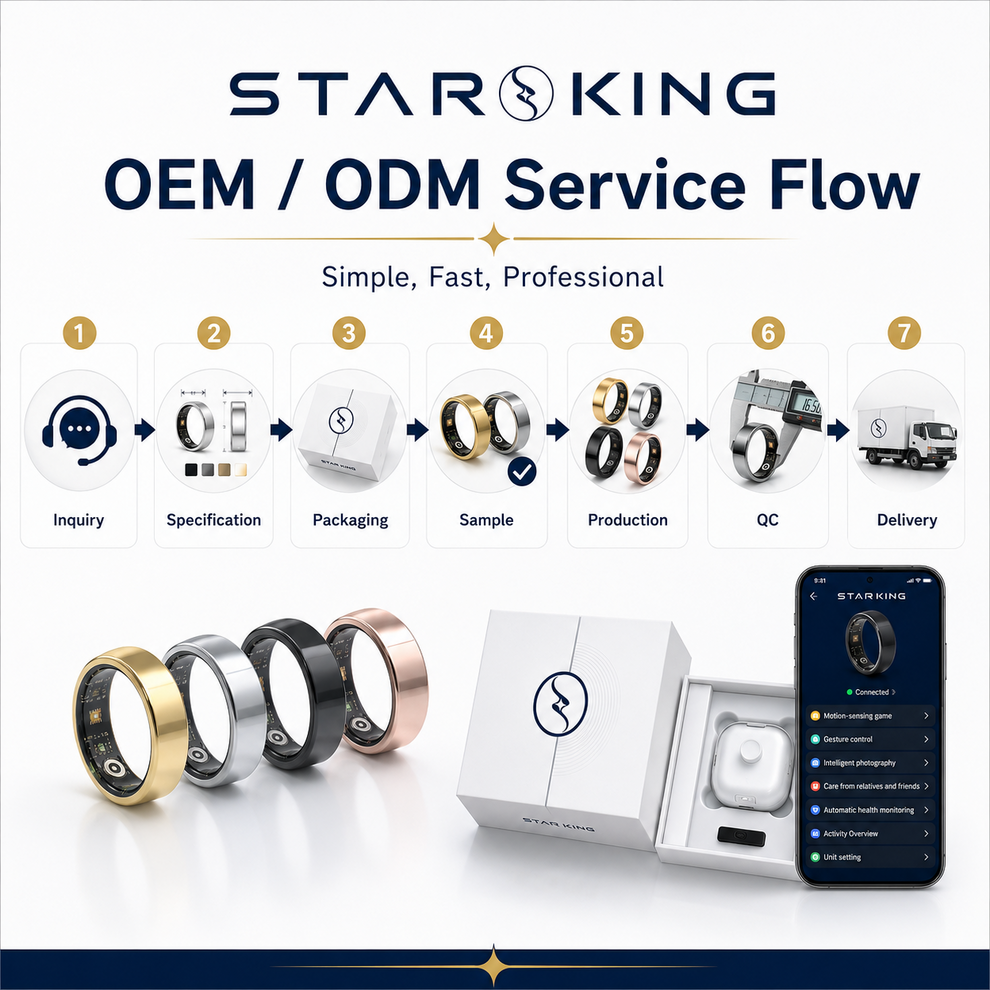
Step 3: Evaluate and Select a Manufacturer
Not all factories that assemble smart glasses can support UK distributors. Look for suppliers with documented quality systems, experience in international certification, and the ability to customise firmware and app features. Request evidence of prior UK or EU shipments—commercial invoices with HS codes and destination ports are useful but should be handled confidentially.
Key evaluation criteria:
- OEM/ODM capability: Can they modify hardware, firmware, and app? Do they offer private label?
- Certification history: Which certifications have they actually obtained for AI glasses? Ask for report summaries.
- Quality system: ISO 9001 is a baseline; check for incoming material inspection, in-line testing, and final QC.
- Communication: Response time, English documentation, and willingness to share real production schedules.
- Battery safety: Do they use cells with UN38.3 reports and MSDS?
For distributors seeking a partner with OEM/ODM experience, STAR KING’s Private Label OEM/ODM solutions provide a reference model for customisation scope. A structured supplier scorecard helps compare candidates objectively.
Step 4: Request Samples and Validate Quality
Samples are essential but often rushed. Treat sample evaluation as a mini product launch. Test across at least three weeks with real users. Measure battery life under typical use, translation accuracy with different accents, Bluetooth range, and app stability on both iOS and Android. Also check frame comfort for extended wear and lens options if prescription inserts are offered.
Create a sample scorecard with weighted scores for:
| Test Area | What to Measure | Pass Criteria (Example) |
|---|---|---|
| Battery life | Continuous use, mixed use | ≥4 hours continuous; ≥10 hours mixed |
| Translation accuracy | 10 common phrases, 3 accents | ≥90% accurate |
| App stability | Crashes per 100 uses | ≤2 crashes |
| Fit & comfort | Wear test with 5 users | No pressure points after 1 hour |
| Build quality | Hinge, temple, lens mount | No looseness; consistent finish |
If the sample fails, document issues and request a revised sample before discussing mass production. Avoid paying for tooling until the sample meets your criteria.
Image suggestion: A photo of a distributor testing AI smart glasses with a laptop or smartphone. Alt text: “Distributor testing AI smart glasses for UK import”.
Step 5: Negotiate MOQ, Lead Time, and Incoterms
MOQ and lead time are often the biggest friction points. For AI smart glasses, standard MOQ for private label with custom logo and packaging may start at 500–1,000 units, while full ODM with new tooling can be 2,000–5,000 units. Lead time typically runs 4–8 weeks after deposit and sample approval, but can extend during component shortages.
Incoterms matter for cost and risk. FOB (Free On Board) is common for experienced distributors; DDP (Delivered Duty Paid) can simplify but may hide costs. For UK imports, ensure the supplier can handle UKCA labeling requirements and provide the necessary documentation for customs.
Negotiation points:
- Payment terms: 30% deposit, 70% before shipment is standard; try to link balance to pre-shipment inspection.
- MOQ breaks: ask for tiered pricing at 500, 1,000, and 2,000 units.
- Lead time buffer: add 2 weeks to the quoted lead time for your launch plan.
- Exclusivity: for distributors, territorial exclusivity may be negotiable based on volume commitment.
Step 6: Calculate Landed Cost and Margin
Landed cost is where many UK distributors get surprised. Build a model that includes product cost, freight, insurance, import duty, VAT, and handling. For AI smart glasses, HS codes can fall under 9004 (spectacles) or 8517 (communication devices), with duty rates typically 0–4% depending on classification. The UK Global Tariff applies; verify the correct code with a customs broker.
Example landed cost table (for illustration only, not a quote):
| Cost Component | Example Amount (per unit) | Notes |
|---|---|---|
| FOB unit cost | £120.00 | Based on 1,000-unit order |
| Freight & insurance | £8.00 | Air freight, per unit allocation |
| Import duty (2%) | £2.40 | Verify HS code |
| VAT (20%) | £24.00 | Recoverable if VAT-registered |
| Handling & customs | £3.00 | Broker fees |
| Total landed cost | £157.40 | Excluding VAT recovery |
If your target retail price is £299, the gross margin after landed cost is about 47% before marketing and overhead. Adjust for your channel. For more on cost drivers, see Smart Retail & E-commerce solutions.
STAR KING can provide a detailed cost breakdown for your configuration. Request a quotation to start a landed cost analysis for your UK distribution plan.
Step 7: Plan Packaging, Labeling, and Logistics
UK packaging must show the UKCA mark, manufacturer or importer details, and WEEE symbol where applicable. User manuals should be in English. If you private label, your brand and UK address must appear. Battery transport requires UN38.3 test reports and proper labeling (Class 9 lithium battery mark).
Logistics considerations:
- Choose sea freight for large orders to reduce cost; air freight for samples or urgent restock.
- Ensure the supplier provides MSDS and UN38.3 reports to the freight forwarder.
- Plan for potential customs delays; keep safety stock for your best-selling SKU.
For a full overview of product development and packaging customisation, see Private Label OEM/ODM.
Distributor Buyer Checklist
- ☐ Confirm target use cases and volume forecast.
- ☐ Verify UKCA/CE, RoHS, WEEE, and battery compliance for the exact model.
- ☐ Obtain test reports, not just certificates.
- ☐ Request samples and score performance against a weighted checklist.
- ☐ Agree MOQ, lead time, payment terms, and Incoterms in writing.
- ☐ Calculate landed cost with your customs broker.
- ☐ Finalise packaging, labeling, and user manual in English.
- ☐ Confirm lithium battery shipping documents (UN38.3, MSDS).
- ☐ Define after-sales, warranty, and spare parts process.
- ☐ Consider tooling ownership and IP clauses if custom design.
Common Mistakes and Buyer Red Flags
- Accepting certificates at face value: Always request the underlying test report and check the model number matches.
- Ignoring lithium battery rules: Non-compliant batteries can be rejected at port or cause safety incidents.
- Underestimating landed cost: VAT and duty can erode margins if not modelled.
- Skipping sample testing: A rushed sample can lead to mass production failures.
- No written agreement on lead time: Verbal promises are not enforceable; include penalties if necessary.
- Unclear after-sales: Confirm warranty terms and spare parts availability before ordering.
FAQ
What certifications do AI smart glasses need for the UK?
Typically UKCA marking, RoHS, and WEEE compliance, plus UN38.3 for lithium batteries. If the product has Bluetooth or Wi-Fi, radio equipment regulations apply. Requirements depend on the exact configuration; buyers should verify with an approved body.
What is the typical MOQ for private label AI smart glasses?
MOQ often ranges from 500 to 1,000 units for logo and packaging customisation, and can be higher (2,000–5,000 units) for full ODM with new tooling. MOQ depends on the supplier and the level of customisation.
How long does production take after I place an order?
Lead time is commonly 4–8 weeks after deposit and sample approval. Add buffer for component availability and shipping. Always confirm in writing.
Can I import AI smart glasses with my own brand?
Yes, many factories offer private label and OEM services. You will need to provide brand assets and may need to adjust packaging and labeling to meet UK requirements.
How do I calculate landed cost for UK import?
Add product cost, freight, insurance, import duty (check HS code), VAT (20%), and handling. Use a customs broker to confirm duty rates. VAT is recoverable if you are VAT-registered.
What are red flags when choosing a supplier?
Red flags include refusal to share test reports, vague certification claims, no clear quality process, poor communication, and no after-sales policy.
Do I need to register for WEEE as a distributor?
Yes, distributors of electrical equipment in the UK typically have WEEE obligations, including take-back and registration with a compliance scheme. Check with the Environment Agency or a compliance advisor.
Conclusion
Importing AI smart glasses to the UK as a distributor is a structured process: verify compliance, validate samples, negotiate terms, and model landed cost before committing. The UK market offers opportunities in consumer electronics, corporate wellness, and accessibility, but success depends on supplier diligence and regulatory preparation. Use the seven steps and checklist above to reduce risk and build a profitable distribution channel. For official guidance, refer to the UKCA marking guidance and WEEE regulations.
Ready to Import AI Smart Glasses to the UK?
STAR KING supports distributors with OEM/ODM, certification documentation, and sample development. Contact us to discuss your UK market entry, confirm certification requirements, and request a quotation.
Discuss Your Smart Wearable OEM/ODM Project
Planning a smart ring, smart watch, smart band, AI glasses, AI translator, or AI voice mouse project? Contact STAR KING to discuss product positioning, sample testing, customization scope, certification requirements, lead time, and quotation details.

Team Star King

Scan WhatsApp QR code