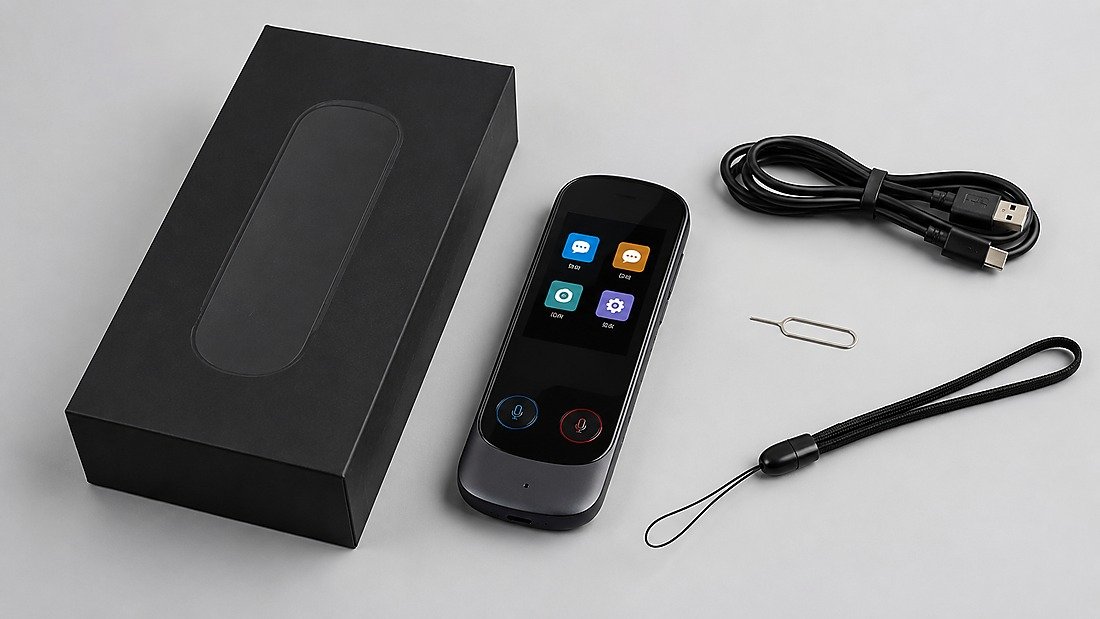
AI translator suppliers: How to Source AI Translators for Southeast Asia in 2026: 7-Point Buyer Checklist for E-Commerce Sellers
AI translator suppliers buyers need a supplier evaluation process that checks product fit, OEM/ODM capability, compliance documents, quality control, pricing, lead time, and after-sales support before placing a bulk order.
Table of Contents
Table of Contents
How to Source AI Translators for Southeast Asia in 2026: 7-Point Buyer Checklist for E-Commerce Sellers
Sourcing AI translators for Southeast Asia e-commerce in 2026 means matching offline translation accuracy, language coverage, battery specs, and certifications to each target market while controlling landed cost. The strongest approach is to shortlist two to three verified manufacturers, test samples in real SEA conditions, and confirm MOQs, firmware updates, and import compliance before placing a volume order. This guide gives e-commerce sellers a seven-point checklist covering product selection, OEM/private-label options, pricing, quality control, certification, logistics, and after-sales support.
AI translator suppliers: Table of Contents
- Southeast Asia in 2026: What Changes for AI Translator Sellers
- Key Facts for Buyers
- 7-Point Buyer Checklist for Sourcing AI Translators
- Price and Landed Cost Breakdown
- Common Mistakes and Buyer Red Flags
- Practical Buyer Checklist
- FAQ
- Conclusion
Key Takeaways
- AI translators for Southeast Asia e-commerce sourcing depends on offline accuracy, local language pairs, battery life, and UN38.3-ready lithium batteries.
- MOQs typically start at a few hundred units for standard models and rise for full private-label tooling and packaging.
- Certification costs vary by product configuration and target market; CE, FCC, RoHS, and UN38.3 may be required depending on the destination.
- Sample testing should include real-world phrase testing, microphone pickup in noisy settings, and battery drain checks.
- Firmware and app update policies affect returns and customer satisfaction after the launch window.
Direct Answer: How Buyers Should Source AI Translators for Southeast Asia
Buyers should first lock the use case (travel, retail, education, or B2B field work), then verify that the device handles common Southeast Asian language pairs offline. Next, confirm the supplier’s quality control process, battery certification status, MOQ tiers, and firmware update commitment. Only after samples pass real-world tests should a purchase order be placed.
Southeast Asia in 2026: What Changes for AI Translator Sellers
Southeast Asia is not one market. Indonesia, Thailand, Vietnam, the Philippines, Malaysia, and Singapore each have different dominant languages, consumer price sensitivity, and import rules. AI translators are not sold the same way across these markets. A product page that works for a Singapore buyer may fail in Jakarta or Ho Chi Minh City if language pairs or offline behavior are not aligned with local expectations.
For e-commerce sellers, the practical implication is that a single SKU rarely fits the whole region. It may be better to plan two or three variants: one entry-level model with limited offline pairs, one mid-tier model with broader language support, and one premium model with a larger display, higher battery capacity, or SIM/Wi-Fi cloud translation. Each variant has different landed costs and different compliance paths.
Key Facts for Buyers
| Item | Typical 2026 Range | Buyer Notes |
|---|---|---|
| Sample lead time | 3–10 working days | Depends on model stock and custom logo/packaging |
| Standard MOQ | A few hundred units | Lower for stocked models, higher for full private label |
| Mass production lead time | 15–35 days after deposit | Longer during holiday or raw material shortages |
| Unit ex-works price | Low to mid US$ range | Varies with offline language packs, display, and memory |
| Battery certification | UN38.3 and MSDS | Needed for lithium battery air shipments |
| Market compliance | May require CE, FCC, RoHS, or local registration | Buyers should verify per SEA country |
| Private label options | Logo, packaging, app skin | Tooling ownership terms should be written into the contract |
7-Point Buyer Checklist for Sourcing AI Translators
1. Match Language Pairs to the SEA Market
The first check is not the price. It is the language map. Ask the supplier which language pairs run offline, which require internet, and how accurately the device handles accents and dialects. A translator that is strong in English–Mandarin may be weak in Thai, Vietnamese, or Bahasa Indonesia. For e-commerce sellers, the listing should clearly state offline versus online mode, because returns often start when buyers expect offline translation but the device requires a hotspot.
Evaluate the device’s AI translator hardware capabilities in context: how many microphones, how the noise cancellation performs in a market or street environment, and whether the display is readable in bright tropical light.
2. Choose the Right Supply Model: Stock, OEM, ODM, or Private Label
There are four common supply paths for AI translators:
| Model | Customization Level | Typical Buyer | Key Considerations |
|---|---|---|---|
| Stock/OEM logo | Logo on device and box | New e-commerce sellers | Fastest to market; limited differentiation |
| OEM | Logo, packaging, app name | Growing Amazon/Shopee sellers | Better brand control; moderate MOQ |
| ODM | Hardware ID, firmware, app skin | Brands with defined user needs | Development time and tooling costs apply |
| Private Label | Full brand, packaging, app, manuals | Retail and distributor programs | Highest MOQ; clear IP and tooling terms required |
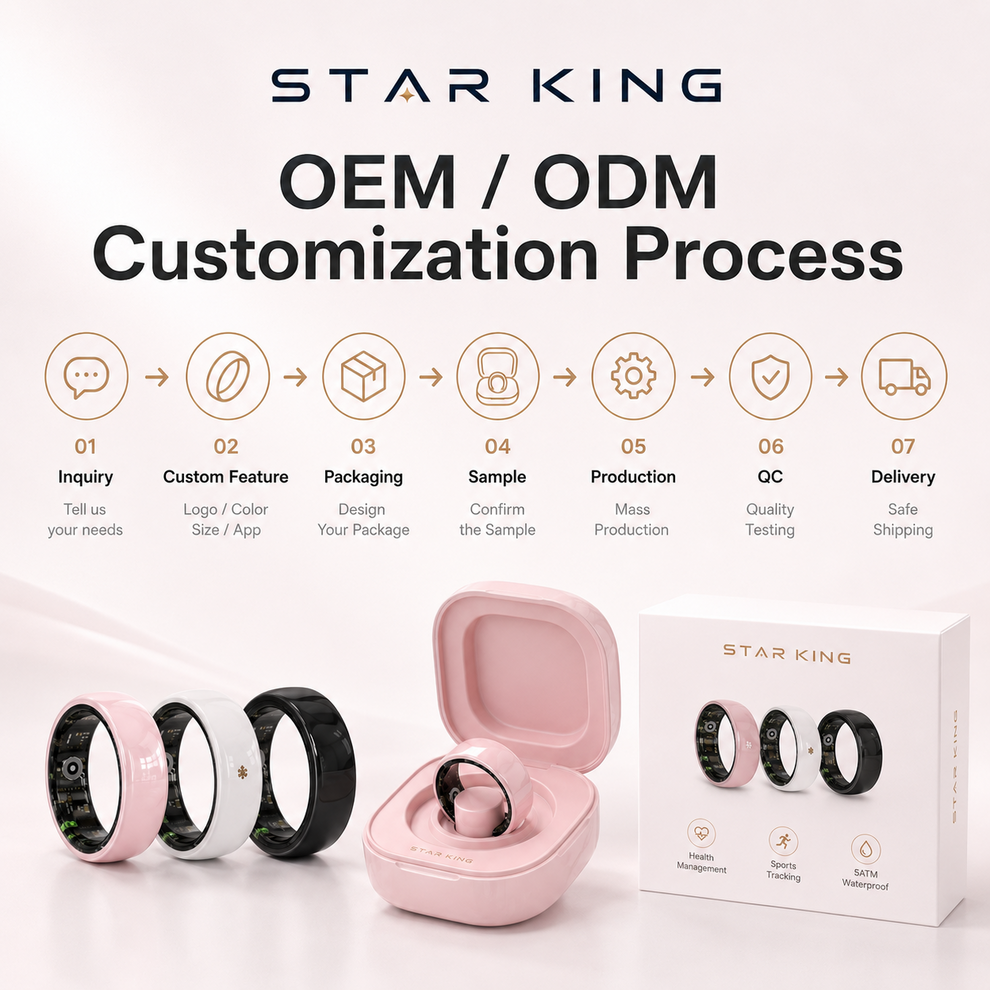
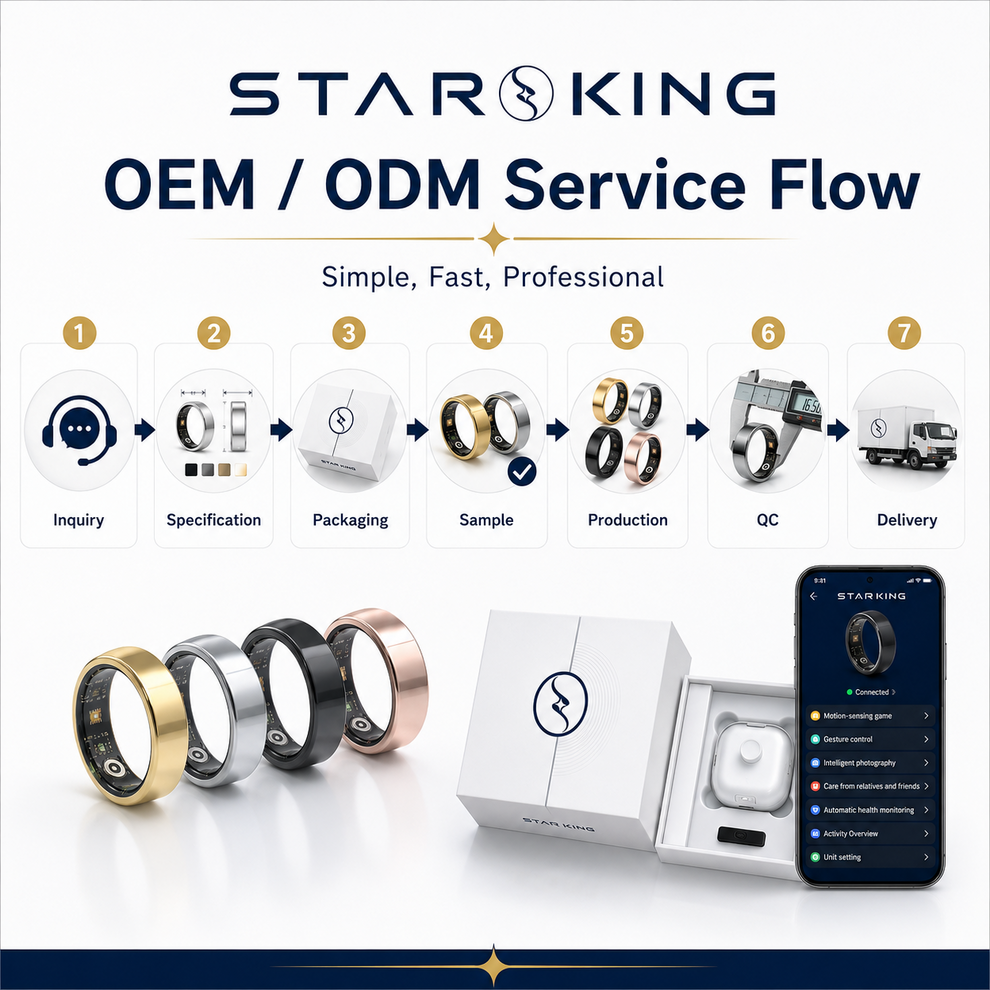
For many Southeast Asia e-commerce sellers, OEM with logo and packaging customization is the practical starting point. It balances brand identity with manageable MOQ and lead time. Full ODM makes sense when you have validated demand and need unique hardware features. Review the private label OEM/ODM program before deciding.
Soft CTA: If you are evaluating OEM or private label options, STAR KING can share available AI translator platforms, customization levels, and sample timelines so you can compare against your target price in Southeast Asia.
3. Understand MOQ and What Drives the Unit Price
MOQ is not a single number. It is usually a tiered structure: higher quantities unlock better unit pricing but require larger deposits and longer production slots. For AI translators, unit cost is driven by:
- Processor and memory configuration
- Number of microphones and audio processing quality
- Display size and type (LCD vs. touch)
- Battery capacity and safety features
- Offline language pack licensing
- Packaging design, inserts, and manuals
- Certification scope and testing
Do not assume a low quote is a good quote. A lower unit price can hide weaker battery cells, fewer offline languages, or untested firmware. Always ask for a written quotation that separates unit price, tooling, certification fees, and shipping terms.
4. Sample Testing and Validation
Samples are not just for checking looks. They are the primary risk control tool. E-commerce sellers should design a sample test plan that includes:
- Translation accuracy for target language pairs in real conversations
- Microphone pickup in noisy environments
- Battery life under continuous translation and standby
- Screen visibility under bright sunlight
- Charging behavior and heat generation
- App pairing stability and firmware update behavior
Document results with video and notes. This evidence protects you in supplier discussions and helps define acceptance criteria for mass production.
5. Quality Control and Production Standards
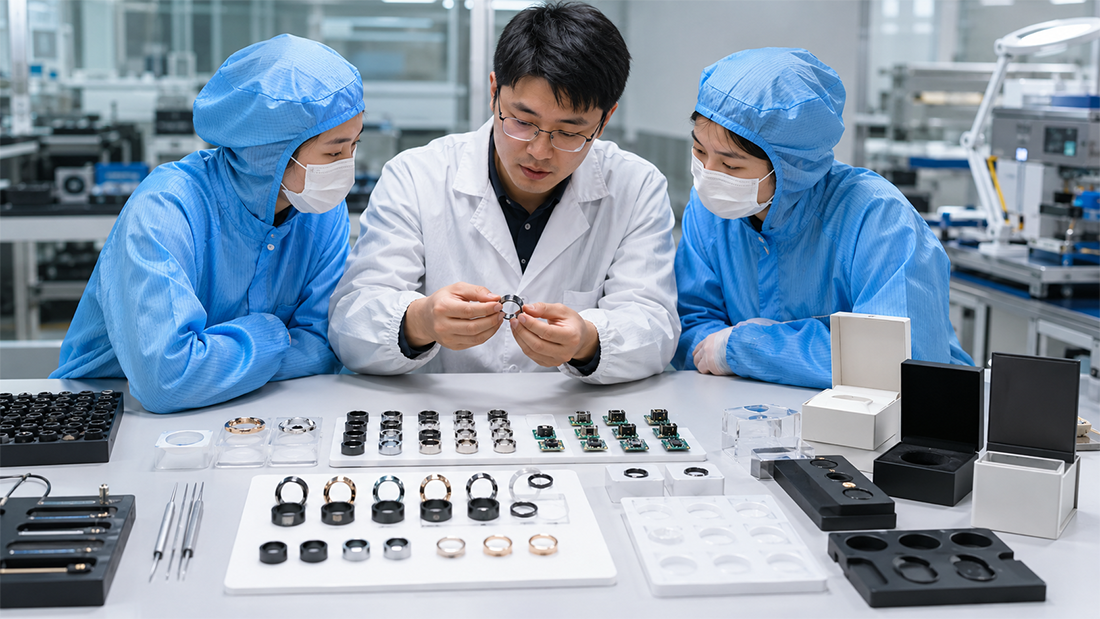
Ask how the factory controls quality. At a minimum, production should include incoming material inspection, in-line testing, and final functional checks. For AI translators, functional testing should cover translation output, microphone, speaker, display, buttons, charging, and Bluetooth pairing.
Request the pre-shipment inspection process and sample AQL standards. If the supplier cannot explain the inspection steps in a clear document, that is a red flag. Quality control is not only about defect rate; it is also about consistency across production batches.
6. Compliance and Certification for Southeast Asia
Compliance is country-specific. Products with lithium batteries generally require UN38.3 test reports and an MSDS for air transport. Depending on the destination, buyers may need CE, FCC, or RoHS documentation, and some Southeast Asian countries have additional registration or labeling requirements.
Buyers should verify current rules with their freight forwarder or local customs broker. For general guidance on product safety and wireless compliance, refer to the FCC equipment authorization procedures and the Bluetooth SIG qualification program if the device uses Bluetooth. Certification scope always depends on the final product configuration.
7. Lead Time, Logistics, and After-Sales
Lead time planning should include raw material lead time, production time, quality inspection, and shipping. For Southeast Asia e-commerce, sellers often use a mix of air freight for initial batches and sea freight for replenishment. Lithium battery shipping rules affect carrier options and packaging.
After-sales matters as much as the initial sale. Ask about warranty terms, spare parts availability, and firmware support. A supplier that offers only one firmware update and no clear support path creates long-term risk for your brand.
For sellers planning broader wearable bundles, it helps to review how remote health wearables are positioned, because cross-selling wearable devices and AI translators can improve average order value if the use cases are compatible.
Price and Landed Cost Breakdown
Unit price is only one part of landed cost. E-commerce sellers should build a cost model that includes:
| Cost Item | What to Confirm | Impact |
|---|---|---|
| Ex-works unit price | Included accessories, charger, cable | Base cost |
| Tooling and setup | Logo, packaging, app skin | One-time or amortized |
| Certification and testing | UN38.3, MSDS, CE, FCC, RoHS | Varies by market |
| Freight | Air vs. sea, battery handling | Significant for lithium batteries |
| Import duty and tax | Country-specific | Can change total cost materially |
| Payment fees | Bank or platform charges | Small but real |
| After-sales reserve | Returns and replacements | Should be planned, not ignored |
A low ex-works price with expensive freight or missing certification can end up costing more than a slightly higher quote from a supplier that includes compliance support.
Common Mistakes and Buyer Red Flags
- Buying on price alone. It often leads to weak batteries, poor microphones, or missing offline language packs.
- Assuming all languages work offline. Many devices rely on cloud translation for less common pairs.
- Ignoring battery shipping rules. Lithium batteries require proper documentation for air freight.
- Accepting verbal certification claims. Ask for actual test reports and verify scope.
- Not clarifying tooling ownership. If you pay for a mold, confirm in writing that you own it.
- Skipping firmware update terms. Post-launch bugs affect reviews and returns.
- Underestimating lead time during peak season. Holiday periods can add weeks.
Practical Buyer Checklist
- Define the target country and dominant language pairs.
- Confirm offline vs. online translation mode for each language.
- Request a written quotation separating unit price, tooling, and certification.
- Order samples and test in real noise conditions.
- Review quality control documents and pre-shipment inspection process.
- Verify UN38.3 and MSDS for battery shipments.
- Confirm market-specific certification requirements before ordering.
- Agree on firmware update cadence and after-sales terms.
- Clarify tooling and IP ownership in the contract.
- Plan initial air freight and later sea freight if volume grows.
FAQ
1. What is a typical MOQ for AI translators?
MOQ depends on the model and customization level. Standard models with logo printing may start at a few hundred units, while full private label with custom packaging and app skin requires higher quantities. Ask for tiered MOQ pricing.
2. Do AI translators need certification for Southeast Asia?
Requirements vary by country and product configuration. Lithium batteries generally need UN38.3 and MSDS for transport. Depending on the market, CE, FCC, or RoHS documentation may be requested. Buyers should confirm with a customs broker or local authority.
3. How long does production take after deposit?
Typical mass production runs 15–35 days after deposit and artwork approval, but this depends on order size, component availability, and factory schedule. Peak seasons can extend lead time.
4. Can I customize the app and firmware?
Many ODM suppliers offer firmware customization and app skin changes. The scope, cost, and development time depend on the platform and your requirements. Clarify update ownership and future support terms.
5. How do I test translation accuracy before mass production?
Order samples and test common phrases, accents, and noisy environments for your target language pairs. Record results and use them as acceptance criteria for mass production.
6. What affects the landed cost most?
Ex-works price, freight (especially for lithium batteries), import duty, and certification costs are the main factors. Build a full cost model rather than comparing unit prices only.
7. Who owns the tooling if I pay for it?
Ownership should be defined in the contract. If you fund custom tooling, confirm in writing that you own it and that it will be maintained for future orders.
Conclusion
Sourcing AI translators for Southeast Asia e-commerce in 2026 is a structured procurement process, not a simple price comparison. Sellers who match language pairs to real market demand, validate samples, confirm compliance, and plan landed cost will reduce returns and build stronger listings. Focus on suppliers that can explain quality control, certification scope, and firmware support clearly. For more sourcing context, explore the STAR KING blog.
STAR KING CTA
Ready to move from research to a real quotation? Share your target Southeast Asia market, preferred language pairs, and estimated order quantity. STAR KING can provide AI translator specifications, OEM/private label options, sample timelines, and certification guidance so you can compare landed cost and plan your launch.
Request a quotation and sample plan for your AI translator project.
Discuss Your Smart Wearable OEM/ODM Project
Planning a smart ring, smart watch, smart band, AI glasses, AI translator, or AI voice mouse project? Contact STAR KING to discuss product positioning, sample testing, customization scope, certification requirements, lead time, and quotation details.

Team Star King

Scan WhatsApp QR code