
AI smart glasses suppliers: AI Smart Glasses for Amazon Sellers: 7 Critical Checks Before You Import to the UK
November 16, 2026 · Team Star King

AI smart glasses suppliers buyers need a supplier evaluation process that checks product fit, OEM/ODM capability, compliance documents, quality control, pricing, lead time, and after-sales support before placing a bulk order.
Table of Contents
Table of Contents
AI Smart Glasses for Amazon Sellers: 7 Critical Checks Before You Import to the UK
If you are an Amazon seller evaluating AI smart glasses for the UK market, the key is to verify compliance, battery shipping, and supplier reliability before committing to inventory. AI smart glasses combine a camera, audio, and AI processing in a wearable form factor, and importing them requires attention to UKCA/CE marking, UN38.3 lithium battery rules, and Amazon’s product safety policies. This guide gives you seven critical checks to perform during supplier evaluation, so you can avoid costly delays and build a compliant, profitable product line.
AI smart glasses suppliers: Table of Contents
- Short Answer
- Key Takeaways
- Key Facts for Buyers
- 1. Understand the Product and Its Intended Use
- 2. Verify UK and EU Compliance Requirements
- 3. Assess Lithium Battery Shipping and Safety
- 4. Evaluate Supplier Capabilities and OEM/ODM Options
- 5. Plan for Quality Control and Product Testing
- 6. Review Packaging, Branding, and Amazon Requirements
- 7. Calculate Landed Cost and MOQ
- Comparison Table: Supplier Evaluation Checklist
- Common Mistakes and Buyer Red Flags
- Practical Buyer Checklist
- FAQ
- Conclusion
Short Answer
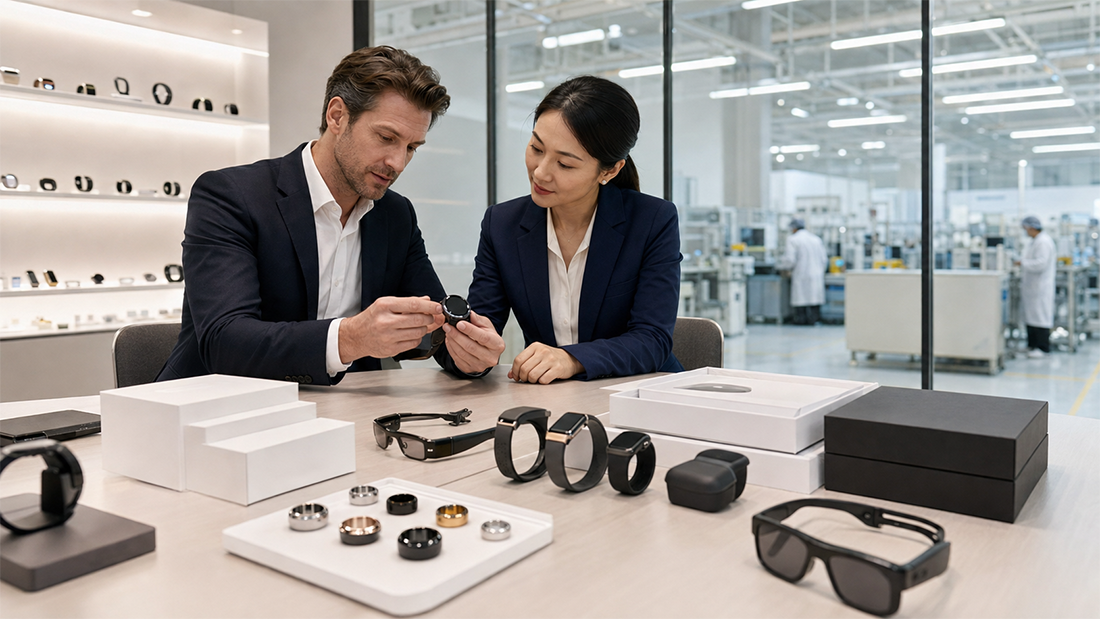
To import AI smart glasses for Amazon UK, verify that the supplier can provide UKCA/CE marking, UN38.3 and MSDS for the battery, and test reports for EMC and safety. Confirm MOQ, lead time, and OEM options, and calculate landed cost including VAT and duties. Always request samples and inspect before mass production.
Key Takeaways
- AI smart glasses for Amazon sellers require compliance with UKCA/CE, RoHS, and battery regulations.
- Lithium battery shipping needs UN38.3, MSDS, and proper labeling for air transport.
- Supplier evaluation should cover certification, quality control, and OEM/ODM flexibility.
- Amazon has specific requirements for product labeling, packaging, and safety documentation.
- Landed cost calculation must include shipping, duties, VAT, and Amazon fees.
- Samples and pre-shipment inspections reduce risk and ensure product quality.
Key Facts for Buyers
| Factor | Typical Requirement |
|---|---|
| Certification | UKCA and CE marking for UK and EU; RoHS compliance |
| Battery | UN38.3 test report, MSDS, and proper shipping labels |
| MOQ | Typically 500-1,000 units for OEM; lower for stock models |
| Lead Time | 30-60 days after order confirmation, depending on customization |
| Testing | EMC, safety, and RF tests as applicable; drop and waterproof testing recommended |
| Amazon Compliance | Product safety documentation, labeling, and packaging requirements |
1. Understand the Product and Its Intended Use
AI smart glasses, such as those offered by STAR KING AI smart glasses, typically include a camera, microphone, speaker, and AI processing for features like real-time translation, voice assistance, and audio playback. Before importing, clarify the exact features and whether any are considered medical or regulated. For example, if the glasses include health monitoring, additional regulations may apply. Define the intended use and target audience on Amazon UK to ensure compliance with category-specific rules.
Product Specification Trade-offs
Battery life, weight, and processing power are key trade-offs. Longer battery life may increase weight, affecting comfort. Buyers should request detailed specs and test samples to evaluate performance. Consider whether features like AI office productivity are relevant for your target customers.
2. Verify UK and EU Compliance Requirements
For the UK market, AI smart glasses typically require UKCA marking, which replaces CE marking for Great Britain. However, CE marking may still be accepted in some cases. Buyers should verify current requirements with the UK government and ensure the supplier can provide test reports for EMC, safety, and RF. RoHS compliance is also mandatory for electronic products. For more details, refer to the UKCA marking guidance.
Certification Documentation
Request copies of certificates and test reports. Ensure they are issued by accredited laboratories and cover the specific model. Certificates should be traceable and valid. STAR KING can provide applicable certifications for each product configuration; buyers should confirm requirements based on their target market.
3. Assess Lithium Battery Shipping and Safety
AI smart glasses contain lithium-ion or lithium-polymer batteries, which are regulated for transport. Suppliers must provide UN38.3 test reports and MSDS. Shipping by air requires proper labeling and packaging. Amazon also has restrictions on lithium battery products. Verify that the supplier follows IATA Dangerous Goods Regulations for air transport.
Battery Quality and Testing
Ask about battery cycle life, safety features (e.g., overcharge protection), and aging tests. Poor battery quality can lead to returns and safety issues.
4. Evaluate Supplier Capabilities and OEM/ODM Options
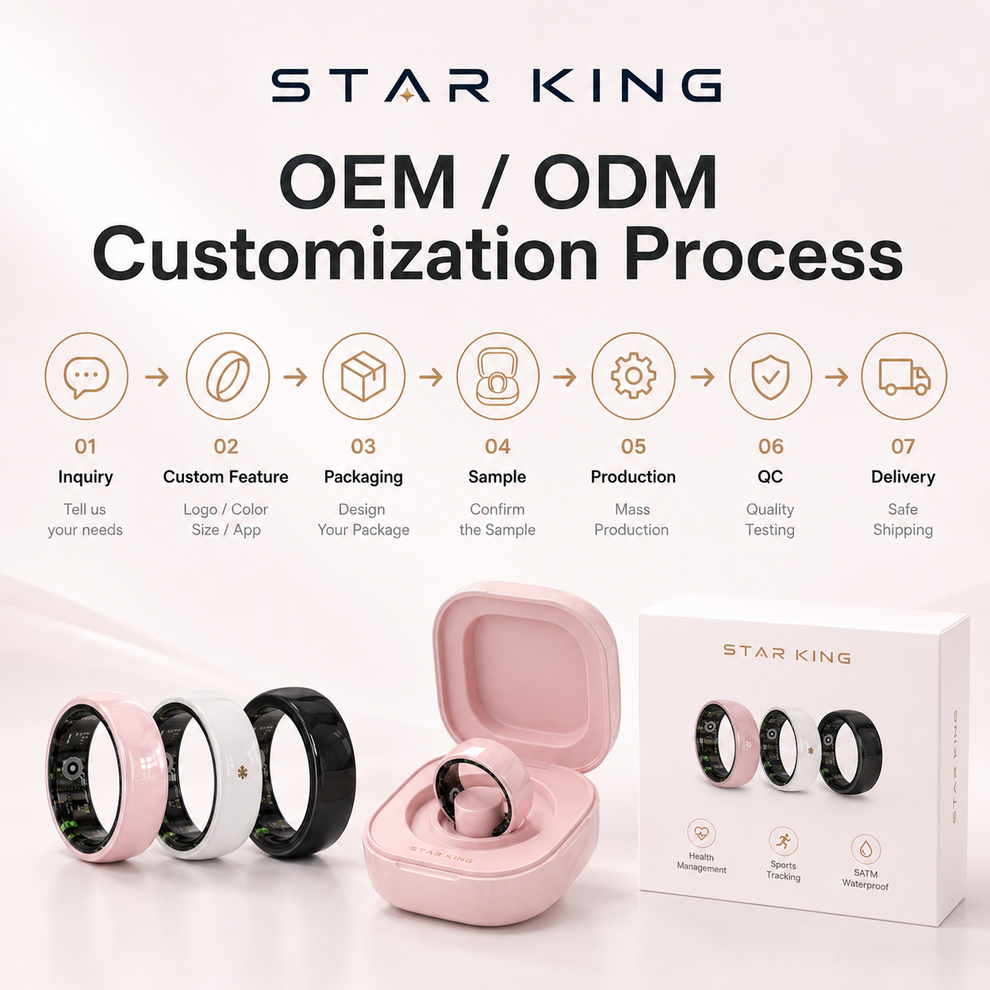
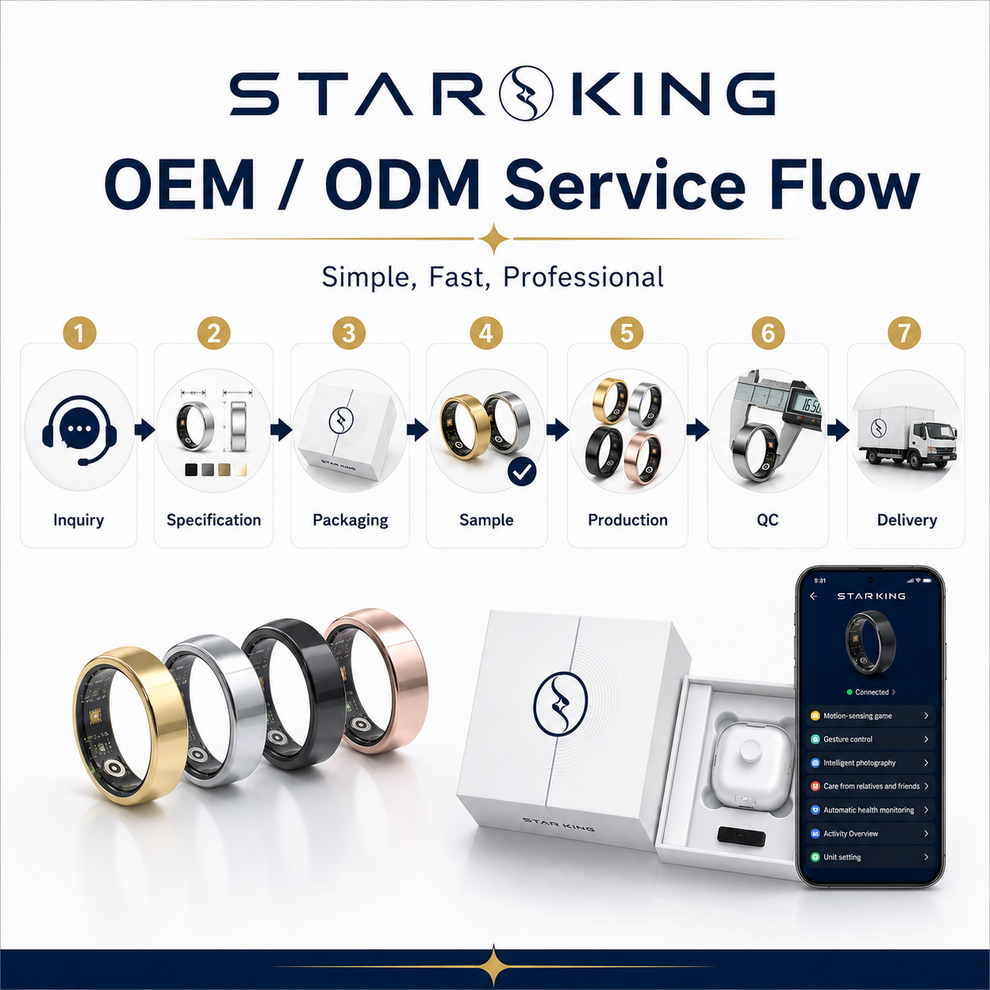
Assess the supplier’s experience with AI hardware and their ability to support OEM/ODM projects. STAR KING offers private label and OEM/ODM solutions for AI smart glasses, including logo customization, packaging, and app integration. Check whether the supplier has in-house R&D and quality control. Request references or case studies if available.
Supplier Verification
Verify the supplier’s business license, factory audit reports, and production capacity. Consider third-party inspections.
5. Plan for Quality Control and Product Testing
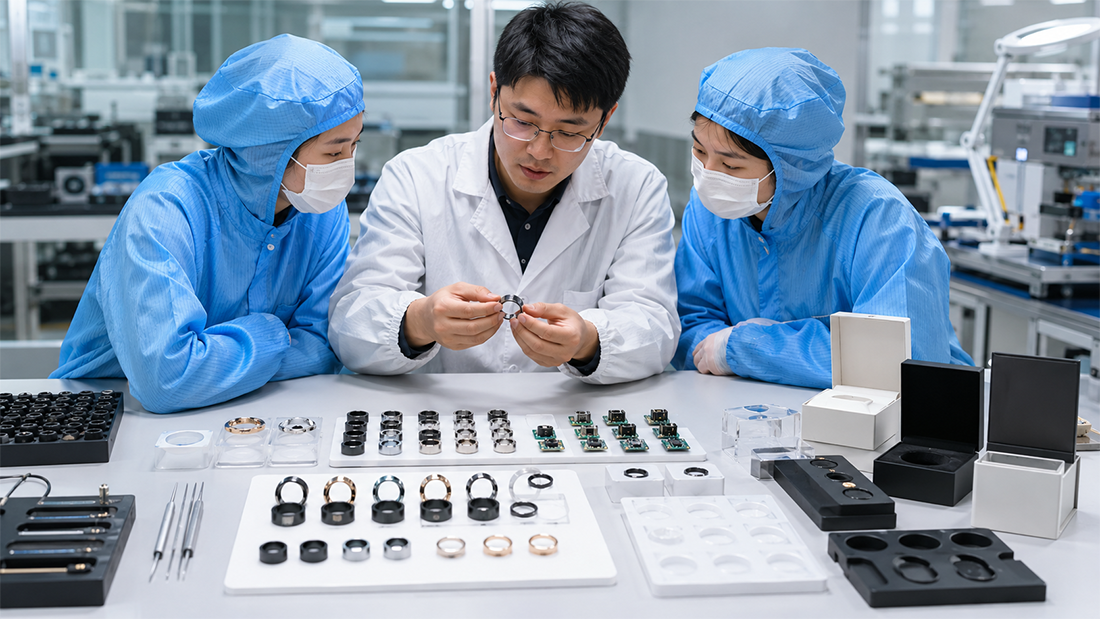
Implement a quality control plan that includes pre-production sample approval, during-production checks, and pre-shipment inspection. Key tests for AI smart glasses include drop testing, waterproof testing (if applicable), and aging testing. Ensure the supplier has a documented QC process. STAR KING follows strict quality control procedures to ensure product reliability.
Sample Testing
Order samples and test all features, including AI translation accuracy, battery life, and comfort. Check for any defects or performance issues.
6. Review Packaging, Branding, and Amazon Requirements
Amazon has specific requirements for product packaging, including labeling with product identifiers, safety warnings, and compliance marks. Custom packaging can enhance brand image but must meet Amazon’s guidelines. Work with the supplier to design packaging that includes necessary information. Consider business and education applications for targeted marketing.
Branding and Customization
OEM options include custom logo, colors, and packaging. Ensure the supplier can accommodate your branding needs without compromising quality.
7. Calculate Landed Cost and MOQ
Calculate the total landed cost, including product cost, shipping, import duties, VAT, and Amazon fees. MOQ varies by supplier and customization level. For AI smart glasses, MOQ may range from 500 to 1,000 units for OEM orders. Plan your inventory and cash flow accordingly. Use a landed cost calculator to avoid surprises.
Negotiating MOQ and Price
Discuss MOQ and price breaks with the supplier. Higher volumes often reduce unit cost. Consider starting with a smaller order to test the market.
Comparison Table: Supplier Evaluation Checklist
| Criteria | What to Check | Red Flag |
|---|---|---|
| Certification | UKCA/CE, RoHS, UN38.3, MSDS | Cannot provide certificates or reports |
| Quality Control | Documented QC process, testing reports | No QC documentation |
| OEM/ODM | Customization options, MOQ | Unwilling to customize or high MOQ |
| Communication | Responsive, English-speaking support | Slow responses, poor communication |
| References | Client testimonials, case studies | No references |
| Sample Quality | Meets specifications, reliable | Poor sample quality |
Common Mistakes and Buyer Red Flags
- Ignoring certification requirements: Selling without UKCA/CE can lead to listing removal and legal issues.
- Overlooking battery shipping rules: Non-compliant batteries can cause shipping delays or seizures.
- Choosing suppliers based solely on price: Low price may indicate poor quality or lack of compliance.
- Not testing samples: Skipping sample evaluation increases risk of returns.
- Underestimating landed cost: Hidden fees can erode margins.
- Not having a contract: Without a written agreement, disputes are harder to resolve.
Practical Buyer Checklist
- Request and verify UKCA/CE, RoHS, UN38.3, and MSDS documents.
- Ask for test reports from accredited labs.
- Order samples and test all features.
- Conduct a factory audit or use a third-party inspection.
- Clarify MOQ, lead time, and payment terms.
- Review packaging and labeling for Amazon compliance.
- Calculate landed cost and set a competitive price.
- Sign a contract with clear terms and warranties.
FAQ
1. What certifications are required for AI smart glasses in the UK?
AI smart glasses typically require UKCA marking, RoHS compliance, and for the battery, UN38.3 and MSDS. CE marking may still be accepted in some cases. Verify current requirements with the UK government.
2. How do I ship AI smart glasses with lithium batteries to the UK?
Use a supplier that provides UN38.3 and MSDS, and ensure proper labeling and packaging. Work with a freight forwarder experienced in dangerous goods.
3. What is the typical MOQ for OEM AI smart glasses?
MOQ varies by supplier and customization. For OEM orders, it may range from 500 to 1,000 units. Stock models may have lower MOQ.
4. How can I ensure product quality?
Order samples, conduct pre-shipment inspection, and require test reports. Use a third-party inspection service if needed.
5. What are common red flags when sourcing AI smart glasses?
Lack of certification, poor communication, unwillingness to provide samples, and unusually low prices are red flags.
6. How do I calculate landed cost for AI smart glasses?
Include product cost, shipping, import duties, VAT, and Amazon fees. Use a landed cost calculator or consult a customs broker.
7. Can I customize AI smart glasses with my brand?
Yes, many suppliers offer OEM/ODM services including logo, packaging, and app customization. Discuss options and MOQ with the supplier.
Conclusion
Importing AI smart glasses for Amazon UK requires careful planning and verification. By following these seven checks, you can select a reliable supplier, ensure compliance, and reduce risks. Focus on certification, battery safety, quality control, and landed cost to build a successful product line. For a seamless sourcing experience, partner with a supplier that understands the UK market and can support your growth.
STAR KING CTA
Ready to evaluate AI smart glasses for your Amazon UK business? Request samples from STAR KING to test quality and discuss OEM/ODM options. Our team can help you confirm certification requirements and customization details.
Discuss Your Smart Wearable OEM/ODM Project
Planning a smart ring, smart watch, smart band, AI glasses, AI translator, or AI voice mouse project? Contact STAR KING to discuss product positioning, sample testing, customization scope, certification requirements, lead time, and quotation details.

Team Star King

Scan WhatsApp QR code
Leave a Reply