
source AI translators: 7 Steps to Source AI Translators for Startup Brands in Southeast Asia: 2026 Evaluation Guide
October 17, 2026 · Team Star King
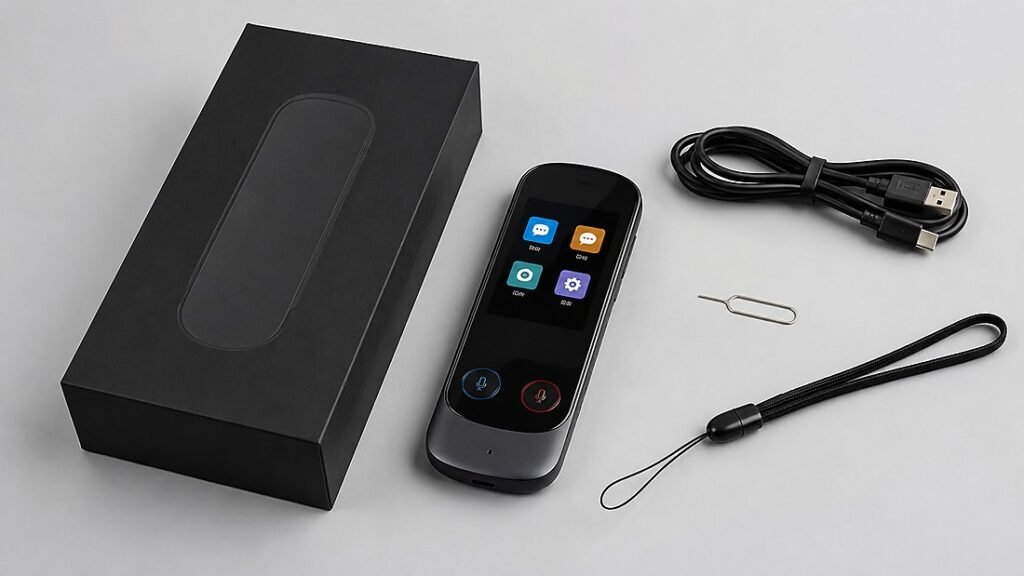
7 Steps to Source AI Translators for Startup Brands in Southeast Asia: 2026 Evaluation Guide
To source AI translators for a Southeast Asian startup brand, follow seven steps: define your language and use-case requirements, select a supplier model (OEM, ODM, or private label), confirm MOQ and pricing, validate samples, verify certifications for each target country, plan battery shipping and lead times, and lock in firmware/app support and warranty terms. Each step should be documented before you place a bulk order because compliance and language coverage vary by market.
Table of Contents
Table of Contents
source AI translators: Direct Answer
Startup brands in Southeast Asia typically begin sourcing AI translators with an ODM or private-label model, then move to deeper customization only after demand is validated. Prioritize suppliers who can document language coverage, Bluetooth and battery compliance, and firmware update processes. Budget for sample rounds, certification documentation, and per-unit landed cost, not just unit price.
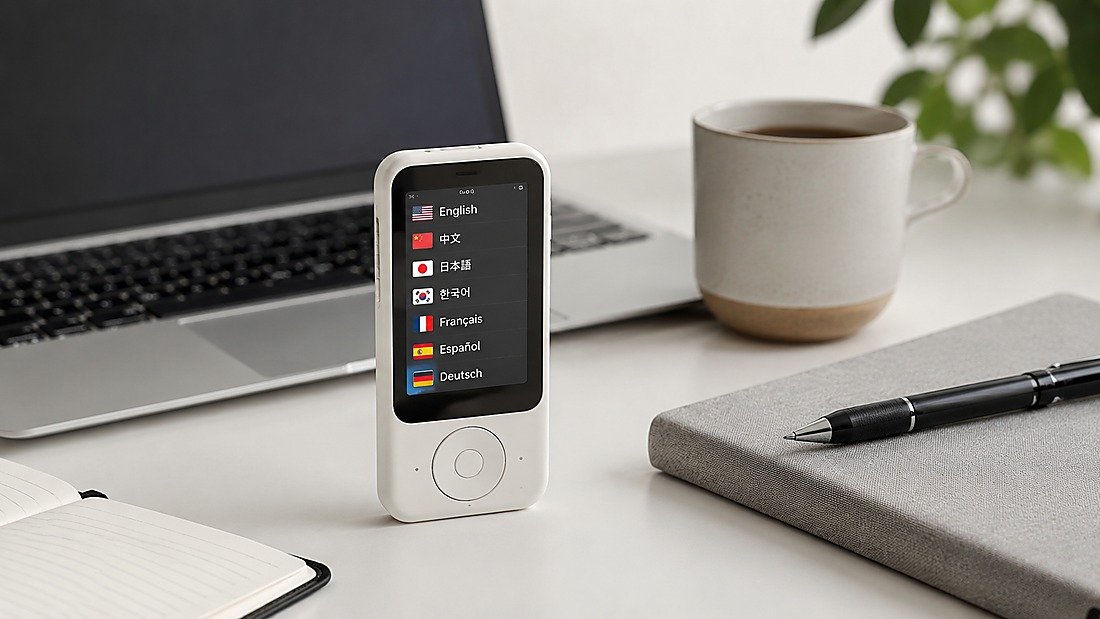
Table of Contents
- What Is an AI Translator Device?
- Why Southeast Asia Is a Strong Evaluation Market
- Key Facts for Buyers
- Step 1: Define Language and Use-Case Requirements
- Step 2: Choose Your Sourcing Model (OEM, ODM, Private Label)
- Step 3: Confirm MOQ, Pricing, and Cost Drivers
- Step 4: Validate Samples Against Real Scenarios
- Step 5: Verify Certifications and Import Compliance
- Step 6: Plan Battery Shipping, Lead Times, and Logistics
- Step 7: Lock In Firmware, App Support, and Warranty
- Comparison Table: Sourcing Models
- Common Mistakes and Buyer Red Flags
- Practical Buyer Checklist
- FAQ
- Conclusion
Key Takeaways
- Language coverage and offline capability are the two specifications most likely to affect real-world performance in Southeast Asia.
- ODM and private-label models usually offer the fastest route for startup brands with limited engineering resources.
- MOQ and lead time depend on tooling, firmware scope, and packaging customization — verify them in writing.
- Certification and battery shipping requirements vary by country; buyers should verify with the supplier and local authorities.
- Firmware update policy and app support are long-term cost drivers that should be agreed before mass production.
Image Suggestion
Placement: After Key Takeaways.
File: source-ai-translators-southeast-asia-startup-brands.jpg
Alt text: Startup brand team comparing AI translators for Southeast Asia sourcing
Caption: Evaluating AI translators for a Southeast Asian startup brand.
What Is an AI Translator Device?
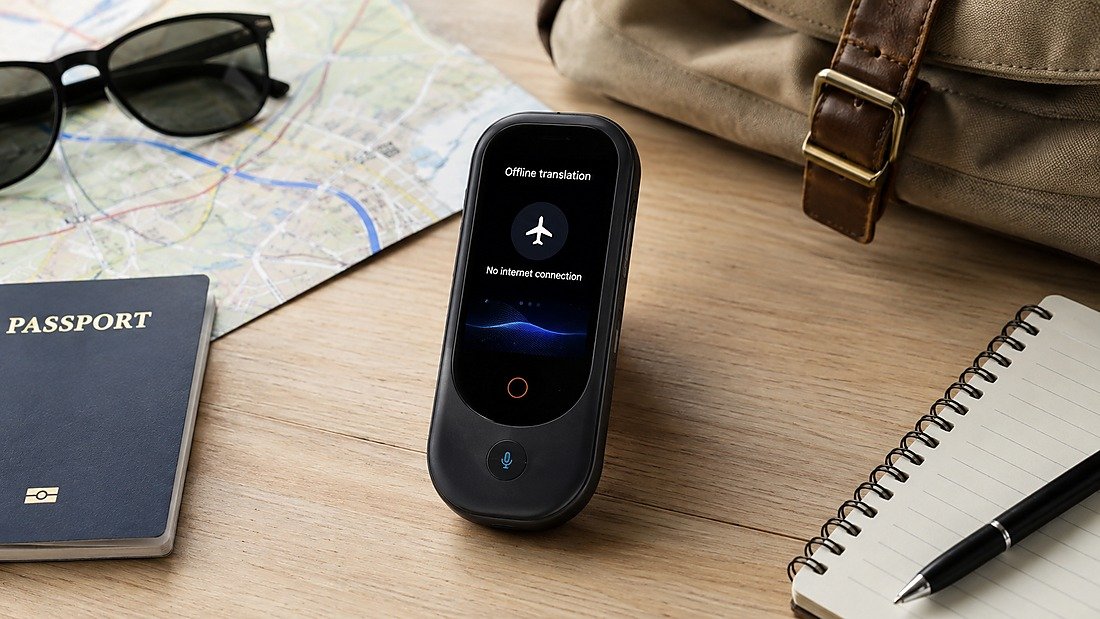
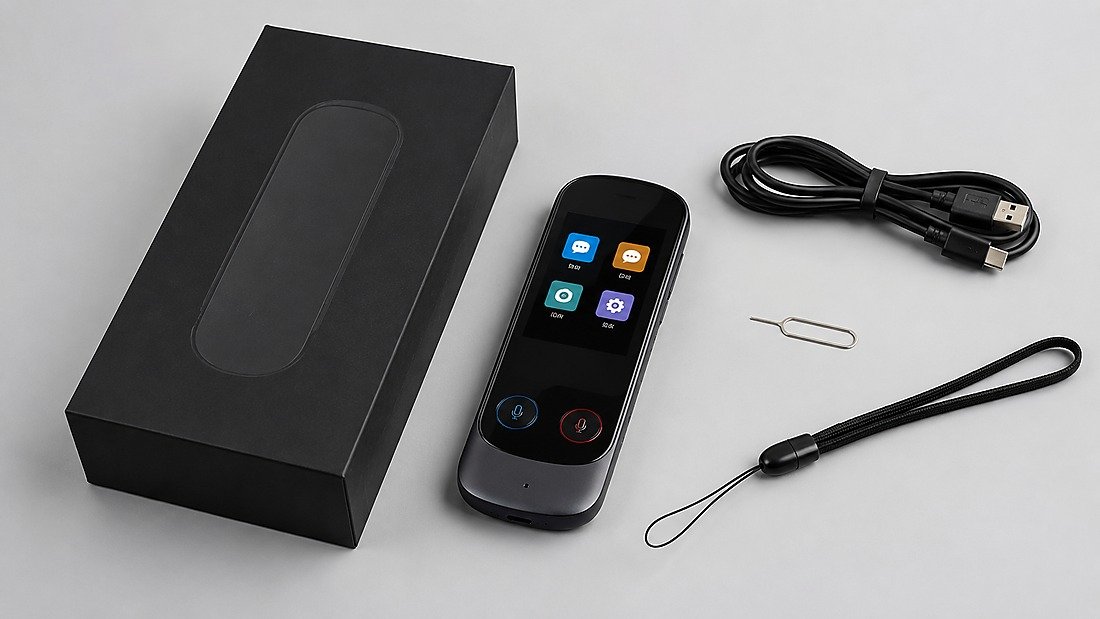
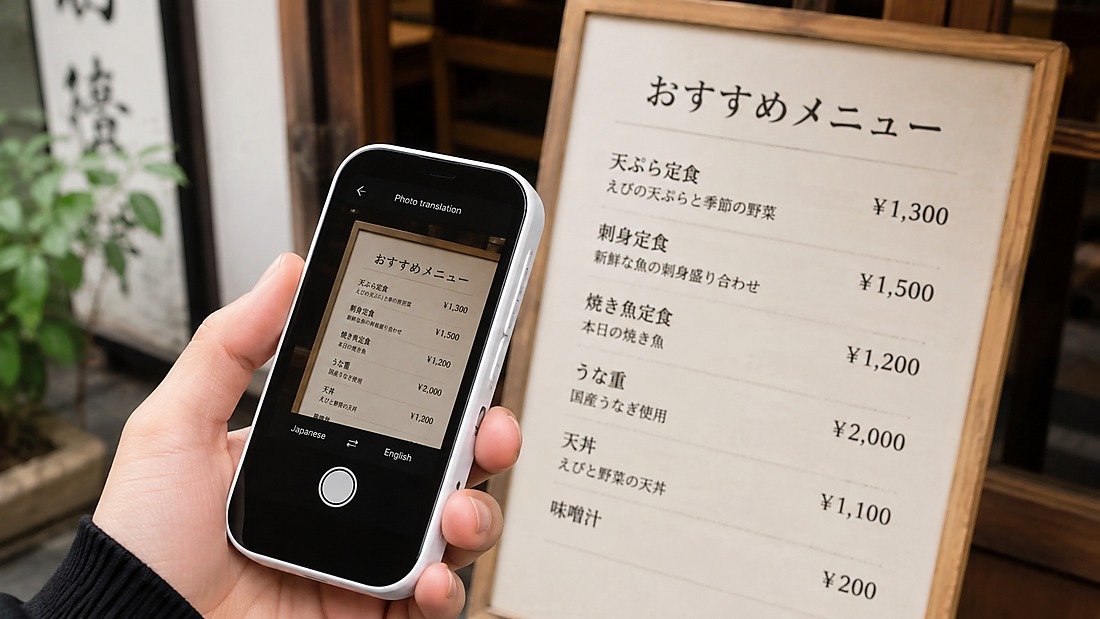
An AI translator device is a handheld or wearable hardware product that uses on-device or cloud-based speech recognition, machine translation, and text-to-speech engines to convert spoken or written language in near real time. For buyers, the important distinction is between offline-capable devices (which process speech locally) and cloud-dependent devices (which require a network connection). Southeast Asian markets often combine high mobile penetration with variable connectivity, so that distinction has a direct effect on user experience.
Why Southeast Asia Is a Strong Evaluation Market
Southeast Asia includes countries with multiple official and widely spoken languages, which creates demand for portable translation tools in travel, retail, education, and small business settings. For a startup brand, this means the product can be positioned around specific language pairs rather than broad “100+ languages” claims. Buyers evaluating suppliers should map the languages that matter for their target country, then check whether the supplier can document accuracy for those pairs rather than relying on marketing counts.
Key Facts for Buyers
| Factor | What Buyers Should Verify |
|---|---|
| Language coverage | Number of supported languages and, more importantly, supported language pairs |
| Offline vs. online | Which languages work without a network connection |
| Connectivity | Bluetooth version, Wi-Fi, and companion app requirements |
| Battery | Capacity, rated talk time, and UN38.3 documentation status |
| Customization | Logo, packaging, app branding, firmware options [STAR KING TO CONFIRM] |
| MOQ | Per-model and per-customization minimum order quantity [STAR KING TO CONFIRM] |
| Certification | CE, FCC, RoHS, and local import requirements vary by configuration and country |
Step 1: Define Language and Use-Case Requirements
Start with the end user, not the product. A startup brand targeting inbound tourism may prioritize face-to-face speech translation with fast turn-taking. A brand targeting cross-border e-commerce may prioritize text and document translation. A brand targeting education may prioritize classroom-appropriate vocabulary and offline operation.
Document the following before contacting suppliers:
- Primary and secondary languages for your launch country.
- Whether offline translation is required for any of those languages.
- Expected daily usage and battery expectations.
- Whether the device needs to integrate with a mobile app, and what data the app should collect.
This requirement list becomes the basis for sample testing and for comparing suppliers on comparable terms.
Step 2: Choose Your Sourcing Model (OEM, ODM, Private Label)
There are three common models for a startup brand evaluating AI translators.
- ODM: You select an existing design and have it branded for your market. Fastest path, lower development cost, less control over industrial design.
- Private label: Similar to ODM but focused on branding, packaging, and market positioning rather than product redesign.
- OEM: You specify requirements and the manufacturer builds to your design. Higher development cost and longer timelines, more differentiation.
Most startup brands in Southeast Asia begin with ODM or private label because it reduces tooling risk and shortens time to first sale. Once demand is validated, some brands move to deeper customization or an OEM project. If you are evaluating this path, STAR KING’s private-label OEM/ODM program is a useful reference for how customization scope is structured.
Step 3: Confirm MOQ, Pricing, and Cost Drivers
Unit price is only one line in your cost model. For AI translators, the main cost drivers are usually processing hardware, microphone and speaker quality, battery capacity, connectivity modules, firmware scope, and packaging.
Ask suppliers to break down pricing by configuration rather than quoting a single figure. This makes comparison possible and reduces the risk of a low headline price that rises once you add language packs, app branding, or retail packaging.
Step 4: Validate Samples Against Real Scenarios
Samples should be tested against the use cases you defined in Step 1, not against a generic demo. Useful tests include:
- Translation accuracy for your priority language pairs, including regional accents.
- Latency in both online and offline modes.
- Battery performance under realistic daily usage.
- Microphone performance in noisy environments such as markets or streets.
- App pairing, account setup, and firmware update flow.
Record results in a structured table so that multiple samples can be compared objectively.
Step 5: Verify Certifications and Import Compliance
Certification requirements depend on the product configuration, the radio modules used, the battery, and the destination country. CE and RoHS are commonly referenced in European markets, while FCC is commonly referenced in the United States. For Southeast Asia, requirements vary by country and buyers should verify current rules with the supplier and local authorities.
For lithium battery products, UN38.3 documentation is typically requested for air transport, and an MSDS may also be required. Buyers should confirm that documentation matches the exact battery and configuration being shipped, since documents issued for a different battery model may not apply. Official references such as the FCC equipment authorization pages and the IATA Dangerous Goods Regulations are useful starting points for understanding equipment and shipping requirements.
Comparison Table: Sourcing Models
| Model | Customization Scope | Typical Timeline | Best For |
|---|---|---|---|
| ODM | Logo, packaging, app branding, language configuration | Shorter; existing design | Fast market entry, limited engineering resources |
| Private Label | Branding, packaging, market positioning | Short to moderate | Brands focused on marketing and distribution |
| OEM | Industrial design, firmware, hardware specification | Longer; includes tooling and development | Differentiated product, higher volume plans |
Step 6: Plan Battery Shipping, Lead Times, and Logistics
Lithium battery products are subject to transport restrictions that can affect both cost and schedule. Confirm with the supplier how the battery is documented, how it is packaged for shipment, and whether the chosen freight mode accepts the product as configured.
Lead time depends on production scheduling, component availability, and the scope of customization. For a first order, build in time for sample approval, documentation review, and pre-shipment inspection. For ongoing orders, confirm whether the supplier can hold a production slot for repeat orders.
Step 7: Lock In Firmware, App Support, and Warranty
AI translator products depend on software as much as hardware. Before mass production, agree on:
- Who owns and maintains the companion app, and how branding is applied.
- How firmware updates are delivered and how often.
- What happens if a translation engine provider changes terms or availability.
- Warranty duration, spare parts, and return process.
Battery life and firmware behavior are two areas where buyers should test independently rather than rely on specification sheets. These terms also affect your long-term support cost, which is often underestimated in early sourcing plans.
Image Suggestion
Placement: After Step 7.
File: ai-translator-oem-assembly-line.jpg
Alt text: AI translator OEM assembly and testing for private label brands
Caption: Firmware and hardware validation before mass production.
Common Mistakes and Buyer Red Flags
- Relying on language counts: A high number of supported languages does not guarantee accuracy for your priority pairs.
- Ignoring offline capability: Devices that require constant connectivity may underperform in real market conditions.
- Assuming certifications transfer: Documentation issued for one configuration or battery may not apply to another.
- Skipping sample testing: Demos in controlled settings rarely reflect noisy real-world use.
- Undefined firmware ownership: If app and firmware responsibility is unclear, support problems surface after launch.
Practical Buyer Checklist
- Language pairs and offline requirements documented.
- Sourcing model selected and its scope confirmed in writing.
- MOQ, pricing breakdown, and customization fees confirmed.
- Sample tested against real use scenarios with recorded results.
- Certification and battery documentation requested for the exact configuration.
- Shipping mode and battery transport requirements verified.
- Firmware, app, and warranty terms agreed before mass production.
Buyers can also review STAR KING AI Translators OEM/ODM options to compare product positioning, customization scope, and sample planning.
FAQ
What is the typical MOQ for AI translators from an OEM supplier?
MOQ depends on the model and the level of customization. Standard models with logo and packaging changes usually have lower minimums than fully customized firmware or hardware. Confirm MOQ in writing for the exact configuration you plan to order.
Can a startup brand order AI translators with private-label branding?
Yes. Private-label and ODM models commonly support logo, packaging, and app branding without requiring full product redesign, which suits brands entering a new market.
Are certifications required to import AI translators into Southeast Asia?
Requirements vary by country and product configuration. Radio, battery, and electrical safety rules may apply, and buyers should verify current requirements with the supplier and local authorities before shipping.
How long does sample development take?
Sample timelines depend on whether the design already exists and how much customization is requested. Simple branding samples are typically faster than samples requiring app or firmware changes [STAR KING TO CONFIRM].
What should I test in an AI translator sample?
Test translation accuracy for your priority language pairs, latency, offline performance, battery life under realistic use, and microphone performance in noisy environments.
Who owns the firmware and app if I order an OEM project?
Ownership terms are negotiable and should be defined in the agreement. Buyers should clarify app ownership, firmware update responsibility, and any dependency on third-party translation engines.
How does battery shipping affect cost and lead time?
Lithium battery products are subject to transport rules that can affect packaging, documentation, and available shipping modes. Confirm documentation and freight options with the supplier and your freight forwarder.
Conclusion
Sourcing AI translators for a Southeast Asian startup brand is a structured evaluation process, not a single purchase decision. By defining language and use-case requirements first, choosing a sourcing model that matches your resources, confirming MOQ and cost drivers, validating samples, and verifying certification and shipping requirements, you reduce the risk of a product that underperforms after launch. If you are comparing suppliers, the next practical step is to request documentation and samples for the exact configuration you intend to sell.
Request Samples and Pricing
If you are evaluating AI translators for a Southeast Asian market, you can request samples and discuss customization scope directly with our team. We can walk through configuration options, documentation requirements, and lead-time planning for your project. Request samples and pricing to start the evaluation.
Discuss Your Smart Wearable OEM/ODM Project
Planning a smart ring, smart watch, smart band, AI glasses, AI translator, or AI voice mouse project? Contact STAR KING to discuss product positioning, sample testing, customization scope, certification requirements, lead time, and quotation details.

Team Star King

Scan WhatsApp QR code
Leave a Reply