
smart watches for retail chains: Smart Watches for US Retail Chains: 7 Essential Checks Before You Place a Bulk Order
November 11, 2026 · Team Star King
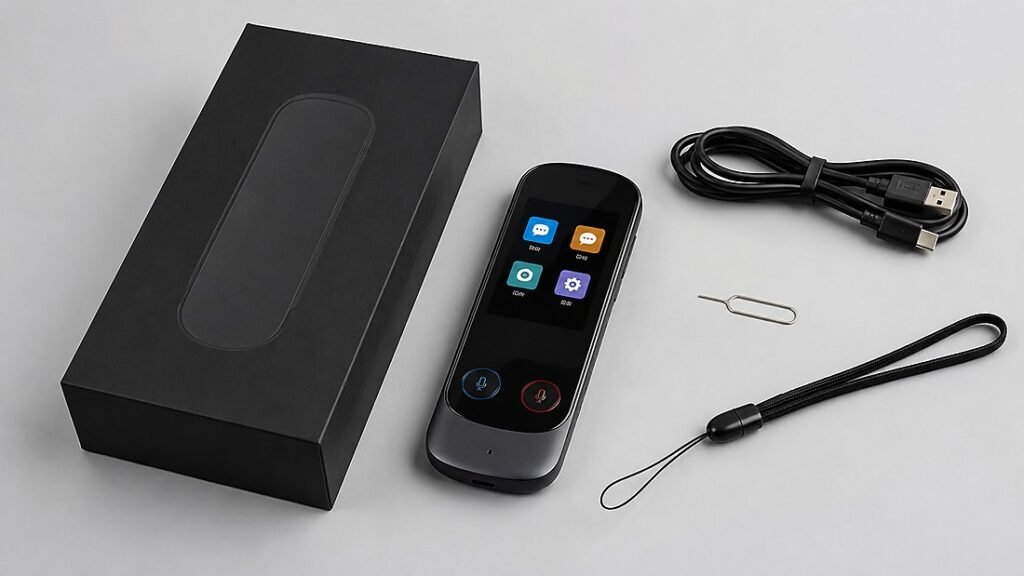
Smart Watches for US Retail Chains: 7 Essential Checks Before You Place a Bulk Order
If you are sourcing smart watches for retail chains in the United States, the fastest way to protect margin is to verify seven buyer-critical items before you sign: supplier legitimacy, product specification fit, MOQ and pricing logic, certification per model, battery shipping documentation, quality-control process, and packaging and replenishment planning. Retail chains carry higher exposure than single-store buyers because one defective batch can affect dozens of locations, returns desks, and brand reputation. This guide converts those risks into a practical, pre-PO checklist you can use with any smart watch OEM or ODM supplier, including STAR KING.
Table of Contents
Table of Contents
smart watches for retail chains: Table of Contents
- Short Answer
- Key Takeaways
- Key Facts for Buyers
- Why Smart Watches Matter for US Retail Chains
- Check 1: Supplier Verification and Factory Accountability
- Check 2: Specification Fit for Your Shelf and Price Band
- Check 3: MOQ, Pricing Logic, and Cost Drivers
- Check 4: Certification and US Market Compliance
- Check 5: Battery Safety and Lithium Shipping
- Check 6: Quality Control and Pre-Shipment Inspection
- Check 7: Packaging, Private Label, and Replenishment
- Comparison Table: Buyer Priorities by Retail Channel
- Common Mistakes and Buyer Red Flags
- Practical Buyer Checklist
- FAQ
- Conclusion
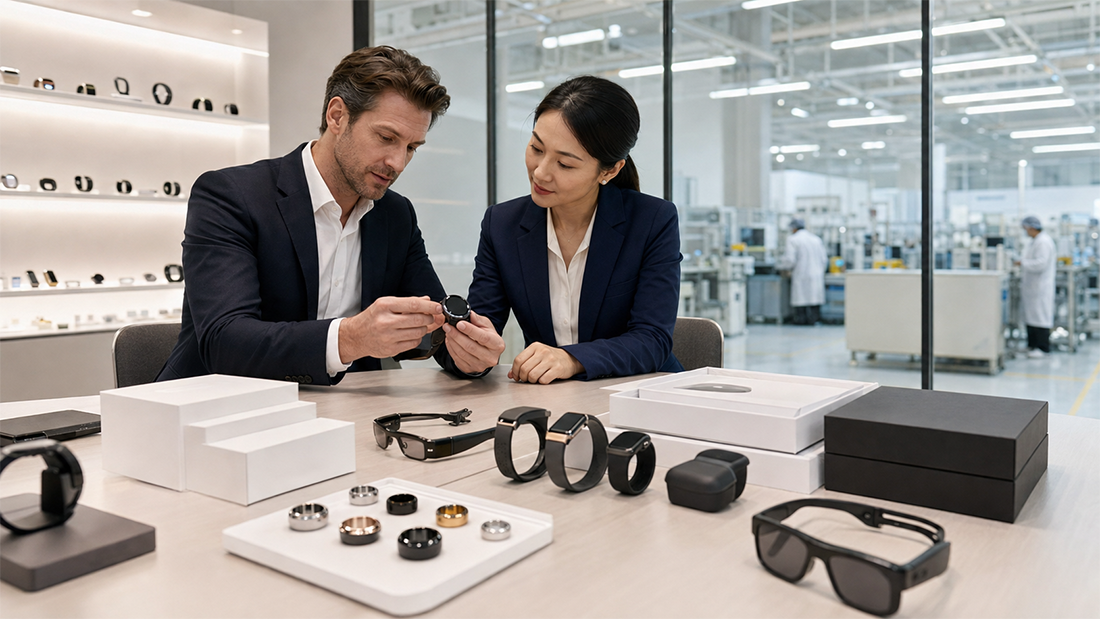
Short Answer
For US retail chains, smart watches should be evaluated as a replenishable retail program, not a one-off purchase. Confirm the supplier, lock the specification against your target price band, verify certification for each model and market, obtain battery shipping documents, and require pre-shipment inspection before mass production scales. A disciplined seven-check process reduces returns, compliance exposure, and stockouts across multiple stores.
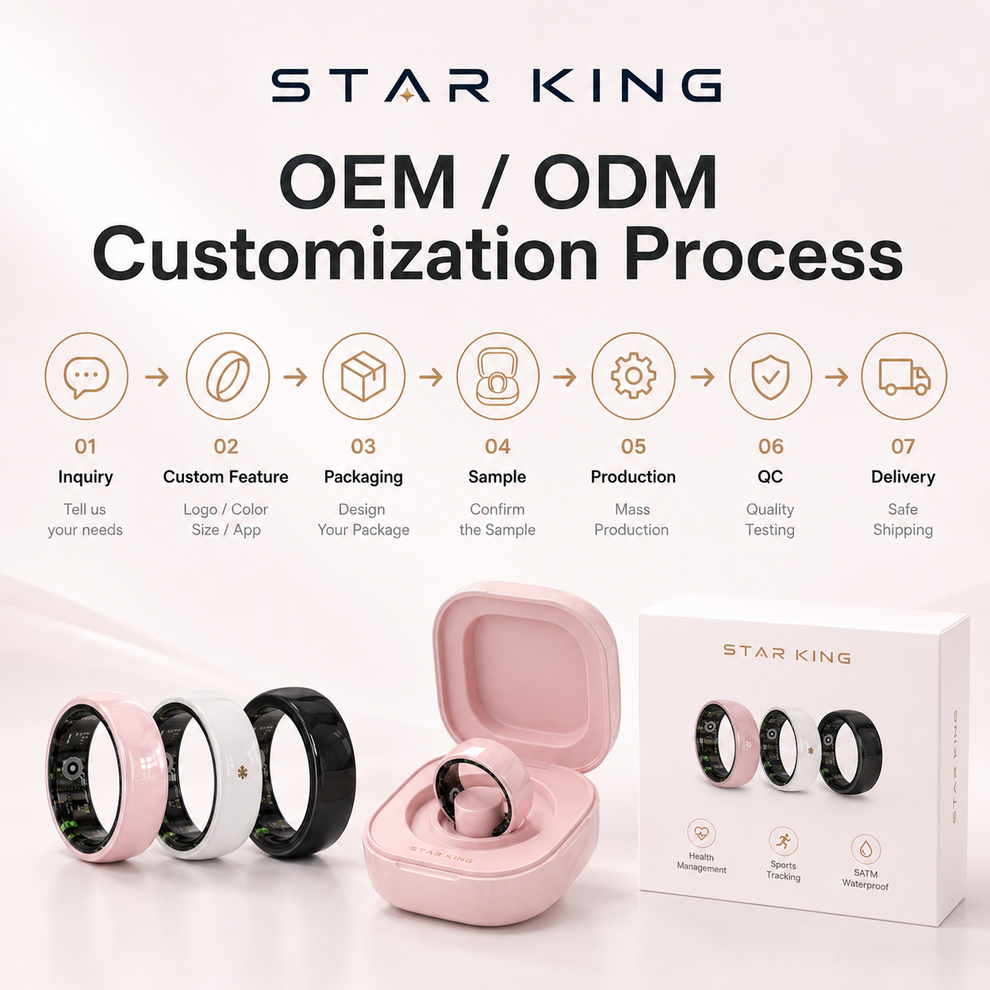
Key Takeaways
- Retail chains need a smart watch partner who can support repeat orders, not only a low first-unit price.
- MOQ, tooling, and customization costs are usually quoted per model and per configuration; buyers should confirm what is included.
- FCC, CE, RoHS, and battery-related documentation typically depend on the specific product configuration and target market.
- Pre-shipment inspection and aging tests are standard risk controls for multi-store distribution.
- Packaging, barcodes, and private label artwork should be approved before tooling and mass production begin.
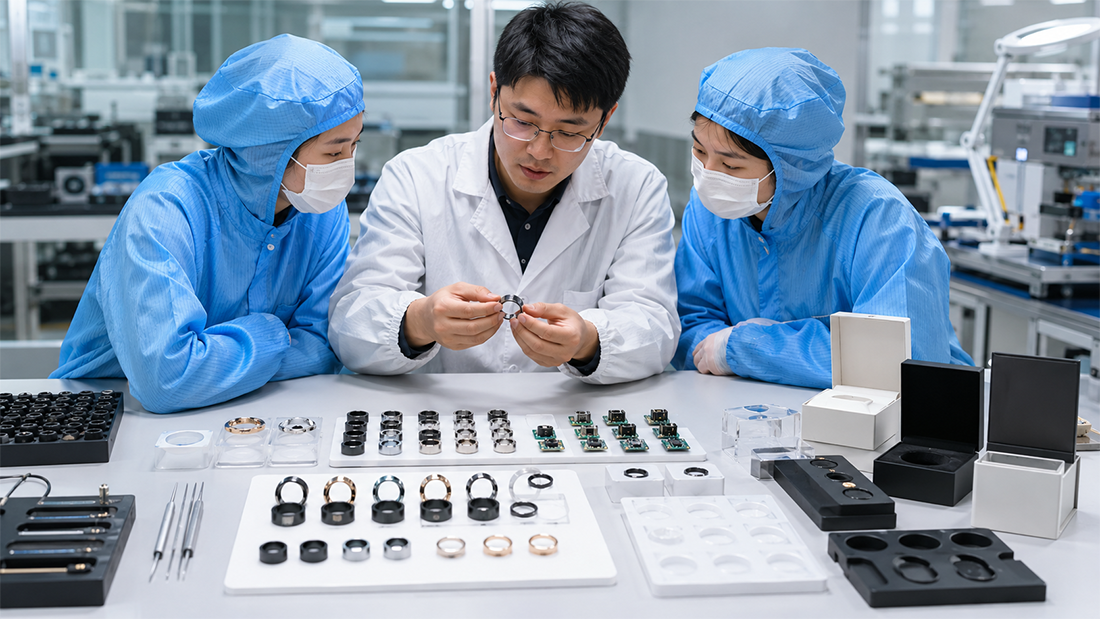
Key Facts for Buyers
| Buyer Question | What to Confirm | Why It Matters for US Retail Chains |
|---|---|---|
| Who is the supplier? | Factory profile, production scope, and quality organization | Reduces risk of trading-company handoffs and inconsistent batches |
| What is the MOQ? | MOQ per model, per color, and per packaging version | Affects cash flow and shelf assortment planning |
| Which certifications apply? | FCC, CE, RoHS, and battery transport documents for each model | Supports customs clearance and retail compliance reviews |
| How is the battery shipped? | UN38.3 test summary, MSDS, and shipping declaration support | Lithium batteries face carrier restrictions and documentation checks |
| How is quality controlled? | Incoming inspection, in-line checks, aging, and pre-shipment inspection | Protects return rates and store-level customer satisfaction |
| What is the lead time? | Sample lead time, production lead time, and packaging approval time | Prevents stockouts during peak retail seasons |
Why Smart Watches Matter for US Retail Chains
Smart watches sit in a useful retail position: they are giftable, repeatable, and supported by visible features such as heart rate monitoring, fitness tracking, notifications, and sleep tracking. For a retail chain, the category also creates accessory and attachment sales, which improves basket size. The risk is that smart watches are electronics with batteries, firmware, apps, and certification requirements, so sourcing decisions carry more compliance and after-sales weight than general merchandise.
US retail buyers typically evaluate smart watches across several price bands, from entry-level promotional models to mid-tier fitness-focused devices. Each band implies different sensor configurations, display quality, battery life, and packaging expectations. A supplier that only offers a single reference design may not support the assortment a chain needs. Buyers should look for a partner that can discuss specification trade-offs rather than simply quoting a unit price.
Retail-Chain Buying Behavior in 2026
Retail chains are consolidating supplier lists to reduce audit and compliance overhead. That trend favors suppliers who can provide consistent documentation, repeatable quality, and clear change-control processes. It also means the first purchase order is often a test: if documentation or pre-shipment inspection is weak, the chain may not scale the program. Buyers should treat the first order as a qualification run and plan a review before committing to seasonal volumes.
Check 1: Supplier Verification and Factory Accountability
Supplier verification is the first filter because smart watches are assembled from multiple components, including displays, batteries, sensors, and enclosures. A supplier that cannot clearly describe its production scope may be reselling or assembling from mixed sources. Buyers should confirm which processes are handled in-house and which are outsourced, and who is accountable for final testing.
Useful verification steps include business license review, factory video or on-site audit, references from other B2B buyers, and a sample order with documented test results. For US retail chains, it is also reasonable to ask how the supplier handles engineering changes and firmware updates after launch. These questions reveal whether the supplier has a structured product-development process or only a catalog.
What to Ask About Manufacturing Scope
- Which smart watch models are standard, and which require customization?
- Which production steps are performed in-house?
- How are battery, display, and sensor suppliers qualified?
- Who signs off on final quality before shipment?
- What is the process for firmware and app updates after mass production?
STAR KING [STAR KING TO CONFIRM] details such as factory profile, production lines, and audit documentation should be requested directly during supplier qualification. Buyers should verify claims against documents rather than relying on catalog copy.
Check 2: Specification Fit for Your Shelf and Price Band
Specification fit is where retail chains lose margin quietly. A smart watch that looks competitive on a spec sheet may not meet the expectations of a specific price band. Buyers should map features to the shelf position: display size and type, battery life, water resistance, sensor set, app support, and charging method all influence perceived value and return rates.
For example, a promotional smart watch may prioritize battery life and simple notifications, while a mid-tier fitness model may require heart rate and blood oxygen monitoring, sleep tracking, and app integration. Each added feature can change certification scope, testing time, and unit cost. Buyers should ask the supplier to document which features are standard and which are optional per model.
Specification Trade-Off Table
| Feature Area | Entry Retail Band | Mid-Tier Fitness Band | Buyer Impact |
|---|---|---|---|
| Display | Smaller basic LCD or OLED | Larger color display | Affects perceived value and packaging size |
| Battery life | Multi-day basic use | Shorter with continuous sensors | Drives returns and customer expectations |
| Health sensors | Basic step and heart rate | Heart rate, SpO2, sleep tracking | Changes testing and claims language |
| App integration | Basic companion app | Data sync and firmware updates | Requires app customization review |
| Water resistance | Daily splash resistance | Higher water resistance testing | Influences warranty and return risk |
For broader wearable ranges, buyers can review STAR KING smart watches and compare configurations before requesting samples. Specification discussions should be recorded in a written product brief so that samples, mass production, and packaging all reference the same version.
Check 3: MOQ, Pricing Logic, and Cost Drivers
MOQ and pricing logic are central to retail-chain planning because they determine cash commitment and assortment flexibility. Smart watch MOQs are usually quoted per model and per configuration, and customization such as logo printing, packaging, and firmware changes can raise the minimum. Buyers should confirm whether MOQ applies per color, per carton, or per total order.
Pricing is influenced by display type, battery capacity, sensor set, enclosure material, app customization, packaging, and certification scope. A low unit price may exclude packaging artwork, testing, or shipping documentation. The practical approach is to request a cost breakdown by component and service so that the chain can compare offers on a like-for-like basis.
Cost Drivers Buyers Should Separate
- Unit hardware cost by model and configuration.
- Tooling or mold cost, if a custom enclosure is required.
- Logo and packaging customization cost.
- Certification and testing cost, if not already covered for the model.
- Sample cost and sample lead time.
- Shipping, insurance, and duties to the US destination.
Landed cost should be calculated before comparing quotes. Buyers can use a landed-cost worksheet that includes freight, duties, brokerage, and packaging. For OEM and private label program structures, the private label OEM/ODM solution page outlines how customization is typically organized.
Check 4: Certification and US Market Compliance
Certification is a per-model and per-market question. For the United States, radio-emitting devices such as Bluetooth-enabled smart watches are typically subject to FCC equipment authorization rules, and buyers should verify which authorization procedure applies to the specific product. The FCC equipment authorization framework is the reference point for radio-frequency compliance.
RoHS and battery-related requirements may also apply depending on the product and the buyer’s compliance program. Buyers should request certificates and test reports that match the exact model and configuration being purchased, not a generic certificate for a different product family. Where a supplier cannot provide model-specific documents, the buyer should treat the claim as unverified.
For retail chains, compliance documentation should be stored per SKU and reviewed before each new production run. Firmware or component changes can affect the validity of prior test reports, so change control matters. Buyers should ask how the supplier notifies them of engineering changes that could affect certification.
Certification Questions for the Supplier
- Which certificates and test reports are available for this exact model?
- Which laboratory performed the testing?
- What is the issue date, and does it cover the current firmware and hardware version?
- How will the supplier notify the buyer of changes that affect compliance?
- Can the supplier support buyer-specific compliance reviews or retailer documentation requests?
Certification requirements typically depend on the specific product configuration, radio modules, and target market, so buyers should verify with the supplier and, where needed, with a compliance consultant. The health and fitness wearable solution context is useful for retail programs that combine smart watches with other wearable devices.
Check 5: Battery Safety and Lithium Shipping
Smart watches contain lithium batteries, which are regulated for air and ocean transport. Buyers should confirm that the supplier can provide UN38.3 test summaries, MSDS documents, and shipping declarations where required. These documents are not a substitute for carrier acceptance, but they are a baseline for logistics planning.
Battery safety also affects product design and warranty. Buyers should ask about battery cell sourcing, protection circuitry, charging temperature limits, and aging tests. For retail chains, a battery-related recall or return spike can be far more costly than the unit price difference between two suppliers.
The IATA Dangerous Goods Regulations are commonly referenced for air transport of lithium batteries. Buyers should confirm with their freight forwarder which documents and labels are required for the specific shipping method and quantity.
Check 6: Quality Control and Pre-Shipment Inspection
Quality control for smart watches should cover incoming components, in-line assembly, functional testing, aging, and pre-shipment inspection. A supplier that only performs a final visual check is unlikely to catch firmware, sensor, or charging defects at the rate a retail chain needs.
Buyers should ask for the inspection standard, acceptable quality limit, and sample size. Pre-shipment inspection by a third party is common for retail programs, and the buyer should define who pays for it and how defects are handled. Defect classification matters: cosmetic issues may be acceptable in one channel but not in a premium display.
Quality Control Checklist
- Incoming inspection for displays, batteries, and sensors.
- In-line functional testing for pairing, charging, and sensor response.
- Aging or burn-in testing before packaging.
- Waterproof or splash testing where the specification requires it.
- Drop testing for packaging and product robustness.
- Pre-shipment inspection with photo and video evidence.
- Defect handling and replacement policy in the purchase agreement.
Buyers can review broader wearable quality practices through STAR KING’s wearable sourcing and manufacturing blog before finalizing inspection terms.
Check 7: Packaging, Private Label, and Replenishment
Packaging is a retail-chain decision because it affects shelf presence, logistics, and brand consistency. Buyers should confirm box dimensions, barcodes, manuals, language requirements, and private label artwork before production. Packaging approval is often a bottleneck in the lead time, so it should be scheduled early.
Private label smart watch programs may include logo printing, custom packaging, app naming, and user manual localization. Each customization should be documented with artwork files and approval dates. Buyers should also plan replenishment: repeat orders may require new packaging runs, and component lead times can vary by season.
Packaging and Brand Customization Items
- Retail box artwork and dimensions.
- Barcode and SKU labeling per store or region.
- User manual language and safety statements.
- Logo placement on device, charger, and packaging.
- App name and icon customization, if supported.
- Warranty card and after-sales contact information.
For buyers combining smart watches with other wearable categories, the smart bands product range can support a broader wearable assortment. Buyers should confirm which customization options are available for each product type, since tooling and MOQ can differ.
Comparison Table: Buyer Priorities by Retail Channel
| Retail Channel | Primary Priority | Key Verification | Typical Risk |
|---|---|---|---|
| Mass retail chain | Consistent quality and low return rate | Pre-shipment inspection and aging tests | Batch defects across many stores |
| Specialty fitness retail | Sensor accuracy and app experience | Specification brief and sample testing | Feature mismatch with shelf positioning |
| Promotional or seasonal program | Unit cost and lead time | MOQ, packaging approval, and shipping plan | Late delivery during peak season |
| Private label program | Brand customization and control | Artwork approval and tooling ownership terms | Unclear IP or mold ownership |
| Omnichannel chain | Barcode, packaging, and documentation readiness | SKU-level compliance file | Listing or customs delays |
Common Mistakes and Buyer Red Flags
- Accepting a generic certificate that does not match the purchased model.
- Comparing unit prices without landed cost and packaging costs.
- Approving packaging artwork after production has started.
- Skipping pre-shipment inspection to save time.
- Not confirming who owns custom tooling and molds.
- Assuming battery shipping documents are automatically provided.
- Ignoring firmware and app update responsibilities after launch.
Red flags include vague answers about factory scope, refusal to share test reports, unclear MOQ logic, and no documented change-control process. Buyers should treat these as reasons to slow down rather than negotiate harder.
Practical Buyer Checklist
- Supplier profile and production scope confirmed in writing.
- Product brief approved with model, features, and target price band.
- MOQ, pricing, and customization cost confirmed per configuration.
- Certification and test reports verified for the exact model.
- UN38.3, MSDS, and shipping documents requested.
- Quality-control plan and pre-shipment inspection agreed.
- Packaging artwork and barcode plan approved.
- Lead time schedule includes sample, production, and shipping phases.
- Warranty and spare-parts policy documented.
- Tooling ownership and IP terms reviewed.
FAQ
What is a realistic MOQ for smart watches from a Chinese OEM?
MOQ depends on the model and customization level. Standard models may have lower minimums than custom enclosures or private label packaging. Buyers should confirm MOQ per model, per color, and per packaging version before comparing suppliers.
Do smart watches for US retail chains need FCC certification?
Bluetooth-enabled smart watches are generally subject to FCC equipment authorization rules in the United States. The exact procedure depends on the radio module and product configuration, so buyers should request model-specific evidence and verify with the supplier or a compliance professional.
How long does a bulk smart watch order take?
Lead time typically includes sample approval, component procurement, production, testing, and packaging. The total depends on customization, certification status, and season. Buyers should request a written schedule with milestones and plan around packaging approval, which often controls the critical path.
Can retail chains get private label packaging and logos?
Yes, many OEM/ODM suppliers support logo printing, custom packaging, and manual localization. Buyers should confirm which options apply to the specific model and whether they affect MOQ, tooling cost, or lead time.
What documents should accompany lithium battery shipments?
Suppliers commonly provide UN38.3 test summaries and MSDS documents, and carriers may require additional shipping declarations. Buyers should confirm requirements with their freight forwarder because rules vary by carrier, route, and shipment size.
How can buyers reduce smart watch return rates?
Return rates are reduced by clear specification briefs, sample testing, aging and functional testing, packaging that explains setup, and after-sales support. Pre-shipment inspection and defect classification also help catch issues before goods reach stores.
Conclusion
Sourcing smart watches for US retail chains is a qualification process, not a price comparison. The seven checks in this guide—supplier verification, specification fit, MOQ and pricing logic, certification, battery shipping, quality control, and packaging and replenishment—give buyers a structured way to reduce risk before committing to a bulk order. Each check should produce a document or written confirmation that can be reviewed by procurement, compliance, and store operations teams.
Retail chains that treat the first order as a test run, with clear acceptance criteria and a review before scaling, are better positioned to protect margin and brand reputation. The same discipline supports repeat orders and seasonal planning, which is where long-term supplier relationships create value.
Next Step
Ready to evaluate smart watches for your retail chain? Request a quotation and share your target specifications, estimated volumes, and packaging requirements. STAR KING can review configuration options, MOQ, certification documentation, and sample lead times so your team can compare offers on a like-for-like basis. Request a smart watch quotation to begin your supplier qualification.
Discuss Your Smart Wearable OEM/ODM Project
Planning a smart ring, smart watch, smart band, AI glasses, AI translator, or AI voice mouse project? Contact STAR KING to discuss product positioning, sample testing, customization scope, certification requirements, lead time, and quotation details.

Team Star King

Scan WhatsApp QR code
Leave a Reply