smart watch suppliers: Smart Watches for Education Technology Companies: 7 Steps to a Successful OEM/ODM Buy in the U.S. Market
smart watch suppliers buyers need a supplier evaluation process that checks product fit, OEM/ODM capability, compliance documents, quality control, pricing, lead time, and after-sales support before placing a bulk order.
Table of Contents
Table of Contents
Smart Watches for Education Technology Companies: 7 Steps to a Successful OEM/ODM Buy in the U.S. Market
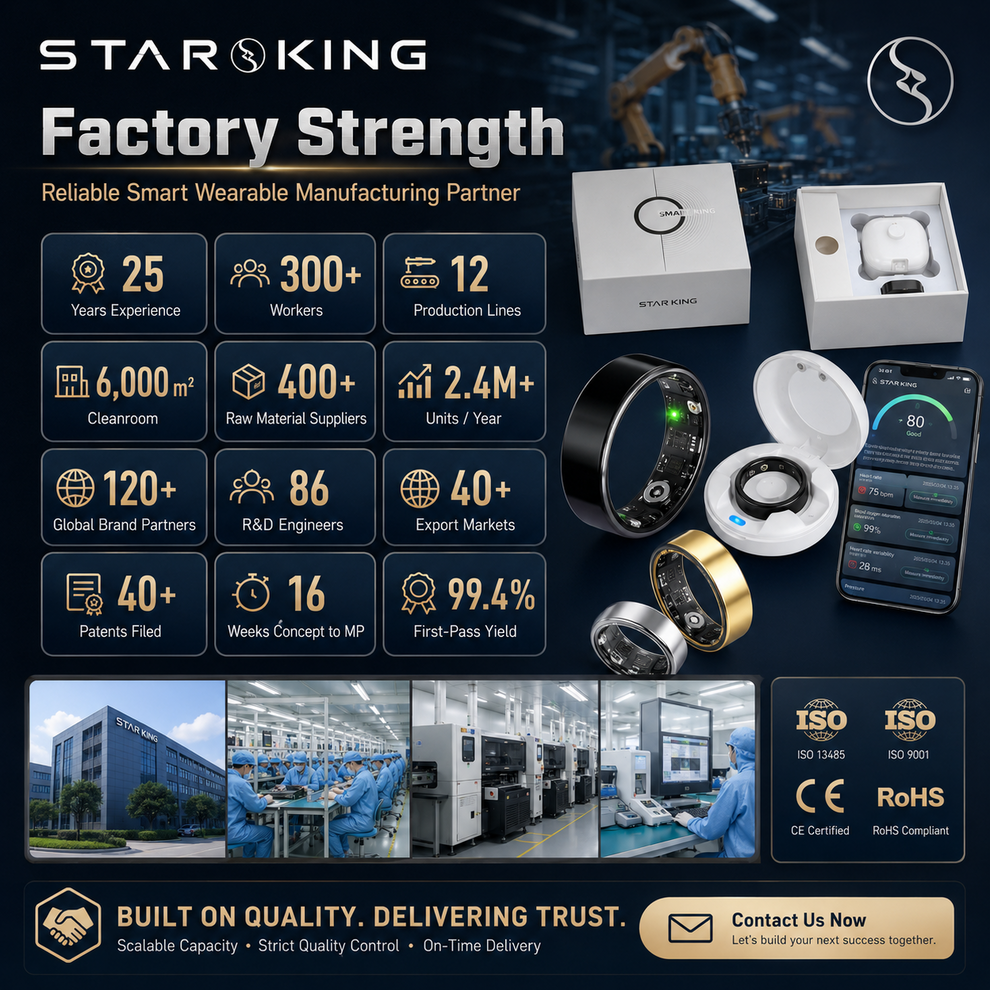
Smart watches for education technology companies are wearables you bundle into school, campus, or workforce learning programs. They capture attendance, physical activity, focus sessions, or lab data, then hand that data to your software through an SDK or API. This guide breaks the purchase into 7 steps: define the use case, finalize specifications, choose OEM, ODM, or private label, run samples, lock compliance, plan logistics, and settle after-sales terms.
Buying at scale is not the same as buying one watch at retail. MOQ, unit cost, radio and battery certification, app integration, and warranty terms drive the decision [STAR KING TO CONFIRM specific terms]. A wrong early assumption, such as assuming every model ships with FCC clearance or third-party app support, can delay a pilot by a full semester. The steps below are written for procurement, product, and operations teams running a U.S. purchase, not for consumers.
smart watch suppliers: Table of Contents
- Direct Answer: How Should EdTech Buyers Source Smart Watches?
- Key Takeaways
- Key Facts for Buyers
- Step 1: Define the Education Use Case Before the Spec Sheet
- Step 2: Lock the Technical Specification
- Step 3: Choose OEM, ODM, or Private Label
- Step 4: Move from Sample to Pilot
- Step 5: Certification and Classroom Compliance
- Step 6: MOQ, Cost, and Lead Time Planning
- Step 7: Packaging, Logistics, and After-Sales
- OEM, ODM, and Private Label Compared
- Common Mistakes and Red Flags
- Practical Buyer Checklist
- FAQ
- Conclusion
Direct Answer: How Should EdTech Buyers Source Smart Watches?
Education technology companies should source smart watches by matching the device to a defined program outcome, then verifying three things before any bulk order: the exact specification and firmware behavior, the certificate file for the exact model (FCC ID for radio devices and a UN38.3 test summary for the battery), and the production and lead-time commitments in writing. Run an app-connected pilot on the exact SKU. Then confirm MOQ, tooling ownership, and warranty terms so the classroom deployment does not depend on verbal assurances.
Key Takeaways
- Start from the learning or operations outcome, not the cheapest wearable on a listing page.
- Decide early between OEM, ODM, and private label; the choice sets your MOQ, cost, and timeline.
- Certification is model-specific. Radio and battery rules in the U.S. are governed by FCC equipment authorization, and lithium batteries face separate transport rules from IATA.
- Validate the app, SDK, or data export path during the sample stage, not after mass production.
- COPPA and state student-privacy rules may apply when the program touches minors’ data; buyers should verify with counsel.
- Get MOQ, tooling ownership, lead time, and warranty confirmed in writing before paying a deposit.
Key Facts for Buyers
| Decision Point | Typical Range / Note | Why It Matters |
|---|---|---|
| MOQ per model | Commonly 500–3,000 units; depends on customization [STAR KING TO CONFIRM] | Sets your minimum order value and pilot size |
| Sample lead time | Often 5–20 business days for stock or light customization | Determines pilot start date |
| Mass production lead time | Typically 25–45 days after deposit and artwork approval | Aligns with school term or fiscal calendar |
| FCC equipment authorization | Required for radio-frequency devices sold in the U.S. | Non-compliant units can be blocked at import |
| Battery transport | UN 38.3 test summary typically required for lithium cells | Air freight and customs documentation |
| Tooling ownership | Custom molds may be buyer-owned or shared [STAR KING TO CONFIRM] | Protects switching cost and IP position |
| Warranty | Commonly 12 months limited; terms vary by contract | Affects total cost of ownership |

Step 1: Define the Education Use Case Before the Spec Sheet
A smart watch program fails more often from an unclear use case than from a weak device. Before you compare suppliers, write down what the wearable must do and for whom.
- K–12 physical education or wellness programs: step count, activity minutes, and simple heart-rate display, often with a teacher dashboard rather than personal accounts.
- Campus research or lab kits: the watch often acts as a sensor node that streams movement or biometric data into your own application.
- Corporate learning, safety, or apprenticeship programs: attendance, geofence, or shift logging on a ruggedized band-style watch.
- Higher-ed and workforce upskilling: study-focus timing, sleep or recovery awareness, and cohort dashboards.
Each path changes the device: display size, water resistance, battery life, whether an app is needed at all, and whether data leaves the device. If the watch is a consumer-grade wellness device, it is not a diagnostic tool, and it should not be marketed as one. Health monitoring features on consumer wearables are typically for general wellness and should be described that way in your student-facing materials.
Questions to answer before you shortlist any supplier
- Does the program need a phone app, a web dashboard, or a custom SDK?
- Will students keep the device, or does it stay on campus?
- What data must be captured, exported, or deleted, and after how long?
- What is the deployment size for year one, and the realistic ceiling for year three?
When the use case is specific, the specification in Step 2 becomes a negotiation tool instead of a wish list.
Step 2: Lock the Technical Specification
EdTech buyers usually need a stable, replaceable device more than a flagship one. Buyers evaluating wearable hardware for a school or workforce program should prioritize repairability, consistent firmware versions, and predictable battery behavior across a large batch, because device variation is the main hidden cost in a multi-year rollout.
| Spec Area | Typical Options | Procurement Consideration |
|---|---|---|
| Display | 1.3″–1.9″ color LCD/AMOLED | Larger screens aid visibility but reduce battery life |
| Sensors | Heart-rate PPG, SpO2, accelerometer, sometimes temperature | Only order sensors your program will actually use; each adds cost |
| Battery | Commonly 180–400 mAh | Match to a full school day or lab session |
| Water resistance | IP67/IP68 common; higher ratings cost more | Driven by PE, pool, or field use |
| Connectivity | Bluetooth (often 5.x) | Verify Bluetooth SIG qualification status of the module |
| App / data | Branded app, white-label app, or open SDK/API | Defines your integration effort and data control |
| Strap | Silicone, TPU, fabric | Hygiene and swap-out policy for shared devices |
Write the spec as a table with a must-have column and a nice-to-have column. Anything in the must-have column goes into the sample test report. If your program needs app-side control, use the private label and OEM/ODM solution page as a starting reference for what can be customized.
Step 3: Choose OEM, ODM, or Private Label
The sourcing model decides your cost curve and your timeline. Education technology companies rarely need a fully unique device in year one, but they often need a device that looks and behaves like their brand.
- Private label: an existing watch model with your logo, packaging, app name, and possibly a custom watch face. Fastest route to a pilot and the lowest tooling risk.
- OEM: you supply the design intent or detailed requirements; the manufacturer builds to your specification. Higher cost, more control, longer timeline.
- ODM: the manufacturer offers a developed platform and you customize appearance, firmware, and app. A middle path that suits many EdTech rollouts.
Ask every candidate supplier which model numbers already have certification files, and for which markets. A supplier who cannot produce the certificate for the exact model and configuration is a risk, not a shortcut. For general wearable context, see our smart watch product range.
Step 4: Move from Sample to Pilot
Samples prove the device works on a desk. A pilot proves it works in a gym, a lab, or a classroom. Plan both.
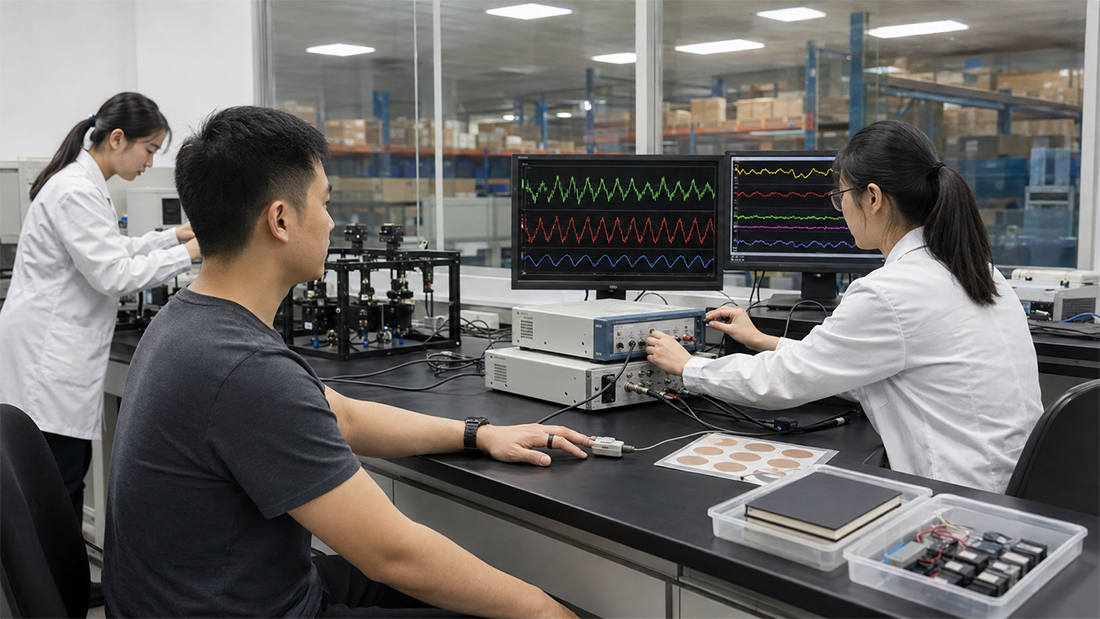
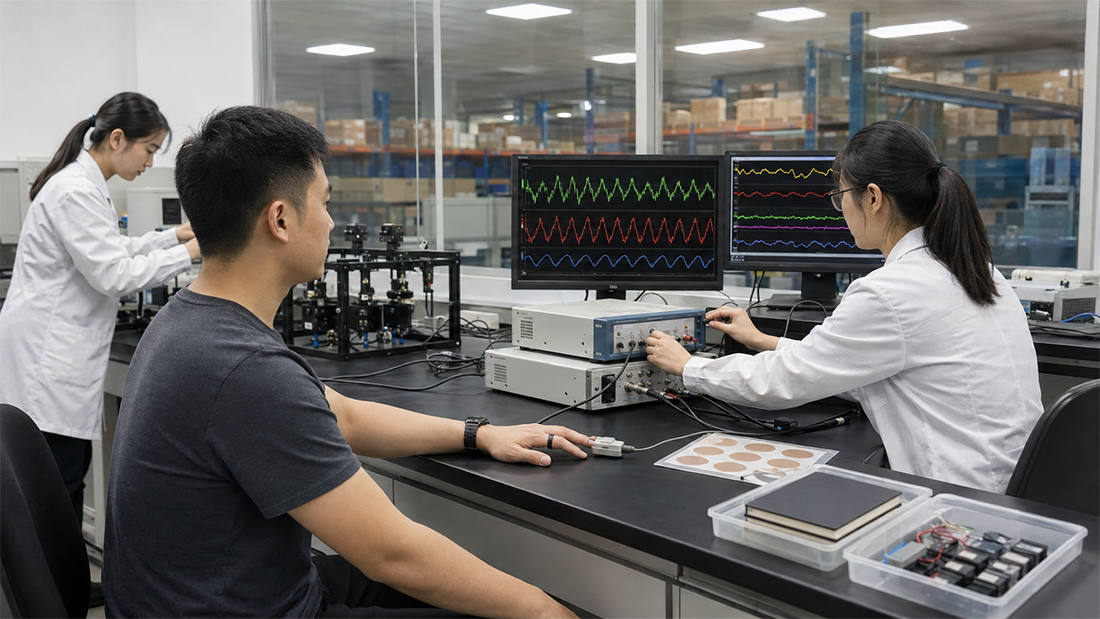
Sample-stage tests that matter for EdTech
- Pair the watch to your app on the phone OS versions your users actually run.
- Check data export format and whether raw data or only aggregated summaries are available.
- Run a full-battery day and note real-world runtime, not the marketing figure.
- Test reconnection after a device reboot and after a phone restart.
- Confirm firmware-update behavior across multiple units at once.
Pilot-stage evidence to collect
Run a pilot of at least one class or cohort before scaling. Record sync success rate, battery life across the cohort, and app crash frequency. A soft way to start is to request a small evaluation batch and confirm the integration path alongside the hardware; if you need a model with different customizations, our team can discuss sample and OEM/ODM options before you commit to a launch volume.
Step 5: Certification and Classroom Compliance
Certification is where EdTech purchases most often stall, because it is model-specific and configuration-specific. In the United States, radio-frequency devices typically require equipment authorization under FCC rules; the responsible framework is explained in the FCC’s equipment authorization procedures. Lithium batteries add transport requirements, and a UN 38.3 test summary is commonly requested for air shipment.
Do not accept a blanket statement such as “all our products are certified.” Request the certificate or test report that names the exact model, then verify it corresponds to the configuration you are buying. Requirements for CE, RoHS, and other marks depend on the destination market and product build, so confirm with your compliance or legal counsel for your rollout.
Where classroom data rules enter
Programs serving minors in the U.S. may fall under COPPA or state student-privacy laws, and district procurement often adds its own data terms. This is a legal question for your counsel, not a hardware feature. Practically, it means you need a clear answer on where data is stored, how long it is retained, and whether the manufacturer’s app collects anything you did not intend.
Step 6: MOQ, Cost, and Lead Time Planning
Price per unit is a function of quantity, customization depth, and component choice. Ask for a quoted price ladder at several volumes rather than a single number, and ask what changes between tiers.
| Cost / Logistics Factor | How It Typically Moves | Buyer Action |
|---|---|---|
| Unit price | Falls as order quantity rises | Request 2–3 volume tiers in writing |
| Tooling | One-time cost for custom enclosure or mold | Confirm who owns the tool after the order |
| Custom packaging | Adds setup plus per-unit cost | Get a printed dummy before mass run |
| App customization | Often a development fee plus maintenance | Define scope and update responsibility |
| Freight | Air vs. sea changes both cost and lead time | Include duty and last-mile in landed cost |
| Lead time | Longer with new tooling and first-time firmware | Build buffer ahead of the school term |
Landed cost, not unit price, is the number your finance team will judge you on. See the smart retail and e-commerce solutions page for how device programs are packaged for distribution channels, and remember that MOQ planning should fit your pilot size, not just your long-term forecast.
Step 7: Packaging, Logistics, and After-Sales
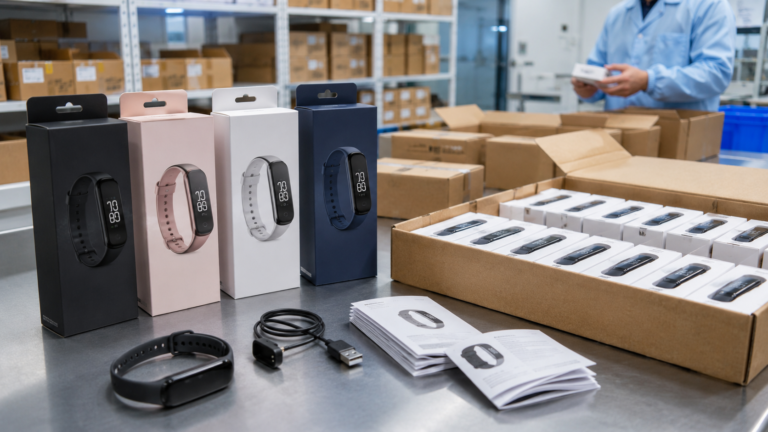
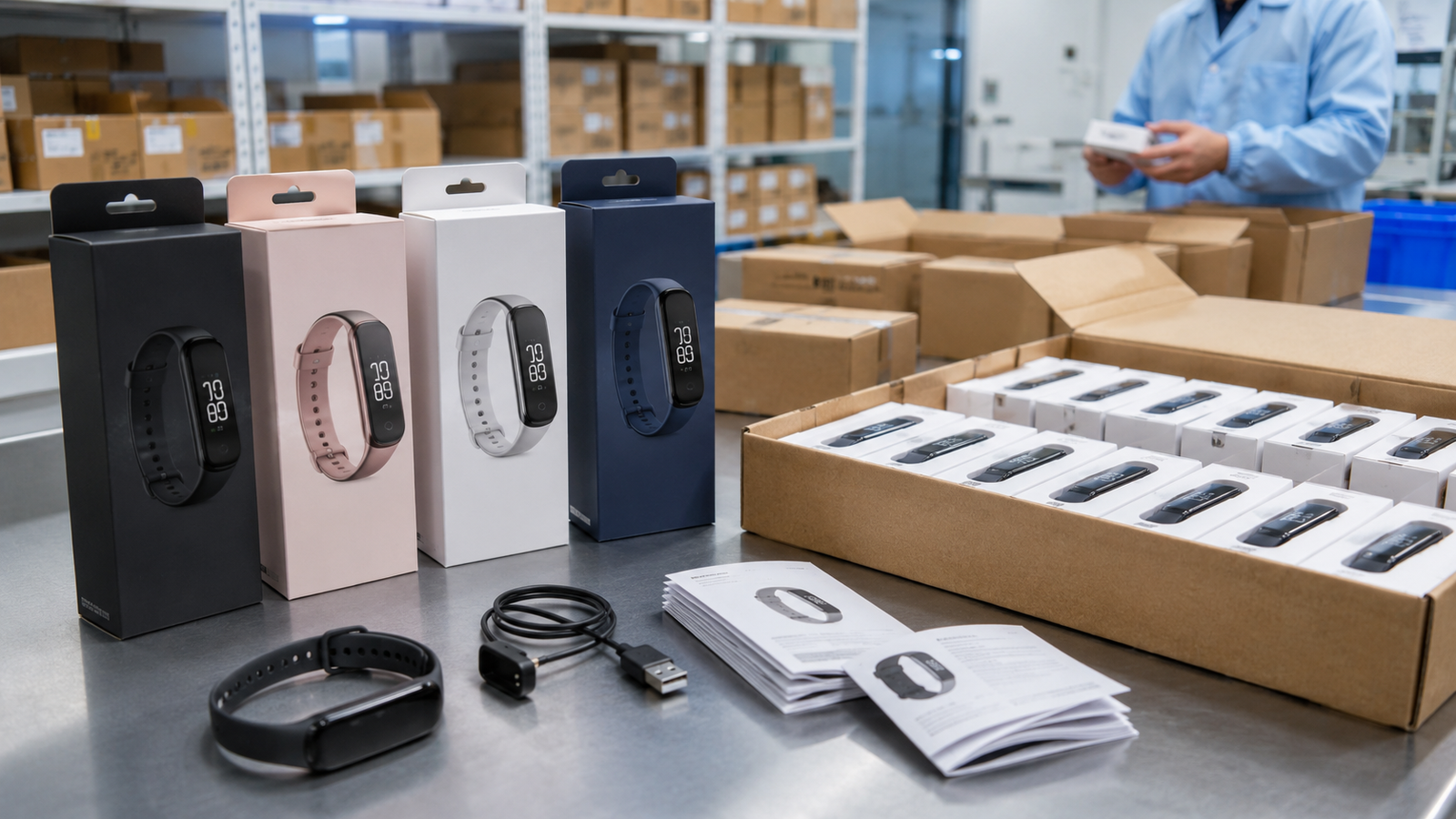
For an EdTech rollout, packaging is part onboarding, part logistics. A device that ships in a generic box forces your support team to write extra instructions.
- Retail-ready or kit-ready packaging: decide whether the watch ships alone or with a charging cable, quick-start card, and teacher guide.
- Labeling: include the model, compliance marks, and a support URL in the market’s language.
- Spare parts: agree on spare straps, chargers, and screen protectors, and the price for a reorder.
- Warranty process: define the return path, who pays return freight, and the replacement turnaround.
- Firmware support window: ask how long the manufacturer will supply compatible firmware or app updates.
If your organization runs staff or student wellness programs, the incentive design and device policy matter as much as the hardware. The corporate wellness application page covers how these programs are usually structured.
OEM, ODM, and Private Label Compared
| Model | Customization Level | Typical MOQ | Speed to Pilot | Best For |
|---|---|---|---|---|
| Private label | Logo, packaging, app name, watch face | Lower | Fast | First program, tight term deadline |
| ODM | Appearance, firmware, app, packaging | Medium | Moderate | Differentiated device without new tooling |
| OEM | Full design to your specification | Higher | Slowest | Multi-year platform with proprietary form factor |
Most education technology companies begin with private label or ODM, prove the program, then move toward OEM once volumes justify tooling. Confirm exact MOQ and tooling terms with each supplier before comparing quotes, because a low unit price on a high-MOQ model can still be the wrong choice for a pilot.
Common Mistakes and Red Flags
- Buying on unit price alone: freight, duty, app development, and warranty turn a cheap quote into an expensive program.
- Assuming certification is generic: a certificate for one model does not cover another, and a module certificate does not always cover the finished device.
- Skipping the app test: hardware that pairs easily at retail may fail under a managed deployment with many devices.
- Verbal MOQ promises: if it is not in the quotation or contract, it does not exist.
- No firmware roadmap: a watch that stops receiving updates becomes a support burden mid-program.
- Unclear tooling ownership: if you pay for a mold, confirm in writing that you own it.
- Treating wellness data as medical data: consumer watches are not diagnostic devices; keep claims accurate.
Practical Buyer Checklist
- Use case, cohort size, and data-retention policy written down.
- Must-have vs. nice-to-have spec table signed off internally.
- Sourcing model chosen: OEM, ODM, or private label.
- Certification file requested for the exact model and configuration.
- Bluetooth module qualification status confirmed.
- Battery transport documentation (UN 38.3 test summary) requested.
- App or SDK integration tested on the exact sample SKU.
- MOQ, price tiers, and lead time confirmed in writing.
- Tooling ownership and reorder pricing stated in the contract.
- Warranty term, spare parts, and firmware support window agreed.
- Landed cost model built with freight, duty, and returns.
- Pilot plan and success metrics defined before the bulk order.
FAQ
What MOQ should an EdTech company expect for smart watches?
It depends on the model and how much customization you request. Private-label orders usually have a lower MOQ than fully custom OEM builds. Ask for a cost and MOQ table across at least two volume tiers so you can compare programs fairly [STAR KING TO CONFIRM actual MOQ].
Do smart watches sold in the U.S. need FCC certification?
Radio-frequency devices generally require FCC equipment authorization under the applicable procedure. Requirements depend on the device configuration, so buyers should verify the certificate for the exact model being purchased and confirm with a compliance professional.
Can we get a version with our own app and logo?
Usually yes, through private label or ODM. Logo, packaging, watch faces, and app branding are common customization points. Firmware-level changes and data export behavior need to be scoped separately and confirmed in the project quotation.
How long does production take after we approve the sample?
Mass production often runs 25–45 days after deposit and artwork approval, with longer timelines when new tooling or first-time firmware is involved. Build buffer before your school term or fiscal deadline.
What data privacy rules apply to student wearables?
Programs serving minors in the U.S. may be subject to COPPA and state student-privacy laws, and districts frequently add their own terms. This is a legal determination; confirm requirements with counsel and check what the manufacturer’s app actually collects.
Are consumer smart watches medical devices?
No. Consumer wellness smart watches are not diagnostic or treatment devices. Heart rate and oxygen readings are wellness features, and education buyers should keep product claims aligned with that distinction.
Can we start with a small pilot batch?
Often a supplier will support a smaller evaluation quantity before a full production order, subject to the model. A pilot is the cheapest way to find app and battery issues before a large commitment.
Conclusion
Buying smart watches for education technology companies is a procurement project, not a product purchase. The winning sequence is consistent: define the program outcome, lock a must-have specification, choose the right sourcing model, test the app and battery in a pilot, verify certification for the exact model, then settle MOQ, tooling, lead time, and warranty in writing. Buyers who do those seven things tend to avoid the two most expensive outcomes in school hardware: a device that will not integrate and a shipment that cannot legally clear customs.
Keep the specification table, the sample test report, and the certificate files in one folder. That single habit saves weeks when the district or your finance team asks for documentation mid-year.
Next Step with STAR KING
If your rollout is moving from planning to purchase, share your use case, target volume, and must-have features. Request a quotation, or ask our team to discuss an OEM/ODM project with samples and customization options so you can compare models against your specification and confirm certification requirements for the U.S. market. Contact the team at Request a Quote.
Discuss Your Smart Wearable OEM/ODM Project
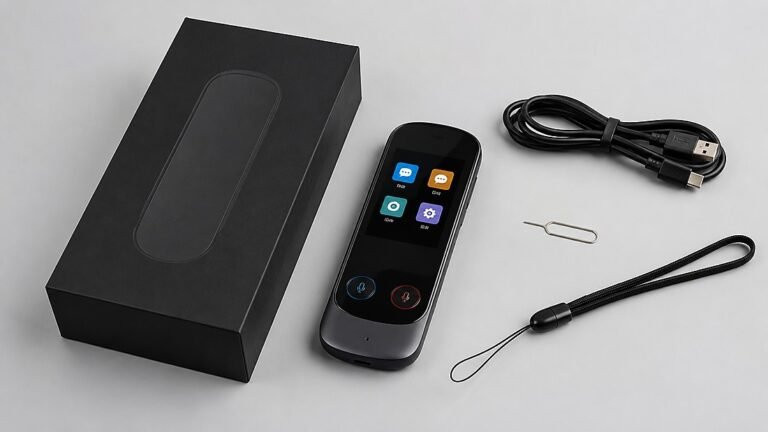
Planning a smart ring, smart watch, smart band, AI glasses, AI translator, or AI voice mouse project? Contact STAR KING to discuss product positioning, sample testing, customization scope, certification requirements, lead time, and quotation details.

Team Star King
Scan WhatsApp QR code