
Private Label Smart Watches for the US Market: 7 Critical Checks Before You Commit
November 22, 2026 · Team Star King
Private Label Smart Watches for the US Market: 7 Critical Checks Before You Commit
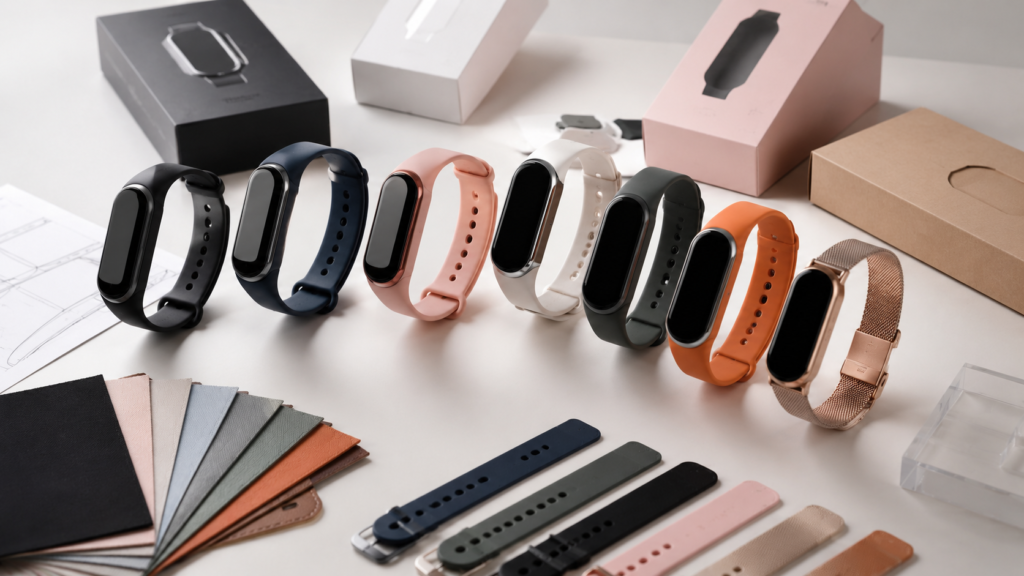
Private label smart watches let US brands enter the wearable market without building hardware from scratch, but the evaluation stage is where most sourcing mistakes happen. Before you sign a purchase order, verify seven areas: target-market compliance, firmware ownership, app integration, MOQ and landed cost, sample testing, quality control, and after-sales support. Each check reduces the risk of delays, returns, and margin loss after launch.
Table of Contents
Table of Contents
Short Answer
For US private-label brands, the safest path is to source smart watches from a manufacturer that can document FCC and other applicable compliance for the exact SKU, offer firmware and app customization options, and provide a clear sample-to-mass-production timeline. Buyers should confirm MOQ, tooling ownership, and warranty terms in writing before committing.
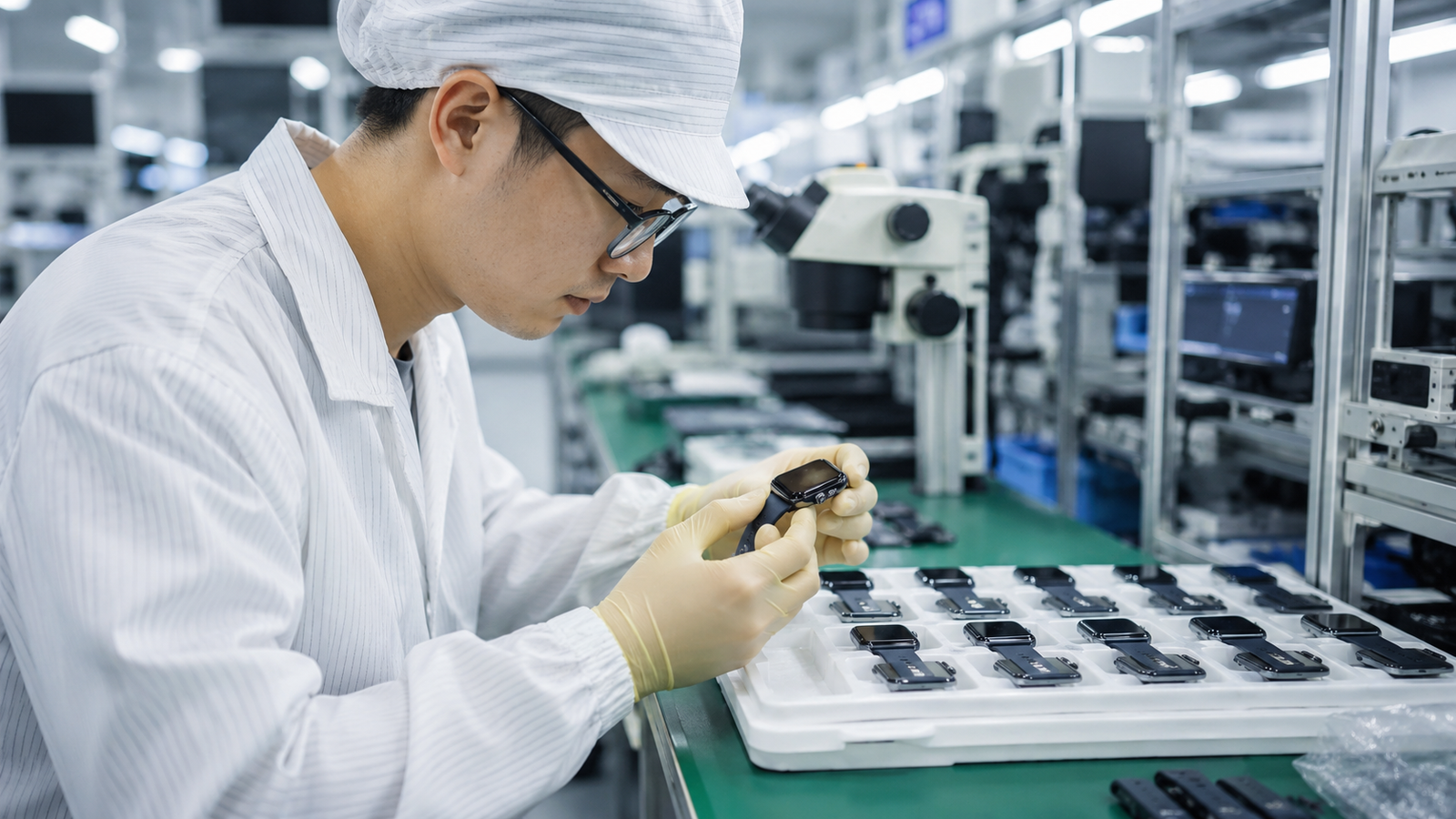
Table of Contents
- Key Takeaways
- Key Facts for Buyers
- What Are Private Label Smart Watches?
- 7 Critical Checks Before You Commit
- Comparison Table: OEM vs. ODM vs. Private Label
- Common Mistakes and Buyer Red Flags
- Practical Buyer Checklist
- FAQ
- Conclusion
Key Takeaways
- US market entry requires verifying FCC rules for the exact smart watch configuration, not just a generic certificate.
- Private label smart watches typically involve firmware, app, logo, and packaging customization; confirm which are included at your MOQ.
- Request pre-production samples and test battery life, sensor accuracy, Bluetooth stability, and app pairing before mass production.
- Landed cost includes unit price, tooling, certification testing, freight, duties, and packaging; calculate it before setting retail price.
- Clarify tooling ownership and warranty terms in the contract to protect your brand long-term.

Key Facts for Buyers
| Factor | Typical Consideration for US Private-Label Brands |
|---|---|
| Compliance | FCC equipment authorization may be required for Bluetooth/Wi-Fi smart watches; verify with the manufacturer for the exact SKU. |
| MOQ | Often ranges from 500 to 3,000 units depending on customization level; confirm with supplier. |
| Sample Lead Time | Typically 7–15 days for stock samples; custom samples may take 20–30 days. |
| Mass Production Lead Time | Usually 30–60 days after sample approval and deposit. |
| Customization | Logo, packaging, watch faces, app name, and firmware features are commonly available. |
| Warranty | Standard 12 months; negotiate terms and spare parts policy. |
What Are Private Label Smart Watches?
Private label smart watches are wearable devices manufactured by a third-party supplier and branded for your company. Unlike full ODM where the manufacturer designs the product, private label typically starts from an existing hardware platform that you customize with your logo, packaging, app, and selected firmware features. This model lets US brands launch quickly without investing in industrial design or tooling from zero.
For buyers, the key distinction is control. Private label gives you brand ownership and customer relationship, but the underlying hardware and firmware may be shared with other brands. Your evaluation should focus on what you can exclusively control—branding, app experience, and customer support—and what the supplier controls—hardware quality, compliance, and production consistency.
7 Critical Checks Before You Commit
1. Target-Market Compliance for the Exact SKU
US regulations require that radio-frequency devices comply with FCC rules. Smart watches with Bluetooth and Wi-Fi typically need an FCC equipment authorization, and the supplier should provide documentation for the specific model you plan to import. A generic certificate for a different model does not protect your brand. Ask for the FCC ID and verify it in the FCC ID database. Also confirm battery transport documentation such as UN38.3 test summaries and MSDS, since lithium batteries are regulated for air freight.
Compliance requirements depend on the final configuration and target market. Buyers should verify with a qualified compliance consultant or the supplier’s documentation before committing.
2. Firmware and App Ownership
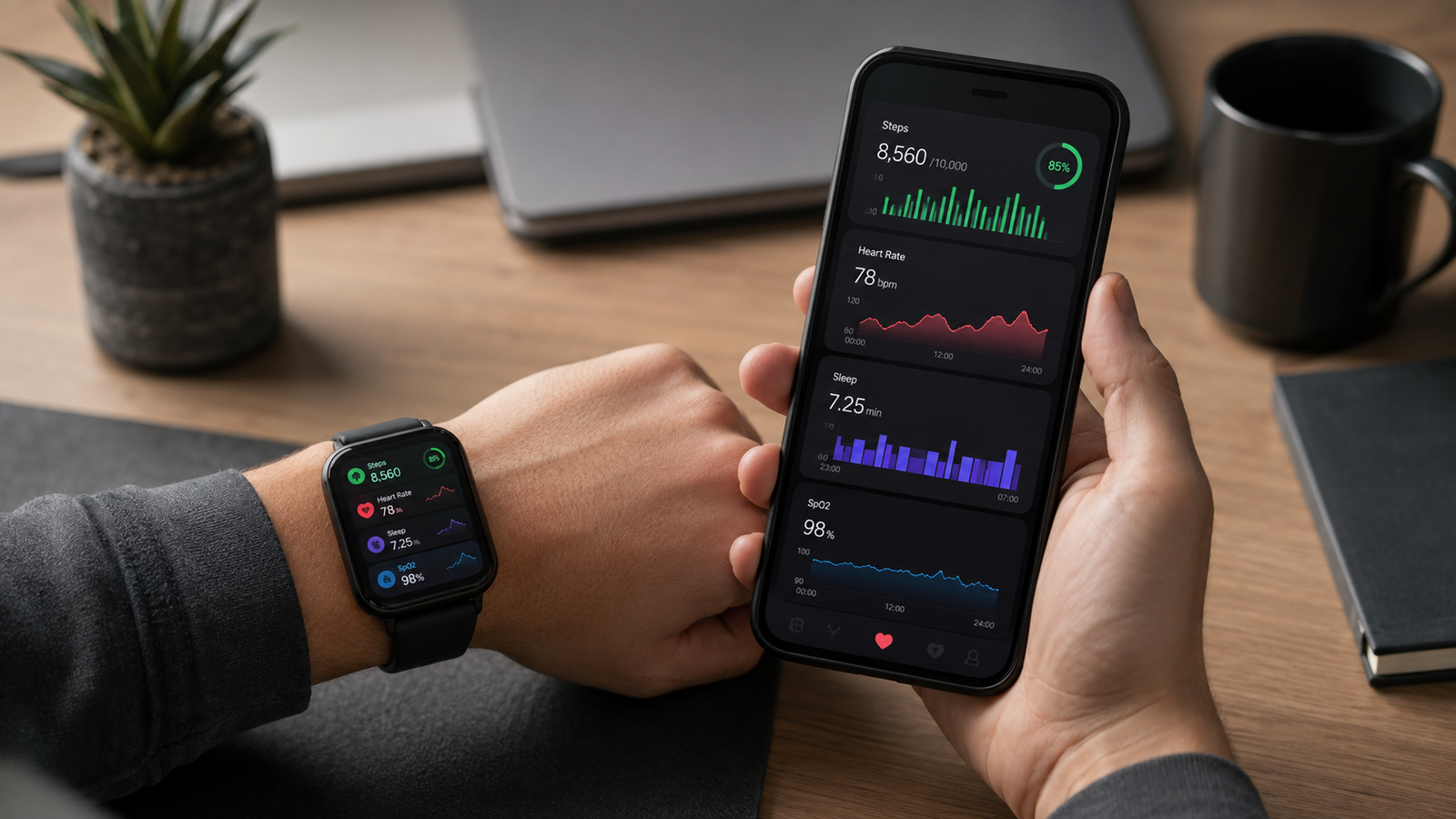
Private label smart watches often use a supplier’s reference firmware and a companion app. Clarify whether you can customize the app name, icon, and user interface, and whether the app is published under your developer account. Ask who owns the firmware source code and what happens if you want to switch suppliers later. For US brands, data privacy and app store policies matter; confirm that the app’s data collection practices are documented and that you can review them.
3. MOQ and Landed Cost
MOQ for private label smart watches varies by customization. Logo printing may have a lower MOQ than custom packaging or firmware changes. Request a full cost breakdown: unit price, tooling or setup fees, certification testing, packaging, freight, and US import duties. Landed cost is the number that determines your retail margin. Use a landed cost calculator or ask the supplier for an estimate that includes HS codes and shipping terms.
4. Sample Testing and Validation
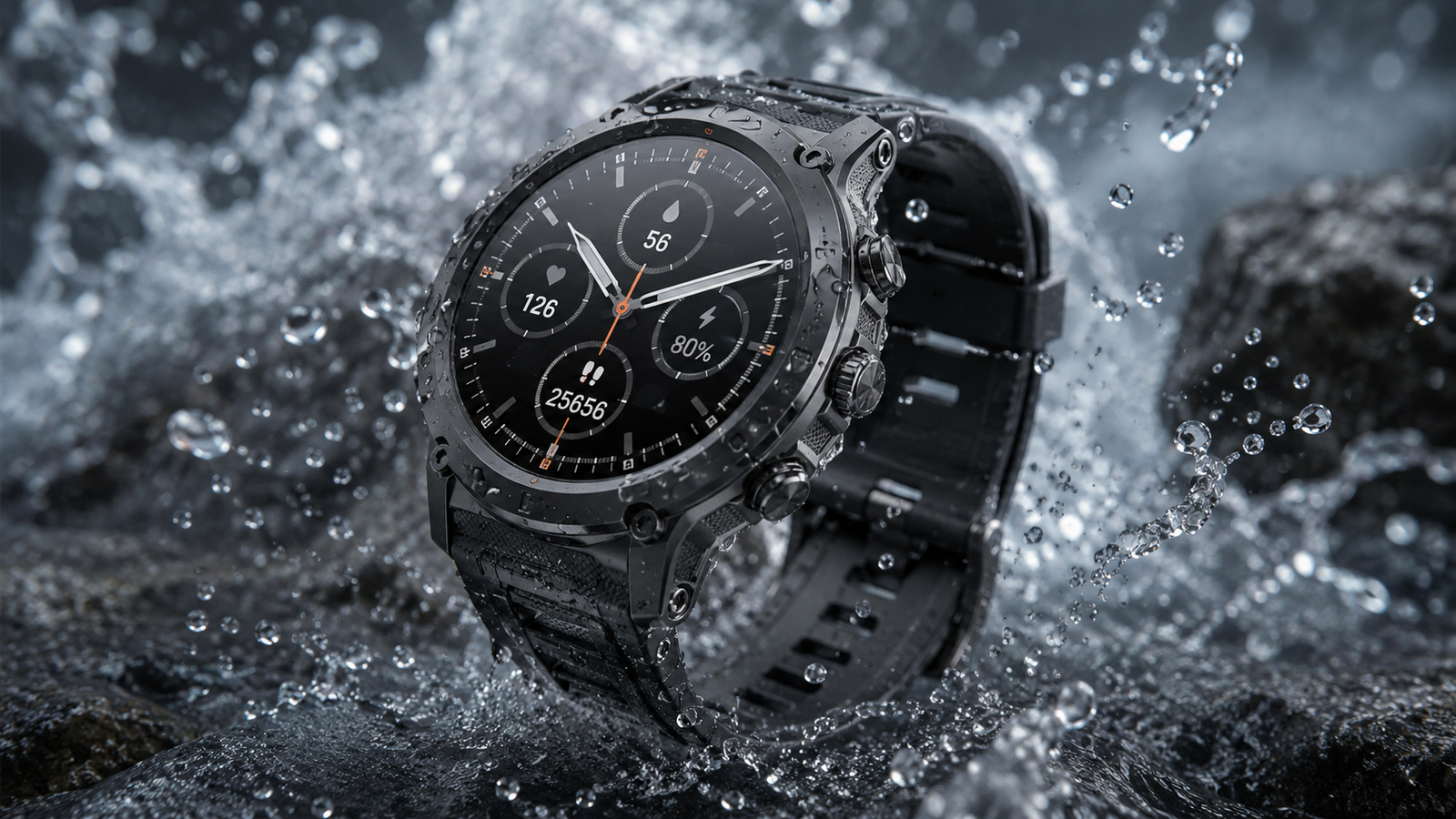
Order pre-production samples and test them against your use case. Check battery life under typical use, heart rate and blood oxygen trends (not medical accuracy), Bluetooth pairing stability, app synchronization, touchscreen responsiveness, and water resistance claims. Test with both iOS and Android devices. Document any issues and require corrective actions before mass production.
5. Quality Control and Pre-Shipment Inspection
Ask about the supplier’s quality management process: incoming material checks, in-line testing, aging tests, drop tests, and pre-shipment inspection. For US buyers, a third-party inspection before shipment can reduce the risk of receiving defective units. Confirm the AQL level and who bears the cost of inspection.
6. Packaging and Brand Customization
Packaging is part of the product experience. Confirm whether custom boxes, manuals, and inserts are available at your MOQ. Check that packaging meets US retail requirements, including barcodes and safety warnings. Also consider retail-ready packaging if you plan to sell through distributors or retail chains.
7. After-Sales, Warranty, and Spare Parts
Define warranty terms, return procedures, and spare parts availability. Ask how the supplier handles defective units and whether they provide replacement parts such as chargers or straps. A clear after-sales policy protects your brand reputation and reduces customer service costs.
If you are evaluating private label smart watches for the US market, reviewing sample options and customization capabilities early can help you shortlist suppliers faster. STAR KING provides smart watch OEM/ODM solutions with configurable branding and packaging.
Comparison Table: OEM vs. ODM vs. Private Label
| Model | Customization Level | Typical MOQ | Best For |
|---|---|---|---|
| OEM | High—custom design and tooling | Higher (e.g., 3,000+) | Brands with unique hardware requirements |
| ODM | Medium—choose from existing designs with modifications | Medium (e.g., 1,000+) | Brands wanting faster time-to-market |
| Private Label | Low to medium—logo, packaging, app branding | Lower (e.g., 500+) | Startups and e-commerce sellers testing the market |
Source: Industry practice; actual MOQ depends on supplier and configuration.
Common Mistakes and Buyer Red Flags
- Accepting a generic FCC certificate that does not match the exact model you are importing.
- Assuming the app is exclusive when it is a shared white-label app used by multiple brands.
- Ignoring landed cost and focusing only on unit price, leading to thin margins after freight and duties.
- Skipping sample testing and discovering battery or pairing issues after mass production.
- Not clarifying tooling ownership, which can make switching suppliers difficult.
- Red flag: Supplier cannot provide compliance documentation or avoids written warranty terms.
Practical Buyer Checklist
- ☐ Confirm FCC ID and verify in FCC database for the exact model.
- ☐ Request UN38.3 and MSDS for the battery.
- ☐ Clarify app ownership and data privacy documentation.
- ☐ Obtain a full landed cost estimate including freight and duties.
- ☐ Order pre-production samples and test for 7–14 days.
- ☐ Review quality control process and pre-shipment inspection options.
- ☐ Confirm packaging customization and MOQ.
- ☐ Negotiate warranty, spare parts, and return policy in writing.
- ☐ Clarify tooling ownership and exit terms.
FAQ
What compliance documents do I need for private label smart watches in the US?
At minimum, request the FCC equipment authorization for the exact model, UN38.3 test summary, and MSDS for the battery. Additional requirements may apply depending on features such as wireless charging.
What is a typical MOQ for private label smart watches?
MOQ often ranges from 500 to 3,000 units depending on customization level. Logo and packaging customization may have lower MOQs than firmware changes.
Can I customize the smart watch app?
Many suppliers offer app name, icon, and limited UI customization. Confirm whether the app is published under your developer account and who owns the data.
How long does sampling and production take?
Stock samples may take 7–15 days; custom samples 20–30 days. Mass production typically takes 30–60 days after sample approval and deposit.
What should I test in a sample?
Test battery life, sensor trends, Bluetooth stability, app pairing on iOS and Android, touchscreen response, and water resistance.
Who owns the tooling?
Tooling ownership should be specified in the contract. For private label, tooling may be minimal, but clarify ownership of any custom molds or fixtures.
What warranty is typical?
12 months is common. Negotiate terms for defective units, spare parts, and return shipping.
Conclusion
Evaluating private label smart watches for the US market requires a structured approach. By verifying compliance for the exact SKU, clarifying firmware and app ownership, calculating landed cost, testing samples, and securing quality and after-sales terms, you can reduce risk and protect your brand. Use the checklist above to compare suppliers and make an informed decision.
Ready to evaluate private label smart watches for your brand? Request product samples or discuss your customization requirements with our team.
Useful Official References for Buyers
- FCC equipment authorization guidance
- European Commission CE marking information
- Bluetooth SIG specifications
Discuss Your Smart Wearable OEM/ODM Project
Planning a smart ring, smart watch, smart band, AI glasses, AI translator, or AI voice mouse project? Contact STAR KING to discuss product positioning, sample testing, customization scope, certification requirements, lead time, and quotation details.

Team Star King

Scan WhatsApp QR code
Leave a Reply