private label AI smart glasses: How to Source Private Label AI Smart Glasses for the UK in 2026: 7 Critical Steps for Procurement Teams
How to Source Private Label AI Smart Glasses for the UK in 2026: 7 Critical Steps for Procurement Teams
Private label AI smart glasses are wearable devices that combine augmented reality (AR) overlays, voice assistants, or heads-up displays with your own brand identity, sourced from an OEM/ODM manufacturer. For UK-based private-label brands, successful sourcing depends on seven factors: clear use-case definition, supplier verification, customization scope, MOQ and cost planning, UK compliance, sample validation, and sustainable supply chain terms. This guide walks procurement teams through each step with practical checklists and real-world decision points.
Table of Contents
Table of Contents
If you are evaluating suppliers for private label AI smart glasses in 2026, this article gives you the exact framework to avoid costly mistakes and speed up launch.
Table of Contents
- Step 1: Define the Use Case and Target Buyer
- Step 2: Identify and Verify AI Smart Glasses OEM/ODM Suppliers
- Step 3: Understand Customization Options and Intellectual Property
- Step 4: Plan MOQ, Unit Cost, and Landed Cost
- Step 5: Ensure UK Compliance and Certification
- Step 6: Validate Samples and Quality Control
- Step 7: Negotiate Production, Packaging, and After-Sales Terms
- Common Mistakes When Sourcing Private Label AI Smart Glasses
- Practical Buyer Checklist
- FAQ
- Conclusion
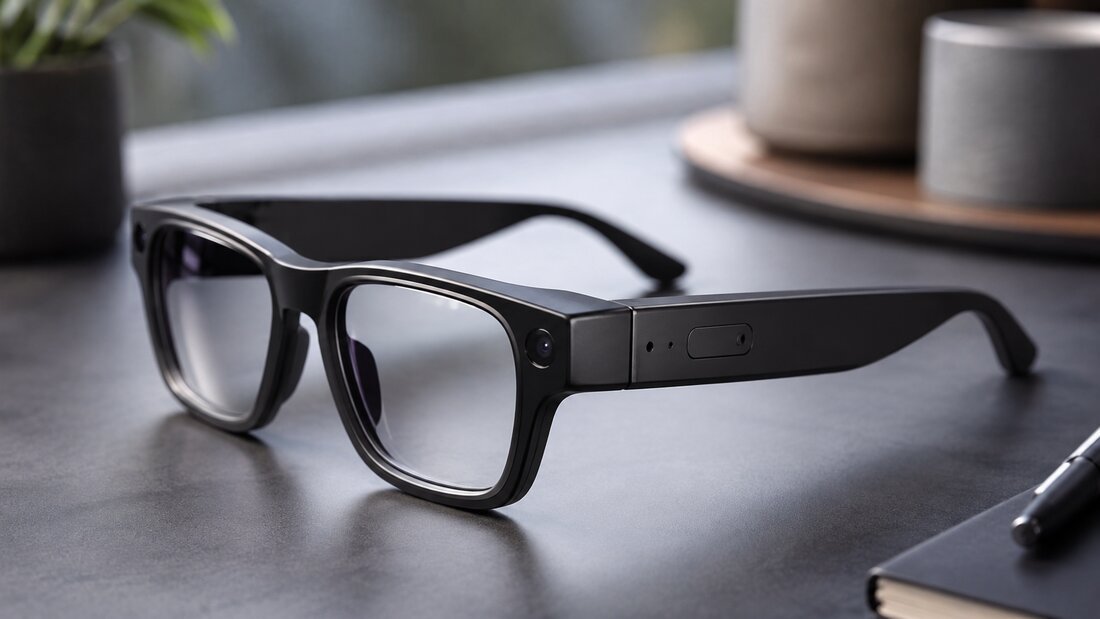
Short Answer
To source private label AI smart glasses for the UK, start by defining your use case and target price. Verify suppliers through factory audits and sample testing. Confirm customization options, MOQs, and UK compliance (UKCA, CE, RoHS, UN38.3 for batteries). Budget for tooling and certification. Plan a 60–90 day lead time. Use a structured buyer checklist and request samples before mass production.

Key Takeaways
- Define your use case first: AI smart glasses for enterprise (logistics, field service) vs. consumer (fitness, translation) require different specs.
- Verify supplier credentials: check for OEM/ODM experience, factory audit reports, and compliance documentation.
- Understand MOQ and cost drivers: MOQ typically starts at 500–1,000 units for private label, but tooling and certification add one-time costs.
- UK compliance is non-negotiable: UKCA marking, CE for EU, RoHS, and UN38.3 for lithium batteries.
- Sample validation protects your brand: test fit, battery life, audio quality, and app integration.
- Negotiate clear terms on IP, warranty, and spare parts to avoid costly disputes.
Key Facts for Buyers
| Factor | Typical Range / Requirement |
|---|---|
| MOQ for private label | 500–1,000 units (depends on customization) |
| Tooling cost (custom design) | $5,000–$20,000+ one-time |
| Unit cost (FOB) | $80–$200+ depending on specs |
| Certification costs | $3,000–$10,000+ per market |
| Lead time | 45–90 days after deposit |
| UK compliance | UKCA, CE (if EU), RoHS, UN38.3, MSDS |
| Battery shipping | UN38.3 test report required for air freight |
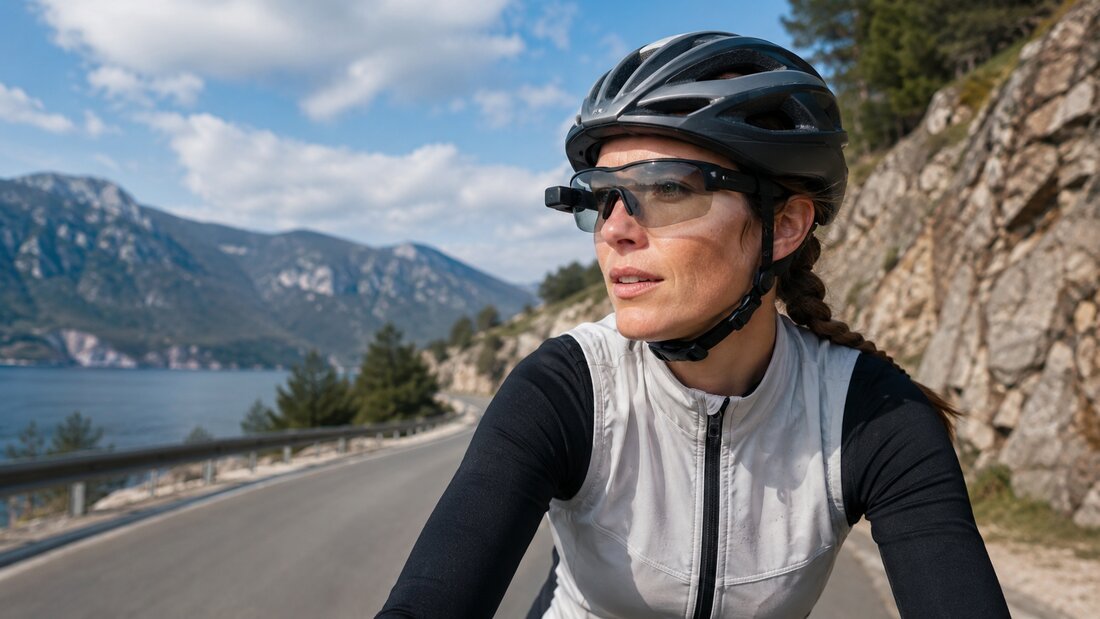
Step 1: Define the Use Case and Target Buyer
Before contacting suppliers, clarify how your private label AI smart glasses will be used. The UK market has distinct segments:
- Enterprise & field service: Hands-free AR guidance, remote support, barcode scanning. Buyers prioritize durability, long battery life, and integration with existing software.
- Consumer & fitness: Audio playback, fitness tracking, voice assistant. Buyers focus on style, weight, and app ecosystem.
- Translation & travel: Real-time translation, language learning. Buyers need multilingual support and low latency.
Your use case determines the required hardware: display type (monocular vs. binocular), processor, sensors, and connectivity (Bluetooth, Wi-Fi). It also affects certification and battery requirements. For a deeper look at AI glasses applications, see our AI Office Productivity solutions.
Key specifications to decide early
- Display: Micro-LED, LCoS, or waveguide? Each has trade-offs in brightness, power, and cost.
- Audio: Open-ear speakers vs. bone conduction.
- Battery: 4–8 hours typical; fast charging adds cost.
- Processor: Qualcomm Snapdragon AR series or equivalent.
- Connectivity: Bluetooth 5.2+, Wi-Fi 6 for enterprise.
- OS: Android-based or RTOS; app compatibility matters.
Step 2: Identify and Verify AI Smart Glasses OEM/ODM Suppliers
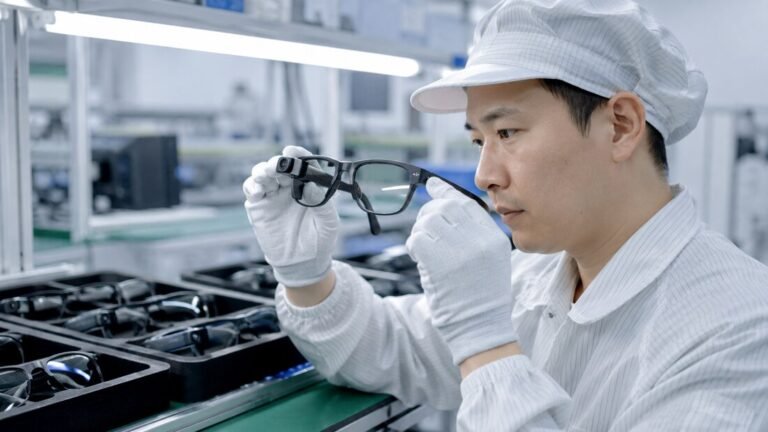
China remains the primary sourcing hub for AI smart glasses, with clusters in Shenzhen and Dongguan. However, not all suppliers are equal. Use this verification process:
- Check business license and export experience: Request a copy of the business license and ask for export records to the UK or EU.
- Request factory audit reports: Look for ISO 9001, ISO 14001, and social compliance audits (BSCI, Sedex).
- Ask for product test reports: CE, FCC, RoHS, UN38.3 for batteries, and MSDS.
- Evaluate R&D capability: Ask about in-house firmware and app development, not just assembly.
- Request references: Speak to existing private-label clients (if permitted).
STAR KING supports private-label brands with end-to-end OEM/ODM services. Learn more on our Private Label OEM/ODM page.
Red flags when vetting suppliers
- Refuses to provide factory audit or test reports.
- Quotes unusually low prices with no explanation of certification costs.
- Cannot explain firmware update process or app customization.
- Pressures you to pay full amount upfront.
Step 3: Understand Customization Options and Intellectual Property
Private label AI smart glasses can be customized at several levels:
- Logo customization: Laser engraving, silk printing on temples or case.
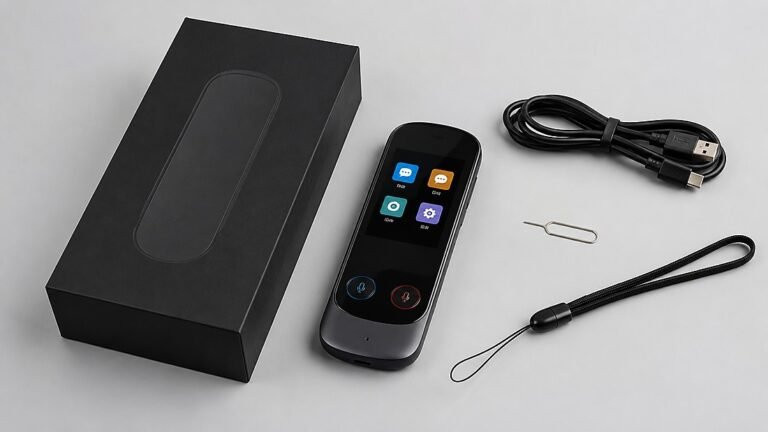
- Packaging: Custom retail box, user manual, and accessories.
- App customization: White-label app with your branding; some suppliers offer SDK for deeper integration.
- Firmware: Boot logo, pre-installed apps, language packs.
- Hardware: Color, frame material, lens tint (prescription options may require additional tooling).
Clarify IP ownership: who owns the mold, the app code, and the firmware? Typically, if you pay for tooling, you own the mold, but verify this in the contract. For app development, ensure you have rights to the source code or a perpetual license.
Customization levels and typical MOQs
| Customization Level | Typical MOQ | Notes |
|---|---|---|
| Logo + packaging | 500 units | Lowest entry point |
| App white-label | 1,000 units | May require NRE fee |
| Firmware changes | 1,000–2,000 units | Depends on complexity |
| Custom hardware (frame, lens) | 2,000+ units | Tooling investment required |
For more on customization, see our AI Smart Glasses product page.
Step 4: Plan MOQ, Unit Cost, and Landed Cost
Cost planning for private label AI smart glasses involves several components:
- Unit cost (FOB): $80–$200+ depending on specs, display, and order volume.
- Tooling/NRE: $5,000–$20,000+ for custom mold or app development.
- Certification: $3,000–$10,000+ per market (UKCA, CE, RoHS, UN38.3).
- Shipping: Air freight for lithium batteries requires UN38.3; sea freight is cheaper but slower.
- Duties and VAT: UK import duty for smart glasses is typically 0–4% depending on classification; VAT is 20%.
- Landed cost: Calculate total cost per unit including all above.
Use this formula: Landed Cost = (Unit Cost × Quantity + Tooling + Certification + Shipping + Duties) / Quantity.
Example cost scenario (1,000 units)
| Item | Cost (USD) |
|---|---|
| Unit cost (FOB) | $120,000 |
| Tooling | $8,000 |
| Certification | $6,000 |
| Shipping (air) | $4,000 |
| Duties (2%) | $2,400 |
| Total | $140,400 |
| Landed cost per unit | $140.40 |
Note: These are indicative and vary by supplier and specifications. Request a detailed quotation from your supplier. For a tailored quote, contact STAR KING.
Step 5: Ensure UK Compliance and Certification
For the UK market, private label AI smart glasses must comply with:
- UKCA marking: Required for most electrical products. Replaces CE for Great Britain (England, Scotland, Wales).
- CE marking: Still required for Northern Ireland and EU.
- RoHS: Restricts hazardous substances.
- WEEE: Waste electrical and electronic equipment regulations.
- Battery regulations: UN38.3 for transport, MSDS for shipping, and compliance with UK battery directives.
- Radio equipment: If Bluetooth/Wi-Fi, compliance with Radio Equipment Regulations 2017.
- Data protection: If the glasses collect personal data, GDPR compliance is essential.
Certification requirements depend on the specific product configuration and target market. Buyers should verify with a certified testing lab. For official reference, see the UK Government UKCA guidance and ISO 9001 standard.
Compliance checklist for UK buyers
- Request test reports for UKCA, CE, RoHS, and UN38.3.
- Verify that the manufacturer is familiar with UK regulations.
- Ensure product labeling includes UKCA mark and importer details.
- Plan for WEEE registration if you are the importer.
Step 6: Validate Samples and Quality Control
Never proceed to mass production without thorough sample validation. Order pre-production samples and test:
- Fit and comfort: Wear for extended periods; check weight distribution.
- Display quality: Brightness, contrast, and readability in different lighting.
- Audio: Volume, clarity, and microphone performance.
- Battery life: Test under real-world usage.
- Connectivity: Pairing, range, and stability.
- App integration: Ease of setup, feature completeness.
- Durability: Drop test, water resistance (IP rating).
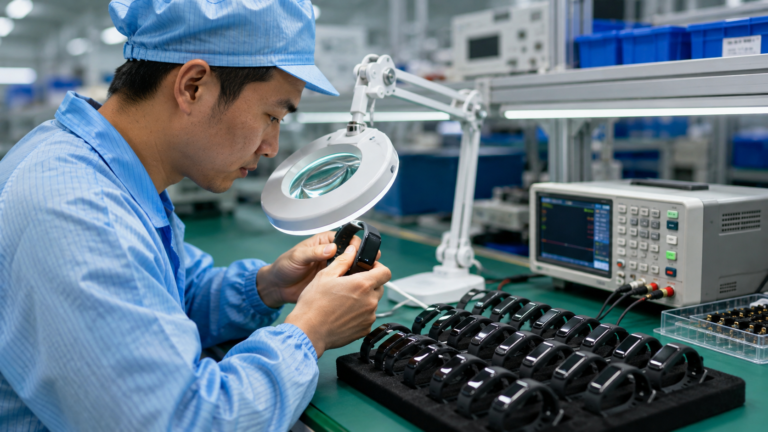
During production, arrange for pre-shipment inspection (PSI) by a third party. Define acceptable quality limits (AQL) in the contract. For more on quality, see our OEM/ODM solutions.
Step 7: Negotiate Production, Packaging, and After-Sales Terms
Finalize terms before signing:
- Payment terms: Typically 30% deposit, 70% before shipment. Negotiate milestone payments.
- Lead time: 45–90 days after deposit; confirm in writing.
- Packaging: Approve artwork and materials. Consider retail-ready packaging.
- Warranty: 12–24 months is standard. Clarify what is covered.
- Spare parts: Ensure availability for repairs.
- After-sales support: Who handles returns? Define RMA process.
STAR KING offers flexible OEM/ODM terms for UK private-label brands. Request a quotation to discuss your project.
Common Mistakes When Sourcing Private Label AI Smart Glasses
- Skipping sample validation: Rushing to production without testing leads to costly returns.
- Underestimating certification costs: Budget for UKCA, CE, and battery testing.
- Ignoring MOQ constraints: Customization may require higher volumes.
- Not clarifying IP ownership: Ensure you own the mold and app code.
- Choosing the lowest price: Cheap often means poor quality or hidden costs.
- Overlooking battery shipping regulations: UN38.3 is mandatory for air freight.
Practical Buyer Checklist
| Area | Action |
|---|---|
| Supplier | Verify business license, factory audit, export experience |
| Customization | Confirm logo, packaging, app, firmware options and MOQs |
| Compliance | Request UKCA, CE, RoHS, UN38.3, MSDS test reports |
| Cost | Calculate landed cost including tooling, certification, shipping, duties |
| Samples | Order and test pre-production samples |
| Quality | Arrange pre-shipment inspection and define AQL |
| Terms | Negotiate payment, lead time, warranty, spare parts |
FAQ
What is the typical MOQ for private label AI smart glasses?
MOQ usually starts at 500–1,000 units for logo and packaging customization. Higher MOQs (2,000+) apply for custom hardware or firmware changes. Confirm with your supplier as it varies by model.
How long does it take to produce private label AI smart glasses?
Production lead time is typically 45–90 days after deposit and sample approval. Add 2–4 weeks for certification and shipping. Plan for a total of 3–5 months from order to delivery.
What certifications are required for UK market?
UKCA marking is mandatory for most electrical products. CE is required for Northern Ireland and EU. Other requirements include RoHS, WEEE, and UN38.3 for lithium batteries. Verify with a testing lab.
Can I customize the app and firmware?
Yes, many suppliers offer white-label apps and firmware customization. Some provide SDKs for deeper integration. Ensure you agree on IP ownership and app update responsibilities.
How much does it cost to develop private label AI smart glasses?
Total development cost depends on customization. Expect $130–$200+ per unit landed for 1,000 units, including tooling and certification. Request detailed quotations.
What are the shipping requirements for lithium batteries?
Lithium batteries must meet UN38.3 and be shipped with MSDS. Air freight requires additional documentation. Sea freight is cheaper but slower (30–45 days).
How do I ensure quality control?
Order pre-production samples, define AQL standards, and arrange pre-shipment inspection. Request test reports for critical components.
Conclusion
Sourcing private label AI smart glasses for the UK in 2026 requires a structured approach. By following these seven steps—defining use case, verifying suppliers, understanding customization, planning costs, ensuring compliance, validating samples, and negotiating terms—you can launch a successful product line with minimal risk. Start with a clear brief, and partner with a manufacturer that supports your brand vision.
STAR KING CTA
Ready to develop your private label AI smart glasses? STAR KING offers end-to-end OEM/ODM services, from design to certification. Request a quotation or discuss your customization options today.
Discuss Your Smart Wearable OEM/ODM Project
Planning a smart ring, smart watch, smart band, AI glasses, AI translator, or AI voice mouse project? Contact STAR KING to discuss product positioning, sample testing, customization scope, certification requirements, lead time, and quotation details.

Team Star King

Scan WhatsApp QR code