
AI voice mouse supplier: How to Choose the Right AI Voice Mouse Supplier for Healthcare in the Middle East: 7 Critical Checks
November 2, 2026 · Team Star King
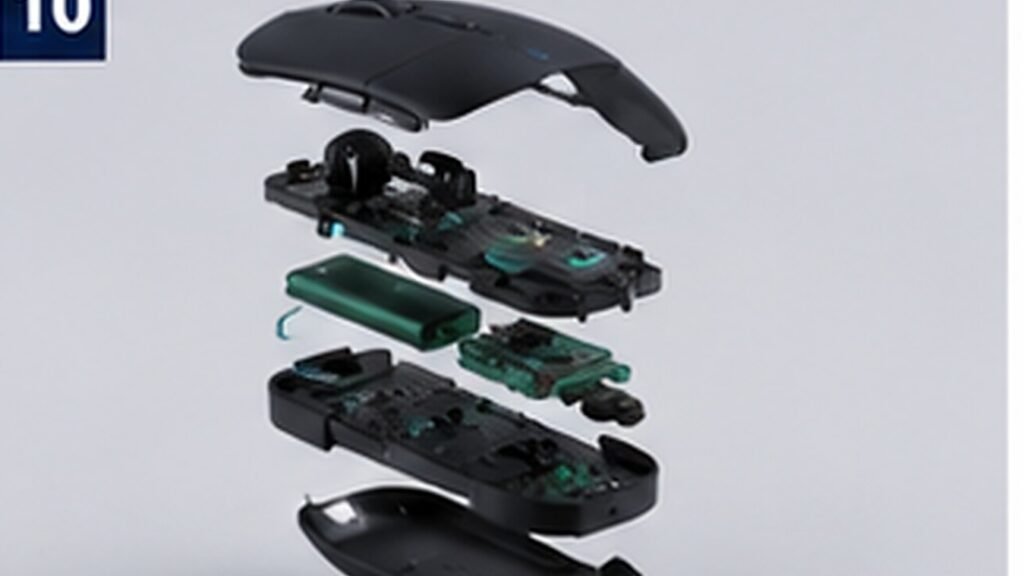
How to Choose the Right AI Voice Mouse Supplier for Healthcare in the Middle East: 7 Critical Checks
To choose the right AI voice mouse supplier for healthcare projects in the Middle East, procurement teams should verify Arabic language support and accuracy, confirm that the device meets local import and certification requirements, assess healthcare-specific privacy and integration capabilities, review OEM/ODM flexibility, and validate quality control through samples and audits. The supplier must also demonstrate reliable lead times, transparent MOQ policies, and a clear path for after-sales support. These seven checks reduce deployment risk and ensure the product fits clinical and administrative workflows across the region.
Table of Contents
Table of Contents
AI voice mouse supplier: Table of Contents
- Short Answer
- Key Takeaways
- Key Facts for Buyers
- 1. Arabic Language Support and Accuracy
- 2. Healthcare Data Privacy and Integration
- 3. Compliance and Certification for Middle East Markets
- 4. OEM/ODM and Private Label Flexibility
- 5. Quality Control and Reliability Testing
- 6. MOQ, Pricing, and Lead Time Planning
- 7. After-Sales Support and Warranty
- Supplier Evaluation Comparison Table
- Common Mistakes and Buyer Red Flags
- Practical Buyer Checklist
- FAQ
- Conclusion
Short Answer
The best AI voice mouse supplier for healthcare in the Middle East is one that combines verified Arabic speech recognition, healthcare-grade data handling, relevant certifications, and flexible OEM/ODM services. Buyers should prioritize suppliers who provide sample testing, transparent MOQs, and documented quality control. Always confirm certification requirements for each target country, as they vary.
Key Takeaways
- Arabic language support and accuracy are non-negotiable for healthcare use in the Middle East.
- Data privacy and integration with EHR systems are critical for clinical adoption.
- Certification needs differ by country; verify CE, FCC, and local requirements.
- OEM/ODM flexibility allows branding and firmware customization for regional needs.
- Quality control and after-sales support protect your investment and reputation.
- MOQ and lead times should align with your deployment timeline and budget.
Key Facts for Buyers
| Factor | Consideration for Middle East Healthcare |
|---|---|
| Language Support | Arabic (MSA and dialects), English, French (for North Africa) |
| Data Privacy | Compliance with local data protection laws (e.g., UAE PDPL, Saudi PDPL) |
| Certification | CE, FCC, RoHS may be required; check country-specific telecom and safety regulations |
| Integration | Compatibility with EHR/EMR systems via API or SDK |
| OEM/ODM | Logo, packaging, firmware, and app customization options |
| Quality Control | Pre-shipment inspection, aging tests, drop testing |
| MOQ | Typically ranges from 500 to 1,000 units for private label; confirm with supplier |
| Lead Time | Sample: 7–15 days; mass production: 30–45 days after sample approval |
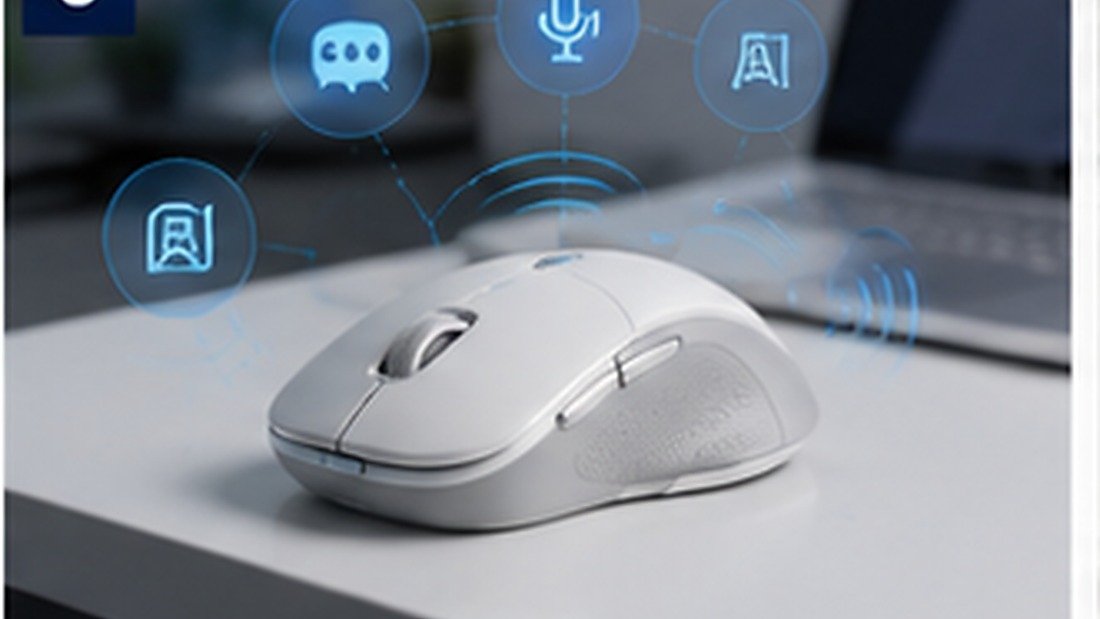
1. Arabic Language Support and Accuracy
Healthcare providers in the Middle East require voice input that accurately recognizes Arabic, including Modern Standard Arabic (MSA) and regional dialects. An AI voice mouse that struggles with Arabic will slow down clinical documentation and frustrate users. When evaluating a supplier, ask for a demo unit to test Arabic speech-to-text accuracy in real-world clinical scenarios, such as dictating patient notes or navigating EHR systems. Suppliers should provide details on their speech recognition engine, language model training data, and support for medical terminology. Also, consider whether the device supports code-switching between Arabic and English, which is common in Gulf healthcare settings.
What to test:
- Dictation of patient histories with typical Arabic names and drug names.
- Command recognition for software navigation in Arabic.
- Accuracy in noisy environments (e.g., emergency rooms).
Suppliers that offer customizable vocabulary lists or integration with specialized medical dictionaries add value. Remember that consumer-grade voice recognition may not suffice for clinical use; look for suppliers with experience in healthcare or enterprise deployments.
2. Healthcare Data Privacy and Integration
An AI voice mouse used in healthcare often processes sensitive patient data. Suppliers must demonstrate a clear understanding of data privacy regulations, such as the UAE’s Personal Data Protection Law (PDPL) and Saudi Arabia’s PDPL. The device should support secure data transmission (e.g., encryption) and allow for on-premise or cloud processing depending on the provider’s policy. Integration with Electronic Health Record (EHR) systems is another critical factor. Ask the supplier whether they offer an API or SDK for integration, and whether the mouse can be configured to work with popular EHR platforms used in the region. Some suppliers may offer private label solutions with firmware customization to meet specific integration needs. Ensure the supplier can provide documentation on data handling practices and sign a data processing agreement if necessary.
For more on how AI hardware can be customized for healthcare workflows, see our AI office productivity solutions.
3. Compliance and Certification for Middle East Markets
Certification requirements for AI voice mice vary by country. Common requirements include CE marking (for Europe, often accepted in some Middle East markets), FCC (for US, sometimes referenced), and RoHS for hazardous substances. Additionally, telecom regulators in each country may require type approval for wireless devices. In the UAE, for example, the Telecommunications and Digital Government Regulatory Authority (TDRA) regulates radio equipment. Saudi Arabia’s Communications, Space and Technology Commission (CST) has its own approval process. Healthcare solution providers should verify with local authorities or a compliance consultant which certifications are mandatory for their specific product configuration and target market. Suppliers should be able to provide test reports and certificates for the exact model you are purchasing. Do not accept generic certificates that do not list your product. For more on compliance, see our private label OEM/ODM solutions.
4. OEM/ODM and Private Label Flexibility
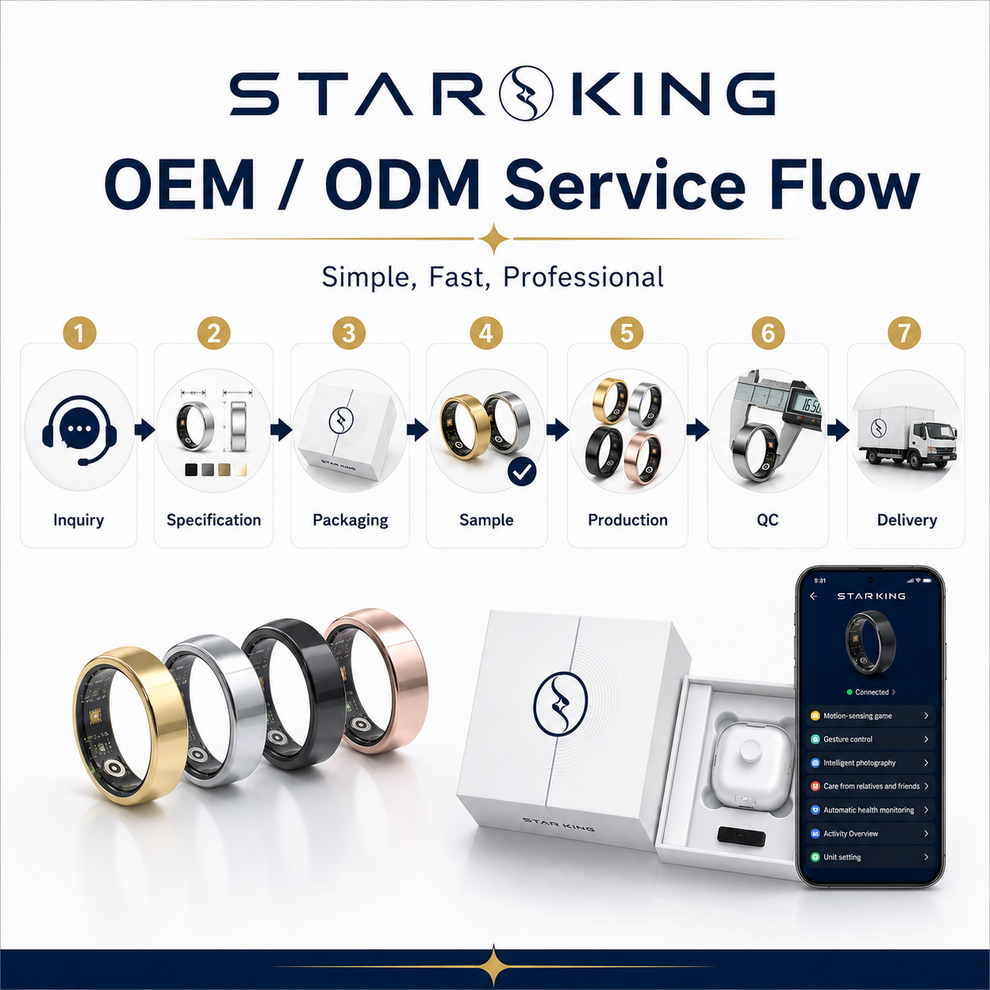
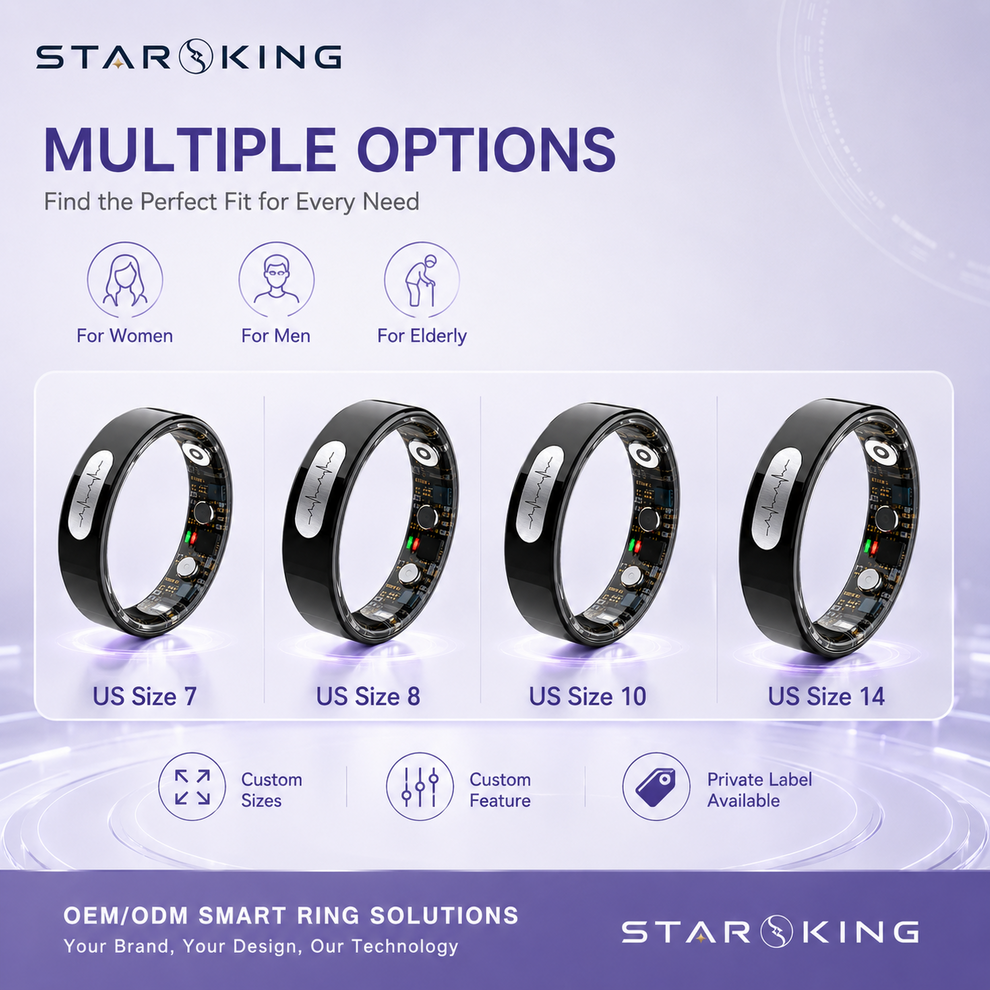
Many healthcare solution providers want to offer an AI voice mouse under their own brand. Evaluate the supplier’s OEM/ODM capabilities: Can they customize the logo, packaging, and user manual? Can they modify firmware to add specific features, such as custom voice commands or integration with your software? Do they offer app customization for configuration and updates? For healthcare, you may also need specific housing materials that are easy to disinfect. Ask about tooling ownership if custom enclosures are required. A flexible supplier will provide a clear development process, from prototyping to mass production, with defined milestones and costs. Request a sample development timeline and confirm MOQ for customizations. For a deeper look at customization options, visit our AI voice mouse product page.
5. Quality Control and Reliability Testing
Healthcare environments demand reliable hardware. A faulty voice mouse can disrupt patient care. Assess the supplier’s quality control processes: Do they perform pre-shipment inspections? What testing do they conduct on components and finished units? Look for aging testing, drop testing, and waterproof testing (if applicable). Ask for MTBF (Mean Time Between Failures) data if available. Review their warranty policy and failure rate statistics. A supplier with a robust QC system will be transparent about their testing protocols and allow you to review inspection reports. Consider scheduling a factory audit or using a third-party inspection service for large orders. For more on quality, see our health & fitness wearables solutions (example of quality-focused solutions).
6. MOQ, Pricing, and Lead Time Planning
MOQ and pricing are often top concerns for buyers. AI voice mouse suppliers typically set MOQs based on customization level. Standard products may have lower MOQs (e.g., 100–500 units), while custom OEM projects may require 1,000 units or more. Pricing depends on features, materials, and order volume. Request a detailed quotation that breaks down costs for product, customization, packaging, and shipping. Understand lead times: sample production may take 7–15 days, while mass production can take 30–45 days after sample approval. Factor in shipping time to the Middle East, which can add 2–4 weeks depending on the mode. Plan for potential delays and maintain safety stock. For a sourcing guide on lead times, see our blog on smart hardware sourcing.
7. After-Sales Support and Warranty
Reliable after-sales support is critical for healthcare deployments. Clarify the warranty period, what it covers, and how repairs or replacements are handled. Ask about the availability of spare parts and whether the supplier provides technical support for integration and troubleshooting. A supplier with a local presence or partner in the Middle East can reduce downtime. Also, inquire about firmware update policies and end-of-life plans. A strong after-sales program indicates a supplier committed to long-term partnerships.
Supplier Evaluation Comparison Table
Use this table to compare potential suppliers against key criteria.
| Criteria | Supplier A | Supplier B | Supplier C |
|---|---|---|---|
| Arabic language accuracy (tested) | |||
| Data privacy compliance | |||
| Certifications provided | |||
| OEM/ODM flexibility | |||
| Quality control reports | |||
| MOQ | |||
| Lead time | |||
| After-sales support |
Common Mistakes and Buyer Red Flags
- Ignoring language testing: Assuming the device supports Arabic without a demo.
- Overlooking data privacy: Not confirming how voice data is stored and transmitted.
- Accepting generic certificates: Certificates that don’t list your exact model may not be valid.
- Underestimating lead times: Failing to account for shipping and customs delays.
- Choosing on price alone: Low-cost suppliers may cut corners on quality and support.
- No sample testing: Skipping sample evaluation can lead to costly mistakes.
- Unclear warranty terms: Ambiguous warranty can result in expensive repairs.
Practical Buyer Checklist
- ☐ Request a sample and test Arabic dictation accuracy.
- ☐ Verify data privacy policies and request a data processing agreement.
- ☐ Obtain list of required certifications from local authorities.
- ☐ Ask for test reports for the exact model.
- ☐ Discuss OEM/ODM options: logo, packaging, firmware, app.
- ☐ Review quality control processes and request inspection reports.
- ☐ Confirm MOQ, pricing, and lead times in writing.
- ☐ Clarify warranty, after-sales support, and spare parts availability.
- ☐ Check references from healthcare clients in the region.
- ☐ Plan for shipping and customs clearance.
FAQ
1. What certifications are required for AI voice mice in the Middle East?
Certification requirements vary by country. Common needs include CE or FCC for safety and EMC, RoHS for hazardous substances, and local telecom approvals such as TDRA in the UAE or CST in Saudi Arabia. Healthcare solution providers should verify with local regulators, as requirements depend on the product’s wireless capabilities and intended use.
2. How can I test Arabic language accuracy before ordering?
Request a sample unit and conduct tests with typical clinical vocabulary, including patient names, drug names, and medical terms. Ask the supplier for a demo video or a remote testing session if samples are not immediately available.
3. What is the typical MOQ for a private label AI voice mouse?
MOQs vary by supplier and customization level. Standard models may have MOQs of 100–500 units, while custom OEM projects often require 1,000 units or more. Discuss your volume plans with the supplier to negotiate favorable terms.
4. How does an AI voice mouse integrate with EHR systems?
Integration depends on the supplier’s software capabilities. Some offer an API or SDK that allows the mouse to send transcribed text to EHR systems. Others may provide custom firmware for direct integration. Clarify your integration needs with the supplier during the evaluation.
5. What quality control measures should I look for?
Look for documented pre-shipment inspections, aging tests, drop testing, and functional testing. Ask for MTBF data and failure rate statistics. Third-party inspections can add assurance for large orders.
6. How long does shipping to the Middle East take?
Shipping times depend on the mode. Air freight typically takes 5–10 days, while sea freight can take 20–35 days. Include customs clearance time, which can vary. Suppliers should provide estimated shipping schedules.
Conclusion
Choosing the right AI voice mouse supplier for healthcare in the Middle East requires careful evaluation beyond product specs. Focus on Arabic language support, data privacy, compliance, OEM flexibility, quality control, and after-sales service. By following the seven checks and using the buyer checklist and comparison table, you can select a supplier that meets your project’s needs and reduces procurement risk. Always test samples and verify certifications to ensure a smooth deployment.
Ready to discuss your healthcare AI voice mouse project? Contact STAR KING sales team to request samples, OEM/ODM options, and a detailed quotation for your market.
Useful Official References for Buyers
- FCC equipment authorization guidance
- European Commission CE marking information
- Bluetooth SIG specifications
Discuss Your Smart Wearable OEM/ODM Project
Planning a smart ring, smart watch, smart band, AI glasses, AI translator, or AI voice mouse project? Contact STAR KING to discuss product positioning, sample testing, customization scope, certification requirements, lead time, and quotation details.

Team Star King

Scan WhatsApp QR code
Leave a Reply