
AI Voice Mouse for Middle East E-commerce: 7 Proven Checks Before You Buy
October 31, 2026 · Team Star King
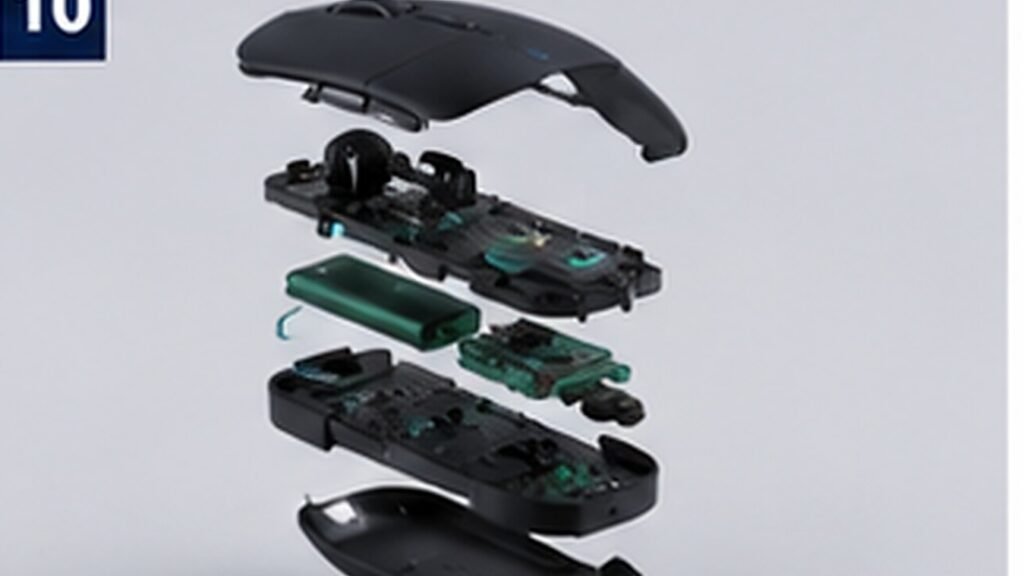
AI Voice Mouse for Middle East E-commerce: 7 Proven Checks Before You Buy
If you sell on Amazon.ae, Noon, or your own Shopify store in the Middle East, adding an AI Voice Mouse to your catalog can be a smart way to capture demand for productivity gadgets. But before you place a bulk order, you need to verify seven critical areas: language accuracy (especially Arabic), firmware and app localization, MOQ and pricing tiers, sample testing, certification for GCC markets, logistics and battery shipping, and after-sales support. This guide gives e-commerce sellers a clear evaluation framework to avoid costly mistakes and choose a reliable AI voice mouse supplier.
Table of Contents
Table of Contents
Table of Contents
- Short Answer
- Key Takeaways
- Key Facts for Buyers
- What Is an AI Voice Mouse and Why It Matters for E-commerce
- Check 1: Language Support and Arabic Accuracy
- Check 2: Firmware and App Localization
- Check 3: MOQ and Pricing Factors
- Check 4: Sample Testing and Validation
- Check 5: Certification and Compliance for the Middle East
- Check 6: Logistics and Battery Shipping
- Check 7: After-Sales Support and Warranty
- Comparison Table: Voice Mouse Options for E-commerce
- Common Mistakes and Buyer Red Flags
- Practical Buyer Checklist
- FAQ
- Conclusion
Short Answer
To source an AI Voice Mouse for Middle East e-commerce, prioritize suppliers that offer robust Arabic language support, flexible MOQs, and firmware customization. Always request samples to test voice recognition accuracy in real-world conditions, verify certifications such as CE and RoHS for GCC markets, and confirm battery shipping documentation (UN38.3, MSDS). A structured evaluation of these seven checks will help you avoid returns, compliance issues, and inventory waste.
Key Takeaways
- Arabic language accuracy is the top differentiator for AI voice mice in the Middle East; test it thoroughly.
- MOQ and pricing depend on customization level; plan for tiered orders to manage risk.
- Certifications like CE, RoHS, and UN38.3 are typically required for GCC markets; confirm with your supplier.
- Sample testing should include accent variations and noisy environments.
- Logistics for lithium battery products require proper documentation and carrier selection.
- After-sales support and warranty terms affect long-term brand reputation.

Key Facts for Buyers
| Factor | Typical Requirement | Why It Matters |
|---|---|---|
| Language support | Arabic (MSA + dialects), English | Accuracy drives user satisfaction and reduces returns |
| MOQ | 500–1,000 units for OEM; lower for private label [STAR KING TO CONFIRM] | Balances inventory risk with customization cost |
| Certification | CE, RoHS, UN38.3, MSDS | Required for customs clearance and market access |
| Sample lead time | 7–15 days | Allows validation before bulk commitment |
| Production lead time | 25–45 days after sample approval | Affects launch timing and cash flow |
| Warranty | 12 months standard | Reduces after-sales costs and protects brand |
What Is an AI Voice Mouse and Why It Matters for E-commerce
An AI Voice Mouse is a computer mouse with built-in voice recognition and AI processing capabilities. It allows users to dictate text, control applications, and perform searches using voice commands, often with real-time translation or transcription. For e-commerce sellers in the Middle East, this product appeals to professionals, students, and multilingual users who value productivity and accessibility.
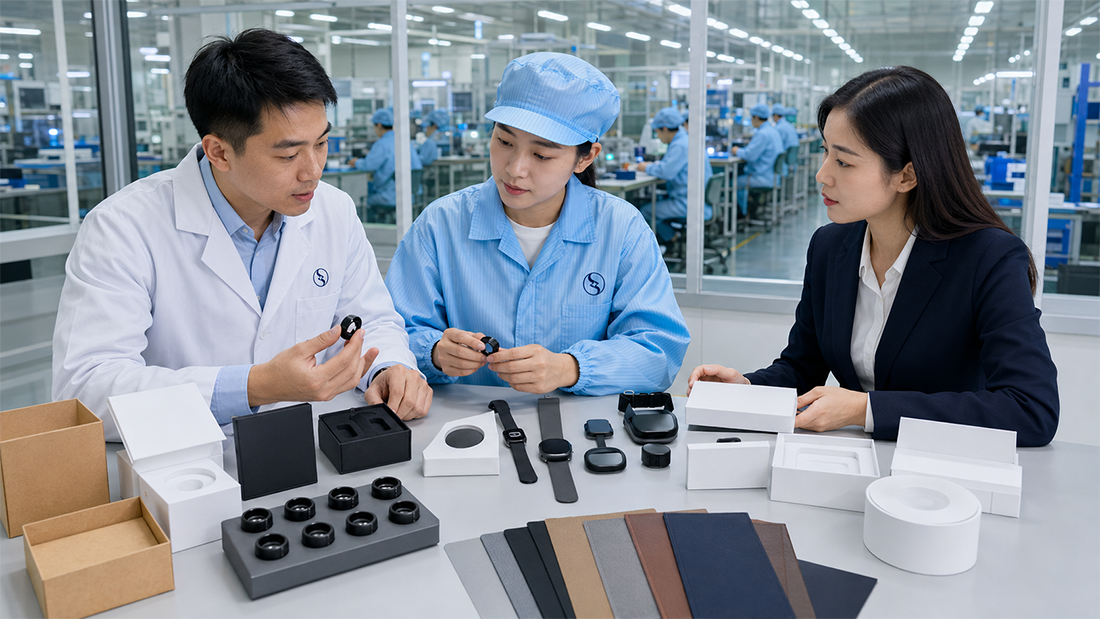
When evaluating suppliers, look beyond basic specs. The key is how well the voice engine handles Arabic dialects, how customizable the firmware is for your brand, and whether the supplier can support your market entry with proper certifications and logistics. STAR KING’s AI Voice Mouse is designed for OEM/ODM projects, but you should still run your own checks.
Check 1: Language Support and Arabic Accuracy
Arabic is a complex language with diglossia—Modern Standard Arabic (MSA) for formal contexts and various dialects for everyday speech. A voice mouse that only supports MSA may struggle with the Emirati, Saudi, or Egyptian dialects your customers actually use. Ask your supplier for a demo in multiple dialects and test accuracy in noisy environments.
What to test:
- MSA and at least two regional dialects (e.g., Gulf, Egyptian).
- Accuracy in quiet and noisy settings.
- Support for mixed Arabic-English sentences.
- Latency and responsiveness.
If the supplier cannot provide a live demo or sample for testing, consider it a red flag. Voice recognition quality is the top driver of customer satisfaction and reviews.
Check 2: Firmware and App Localization
The AI voice mouse typically relies on companion software or firmware. For the Middle East, the user interface and voice prompts should be localized in Arabic (right-to-left layout). Also, consider whether the device requires an internet connection for AI processing or if it has offline capabilities—important in areas with unstable connectivity.
Ask about firmware customization options: Can you add your brand logo to the app? Can the voice commands be tailored to specific e-commerce tasks (e.g., order lookup)? STAR KING offers AI office productivity solutions that include firmware and app customization for OEM projects.
Check 3: MOQ and Pricing Factors
MOQ for AI voice mice varies by supplier and customization level. Standard models may have MOQs as low as 500 units, while full OEM with custom housing and packaging might require 1,000–3,000 units. Pricing is influenced by:
- Voice recognition engine licensing (e.g., proprietary vs. third-party).
- Material and build quality.
- Customization (logo, packaging, firmware).
- Order volume and payment terms.
Always request a detailed quotation that breaks down these costs. For budgeting, factor in landed cost, which includes shipping, duties, and taxes. A smart retail solution approach can help you plan inventory across channels.
Check 4: Sample Testing and Validation
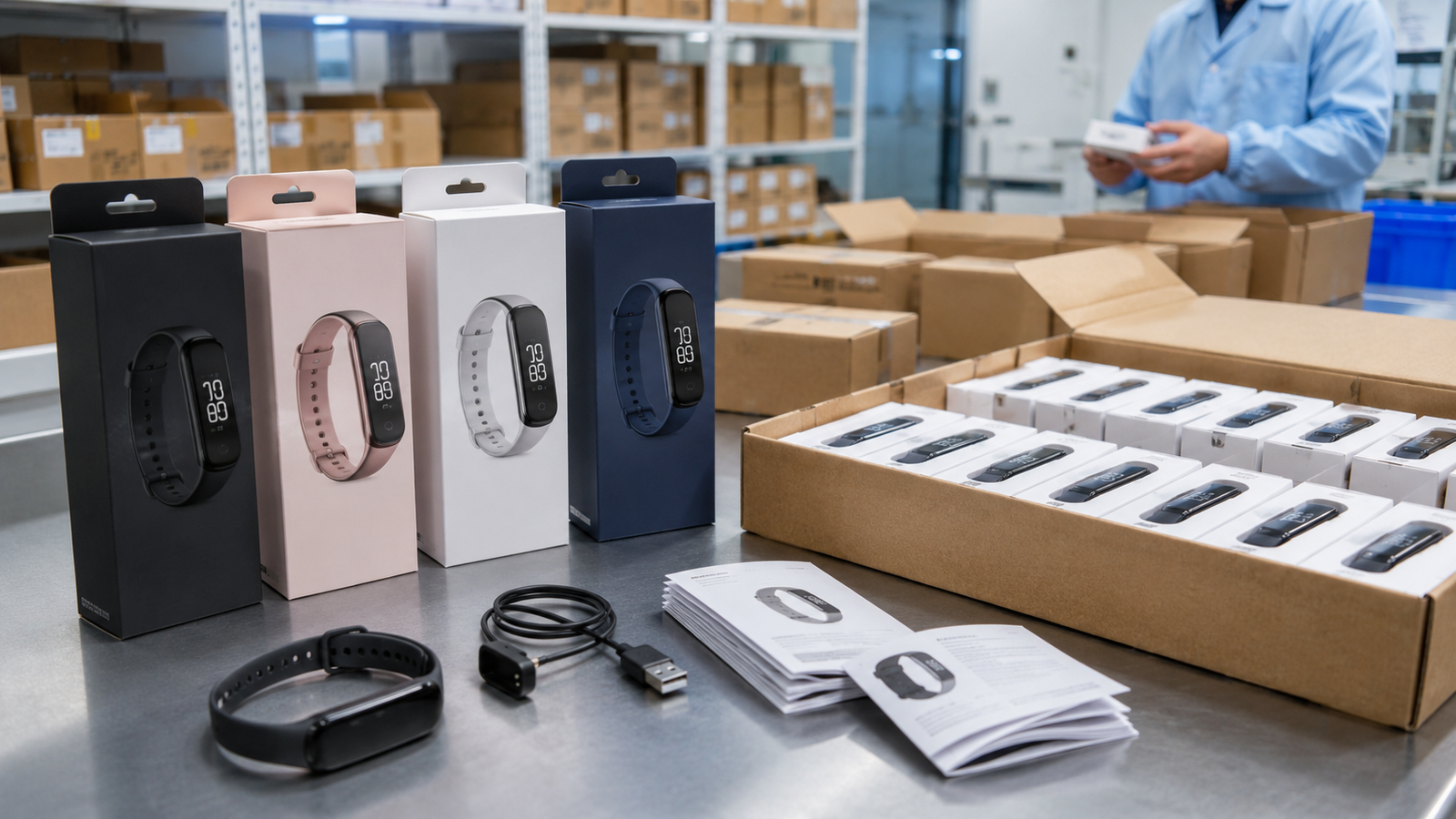
Never skip sample testing. Request a sample that matches your intended specifications. Test the voice recognition with local users, evaluate build quality, and check battery life. Also, verify the packaging and included accessories.
During testing, document everything: accuracy rates, user feedback, and any defects. This will be your baseline for quality control during mass production. STAR KING supports private label sample development with custom branding.
Check 5: Certification and Compliance for the Middle East
For GCC countries, CE marking is often accepted, but some products may require additional certifications like G-Mark (GCC Conformity Mark). RoHS compliance is also expected. For the lithium battery, UN38.3 and MSDS are mandatory for shipping. Always ask for copies of certificates and verify their validity.
Certification requirements typically depend on the specific product configuration and target market. Buyers should verify with local authorities or a compliance consultant. For reference, see the IEC official website for electrotechnical standards, and the Bluetooth SIG for wireless compliance if applicable.
Check 6: Logistics and Battery Shipping
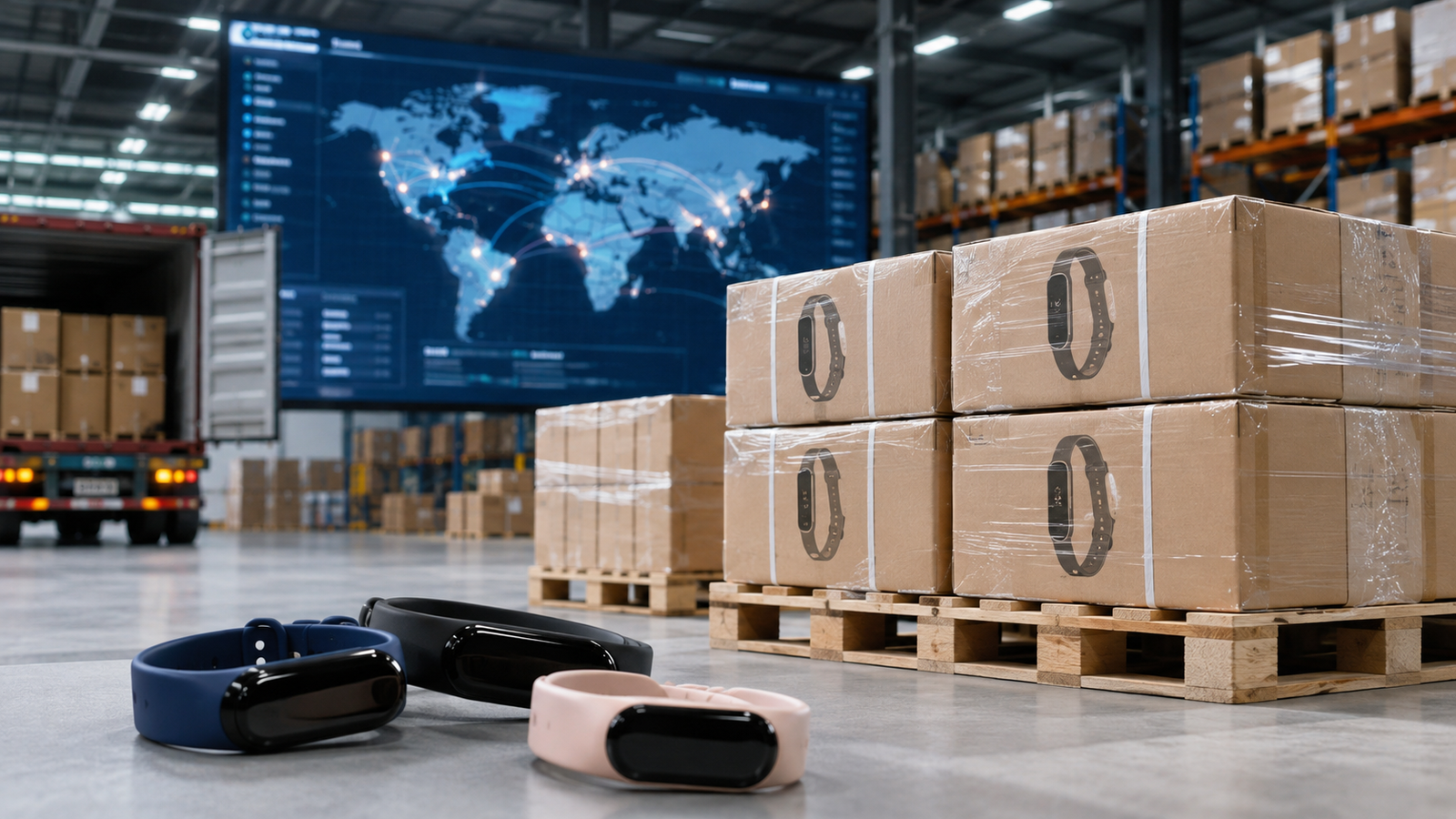
AI voice mice contain lithium batteries, which are regulated as dangerous goods for air transport. Ensure your supplier provides UN38.3 test reports and MSDS. Work with freight forwarders experienced in shipping battery-powered electronics to the Middle East. Sea freight may be cheaper but slower; air freight is faster but more expensive. Plan your inventory accordingly.
Check 7: After-Sales Support and Warranty
Clarify warranty terms, return policies, and spare parts availability. A supplier that offers a 12-month warranty and quick replacement of defective units will save you money in the long run. Also, ask about firmware updates—can they be delivered remotely? For e-commerce sellers, responsive after-sales support is critical to maintaining positive reviews.
Comparison Table: Voice Mouse Options for E-commerce
| Feature | Basic Model | OEM/Private Label | Fully Customized |
|---|---|---|---|
| MOQ | 500 units | 1,000 units | 3,000+ units |
| Language support | English, MSA | English, MSA + 1 dialect | Multiple dialects, custom |
| Branding | None | Logo on device and packaging | Custom housing, app, packaging |
| Certification | CE, RoHS | CE, RoHS, UN38.3 | Full compliance for target market |
| Lead time | 15–25 days | 30–45 days | 45–60 days |
Common Mistakes and Buyer Red Flags
- Ignoring dialect accuracy: Assuming MSA is enough can lead to poor reviews.
- Skipping sample testing: Relying on spec sheets without real-world testing.
- Overlooking certification: Failing to verify certificates can cause customs delays.
- Underestimating logistics: Not accounting for battery shipping regulations.
- Choosing on price alone: Low-cost suppliers may cut corners on voice engine quality.
Practical Buyer Checklist
- Request a sample and test Arabic dialect accuracy.
- Confirm MOQ and pricing tiers for your order volume.
- Verify CE, RoHS, UN38.3, and MSDS certificates.
- Check firmware localization (Arabic UI, RTL support).
- Clarify warranty and after-sales support.
- Plan logistics with a freight forwarder experienced in batteries.
- Review supplier’s manufacturing capabilities and quality control processes.
FAQ
1. What is the typical MOQ for an AI voice mouse?
MOQ often ranges from 500 to 1,000 units for standard models, and 1,000 to 3,000 units for customized OEM orders. This depends on the supplier and customization level.
2. How can I ensure Arabic voice recognition works well?
Test samples with native speakers across different dialects and in various noise environments. Ask the supplier for a demo and check user reviews of similar products.
3. What certifications are required for selling in the Middle East?
CE and RoHS are commonly required. Some countries may require G-Mark. For batteries, UN38.3 and MSDS are essential. Verify with local authorities.
4. Can I customize the AI voice mouse with my brand?
Yes, many suppliers offer OEM/ODM services including logo, packaging, and firmware customization. MOQ may be higher for full customization.
5. What is the lead time for bulk orders?
Typically 30–45 days after sample approval, depending on order size and customization. Plan for additional time for certification and shipping.
Conclusion
Sourcing an AI Voice Mouse for Middle East e-commerce requires careful evaluation of language support, customization, compliance, and logistics. By following these seven checks, you can select a supplier that meets your market’s needs and reduces risk. STAR KING offers flexible OEM/ODM options and can support your product development from sample to mass production.
Ready to Evaluate an AI Voice Mouse for Your Market?
Request a sample or discuss your OEM/ODM project with our team. We can help you customize language packs, packaging, and certifications for the Middle East.
Request samples and a quotation to start your evaluation.
Discuss Your Smart Wearable OEM/ODM Project
Planning a smart ring, smart watch, smart band, AI glasses, AI translator, or AI voice mouse project? Contact STAR KING to discuss product positioning, sample testing, customization scope, certification requirements, lead time, and quotation details.

Team Star King

Scan WhatsApp QR code
Leave a Reply