
AI Voice Mouse Procurement in the Middle East: 9 Essential Checks for Corporate Buyers
October 28, 2026 · Team Star King
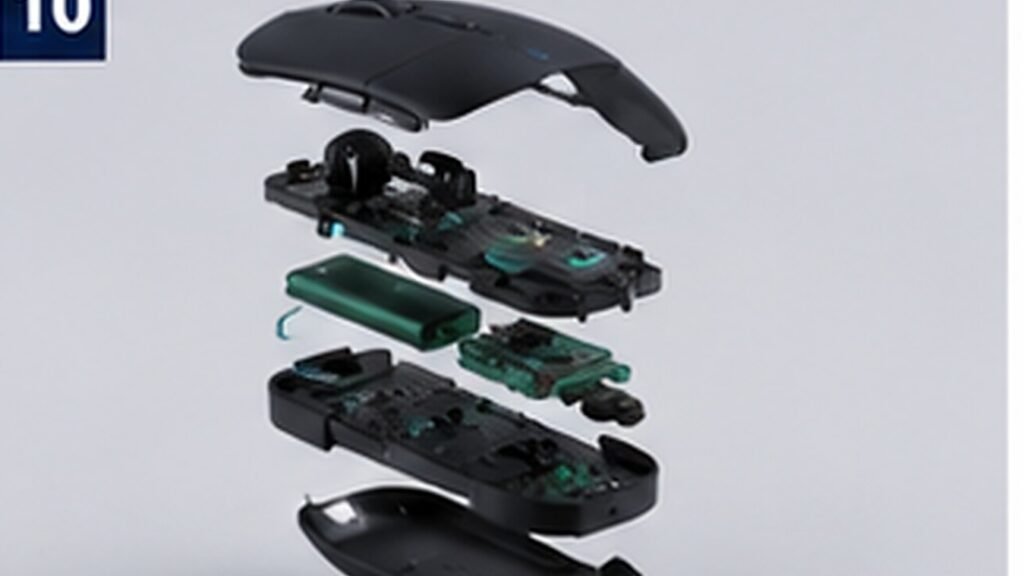
AI Voice Mouse Procurement in the Middle East: 9 Essential Checks for Corporate Buyers
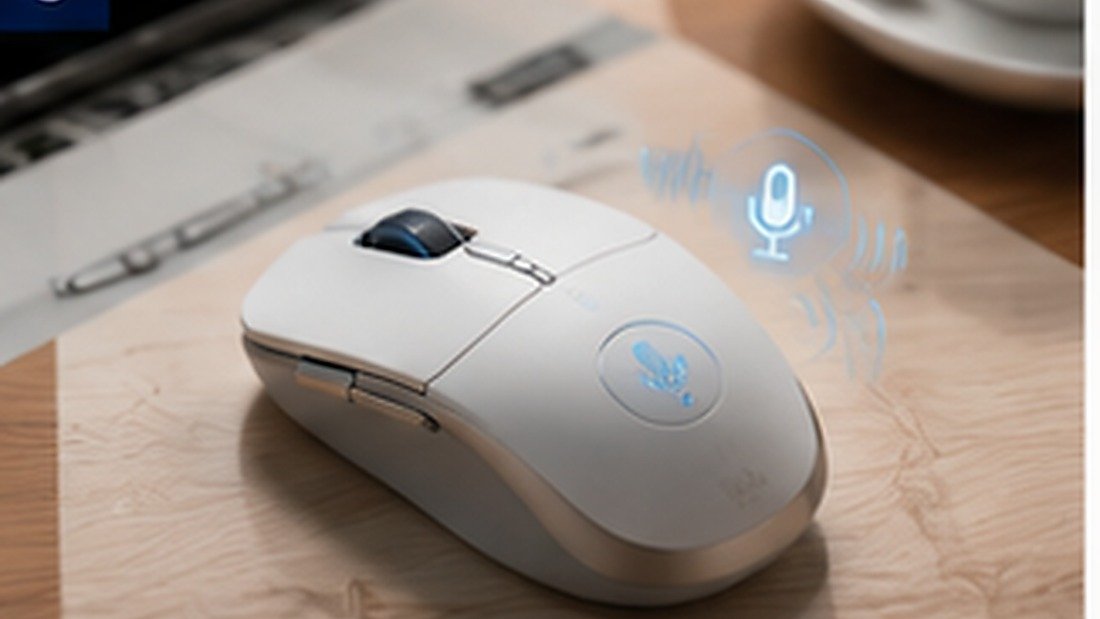
An AI voice mouse is a computer mouse that combines standard cursor control with built-in voice input, real-time speech-to-text, translation, or AI assistant functions. For corporate procurement teams in the Middle East, the key question is not whether the technology exists, but whether a specific model meets language, compliance, integration, and delivery requirements. This guide gives buyers nine practical checks covering multilingual accuracy, data handling, certifications, MOQ, lead time, and after-sales support for AI voice mouse deployments.
Table of Contents
Table of Contents
Short Answer
To procure an AI voice mouse for Middle East corporate use, verify Arabic and English voice recognition accuracy, confirm data storage and privacy terms, check CE/FCC/RoHS and any local radio approvals, clarify MOQ and lead times, and test samples against your actual office workflows before signing a purchase order.
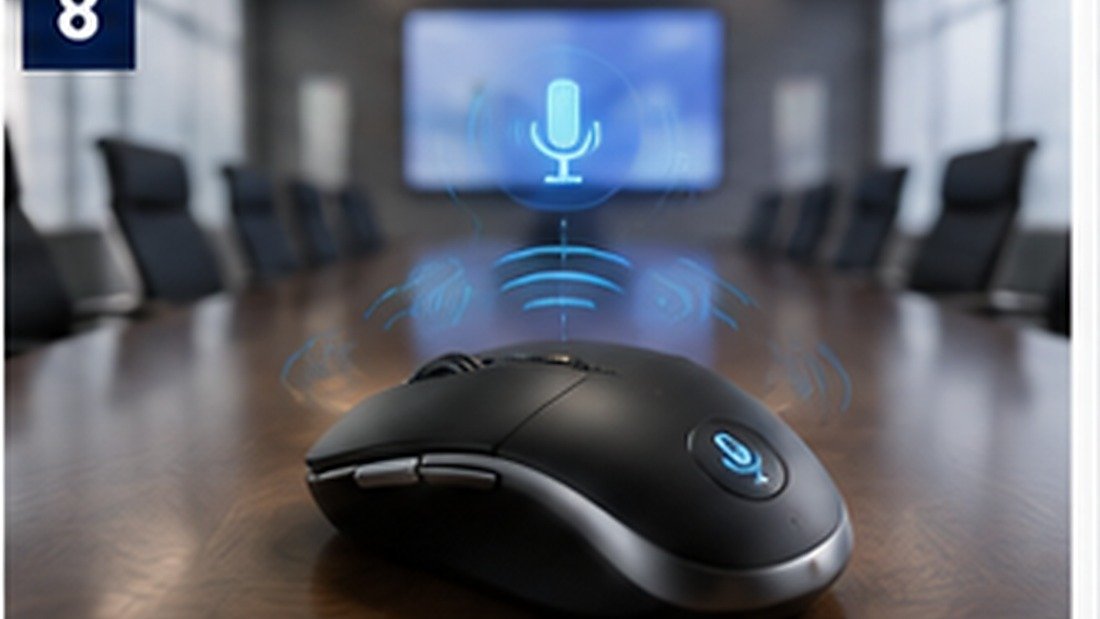
Table of Contents
- Why the AI Voice Mouse Matters for Middle East Procurement
- Key Facts for Buyers
- Check 1: Language and Dialect Accuracy
- Check 2: Voice and AI Feature Set
- Check 3: Data Privacy and App/Cloud Architecture
- Check 4: Compliance and Certifications
- Check 5: Hardware Specifications and Ergonomics
- Check 6: OEM/ODM and Private Label Options
- Check 7: MOQ, Pricing, and Landed Cost
- Check 8: Samples, Testing, and Validation
- Check 9: Lead Time, Logistics, and Battery Shipping
- Comparison Table: Entry-Level vs. Enterprise-Grade AI Voice Mouse
- Common Mistakes and Buyer Red Flags
- Practical Buyer Checklist
- FAQ
- Conclusion
Key Takeaways
- Arabic-English bilingual accuracy is the single most important technical filter for Middle East office deployments.
- Data residency, cloud dependency, and app permissions can create compliance risk for government and enterprise buyers.
- Certification requirements vary by country and product configuration; buyers should verify rather than assume.
- MOQ, tooling, and lead time should be confirmed in writing during the RFQ stage to avoid later delays.
- Sample testing with real users and real accent profiles reduces post-deployment rejection risk.
Why the AI Voice Mouse Matters for Middle East Procurement
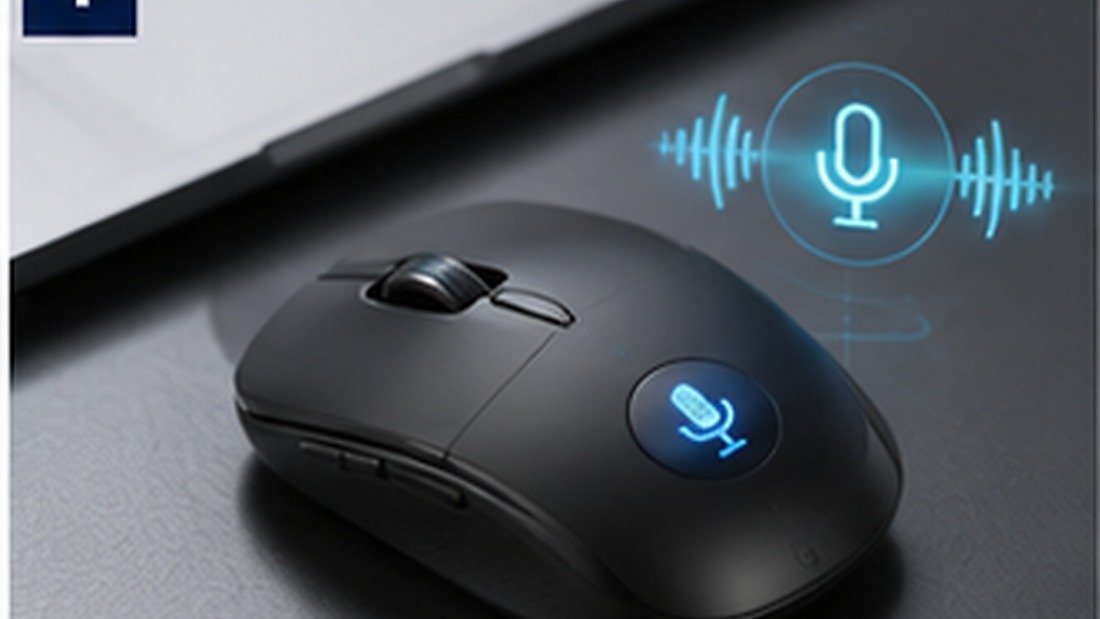
Corporate procurement teams in the Middle East are increasingly evaluating AI-enabled office peripherals to improve productivity, support bilingual staff, and reduce repetitive typing in roles that involve customer service, documentation, and multilingual communication. The AI voice mouse sits at the intersection of hardware cost, software integration, and language support, which makes it a more complex procurement item than a standard mouse.
For a public-sector entity, a bank, a logistics company, or a regional distributor, the decision usually moves through a formal RFQ process. That means procurement teams need defensible specifications, documented compliance, and a realistic delivery schedule. This article focuses on those RFQ-stage decisions rather than consumer features.

Key Facts for Buyers
| Buyer Question | What to Confirm at RFQ Stage | Why It Matters |
|---|---|---|
| Does it support Arabic and English? | List of supported languages, accent profiles, offline vs. online recognition | Poor Arabic accuracy is the most common reason for pilot failure |
| Where is voice data processed? | On-device, local server, or cloud region | Data residency and privacy obligations vary by organization and country |
| Which certifications apply? | CE, FCC, RoHS, battery documentation, local radio approvals | Requirements typically depend on product configuration and target market |
| What is the MOQ? | MOQ per SKU, per color, and for private label | Affects unit cost and inventory planning |
| What is the lead time? | Sample lead time, mass production lead time, shipping window | Public tenders and corporate rollouts have fixed deadlines |
| Is software included? | App, desktop driver, firmware update policy, license terms | Software dependency affects long-term support cost |
Check 1: Language and Dialect Accuracy
Language support is the first filter in any Middle East AI voice mouse procurement. Most vendors will state that a device supports Arabic and English. The procurement question is more specific: which Arabic dialects, at what accuracy, and under what conditions?
Questions to Put in the RFQ
- Does the device support Modern Standard Arabic (MSA) only, or also Gulf, Levantine, and Egyptian dialect patterns?
- Does recognition work offline, or does it require a cloud connection?
- What happens when the network is unavailable?
- Is the recognition engine updated over time, and how?
- Can the vendor provide a documented accuracy test or a controlled demo with your own staff?
Buyers should test with real users rather than relying on vendor demo scripts. A short pilot with 10–20 employees across different nationalities and roles will reveal more than any specification sheet. This is also the stage where you should align on the software integration path with your IT team; STAR KING’s AI office productivity solutions overview may help frame the discussion.
Check 2: Voice and AI Feature Set
The term AI voice mouse covers a wide range of functionality. At the low end, it is a mouse with a microphone button that sends audio to a companion app for dictation. At the high end, it includes real-time translation, AI assistant access, custom shortcuts, and enterprise-grade device management.
Buyers should define the functional baseline in the RFQ. Common features to specify include: push-to-talk voice input, speech-to-text insertion at the cursor position, real-time translation, AI assistant invocation, noise cancellation, and configurable language switching. The AI voice mouse product page is a useful reference for the type of specification categories to include.
For corporate buyers, feature breadth is less important than feature reliability. A narrower feature set that works consistently across your user base is usually a better procurement outcome than an extensive feature list that fails under real conditions.
Check 3: Data Privacy and App/Cloud Architecture
Voice input is personal data, and in many enterprise and government contexts it is sensitive data. Procurement teams should ask where the audio is processed, where transcripts are stored, and who has access.
- Is speech processed on-device, on a local server, or in a cloud region outside the country?
- Are transcripts stored locally, and for how long?
- Does the companion app require account creation, and what permissions does it request?
- Can the vendor provide a data processing agreement and a clear privacy policy?
- Can IT administrators disable cloud features if the organization requires it?
These answers may affect internal approval, particularly for banks, healthcare organizations, and public-sector entities. Where the vendor cannot confirm a data residency requirement, buyers should verify directly and document the response.
Check 4: Compliance and Certifications
Certification requirements for an AI voice mouse typically depend on the product configuration and the target market. A wireless mouse with a rechargeable battery will usually need battery transport documentation, and radio-emitting devices may require additional approvals depending on the country.
At the RFQ stage, buyers should request the current certificate list, the issuing laboratory, and the certificate scope. Useful references include the FCC equipment authorization process, the EU CE marking framework, and IATA dangerous goods guidance for lithium battery shipping. Note that these are reference frameworks; local Middle East approvals should be confirmed with the relevant national authority or your freight forwarder.
Buyers should not assume that every model in a vendor’s catalog carries every certification. Certificates are usually issued per model, per configuration, and sometimes per factory. Request the documents that match the exact SKU you intend to order.
Check 5: Hardware Specifications and Ergonomics
Office hardware is used for hours each day, so ergonomics and build quality affect adoption. Key specifications to confirm include sensor type and DPI range, connection type (USB receiver, Bluetooth, or dual-mode), battery capacity and rated usage time, charging method, button lifecycle rating, and microphone array configuration.
For multilingual deployments, microphone quality directly affects recognition accuracy. Buyers should ask whether the device uses a single microphone or an array with noise cancellation, and whether firmware updates can improve recognition performance over time.
Check 6: OEM/ODM and Private Label Options
Many corporate and distributor buyers want the device branded for their organization or their own label. Private label and OEM options usually include logo printing, packaging customization, app branding, and in some cases firmware or feature customization.
At the RFQ stage, buyers should clarify which customization options are available at which MOQ tier, who owns the tooling and design files, and what the minimum order is for custom packaging. STAR KING’s private label OEM/ODM solutions page outlines the typical customization categories buyers should plan for internally.
Where a corporate buyer is ordering for internal deployment rather than resale, the customization scope is usually simpler: logo, packaging, and possibly pre-installed language settings. Distributors and e-commerce sellers typically need a broader scope, including retail packaging and regional compliance documentation.
Check 7: MOQ, Pricing, and Landed Cost
AI voice mouse pricing depends on hardware configuration, software licensing, customization scope, packaging, order quantity, and shipping terms. Buyers should request a quotation that separates unit price from tooling, sample, packaging, and freight costs so that the landed cost can be calculated accurately.
Questions to include in the RFQ:
- What is the MOQ for the standard configuration?
- What is the MOQ for private label packaging?
- Is there a separate charge for logo tooling or packaging plates?
- Is software licensing included in the unit price, or charged separately?
- What Incoterm is quoted (FOB, CIF, DDP), and what is excluded?
For Middle East buyers, freight terms and customs clearance are often a larger cost variable than the unit price difference between two vendors. Landed cost analysis should include freight, insurance, duties, and any local certification or registration fees.
Check 8: Samples, Testing, and Validation
Sample testing is the most reliable way to reduce procurement risk. A structured sample evaluation should include language accuracy tests with real users, a two-week office pilot, a battery life check against the rated specification, a drop and durability check appropriate to the use case, and a review of the software installation and update process.
Buyers should also test the after-sales path during the sample stage: how are defects reported, what is the replacement policy, and how quickly does the vendor respond. A vendor’s responsiveness during a small sample order is often a reasonable indicator of responsiveness during a larger rollout.
STAR KING’s resources blog includes related guides on sample testing and quality control that may help procurement teams standardize their evaluation process.
Check 9: Lead Time, Logistics, and Battery Shipping
Lead time has two components: production lead time and transit time. Both should be confirmed in writing. For private label orders, add time for artwork approval and packaging production. For orders containing lithium batteries, add time for dangerous goods documentation and carrier acceptance.
Middle East logistics vary by country, port, and carrier. Buyers should confirm whether the vendor has experience shipping to their specific destination and which documents are required at customs. Where the shipment includes a rechargeable battery, air freight typically requires UN38.3 test documentation, a safety data sheet, and compliant packaging. Buyers should verify current requirements with their freight forwarder.
Comparison Table: Entry-Level vs. Enterprise-Grade AI Voice Mouse
| Criteria | Entry-Level Configuration | Enterprise-Grade Configuration |
|---|---|---|
| Language support | English plus one additional language | Multiple languages with dialect profiles and offline fallback |
| Data handling | Cloud-based processing via companion app | Configurable on-device or regional processing options |
| Software management | Consumer app only | Administrator controls, firmware update policy |
| Customization | Logo printing | Logo, packaging, app branding, feature configuration |
| Compliance documentation | Standard product certificates | Model-specific certificates plus battery transport documents |
| Typical MOQ | Lower, standard SKU | Higher, reflects customization and testing |
| Best fit | Pilot programs and small teams | Enterprise rollouts and distributor programs |
Common Mistakes and Buyer Red Flags
- Relying on vendor demo scripts. Demo conditions rarely match real office environments. Test with your own users.
- Ignoring Arabic dialect differences. A device that handles MSA may still struggle with everyday Gulf or Levantine speech.
- Assuming certification coverage. Certificates are model-specific. Ask for the certificate that matches your SKU.
- Skipping data residency questions. For regulated sectors, this is often the difference between approval and rejection.
- Comparing unit price only. Landed cost, software licensing, and support terms often change the ranking.
- Unclear warranty terms. Confirm what is covered, for how long, and how replacements are handled.
- No written lead time commitment. Verbal delivery estimates are not a procurement plan.
Practical Buyer Checklist
- Defined the user groups and language profiles for the deployment
- Confirmed supported Arabic dialects and offline behavior
- Reviewed data processing location and privacy documentation
- Verified certification scope for the exact SKU
- Confirmed MOQ, customization scope, and packaging requirements
- Requested a landed cost breakdown with Incoterm
- Completed a structured sample test with real users
- Confirmed sample and production lead times in writing
- Reviewed warranty, spare parts, and after-sales process
- Confirmed battery shipping documentation requirements
FAQ
How long does an AI voice mouse sample take to produce?
Sample lead time typically depends on whether the configuration is standard or customized. Standard samples are usually faster; private label packaging and logo tooling add time. Buyers should request a written schedule at the RFQ stage.
Does the AI voice mouse work without internet access?
This depends on the model. Some devices process speech on-device, while others rely on cloud services. Buyers should confirm offline capability if their users work in low-connectivity environments.
Can the device be branded for our organization?
Many vendors offer logo printing, packaging customization, and app branding. The available options and MOQ tiers should be confirmed in the quotation.
Which certifications are needed for Middle East import?
Requirements typically depend on the destination country and product configuration. Buyers should verify with the relevant national authority and their freight forwarder, and request model-specific certificates from the vendor.
What is a realistic lead time for a first order?
Lead time varies with order quantity and customization. Buyers should separate production time from transit time and confirm both in writing before placing an order.
How should we evaluate Arabic voice recognition accuracy?
Run a structured pilot with real users from different nationalities and roles, using tasks that match your workflows. Record results and compare against the vendor’s stated accuracy claims.
Conclusion
Procuring an AI voice mouse for Middle East corporate use is a structured exercise in matching language performance, data governance, compliance, customization, and delivery planning to your organization’s requirements. The nine checks in this guide are designed to be used directly in an RFQ, so that vendor responses can be compared on a consistent basis rather than on marketing claims.
Buyers who invest in sample testing, ask specific certification questions, and confirm lead times in writing reduce the risk of failed pilots and delayed rollouts. For teams preparing a tender or an internal approval, a clear requirements list and a documented evaluation process are often the most valuable procurement assets.
Next Step
If you are preparing an RFQ for an AI voice mouse deployment in the Middle East, the next step is to define your language, compliance, and customization requirements and request a tailored quotation. Request a quotation from STAR KING to discuss configuration, MOQ, lead time, and private label options for your project.
Discuss Your Smart Wearable OEM/ODM Project
Planning a smart ring, smart watch, smart band, AI glasses, AI translator, or AI voice mouse project? Contact STAR KING to discuss product positioning, sample testing, customization scope, certification requirements, lead time, and quotation details.

Team Star King

Scan WhatsApp QR code
Leave a Reply