
AI translator OEM: 7 Essential Checks for AI Translator OEM: Startup Brand Supplier Selection in Southeast Asia
October 28, 2026 · Team Star King
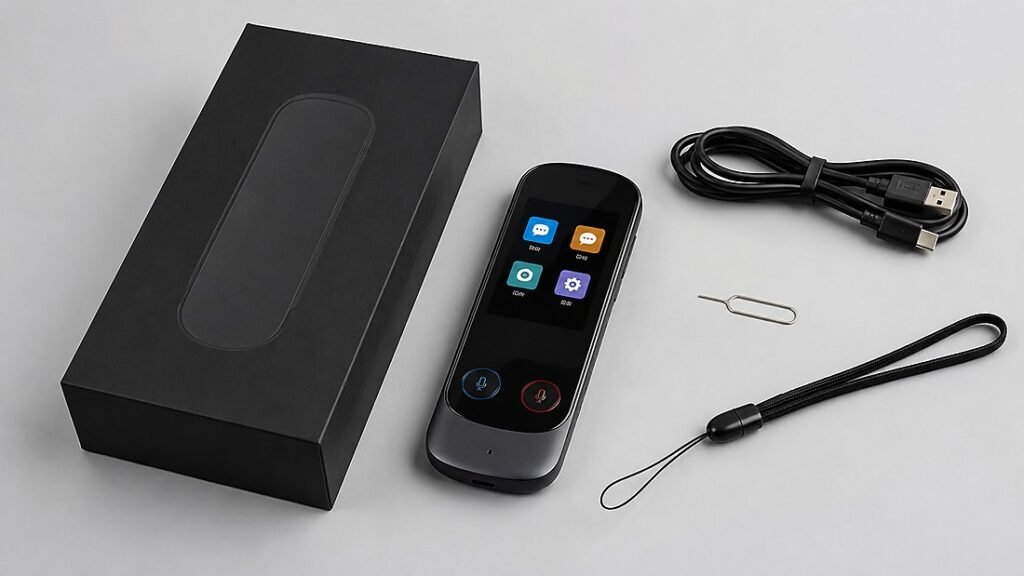
7 Essential Checks for AI Translator OEM: Startup Brand Supplier Selection in Southeast Asia
When selecting an AI translator OEM supplier for Southeast Asia, startup brands should verify seven critical areas: product specifications and language support, OEM/ODM customization options, MOQ and pricing structure, sample testing and validation, quality control processes, certification and compliance, and supply chain reliability. Each check reduces procurement risk and helps ensure your device meets local market needs.
Table of Contents
Table of Contents
This guide provides a structured framework for startup brands evaluating AI translator OEM partners. It covers practical steps for supplier due diligence, from defining your product requirements to confirming mass production capabilities.
Table of Contents
- Short Answer: How to Evaluate AI Translator OEM Suppliers?
- Key Takeaways
- Key Facts for Buyers
- 1. Product Specifications and Language Support
- 2. OEM/ODM Customization Options
- 3. MOQ and Pricing Structure
- 4. Sample Testing and Validation
- 5. Quality Control Processes
- 6. Certification and Compliance
- 7. Supply Chain Reliability and Lead Times
- Comparison Table: Supplier Evaluation Criteria
- Common Mistakes and Buyer Red Flags
- Buyer Checklist for AI Translator OEM Supplier Selection
- FAQ
- Conclusion
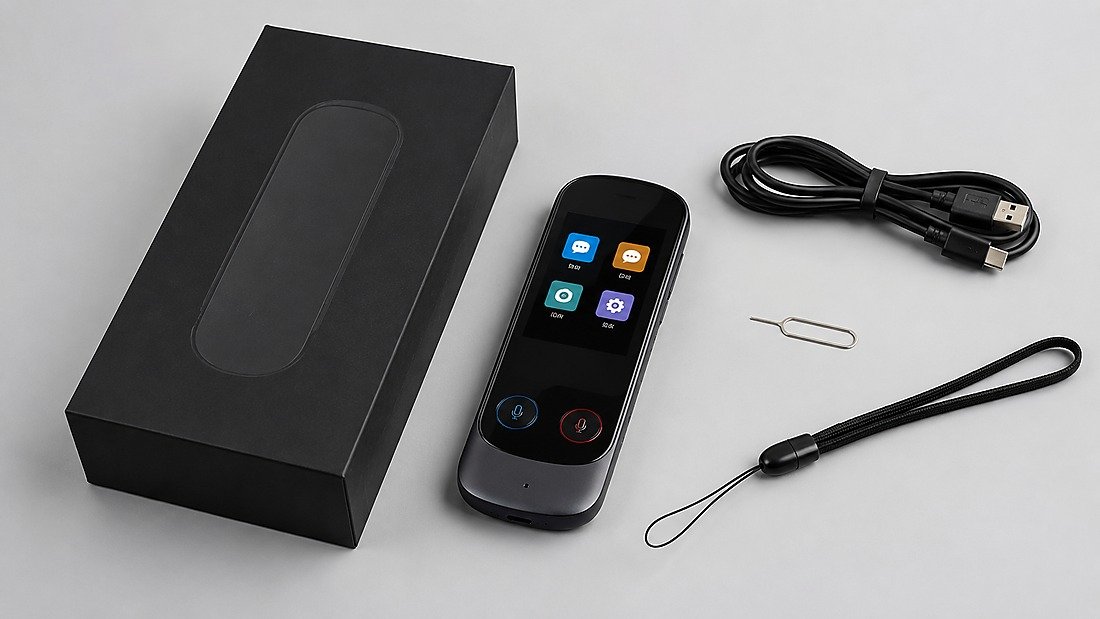
Short Answer: How to Evaluate AI Translator OEM Suppliers?
Evaluate AI translator OEM suppliers by verifying their product specifications match your target languages, confirming customization capabilities for branding, understanding their MOQ and pricing tiers, testing samples rigorously, reviewing quality control documentation, checking compliance with Southeast Asian regulations, and assessing their production capacity and lead times. A structured scorecard helps compare suppliers objectively.
Key Takeaways
- Define language support and offline/online translation requirements before contacting suppliers.
- Clarify OEM vs. ODM options: startup brands often need private label with custom firmware.
- MOQ and pricing vary widely; negotiate based on forecast and long-term partnership.
- Always test samples for translation accuracy, battery life, and connectivity.
- Request quality control reports and certification documents for your target markets.
- Plan for lead times and logistics, especially for lithium battery shipping.
Key Facts for Buyers
| Factor | Typical Range / Consideration |
|---|---|
| Language pairs supported | 40-100+ languages; verify offline vs. online |
| MOQ | 500-1,000 units for OEM; lower for samples |
| Sample lead time | 7-14 days for standard models |
| Production lead time | 30-45 days after order confirmation |
| Certifications | CE, FCC, RoHS, UN38.3 (depends on configuration) |
| Customization options | Logo, packaging, app, firmware (depends on supplier) |
Startup brands entering Southeast Asia’s AI translator market face a crowded supplier landscape. Choosing the right AI translator OEM partner is critical for product success and brand reputation. This guide outlines seven essential checks to streamline your supplier evaluation.
1. Product Specifications and Language Support
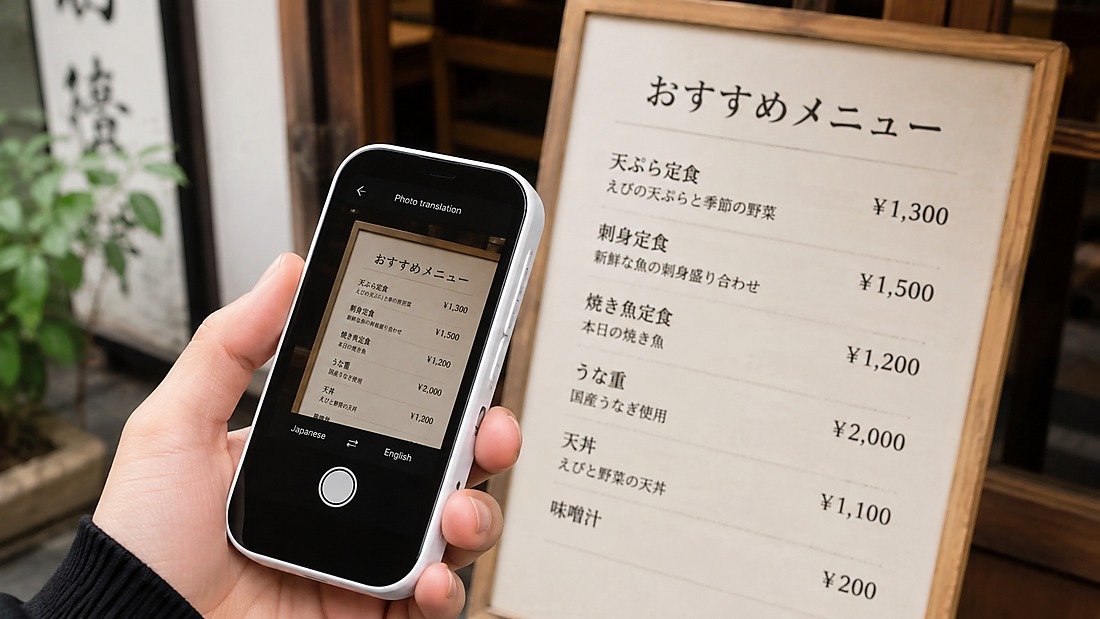
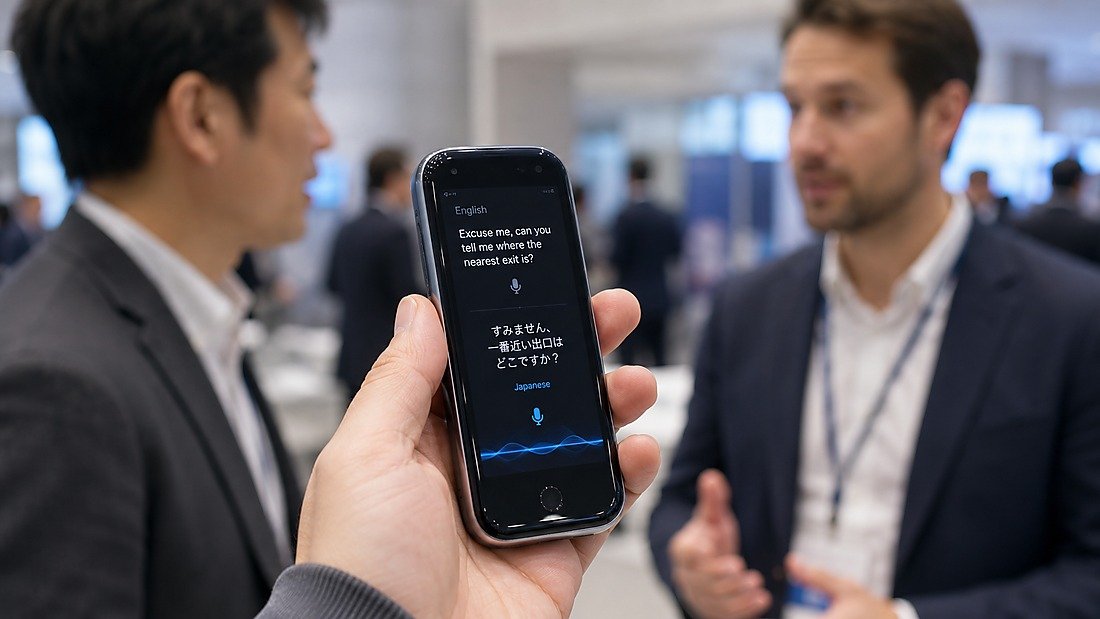
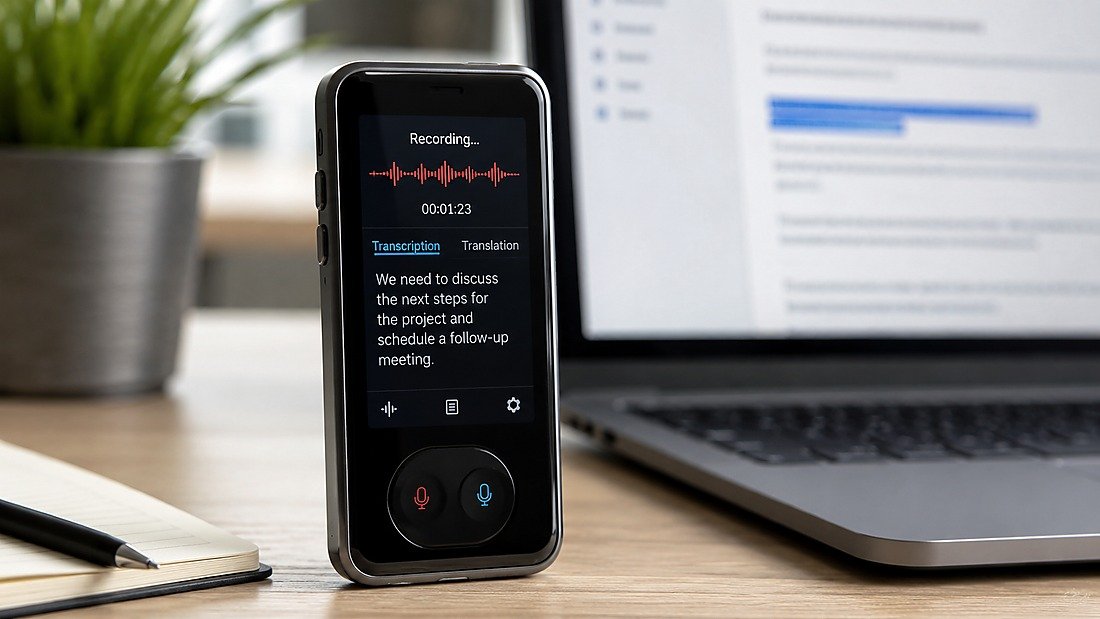
AI translators vary in language coverage, translation engine, connectivity, and form factor. For Southeast Asia, ensure the device supports major local languages such as Bahasa Indonesia, Thai, Vietnamese, Filipino, and Malay, in addition to English and Mandarin. Check whether translation works offline, online, or both, as connectivity can be inconsistent in rural areas.
Verify the translation engine’s accuracy for your target language pairs. Request a demo or sample to test common phrases. Consider battery life: a device with 8-10 hours of active translation may suffice for day trips, but business users might need longer. Also assess ergonomics and durability for travel and business use.
For more details on AI translator capabilities, visit our AI translators product page.
2. OEM/ODM Customization Options
Startup brands often need customization to differentiate in the market. Clarify whether the supplier offers OEM (you provide design and specs) or ODM (supplier provides standard design with your branding). Common customizations include logo printing, packaging design, app branding, and firmware tweaks.
Ask about minimum order quantities for each customization level. For example, logo customization may require a lower MOQ than a fully custom enclosure. Also discuss software: can you integrate your own translation API or app? This affects development time and cost.
STAR KING offers private label and OEM/ODM solutions for AI translators. Learn more about our private label OEM/ODM services.
3. MOQ and Pricing Structure
MOQ and pricing are critical for startups with limited budgets. MOQs for AI translators typically range from 500 to 1,000 units for OEM orders, but some suppliers offer lower MOQs for trial orders at higher unit prices. Discuss pricing tiers based on volume and forecast.
Understand what’s included in the quoted price: accessories, packaging, shipping, and taxes. Ask for a breakdown of costs (e.g., product, customization, certification). Be wary of quotes that seem too low—they may exclude essential services or indicate lower quality components.
Consider total landed cost, including freight and import duties in Southeast Asian countries. For a detailed cost analysis, refer to our blog resources.
4. Sample Testing and Validation
Always request samples before placing a bulk order. Test translation accuracy across multiple languages and accents, battery life under typical usage, connectivity (Wi-Fi, cellular, Bluetooth), and build quality. Check the user interface and app experience if applicable.
Evaluate the sample against your requirements and document any issues. A supplier’s willingness to address feedback and provide revised samples indicates their commitment to quality. Sample costs and lead times vary; typically, samples are provided at a fee that may be credited toward future orders.
5. Quality Control Processes
Ask about the supplier’s quality control (QC) procedures. A robust QC process includes incoming material inspection, in-process checks, and final pre-shipment inspection. Request QC reports and certificates of analysis for key components.
Check if the supplier has testing equipment for battery safety, drop resistance, and water resistance (if applicable). For AI translators, software testing is also crucial: ensure the supplier has a process for verifying translation accuracy and firmware stability.
STAR KING implements strict quality control measures. Details are available upon request.
6. Certification and Compliance
Certification requirements depend on the target market and product configuration. In Southeast Asia, common certifications include CE (for EU-bound products), FCC (if selling to the US), RoHS, and UN38.3 for lithium batteries. Some countries may require local certifications such as SIRIM in Malaysia or TISI in Thailand.
Verify that the supplier can provide necessary test reports and certificates. Note that certifications are product-specific and may require updates for customizations. Buyers should confirm compliance with local regulations, as requirements can change.
For official reference, consult the International Electrotechnical Commission (IEC) and Bluetooth SIG for standards related to electronic devices and wireless communication.
7. Supply Chain Reliability and Lead Times
Assess the supplier’s production capacity and supply chain stability. Ask about their lead times for mass production and their ability to handle rush orders. For startups, a supplier that offers flexible scheduling and clear communication is valuable.
Consider logistics: AI translators contain lithium batteries, which are subject to shipping regulations. Ensure the supplier is familiar with UN38.3 testing and can provide necessary documentation for air and sea freight. Discuss shipping terms (FOB, CIF, DDP) and lead times to your destination.
STAR KING has experience in international shipping and can advise on logistics for Southeast Asia.
Comparison Table: Supplier Evaluation Criteria
| Criteria | What to Check | Red Flag |
|---|---|---|
| Language support | Offline/online, major SEA languages | Only online, limited languages |
| Customization | Logo, packaging, app, firmware | No flexibility, high MOQ for customization |
| MOQ & pricing | Clear tiers, sample cost credited | Hidden fees, unrealistic low price |
| Sample quality | Accurate translation, good build | Poor battery, connectivity issues |
| QC process | Documented inspections, testing | No QC reports, vague answers |
| Certifications | CE, FCC, RoHS, UN38.3 available | Claims without proof, outdated certs |
| Supply chain | Realistic lead times, logistics support | Unclear capacity, no battery shipping experience |
Common Mistakes and Buyer Red Flags
- Choosing on price alone: Low quotes often mean lower quality or hidden costs.
- Ignoring language accuracy: Test with native speakers; machine translation can vary.
- Overlooking certification: Missing certificates can lead to customs delays or fines.
- Not verifying supplier credentials: Check business license, factory audit reports, and client references.
- Underestimating lead times: Plan for production and shipping buffers, especially for launches.
- Red flag: Supplier refuses to provide samples or certification documents.
Buyer Checklist for AI Translator OEM Supplier Selection
- ☐ Define required languages and offline/online needs.
- ☐ Confirm OEM/ODM customization options and associated MOQs.
- ☐ Request a detailed quotation with cost breakdown.
- ☐ Order samples and test thoroughly.
- ☐ Review QC process and request inspection reports.
- ☐ Verify certifications for target markets.
- ☐ Discuss lead times and logistics for lithium batteries.
- ☐ Check supplier references and factory audit (if possible).
FAQ
What is the typical MOQ for AI translator OEM orders?
MOQs vary by supplier and customization level. For standard models with logo printing, MOQs may start at 500 units. Fully custom designs may require 1,000 units or more. Discuss with suppliers to find flexible options.
How can I ensure translation accuracy for Southeast Asian languages?
Request samples and test with native speakers for key languages. Ask about the translation engine used and whether it can be updated. Some suppliers allow integration of third-party APIs for improved accuracy.
What certifications are needed for selling AI translators in Southeast Asia?
Common certifications include CE, FCC, RoHS, and UN38.3. Some countries require local certifications like SIRIM (Malaysia) or TISI (Thailand). Verify with local authorities and ensure the supplier provides necessary documents.
How long does sample development take?
Standard samples can be ready in 7-14 days. Customized samples may take 2-4 weeks depending on complexity.
Can startup brands customize the app and packaging?
Many suppliers offer app customization (logo, UI colors) and packaging design. Discuss requirements and MOQs, as these may affect cost and lead time.
What are the shipping considerations for AI translators with lithium batteries?
Lithium batteries are regulated for air and sea freight. Ensure the supplier provides UN38.3 test reports and MSDS. Work with logistics partners experienced in battery shipping.
How do I verify a supplier’s quality control?
Request QC reports, ask about inspection processes, and if possible, conduct a factory audit or use a third-party inspection service.
Conclusion
Selecting the right AI translator OEM supplier requires careful evaluation across specifications, customization, pricing, quality, and compliance. By following these seven checks, startup brands can mitigate risks and build a reliable supply chain for Southeast Asian markets. Remember to test samples, verify certifications, and plan logistics thoroughly.
STAR KING supports startup brands with flexible OEM/ODM solutions for AI translators. To discuss your project or request samples, contact our sales team.
Discuss Your Smart Wearable OEM/ODM Project
Planning a smart ring, smart watch, smart band, AI glasses, AI translator, or AI voice mouse project? Contact STAR KING to discuss product positioning, sample testing, customization scope, certification requirements, lead time, and quotation details.

Team Star King

Scan WhatsApp QR code
Leave a Reply