
AI translators for retail chains: AI Translators for Southeast Asia Retail Chains: 7 Critical Buying Factors for 2026
October 26, 2026 · Team Star King
AI Translators for Southeast Asia Retail Chains: 7 Critical Buying Factors for 2026
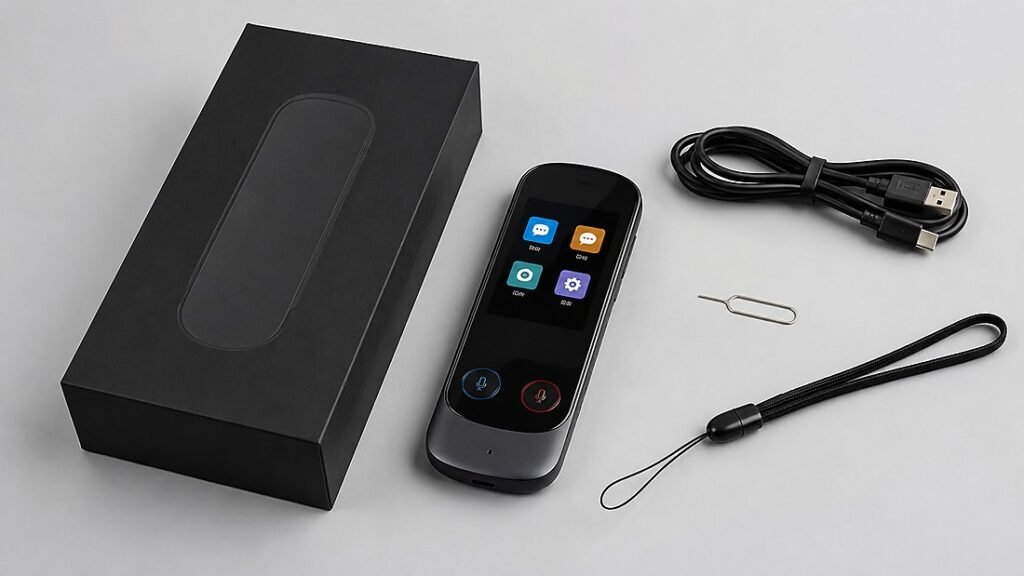
If you operate a retail chain in Southeast Asia, you face a multilingual reality every day: staff speak different languages, customers speak different languages, and product manuals and signage often need multiple versions. AI translators for retail chains offer a practical solution—handheld or wearable devices that provide real-time translation to bridge communication gaps. But with many models on the market and varying specifications, how do you choose the right device for your stores? This guide outlines seven critical factors to evaluate when sourcing AI translators for retail environments, from language coverage and battery life to certification and supplier reliability. Whether you are exploring a pilot for a few stores or planning a chain-wide rollout, these factors will help you make an informed decision.
Table of Contents
Table of Contents
AI translators for retail chains: Table of Contents
- Short Answer
- Key Takeaways
- Key Facts for Buyers
- Factor 1: Language Coverage and Accuracy
- Factor 2: Device Form Factor and Usability
- Factor 3: Connectivity and Offline Capabilities
- Factor 4: Battery Life and Charging Logistics
- Factor 5: Durability and Retail Environment
- Factor 6: Certification and Compliance for Southeast Asia
- Factor 7: Supplier Evaluation and OEM/ODM Support
- Comparison Table: Key Specifications
- Common Mistakes and Buyer Red Flags
- Practical Buyer Checklist
- FAQ
- Conclusion
Short Answer
To choose AI translators for retail chains in Southeast Asia, focus on language coverage (especially local languages), device durability for high-traffic environments, reliable connectivity with offline fallback, battery life that matches store hours, and supplier support for certification and after-sales service. Pilot testing in a few stores before chain-wide deployment is strongly recommended.
Key Takeaways
- Language coverage must include major Southeast Asian languages such as Indonesian, Thai, Vietnamese, and Filipino, plus English and Mandarin for tourist-heavy areas.
- Retail environments demand durability: look for drop resistance, water resistance, and comfortable form factors for all-day use.
- Connectivity is critical: ensure devices support Wi-Fi and cellular, with offline translation as a backup.
- Battery life should cover at least a full shift (8 hours) to avoid disruption.
- Certification for Southeast Asian markets varies by country; suppliers should provide necessary documentation.
- Evaluate suppliers for OEM/ODM capabilities, quality control, and after-sales support.
- Start with a pilot to validate performance before committing to large orders.
Key Facts for Buyers
| Factor | Typical Requirement for Retail Chains | Why It Matters |
|---|---|---|
| Language Coverage | At least 10 languages including local SEA languages | Serve diverse customers and staff |
| Form Factor | Handheld or wearable, lightweight, easy to clean | Staff comfort and hygiene |
| Connectivity | Wi-Fi, 4G/5G, offline mode | Reliable operation anywhere in store |
| Battery Life | ≥8 hours continuous use | Full shift coverage |
| Durability | IP54 or higher, drop-tested from 1.5m | Withstand busy retail environment |
| Certification | CE, FCC, RoHS; local approvals as needed | Legal compliance and safety |
| Supplier Support | OEM/ODM, after-sales, spare parts | Long-term reliability and customization |
Factor 1: Language Coverage and Accuracy
The primary function of an AI translator is to facilitate communication across languages. For retail chains in Southeast Asia, the device must support the languages commonly spoken by both staff and customers. This typically includes English, Mandarin, and major local languages such as Indonesian, Thai, Vietnamese, Filipino, and Malay. Some devices also offer regional dialects, but coverage varies. Buyers should request a detailed list of supported languages and test accuracy in real scenarios. Accuracy can degrade in noisy environments or with specialized terminology (e.g., product names, sizes, colors), so a pilot test is essential. Additionally, consider whether the device supports two-way translation and multiple speakers, as retail interactions often involve back-and-forth dialogue.
Factor 2: Device Form Factor and Usability
Retail staff need devices that are comfortable to wear or carry during an 8-hour shift. Common form factors include handheld devices, earbuds, and wearable badges. Handheld devices with clear screens and buttons are often preferred for customer-facing interactions, as they allow both parties to see the translation. Wearables like earbuds or pendants offer hands-free operation but may be less suitable for showing text to customers. Consider hygiene: devices should have smooth surfaces that are easy to wipe down, especially if shared among staff. Also, check if the device supports multiple user profiles or quick switching between languages to accommodate different staff members.
Factor 3: Connectivity and Offline Capabilities
Reliable connectivity is crucial for cloud-based translation, but retail stores may have dead zones or unreliable networks. Devices that support both Wi-Fi and cellular (4G/5G) provide flexibility. More importantly, offline translation capability ensures continued operation during network outages. However, offline modes often support fewer languages and may have reduced accuracy. Buyers should test offline performance and consider a hybrid approach: online for complex translations and offline for basic phrases. Also, check if the device can connect to the store’s Wi-Fi securely and if it requires a subscription for cloud services.
Factor 4: Battery Life and Charging Logistics
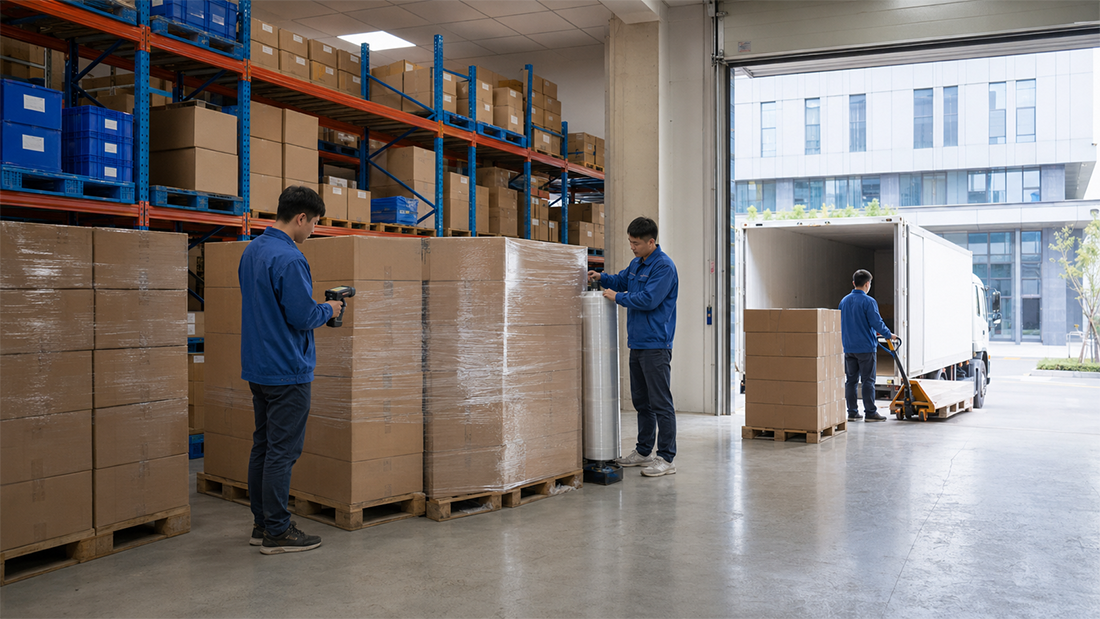
Retail shifts typically last 8 hours, so devices should last at least that long under normal use. Battery life depends on usage intensity, connectivity, and screen brightness. Look for devices with replaceable batteries or fast-charging capabilities to minimize downtime. Charging logistics for multiple devices across stores can be challenging: consider a charging dock or case that can charge several units simultaneously. Also, ask suppliers about battery cycle life and warranty terms for battery degradation.
Factor 5: Durability and Retail Environment
Retail environments are busy: devices may be dropped, bumped, or exposed to dust and moisture. Look for IP ratings (e.g., IP54 or higher) for dust and water resistance, and drop-test certifications (e.g., 1.5m drop resistance). The device should also withstand temperature variations if used near entrances or in non-air-conditioned spaces. Screen protectors and rugged cases are available from some suppliers; inquire about these accessories. Additionally, consider the device’s lifespan and warranty; a robust warranty (e.g., 12 months) indicates supplier confidence.
Factor 6: Certification and Compliance for Southeast Asia
Certification requirements vary by country in Southeast Asia. Common requirements include CE marking (for electrical safety), FCC (if using wireless), RoHS (hazardous substances), and UN38.3 for lithium batteries. Some countries may also require local certifications such as SIRIM in Malaysia or TISI in Thailand. Buyers should verify which certifications are mandatory for their target markets and ensure the supplier can provide the necessary documentation. Note that certification is product-specific and depends on the final configuration; a supplier may offer certified models but modifications could affect compliance. Always request copies of certificates and test reports for the exact model you plan to purchase.
Factor 7: Supplier Evaluation and OEM/ODM Support
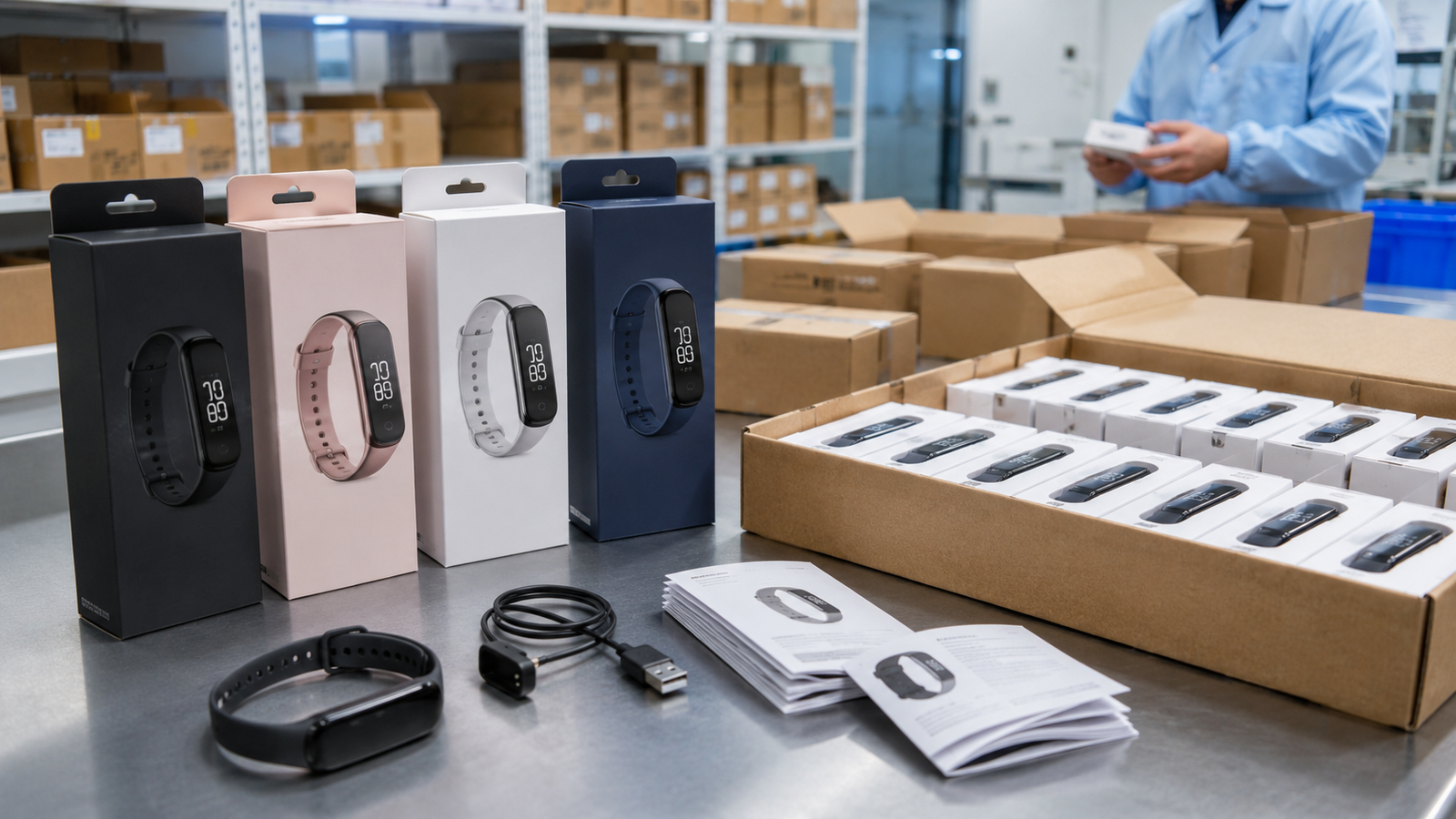
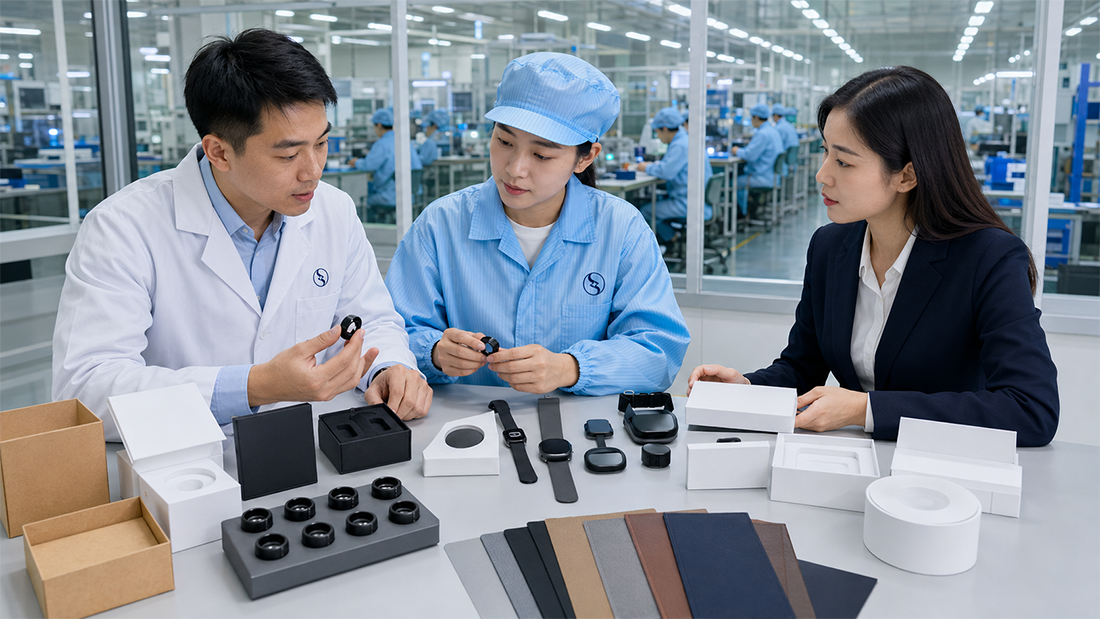
Choosing the right supplier is as important as choosing the product. Evaluate suppliers on their experience with AI hardware, their quality control processes, and their ability to support OEM/ODM projects. If you need custom branding, packaging, or software features, the supplier should have in-house design and engineering capabilities. Ask for references from other retail clients (if available) and request a factory audit or third-party inspection. Also, clarify MOQ, lead times, and payment terms. A supplier that communicates transparently and provides detailed documentation is more likely to be a reliable partner.
Comparison Table: Key Specifications
Use this table to compare potential AI translator models for retail use.
| Specification | Option A (Basic) | Option B (Advanced) | Option C (Premium) |
|---|---|---|---|
| Supported Languages | 10 languages | 30 languages | 50+ languages |
| Connectivity | Wi-Fi only | Wi-Fi + 4G | Wi-Fi + 4G + offline mode |
| Battery Life | 6 hours | 10 hours | 12 hours |
| Durability | IP54, 1m drop | IP65, 1.5m drop | IP67, 2m drop |
| Form Factor | Handheld | Handheld + earbuds | Wearable badge + earbuds |
| Certification | CE, FCC, RoHS | CE, FCC, RoHS, UN38.3 | CE, FCC, RoHS, UN38.3 + local |
| OEM/ODM | Limited | Yes (logo, packaging) | Full customization |
Common Mistakes and Buyer Red Flags
- Ignoring language accuracy in noisy environments: Always test in real store conditions.
- Overlooking certification for each target country: What works in one country may not be legal in another.
- Choosing the lowest price without considering total cost of ownership: Cheap devices may fail early, leading to replacements and downtime.
- Not verifying supplier credentials: Check business licenses, factory audits, and client references.
- Skipping a pilot: A small pilot can reveal issues before a large order.
- Underestimating training needs: Staff need time to learn the device; factor in training.
Practical Buyer Checklist
- Define the languages you need based on your store locations and customer demographics.
- Request sample units for a pilot in 2-3 stores for at least 2 weeks.
- Test translation accuracy for common retail phrases (e.g., “Do you have this in a larger size?”, “What is your return policy?”).
- Check battery life under continuous use.
- Verify IP rating and drop test results.
- Obtain copies of certificates (CE, FCC, RoHS, UN38.3) and check they match the model.
- Clarify warranty terms and after-sales support.
- Discuss MOQ, lead time, and payment terms.
- If customization is needed, request design mockups and samples.
- Plan for charging and storage of devices.
Buyers can also review STAR KING AI Translators OEM/ODM options to compare product positioning, customization scope, and sample planning.
FAQ
1. How many languages should an AI translator support for retail use in Southeast Asia?
At minimum, the device should support English and the local language of each country where you operate (e.g., Indonesian, Thai, Vietnamese, Filipino, Malay). For tourist areas, add Mandarin, Japanese, and Korean. A device supporting 10-20 languages is often sufficient, but verify the accuracy of each language pair.
2. Can AI translators work offline in retail stores?
Some models offer offline translation for a limited set of languages, typically with reduced accuracy. For critical communications, online mode is recommended. Ensure your stores have reliable Wi-Fi or cellular coverage, or choose devices with offline fallback.
3. What certifications are required for AI translators in Southeast Asia?
Requirements vary by country. Common certifications include CE (electrical safety), FCC (wireless), RoHS (hazardous substances), and UN38.3 (battery transport). Some countries may require additional local certifications. Always verify with your supplier and local authorities.
4. How do I ensure device durability in a busy retail environment?
Look for devices with IP54 or higher dust/water resistance and drop-test certification from at least 1.5 meters. A rugged case or screen protector can add protection. Also, consider a warranty that covers accidental damage.
5. What is a typical MOQ for AI translators from Chinese suppliers?
MOQs vary by supplier and customization level. For standard models, MOQs can be as low as 100 units; for custom OEM designs, MOQs may be 500-1000 units. Discuss your needs with suppliers and be prepared to negotiate.
6. How can I customize AI translators with my retail brand?
Many suppliers offer OEM/ODM services including logo printing, custom packaging, and even software modifications. Request design mockups and samples before placing a bulk order. Ensure the supplier has experience in custom projects and can meet your timeline.
7. What is the typical lead time for AI translator orders?
For standard products, lead time is often 15-30 days after order confirmation. Custom orders may take 30-60 days depending on design complexity and component availability. Always confirm lead time in writing.
Conclusion
Selecting AI translators for retail chains in Southeast Asia requires careful evaluation of language coverage, durability, connectivity, battery life, certification, and supplier reliability. By focusing on these seven factors and conducting a pilot test, you can choose devices that enhance customer service and staff efficiency across your stores. Remember to verify all certification requirements for each target market and choose a supplier that supports your long-term needs.
Next Steps
Ready to explore AI translators for your retail chain? We invite you to request product samples to evaluate performance in your own stores. Our team can also discuss customization options, certification support, and MOQ requirements for your specific needs.
Useful Official References for Buyers
- FCC equipment authorization guidance
- European Commission CE marking information
- Bluetooth SIG specifications
Discuss Your Smart Wearable OEM/ODM Project
Planning a smart ring, smart watch, smart band, AI glasses, AI translator, or AI voice mouse project? Contact STAR KING to discuss product positioning, sample testing, customization scope, certification requirements, lead time, and quotation details.

Team Star King

Scan WhatsApp QR code
Leave a Reply