
AI translators for distributors: 7 Critical Checks for Sourcing AI Translators for Southeast Asian Distributors in 2026
October 20, 2026 · Team Star King
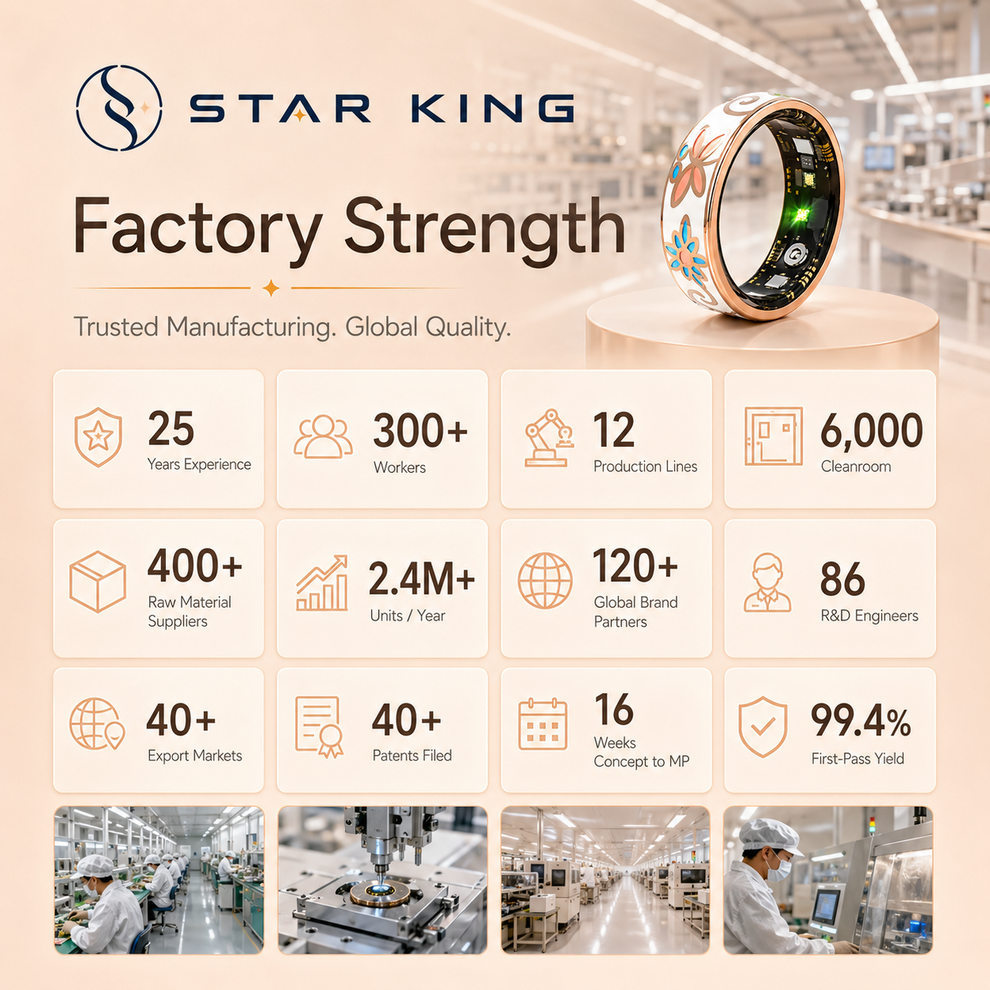
7 Critical Checks for Sourcing AI Translators for Southeast Asian Distributors in 2026
When sourcing AI translators for distributors in Southeast Asia, the key is to evaluate suppliers on seven critical factors: language coverage, offline functionality, certification compliance, MOQ flexibility, quality control, logistics, and after-sales support. Distributors should prioritize suppliers that offer transparent specifications, relevant certifications (e.g., CE, FCC), and flexible OEM/ODM options to mitigate risks and ensure market fit. This guide provides a structured approach to vetting AI translator suppliers, with actionable checklists and red flags to watch for.
Table of Contents
Table of Contents
AI translators for distributors: Table of Contents
- Short Answer
- Key Takeaways
- Key Facts for Buyers
- 1. Language Coverage and Accuracy
- 2. Offline Functionality and Connectivity
- 3. Certification and Compliance
- 4. MOQ and Pricing Structure
- 5. Quality Control and Testing
- 6. Logistics and Battery Shipping
- 7. After-Sales Support and Warranty
- Common Mistakes
- Buyer Checklist
- FAQ
- Conclusion
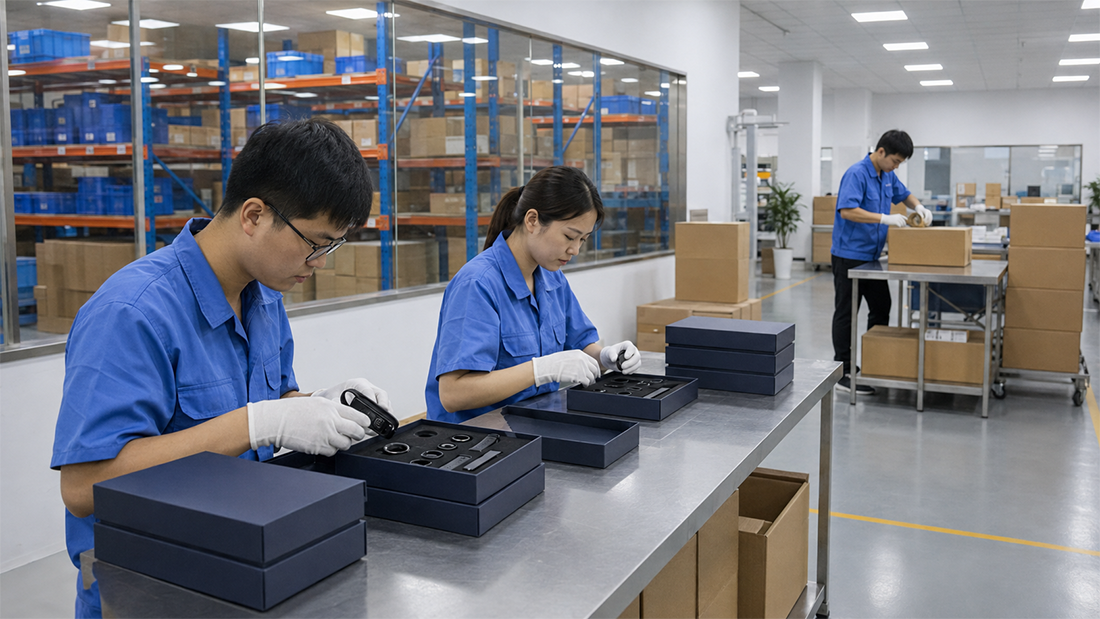
Short Answer
For distributors in Southeast Asia, sourcing AI translators requires balancing language coverage, offline capabilities, and compliance with local regulations. Focus on suppliers that provide clear certification documentation (e.g., CE, FCC), flexible MOQs, and robust quality control. Verify battery shipping compliance (UN38.3) and after-sales support to protect your investment. A structured evaluation using the 7 checks below can reduce risks and ensure product-market fit.
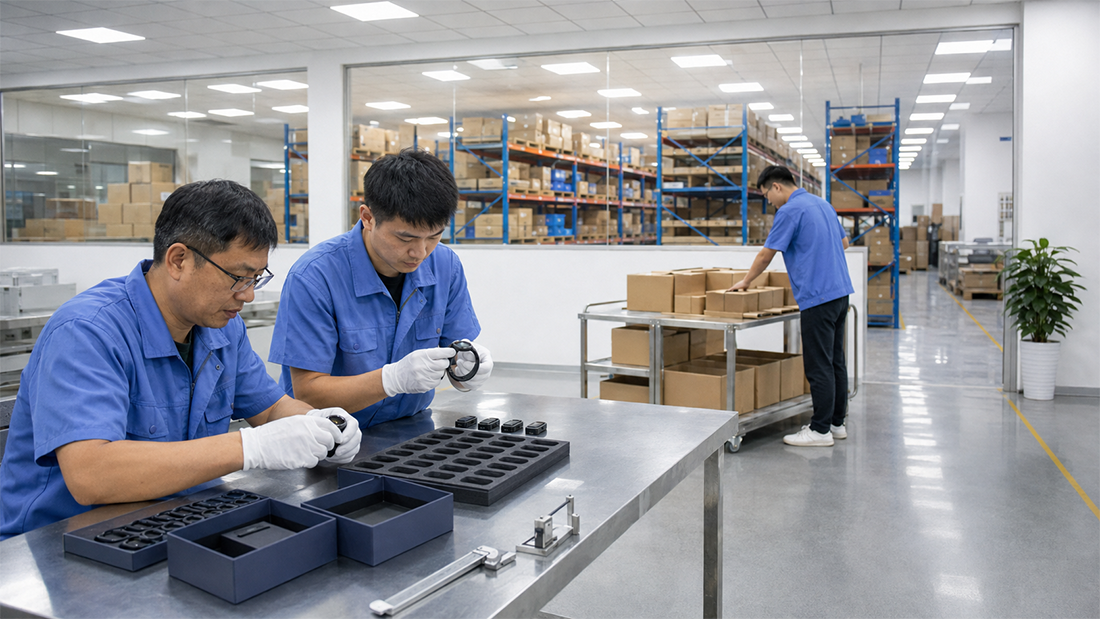
Key Takeaways
- Prioritize AI translators with extensive language support and offline translation for regions with unreliable connectivity.
- Certification such as CE, FCC, and UN38.3 is critical for customs clearance and market access in Southeast Asia.
- Negotiate MOQs that align with your distribution capacity and test samples thoroughly before bulk orders.
- Assess supplier quality control processes and after-sales support to minimize returns and maintain brand reputation.
- Plan logistics carefully due to lithium battery shipping regulations; consider suppliers with experience in international shipping.
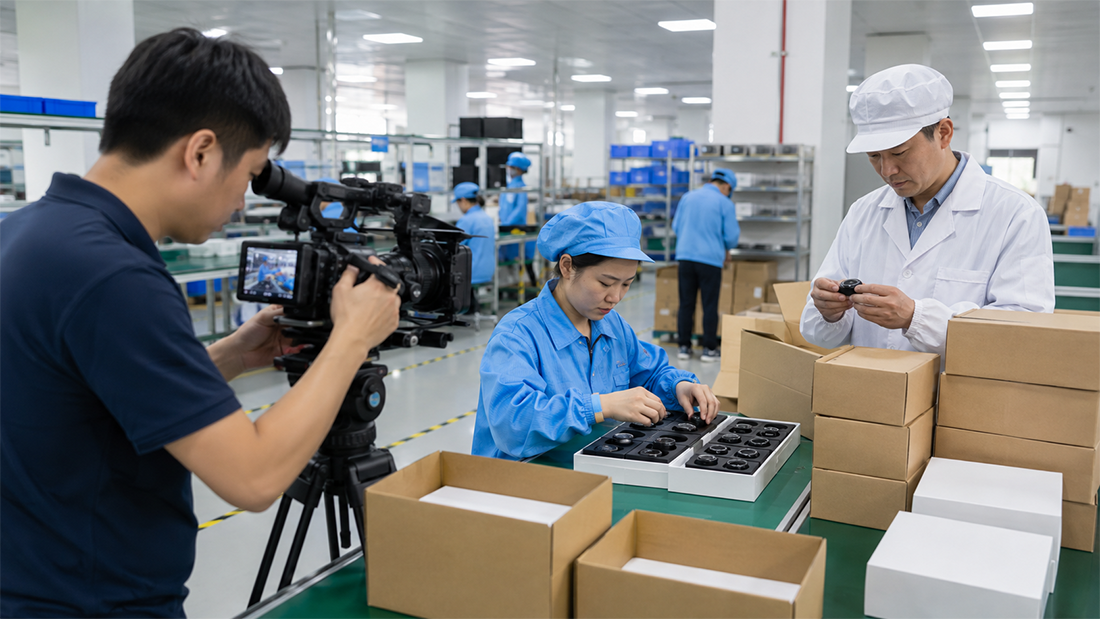
Key Facts for Buyers
| Factor | Typical Range/Consideration | Why It Matters |
|---|---|---|
| Language Coverage | 50+ languages; key Southeast Asian languages (e.g., Indonesian, Thai, Vietnamese) | Ensures usability for target users; accuracy affects satisfaction. |
| Offline Translation | Essential for areas with poor connectivity; check offline language packs | Reliability in rural or mobile scenarios; differentiates product. |
| Certification | CE, FCC, RoHS, UN38.3 for battery; may require local certifications (e.g., SIRIM in Malaysia) | Required for customs clearance and legal sale; builds trust. |
| MOQ | Typically 500-1000 units for OEM; lower for private label | Affects inventory investment and flexibility; align with sales forecast. |
| Quality Control | Pre-shipment inspection, aging tests, drop tests | Reduces defect rates and returns; protects brand. |
| Battery Shipping | UN38.3 test report, MSDS, proper packaging | Compliance for air/sea freight; avoids delays and fines. |
| After-Sales | Warranty period (e.g., 12 months), spare parts availability, technical support | Minimizes downtime and customer dissatisfaction. |
1. Language Coverage and Accuracy
AI translators must support the languages spoken in your target markets. For Southeast Asia, this includes Indonesian, Malay, Thai, Vietnamese, Filipino, and Mandarin, among others. Verify the supplier’s claimed language list with actual sample testing. Accuracy is equally important: test translations in real-world scenarios (e.g., business conversations, travel phrases) to ensure they meet user expectations. Poor accuracy leads to negative reviews and returns, damaging your distributor reputation.
How to Evaluate Language Coverage
- Request a detailed language list and compare with your market needs.
- Test sample devices with native speakers for key languages.
- Check if the supplier provides regular language updates via firmware.
2. Offline Functionality and Connectivity
In Southeast Asia, internet connectivity can be inconsistent in rural or remote areas. AI translators that rely solely on cloud-based translation may fail when offline. Look for devices with offline translation capabilities for critical languages. Evaluate the number of offline language packs available and the ease of downloading them. Additionally, consider connectivity options: Wi-Fi, cellular (4G/5G), or Bluetooth pairing with smartphones. Ensure the device supports the network bands used in your target countries.
3. Certification and Compliance
Certification is non-negotiable for distributing electronics in Southeast Asia. Key certifications include:
- CE for European market (may be required for some imports).
- FCC for US, but often recognized as a quality indicator.
- RoHS for hazardous substances compliance.
- UN38.3 for lithium battery shipping.
- Local certifications such as SIRIM (Malaysia), SNI (Indonesia), or TISI (Thailand) may be required. Verify with local authorities.
Always request copies of certificates and test reports. Suppliers should provide documentation for each model. Be cautious if a supplier claims certifications without evidence. For more on compliance, see our private label OEM/ODM solutions.
4. MOQ and Pricing Structure
Minimum order quantities (MOQs) vary by supplier and customization level. For AI translators, MOQs may range from 500 to 1,000 units for OEM orders. Private label orders may have higher MOQs due to packaging and branding costs. Understand the pricing tiers: unit price decreases with volume. Factor in tooling costs if custom designs are required. Also, clarify what is included in the quoted price (e.g., accessories, packaging, certification costs). Request a detailed quotation with all costs to avoid surprises. For cost analysis tips, read our sourcing guide.
5. Quality Control and Testing
Robust quality control (QC) is essential to minimize defective units. Ask about the supplier’s QC processes: incoming material inspection, in-process checks, and final pre-shipment inspection. Request test reports for aging, drop, and functionality tests. Ideally, conduct a third-party inspection before shipment. For AI translators, test translation accuracy, battery life, connectivity, and durability. A supplier with a documented QC system reduces your risk. See our AI translators for examples of quality-focused products.
6. Logistics and Battery Shipping
AI translators contain lithium batteries, which are regulated for shipping. Ensure the supplier provides UN38.3 test reports and MSDS. Shipping methods (air, sea) have different requirements. Work with a freight forwarder experienced in battery shipments. Consider lead times: production and shipping can take 30-60 days. Plan your inventory accordingly. For remote locations in Southeast Asia, ensure last-mile delivery options. Discuss Incoterms to clarify responsibilities.
7. After-Sales Support and Warranty
Reliable after-sales support protects your investment. Clarify warranty terms (e.g., 12 months), what is covered, and how to handle returns. Ask about spare parts availability and technical support for firmware updates. A supplier that offers training or marketing materials can help you sell. Evaluate their responsiveness during the sampling phase: slow communication may indicate poor support later.
Common Mistakes
- Ignoring certification requirements: Selling without proper certification can lead to customs seizures and fines.
- Underestimating language accuracy: Poor translations lead to negative reviews and returns.
- Overlooking offline capabilities: Devices that require constant internet may fail in rural areas.
- Not testing samples: Bulk orders based on specs alone risk mismatched expectations.
- Choosing lowest price: Cheap devices often compromise on quality and support.
Buyer Checklist
- ☐ Verify language coverage and test accuracy with native speakers.
- ☐ Confirm offline translation availability for key languages.
- ☐ Request copies of CE, FCC, RoHS, UN38.3 certificates.
- ☐ Clarify MOQ, pricing tiers, and included costs.
- ☐ Review QC process and request test reports.
- ☐ Ensure battery shipping compliance (UN38.3, MSDS).
- ☐ Confirm warranty terms and after-sales support.
- ☐ Order samples and conduct hands-on evaluation.
- ☐ Check supplier communication responsiveness.
FAQ
What certifications are required for AI translators in Southeast Asia?
Requirements vary by country. Common certifications include CE, FCC, RoHS, and UN38.3. Some countries may require local certifications like SIRIM (Malaysia) or SNI (Indonesia). Always verify with local authorities.
What is a typical MOQ for AI translators?
MOQs often range from 500 to 1,000 units for OEM orders, but can be lower for standard products. Negotiate based on your distribution capacity.
How can I ensure translation accuracy?
Test sample devices with native speakers for your target languages. Request a list of supported languages and check for regular updates.
What is the lead time for bulk orders?
Lead times typically range from 30 to 60 days, depending on order size and customization. Plan accordingly and confirm with the supplier.
Can I customize AI translators with my brand?
Yes, many suppliers offer private label and OEM/ODM services. Discuss logo, packaging, and firmware customization options. See our private label solutions.
How to handle lithium battery shipping?
Ensure the supplier provides UN38.3 test reports and MSDS. Use experienced freight forwarders for air/sea shipments.
Conclusion
Sourcing AI translators for distribution in Southeast Asia demands careful evaluation of suppliers. By following the 7 critical checks outlined above, you can mitigate risks and select products that meet market needs. Prioritize certifications, language accuracy, and after-sales support to build a competitive edge. For personalized assistance, contact us.
STAR KING CTA
Ready to source AI translators for your distribution business? Request a quotation or discuss your OEM/ODM requirements with our team. We can provide samples, certification documentation, and customization options to match your market strategy.
Request a quote for AI translators
Useful Official References for Buyers
- FCC equipment authorization guidance
- European Commission CE marking information
- Bluetooth SIG specifications
Discuss Your Smart Wearable OEM/ODM Project
Planning a smart ring, smart watch, smart band, AI glasses, AI translator, or AI voice mouse project? Contact STAR KING to discuss product positioning, sample testing, customization scope, certification requirements, lead time, and quotation details.

Team Star King

Scan WhatsApp QR code
Leave a Reply