
AI translators: How to Evaluate AI Translators for Southeast Asian Classrooms: 2026 Buyer Guide
November 15, 2026 · Team Star King
How to Evaluate AI Translators for Southeast Asian Classrooms: 2026 Buyer Guide
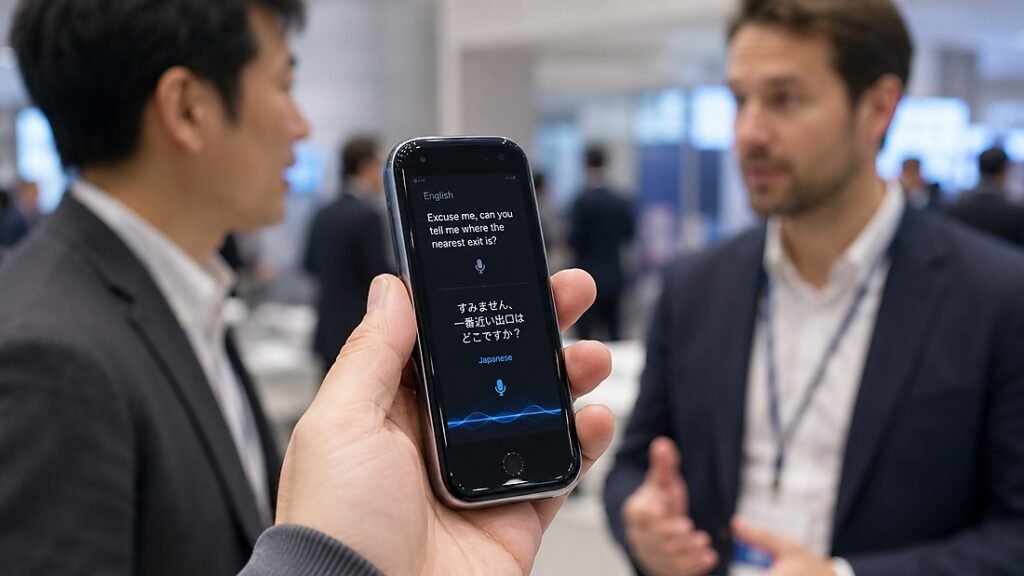
AI translators are compact speech-to-speech and text-to-speech devices that convert spoken language in real time, and for Southeast Asian education buyers the evaluation question in 2026 is whether a device performs reliably across multilingual classrooms, not just in a demo. Schools across the region routinely mix two or three languages in one lesson, so edtech teams should prioritize language coverage, offline behavior, privacy controls, classroom durability, and a supplier’s ability to support OEM/ODM customization. This guide gives education technology companies a structured evaluation framework: specifications, MOQ and cost drivers, sample testing, compliance, and deployment risks specific to Southeast Asia.
Table of Contents
Table of Contents
Table of Contents
- Short Answer
- Key Takeaways
- Key Facts for Buyers
- What Buyers Should Evaluate in AI Translators for Education
- Why Southeast Asian Classrooms Need Different Evaluation Criteria
- Language Coverage and Real-Time Translation Quality
- Offline vs Cloud Translation: Trade-Offs
- Hardware, Battery, and Classroom Durability
- Data Privacy, Student Safety, and School IT
- OEM/ODM and Private Label Options for Edtech Companies
- MOQ, Cost Drivers, and Landed Cost Planning
- Making Sense of Supplier Claims: A Comparison Table
- Sample Testing and Pilot Validation Plan
- Compliance for Southeast Asia: Certification and Import Checks
- Common Mistakes and Buyer Red Flags
- Practical Buyer Checklist
- FAQ
- Conclusion
Short Answer
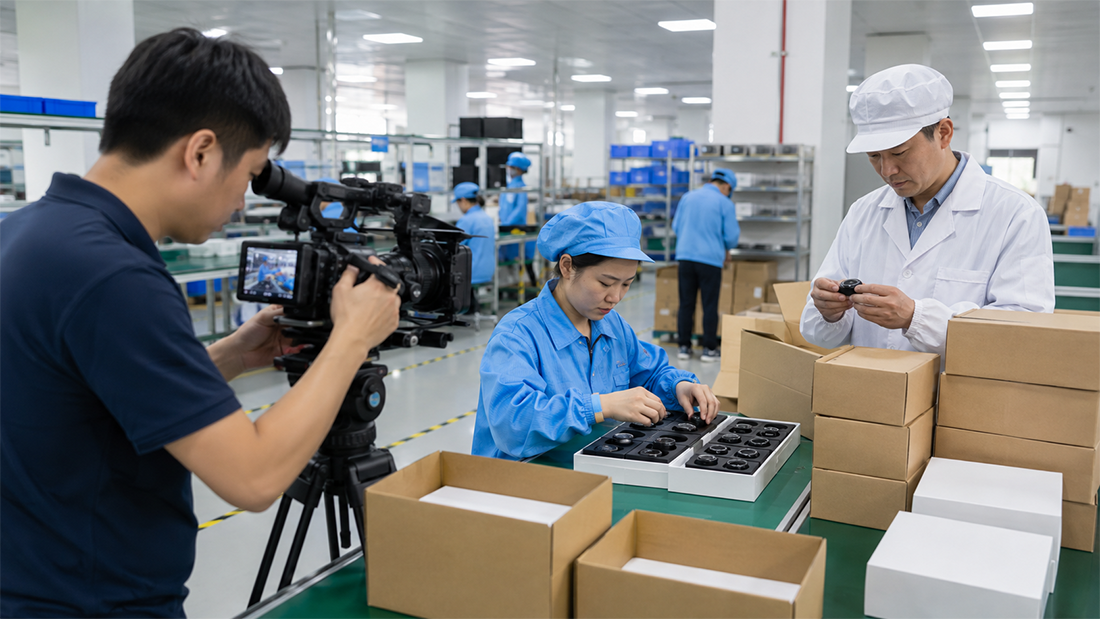
To evaluate AI translators for Southeast Asian classrooms, buyers should test language coverage and real-time accuracy on realistic lesson phrases, confirm offline behavior and privacy controls, check classroom durability and battery life, and verify the supplier’s OEM/ODM capability, MOQ, test reports, and certification status for each target country. A structured pilot with 20–50 units is the most reliable way to separate viable education devices from demo-only hardware.
Key Takeaways
- Language coverage in Southeast Asia must be tested on real classroom phrases, not scripted demos; accent and code-switching performance matter.
- Offline translation reduces network dependency but typically raises unit cost and limits language breadth.
- Classroom durability, battery life, and repairability are evaluation criteria, not afterthoughts.
- Student voice data and school network policies require explicit privacy and data-flow answers from the supplier.
- OEM/ODM readiness—firmware, app, language packs, and packaging—should be confirmed before MOQ commitments.
- Certification requirements vary by country and SKU; buyers should verify rather than assume.
- A structured pilot with teacher feedback is the strongest predictor of classroom fit.
Key Facts for Buyers
| Evaluation Area | What to Check | Why It Matters in SEA Classrooms |
|---|---|---|
| Language coverage | Supported SEA languages, dialects, code-switching | Classrooms often mix English, local language, and a regional dialect |
| Translation mode | Offline vs cloud; latency; network requirements | School Wi-Fi may be restricted or unreliable |
| Privacy | Voice data handling, storage, retention | Student voice data and school data policies |
| Durability | Drop, dust, splash, charging port design | Shared devices in classrooms face heavy handling |
| Battery | Runtime, charging time, spare batteries | Devices must last a school day and charge between sessions |
| OEM/ODM | Firmware, app, language packs, branding | Edtech companies need differentiation and integration |
| Compliance | CE, FCC, RoHS, UN38.3, MSDS, local import rules | Requirements vary by country and SKU |
| MOQ & lead time | MOQ tiers, tooling, pilot vs mass production | Affects pilot planning and rollout timing |

What Buyers Should Evaluate in AI Translators for Education
Education buyers should evaluate AI translators through a classroom lens rather than a consumer lens. A consumer asks whether a device translates a sentence; an education buyer must ask whether the device works across a 40-minute lesson, with multiple speakers, imperfect pronunciation, interrupted network connectivity, and student privacy obligations. This section defines the evaluation framework used throughout this guide.
What is an AI translator for education? It is a portable translation device, typically with microphone array, speaker, display, and connectivity, that converts spoken language between participants in near real time, often paired with a mobile app or management console. The evaluation should cover six pillars: language performance, connectivity behavior, hardware durability, privacy, integration capability, and supplier readiness.
Why Southeast Asian Classrooms Need Different Evaluation Criteria
Southeast Asia is not a single market. Education systems differ across Singapore, Malaysia, Indonesia, Thailand, Vietnam, and the Philippines in language policy, connectivity, import rules, and procurement practice. Many classrooms mix a national language, English, and a regional or community language; teachers may code-switch mid-sentence. Buyers should test translation on these real patterns.
Network conditions also vary. Urban schools may have stable Wi-Fi, while rural or remote classrooms may lack reliable connectivity. Device weight, charging practice, and shared-device hygiene matter when one unit is used by multiple students. Buyers should map these realities before comparing specifications, because a device that works well in Singapore may not fit an Indonesian or Thai classroom without configuration changes.
Regional language and accent considerations
Buyers should ask the supplier which Southeast Asian languages, dialects, and accent models are supported, and whether accent adaptation is configurable. Translation quality on read-aloud text may differ from spontaneous speech. Buyers should request a test sample and evaluate phrase accuracy, latency, and speaker diarization on recorded classroom scenarios.
Typical deployment models
Edtech companies usually deploy AI translators in one of three models: teacher-assisted translation for parent meetings and bilingual sessions; student group work where devices are shared at tables; or language lab programs where devices are issued to individual learners. Each model changes requirements for durability, privacy, and management software. Buyers should define the model first, then compare devices.
Language Coverage and Real-Time Translation Quality
Language coverage should be specified in detail: source and target languages, supported dialects, text vs speech, and fallback behavior when a language pair is unsupported. Buyers should ask for a language list per firmware version and request proof of availability for the specific device configuration they intend to buy.
Real-time translation quality should be tested on realistic content, including short instructions, science terminology, and conversational turn-taking. Buyers should record pass/fail thresholds for accuracy, latency, and recovery from errors, and test with the accents and speaking speeds common in their target classrooms.
Speech-to-speech vs text-to-text
Speech-to-speech is convenient for face-to-face bilingual discussions but is sensitive to background noise and overlap. Text-to-text may be more reliable in noisy rooms and easier to log for review. Many devices combine both; buyers should compare the modes they actually need rather than the longest feature list.
Multi-speaker and classroom noise
Classroom noise is the most common failure point. Buyers should test microphone pickup at typical classroom distances, with background activity, and with multiple speakers. Ask whether the device supports external microphones, noise suppression settings, or paired speaker accessories.
Offline vs Cloud Translation: Trade-Offs
Cloud translation generally offers broader language coverage and can improve with updates, but depends on connectivity and may raise privacy and latency concerns. Offline translation reduces network dependency and can be important for remote schools or exams, but may support fewer languages and often adds processing hardware and cost. Buyers should decide based on deployment sites, not a preference for one architecture.
| Factor | Cloud-Based Translation | Offline Translation |
|---|---|---|
| Language breadth | Usually broader, updatable | Typically limited to installed packs |
| Connectivity dependence | High | Low or none |
| Latency | Depends on network | Usually lower local latency |
| Privacy/network policy | Requires data-flow review | Easier to keep data on device |
| Unit cost impact | Lower hardware requirement | Higher memory/processing cost |
| Best fit | Urban schools with stable Wi-Fi | Remote or restricted-network classrooms |
Hardware, Battery, and Classroom Durability
Shared classroom devices face drops, spills, and constant handling. Buyers should request drop, dust, and splash test information and clarify the difference between test reports and guarantees. Battery life should be stated for realistic translation use, not standby, and charging time should fit school schedules. Spare batteries and repair paths matter for multi-year programs.
Display size and speaker volume affect usability in larger rooms; check whether the device supports external speakers or headphones for quiet exam settings. Many schools restrict apps and Bluetooth pairing, so buyers should confirm device management options before purchase.
Device management and updates
Edtech companies should ask how firmware updates are delivered, whether devices can be managed remotely, and how language packs are updated. An update plan reduces the risk of field failures and keeps translation quality aligned with classroom needs.
Data Privacy, Student Safety, and School IT
AI translators may process student voices, which raises privacy and consent questions. Buyers should ask where audio is processed, whether it is stored, how long it is retained, and whether logs can be disabled. School IT teams often require network allowlists and may restrict cloud services; buyers should obtain a clear data-flow description before deploying.
Buyers should also check whether the device offers on-device processing options, admin controls for logging, and a documented update mechanism. Privacy requirements differ by country and institution, so buyers should verify local education and data-protection rules with qualified advisors rather than rely on supplier summaries.
OEM/ODM and Private Label Options for Edtech Companies
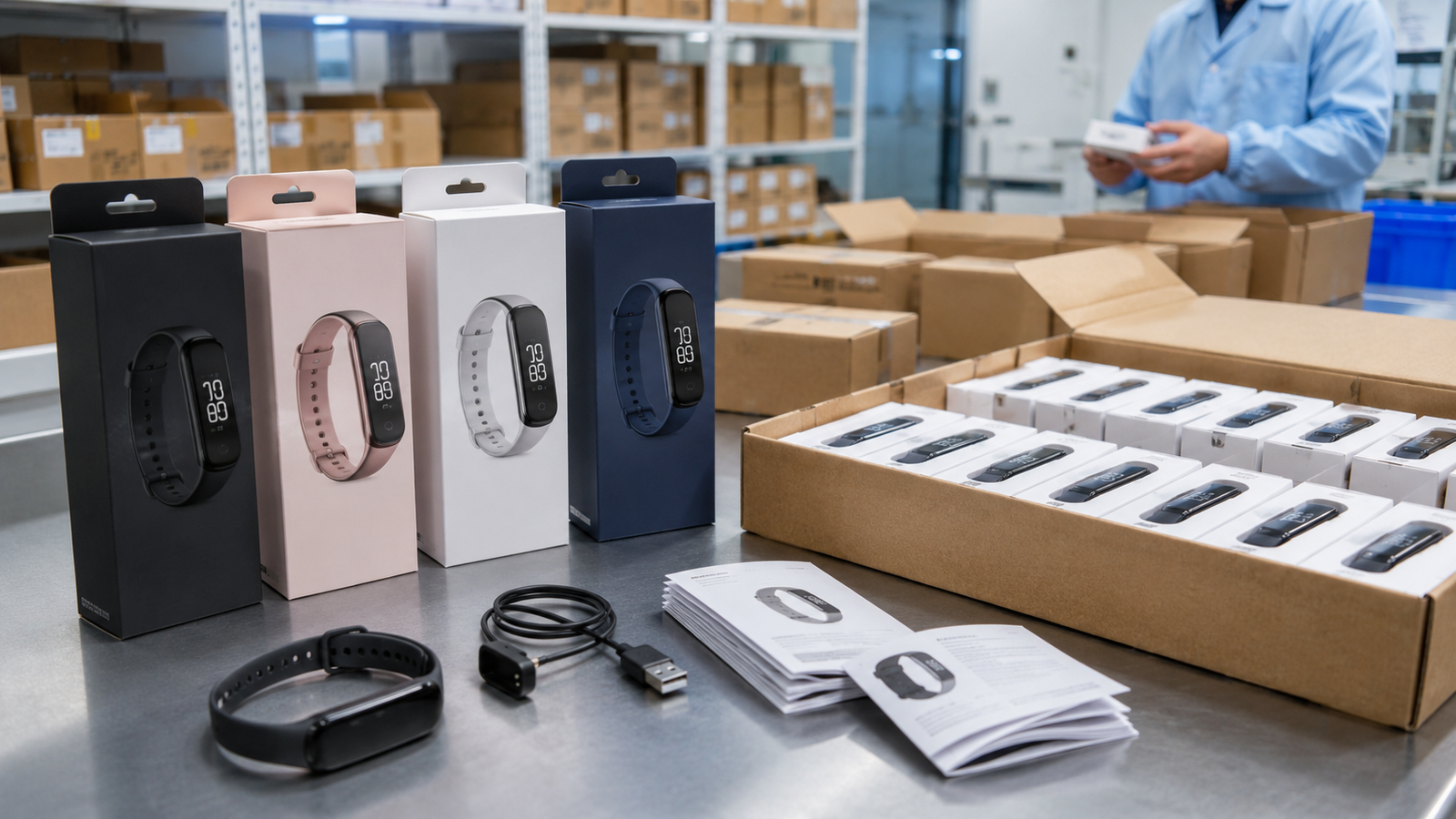
Education technology companies rarely buy generic devices without customization. Typical OEM/ODM requests include branded enclosures, custom firmware settings, app integration with learning platforms, language-pack selection, custom packaging, and localized documentation. Buyers should confirm which layers the supplier can customize and which remain fixed.
App and firmware integration should be tested early. If your platform needs single sign-on, usage reporting, or classroom management, request a technical call and a sample with the proposed integration. Clarify ownership of tooling, industrial design files, and software configuration so your brand is not locked into an unsupported path.
For buyers comparing private-label options across device categories, STAR KING’s private label OEM/ODM program shows how customization layers are typically structured. The broader AI translator product range provides a reference point for the specifications discussed in this guide.
MOQ, Cost Drivers, and Landed Cost Planning
MOQ in education projects is driven by customization depth, packaging, and language-pack work rather than device quantity alone. A pilot order may be possible with limited customization, while custom tooling or app integration usually raises MOQ. Buyers should ask for MOQ tiers that separate pilot units from mass production.
Cost drivers include display and audio components, offline processing capability, battery capacity, enclosure materials, packaging, accessories, and certification testing. Landed cost must include freight (batteries are regulated), import duties, and local compliance costs. Buyers should request an itemized quotation and clarify what is excluded.
Making Sense of Supplier Claims: A Comparison Table
Supplier claims are usually optimistic. The table below converts common claims into verification questions. Use it during supplier screening and sample review.
| Supplier Claim | Evaluation Question | Verification Method |
|---|---|---|
| “Supports 40 languages” | Which are offline, which need cloud, and do SEA languages include dialects? | Request language list per firmware; test SEA pairs on samples |
| “Real-time translation” | What latency on classroom phrases and noise? | Record test with 3–5 speakers; measure pass/fail |
| “All-day battery” | Runtime under continuous translation vs standby? | Run a full-day simulation and log runtime |
| “Certified for export” | Which certifications for which SKU and country? | Request certificate scope and test report references |
| “Full OEM support” | Firmware, app, language packs, and packaging—included? | Technical call plus sample with proposed changes |
| “Low MOQ” | MOQ per customization layer and lead time? | Written quotation with tiered options |
Sample Testing and Pilot Validation Plan
A sample is not a pilot. The sample validates hardware and basic translation; the pilot validates classroom fit, teacher acceptance, and support logistics. Buyers should define pass/fail criteria before ordering and record results in a shared scorecard.
- Sample stage: check build quality, language pairs, latency, noise handling, battery runtime, and packaging.
- Pilot stage: deploy 20–50 units in 2–3 classrooms; track teacher usage, student comfort, charging routine, and failure rates.
- Validation stage: review data with teachers, compare against criteria, and confirm production configuration.
Compliance for Southeast Asia: Certification and Import Checks
Certification requirements for AI translators typically depend on the product configuration, battery type, wireless functions, and destination country. Buyers should not assume that one certificate covers all Southeast Asian markets. Common items to review include CE and FCC for relevant markets, RoHS, UN38.3 for lithium batteries, and MSDS for shipping. Local telecom or import approvals may also apply.
Buyers should verify requirements with local authorities or qualified import advisors. Suppliers can provide test reports and certificate scope, but the buyer remains responsible for confirming that documents match the exact SKU and destination. Note that a supplier’s existing certification may not cover your customized configuration; verify after customization.
External references such as the FCC equipment certification process, the IEC standards framework, and relevant national aviation or regulatory pages are useful starting points. Use them to build your compliance checklist, not as substitutes for local legal advice.
Common Mistakes and Buyer Red Flags
Common mistakes
- Treating a scripted demo as evidence of classroom performance.
- Ordering mass production before defining pilot pass/fail criteria.
- Assuming language coverage applies to every device configuration.
- Ignoring battery shipping rules and landed-cost impacts.
- Negotiating price before confirming customization scope.
- Assuming one certification covers all Southeast Asian countries.
Buyer red flags
- No detailed language list or firmware version reference.
- Vague answers about offline behavior and latency.
- Unwillingness to provide test reports or certificate scope.
- No clear MOQ tier for pilot units.
- No documented ownership of tooling or design files.
- Pressure to commit to mass production before a pilot.
Practical Buyer Checklist
- Define classroom use model and target languages before contacting suppliers.
- Request a written language list per firmware and test SEA pairs.
- Test latency and noise handling with realistic classroom recordings.
- Confirm offline vs cloud behavior and network requirements.
- Review privacy and data retention in writing.
- Request durability and battery test information, and plan spare-part support.
- Clarify OEM/ODM scope, MOQ tiers, and lead times in the quotation.
- Verify certification requirements per country and per SKU.
- Map landed cost including freight, duties, and compliance.
- Run a structured pilot with defined pass/fail criteria.
FAQ
What should education buyers test first when evaluating AI translators?
Start with language coverage and real-time accuracy on classroom phrases, because these determine classroom usefulness; hardware and compliance follow.
Are offline AI translators better for Southeast Asian schools?
Not always. Offline devices help where connectivity is unreliable, but may limit language breadth and raise cost; match the mode to each deployment site.
What MOQ should an edtech company expect for a pilot order?
Pilot MOQ typically depends on customization; buyers should request tiered MOQs that separate pilot units from mass production and confirm in writing.
Which certifications do AI translators need for Southeast Asia?
Requirements vary by country, battery, and wireless functions; buyers should verify with local authorities and confirm that certificates match the exact SKU.
Can suppliers customize language packs for our curriculum?
Some OEM/ODM suppliers offer firmware, app, or language-pack customization; scope and cost should be confirmed before MOQ commitment.
How do I validate privacy before deploying student-facing devices?
Ask for a written data-flow description, confirm processing location and retention, and align with school IT and local data-protection requirements.
Conclusion
AI translators can support multilingual learning in Southeast Asia, but only when buyers evaluate them as education infrastructure rather than consumer gadgets. Use a structured approach: define the classroom model, test language performance on real phrases, verify offline behavior, review privacy and durability, and qualify the supplier’s OEM/ODM and compliance readiness. A pilot with clear pass/fail criteria is the strongest step before committing to a rollout.
STAR KING CTA
If you are evaluating AI translators for a Southeast Asian education deployment, STAR KING can help you compare configurations and customization options for your project. Request product samples or share your target languages, deployment scale, and certification needs so the team can respond with a tailored quotation.
Discuss Your Smart Wearable OEM/ODM Project
Planning a smart ring, smart watch, smart band, AI glasses, AI translator, or AI voice mouse project? Contact STAR KING to discuss product positioning, sample testing, customization scope, certification requirements, lead time, and quotation details.

Team Star King

Scan WhatsApp QR code
Leave a Reply