
AI translator supplier: 7 Smart Steps to Choose an AI Translator Supplier for Amazon Southeast Asia in 2026
October 13, 2026 · Team Star King

7 Smart Steps to Choose an AI Translator Supplier for Amazon Southeast Asia in 2026
Selecting an AI translator supplier for Amazon Southeast Asia in 2026 requires seven verifiable steps: define the use case, shortlist qualified factories, evaluate OEM/ODM capability, confirm certifications for each destination market, test samples against real Southeast Asian languages, negotiate MOQ and terms, and lock in quality and after-sales processes. This guide explains each step with buyer-focused tools, including AI translator MOQ benchmarks, certification checklists, and red-flag warnings for Amazon FBA importers.
Table of Contents
Table of Contents
AI translator supplier: Table of Contents
- Step 1: Define the Amazon Use Case Before You Talk to Suppliers
- Step 2: Shortlist Factories, Not Trading Accounts
- Step 3: Evaluate OEM, ODM, and Private Label Capability
- Step 4: Confirm Certifications for Each Southeast Asian Market
- Step 5: Test Samples Against Real Regional Languages
- Step 6: Negotiate MOQ, Pricing, and Contract Terms
- Step 7: Lock In Quality Control and After-Sales
- Key Facts for Buyers
- Common Mistakes and Buyer Red Flags
- Practical Buyer Checklist
- FAQ

Key Takeaways
- A qualified AI translator supplier should quote MOQ, tooling, and lead time in writing within 48 hours of a clear brief.
- Certification needs vary by marketplace and country; Amazon and local regulators typically require different documentation.
- ODM platforms rarely equal ODM partnership. Confirm who owns the firmware, tooling, and app code.
- Translation accuracy for Bahasa Indonesia, Thai, and Vietnamese must be tested on the actual unit, not on a spec sheet.
- Battery shipping rules for lithium devices affect landed cost more than many Amazon sellers expect.
Step 1: Define the Amazon Use Case Before You Talk to Suppliers
Amazon listings succeed or fail on positioning. Before contacting any supplier, write a one-page brief covering the target country, the buyer persona, the price band, and the feature set you believe will convert. Southeast Asia is not one market; an AI translator that sells well in urban Bangkok may underperform in rural Indonesia if offline functionality and battery life are weak.
Questions to answer in your brief
- Primary language pairs: inbound tourism, outbound business travel, or local-to-local communication?
- Online versus offline: does the device need to work without Wi-Fi or SIM?
- Form factor: handheld, earbud-style, or wearable-adjacent.
- Connectivity: Wi-Fi only, 4G, or hotspot supported.
- Retail price target: this decision alone eliminates 60–80% of supplier options.
Once you have written your brief, review the AI translator product range to identify the configurations that match your specification and price band before you approach factory sales teams.
Step 2: Shortlist Factories, Not Trading Accounts
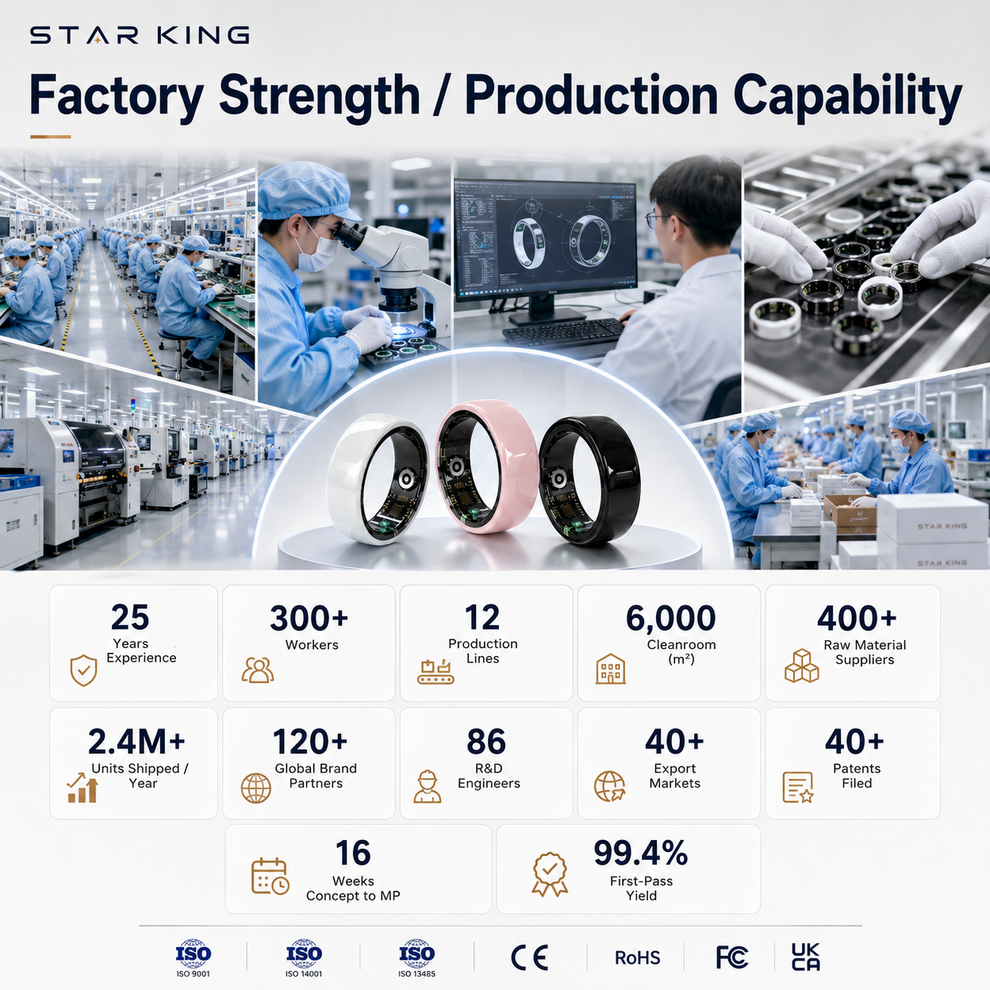
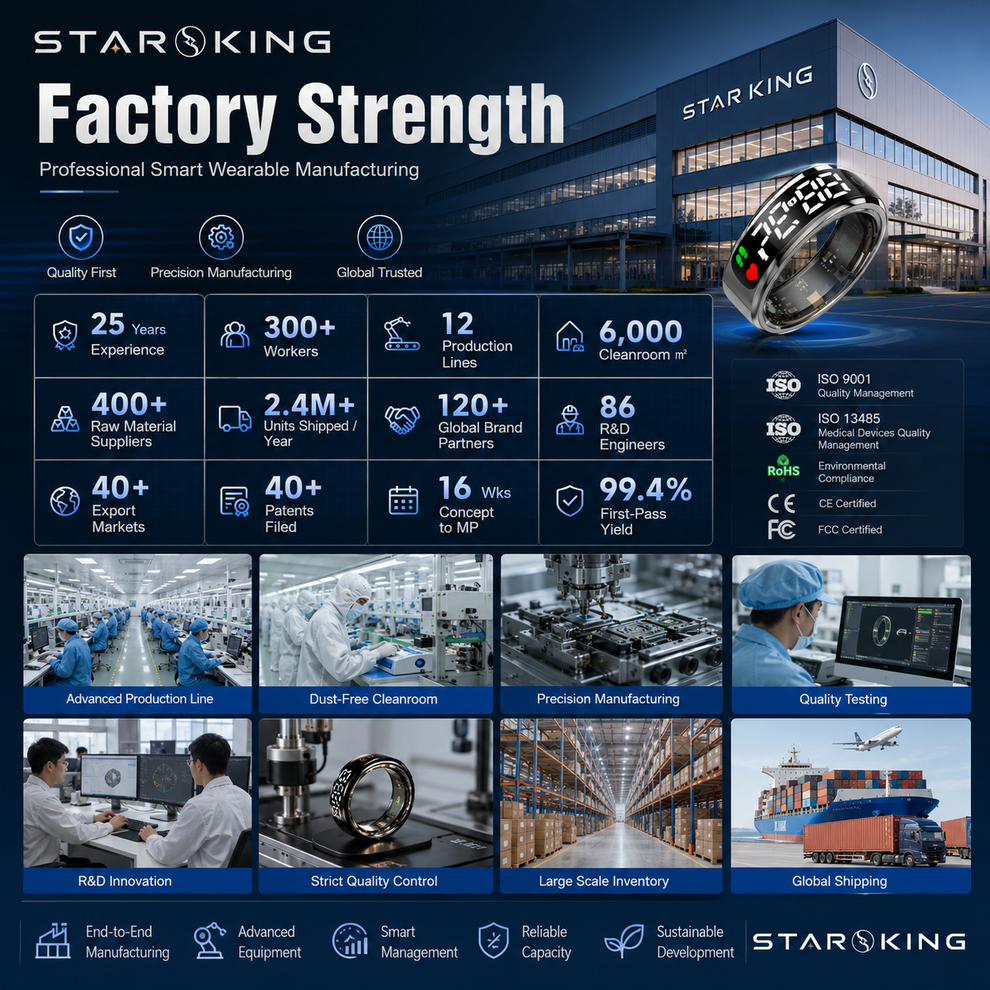
Many vendor listings on B2B platforms are trading companies that outsource production. For Amazon sellers, this adds margin layers, slows sample iterations, and complicates quality disputes. Ask every candidate two direct questions: do you own or operate the assembly line, and can I see your production and testing areas on a live or recorded video walkthrough?
Verification questions that separate factories from resellers
- What is your factory address, and can I arrange a third-party audit there?
- Which components are made in-house versus sourced?
- Who writes and maintains the firmware?
- How many engineers work on firmware and app development?
- Can you share redacted production capacity documentation?
If the answer to any of these is vague, treat the vendor as a reseller until proven otherwise. This step matters more in 2026 because Amazon’s compliance enforcement on electronics has become stricter across the region.
Step 3: Evaluate OEM, ODM, and Private Label Capability
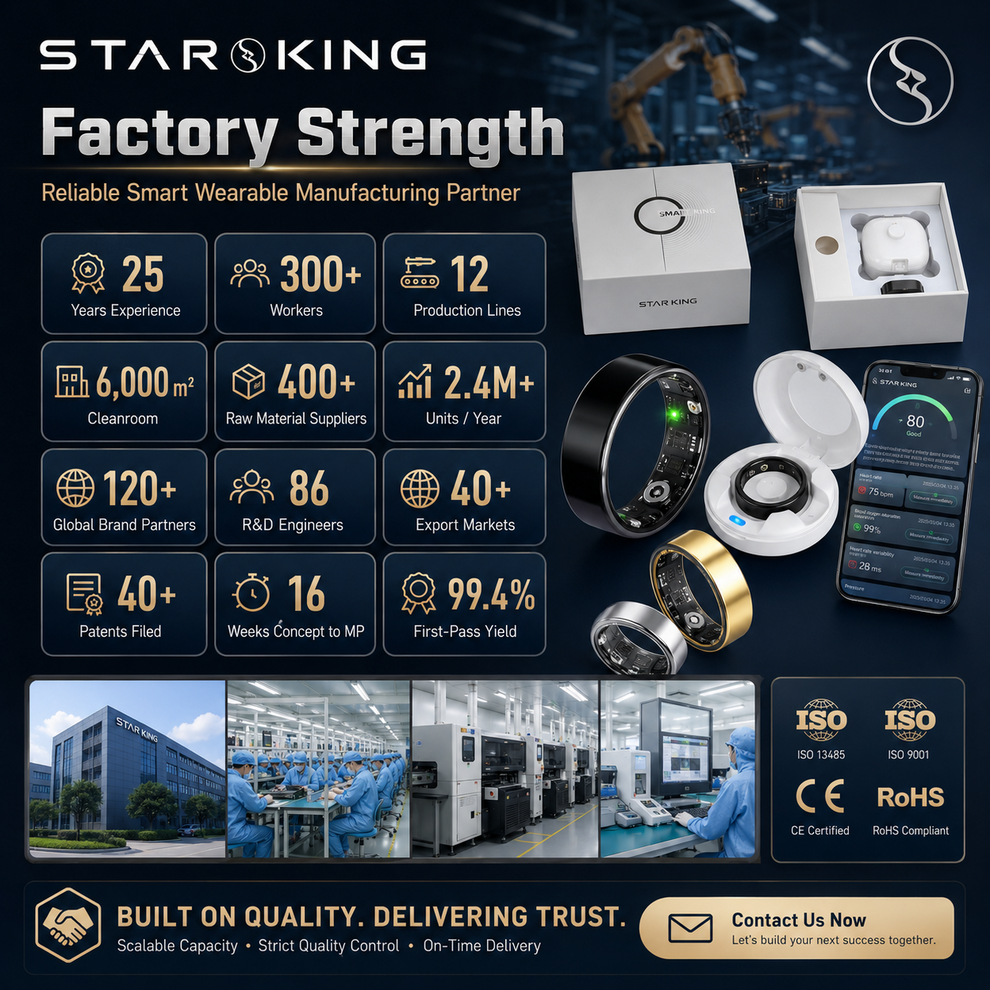
Amazon sellers rarely succeed with a stock product and a different logo. A workable supplier selection process must confirm what can be customized and at which cost tier. The private label OEM/ODM program is a useful reference point for the categories of customization a supplier should be able to discuss openly.
| Customization level | Typical scope | Impact on MOQ | Impact on lead time |
|---|---|---|---|
| Logo and packaging | Print, color, retail box, manual | Lower MOQ tier | 2–3 weeks added |
| Firmware tweak | Boot logo, UI strings, default language | Mid MOQ tier | 4–6 weeks added |
| Full ODM | New housing, new PCB layout, new app | Highest MOQ tier | 12 weeks or more |
Ask the supplier to show which tier they consider your project, and request a written statement on who owns the tooling, software, and design IP after the project ends.
Step 4: Confirm Certifications for Each Southeast Asian Market
Certification is the single most common source of Amazon account suspensions for small electronics sellers. Requirements depend on the destination country, the radio module, the battery, and the marketplace. Never accept a verbal assurance; ask for the certificate number and the test report.
Certification categories to clarify with your supplier
- Radio equipment certification, for example FCC for the United States and equivalent national regimes elsewhere.
- Electrical safety and electromagnetic compatibility for the destination market.
- Battery transport documentation, including UN 38.3 test summaries and MSDS.
- Restricted substance documentation such as RoHS where applicable.
- Country-specific communications authority approvals for the radio module.
Refer to the official rule summaries published by the FCC equipment authorization pages and the International Electrotechnical Commission when reviewing supplier documentation. Buyers should verify whether local authorities in Indonesia, Thailand, Vietnam, the Philippines, and Malaysia require additional registration before the product is listed.
Note that a supplier may be able to support testing but may not already hold every certificate for every configuration. Confirm which certificates are ready today and which require a project-specific test cycle.
Step 5: Test Samples Against Real Regional Languages
Translation quality is where AI translator suppliers differ most, and where spec sheets lie. Order two or three samples and run structured tests. Do not delegate this to a single reviewer; use at least two testers per language pair.
Sample test protocol
- Test in a quiet room, a street, and a noisy mall to measure microphone performance.
- Test offline mode, not just Wi-Fi-connected mode.
- Test uncommon vocabulary such as local payments, street names, medical terms, and food names.
- Measure response delay per sentence to check whether it harms real conversation.
- Check battery behavior under continuous use, not standby claims.
A supplier that encourages this kind of testing rather than resisting it is usually a supplier worth pursuing. A supplier that pushes for a purchase order before samples is a red flag regardless of price.
Step 6: Negotiate MOQ, Pricing, and Contract Terms
MOQ discussions fail when buyers focus only on unit price. The real variables are MOQ, tooling cost, payment schedule, Incoterm, packaging cost, and shipping method for lithium batteries. A slightly higher unit price with a lower MOQ can protect your Amazon cash cycle for the first two quarters.
Negotiation points to put in writing
- MOQ per SKU and per color.
- Tooling and molding cost, and whether it is refundable or amortized.
- Payment terms and deposit percentage.
- Incoterm and who pays battery-compliant freight.
- Acceptance criteria and defect rate thresholds.
- Lead time from deposit to ex-works.
Step 7: Lock In Quality Control and After-Sales
Your supplier selection process ends when you have documented quality and after-sales terms you can enforce. Amazon sellers cannot absorb a batch failure during peak season, so build clear inspection points into the agreement.
Quality and after-sales terms to require
- Incoming material control evidence, summarized but dated.
- In-process checks at stated build stages.
- Pre-shipment inspection with photo documentation.
- Defect rate cap and remedy process.
- Spare parts availability and warranty period.
- Firmware update support after launch.
These terms connect directly to the smart retail and e-commerce solutions context, where post-launch reliability drives review scores and account health.
Key Facts for Buyers
| Topic | What Amazon SE Asia sellers should confirm |
|---|---|
| MOQ | Ask for MOQ per SKU; typical OEM programs offer lower tiers for logo/packaging-only customization. Exact numbers depend on the supplier and must be confirmed per project. |
| Certifications | Radio, safety, EMC, and battery documentation; availability varies by configuration and market and buyers should verify each requirement. |
| Battery shipping | UN 38.3 summaries and MSDS are typically requested by carriers; confirm air freight restrictions before booking. |
| Lead time | Planning should assume several weeks for sample iteration and additional weeks for production and freight. |
| Warranty | Request written warranty duration, defect thresholds, and spare parts policy. |
Common Mistakes and Buyer Red Flags
Common mistakes
- Choosing based on unit price alone and ignoring tooling, freight, and defect costs.
- Assuming one certification covers all Southeast Asian markets.
- Skipping offline-mode testing and discovering poor performance after launch.
- Accepting a verbal MOQ quotation that changes later.
- Not asking who owns the firmware and tooling after the project ends.
Buyer red flags
- Supplier cannot provide a factory address or audit access.
- Certificate numbers cannot be traced to a test report.
- No completed sample is available, but payment is requested first.
- Lead time is quoted in unrealistic ranges with no tooling schedule.
- Reference customers cannot be contacted in a redacted form.
Practical Buyer Checklist
- Written brief with country, persona, price band, and features.
- At least three shortlisted suppliers, at least two of them actual factories.
- Certification matrix per destination market.
- Sample order placed with a written testing protocol.
- Written MOQ, tooling, and lead time quote.
- Signed quality and after-sales terms.
- Shipping plan including lithium battery documentation.
FAQ
What MOQ should Amazon sellers expect for AI translators?
MOQ depends on the customization tier. Fully stock products with only packaging changes tend to carry the lowest MOQ, while new tooling and firmware work sit higher. Always request a written MOQ per SKU and per color before committing.
Do I need separate certifications for each Southeast Asian country?
In many cases yes. Radio and communications approvals are typically administered nationally, so what satisfies one market may not satisfy another. Buyers should verify requirements with the supplier and, where needed, a local compliance consultant.
How do I test a supplier’s translation accuracy before ordering?
Buy sample units and run a written protocol across quiet, noisy, and offline conditions, using local testers for each language. Compare sentences and note response delay, accent handling, and failure patterns.
What should be in the supply agreement beyond unit price?
MOQ, tooling ownership, payment terms, Incoterm, defect rate thresholds, warranty, spare parts, and firmware update commitments. These are the clauses that protect you during peak season.
Can I customize firmware and app under my brand?
Many suppliers offer firmware and app customization, but scope and cost vary. Ask for the specific tier, the change list, and confirmation of who owns the resulting code and assets.
What is the biggest cost mistake Amazon sellers make?
Ignoring freight and battery documentation costs. A low unit price can be outweighed quickly once the correct air freight and paperwork are applied to lithium-powered devices.
How long should supplier selection take?
A realistic timeline includes several weeks for shortlisting and sampling, followed by terms negotiation. Buyers should plan the calendar backwards from the listing launch date.
Conclusion
Supplier selection for AI translators aimed at Southeast Asian Amazon marketplaces is a process, not a single negotiation. Define the use case, verify that you are dealing with a factory, clarify the customization tier, request traceable certification evidence, test samples in real regional languages, put MOQ and terms in writing, and enforce quality and after-sales standards. Buyers who follow all seven steps reduce the risk of returns, account suspensions, and landed-cost surprises.
If your team is comparing options for an AI translator program, you can contact STAR KING sales to request a quotation, discuss an OEM or ODM project, request samples, or confirm certification requirements for your target markets.
Discuss Your Smart Wearable OEM/ODM Project
Planning a smart ring, smart watch, smart band, AI glasses, AI translator, or AI voice mouse project? Contact STAR KING to discuss product positioning, sample testing, customization scope, certification requirements, lead time, and quotation details.

Team Star King

Scan WhatsApp QR code
Leave a Reply