
AI translator for education technology: How to Choose the Best AI Translator for Education Technology in Southeast Asia: 7 Proven Supplier Selection Criteria
November 26, 2026 · Team Star King
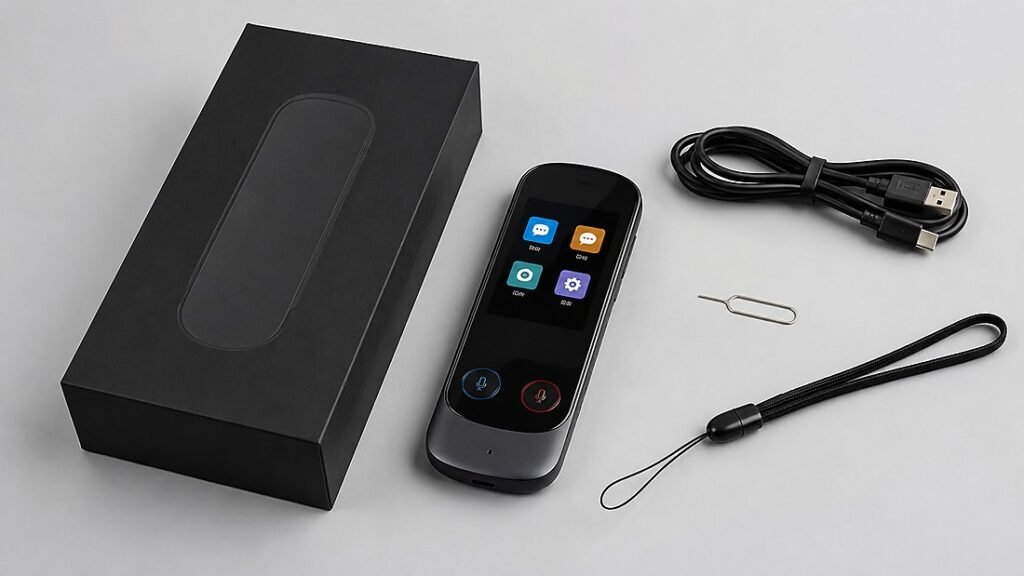
How to Choose the Best AI Translator for Education Technology in Southeast Asia: 7 Proven Supplier Selection Criteria
When sourcing an AI translator for education technology in Southeast Asia, education technology companies should evaluate suppliers on seven key criteria: language coverage and accuracy, device durability, connectivity, compliance with local regulations, OEM/ODM flexibility, quality control processes, and after-sales support. This guide provides a structured framework to help you select a reliable supplier that meets the specific needs of schools and universities across the region.
Table of Contents
Table of Contents
AI translator for education technology: Table of Contents
- Short Answer
- Key Takeaways
- Key Facts for Buyers
- Why AI Translators Matter for Education Technology in Southeast Asia
- 1. Language Coverage and Accuracy
- 2. Durability and Design for Classroom Use
- 3. Connectivity and Offline Capabilities
- 4. Compliance with Regional Certifications
- 5. OEM/ODM Flexibility and Customization
- 6. Quality Control and Testing Procedures
- 7. After-Sales Support and Warranty
- Comparison Table of Supplier Criteria
- Common Mistakes in Supplier Selection
- Practical Buyer Checklist
- FAQ
- Conclusion
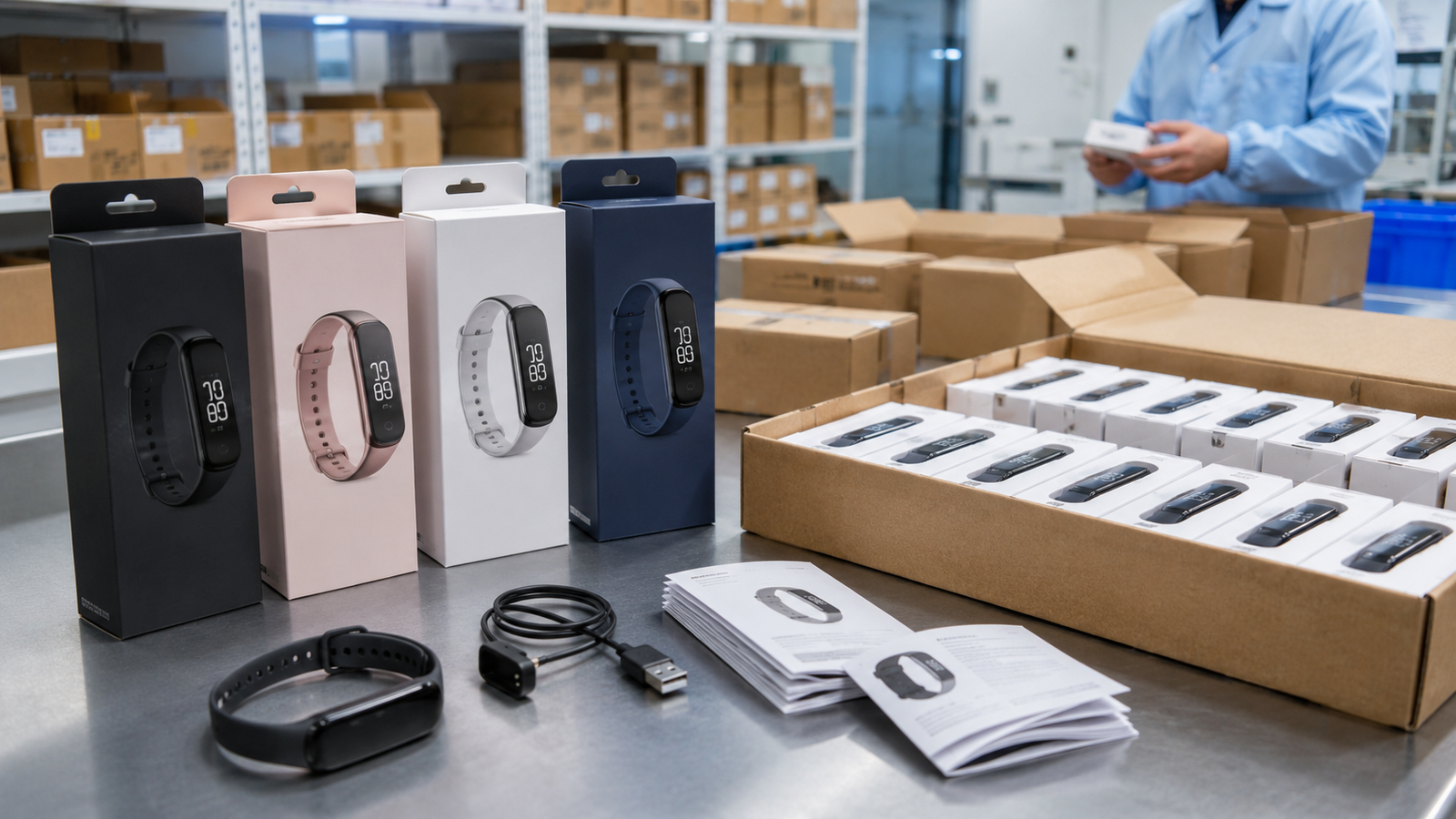
Short Answer
To select the best AI translator for education technology in Southeast Asia, focus on suppliers that offer wide language support, durable hardware, compliance with local certifications, flexible OEM/ODM options, and robust quality control. Prioritize those with proven experience in the education sector and strong after-sales support.
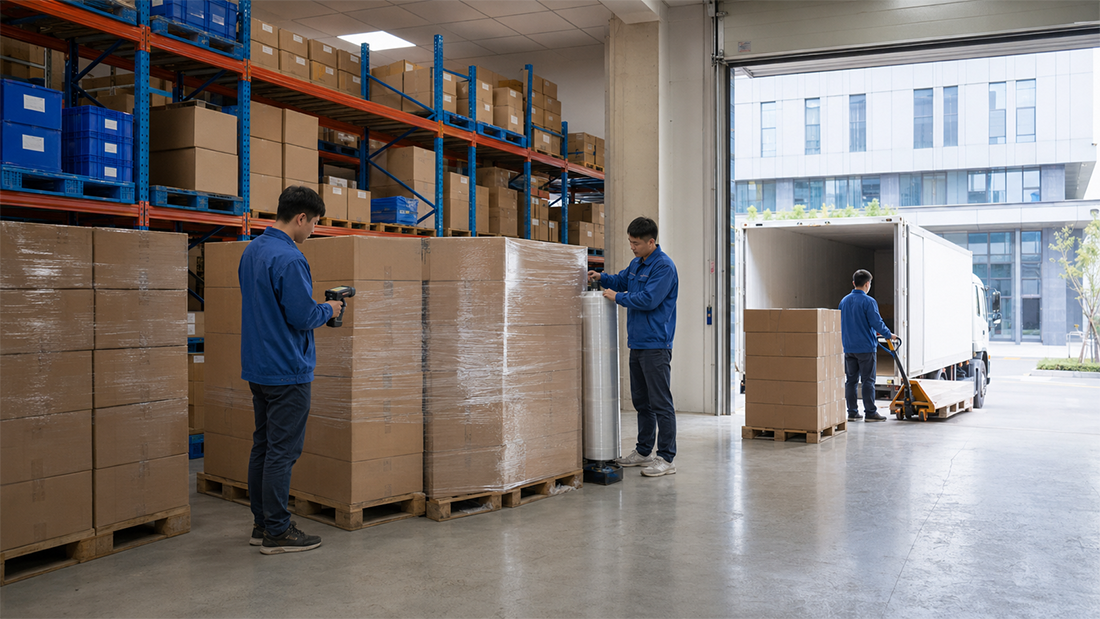
Key Takeaways
- Evaluate language coverage and accuracy to ensure devices meet diverse linguistic needs in Southeast Asia.
- Check for durability features like drop resistance and long battery life suitable for classroom environments.
- Verify compliance with local regulations, including CE, FCC, and country-specific requirements.
- Assess OEM/ODM capabilities to tailor devices to your brand and educational use cases.
- Implement a thorough quality control process, including pre-shipment inspections and testing.
- Confirm after-sales support, warranty terms, and availability of spare parts.
- Use a structured checklist to compare suppliers and avoid common pitfalls.
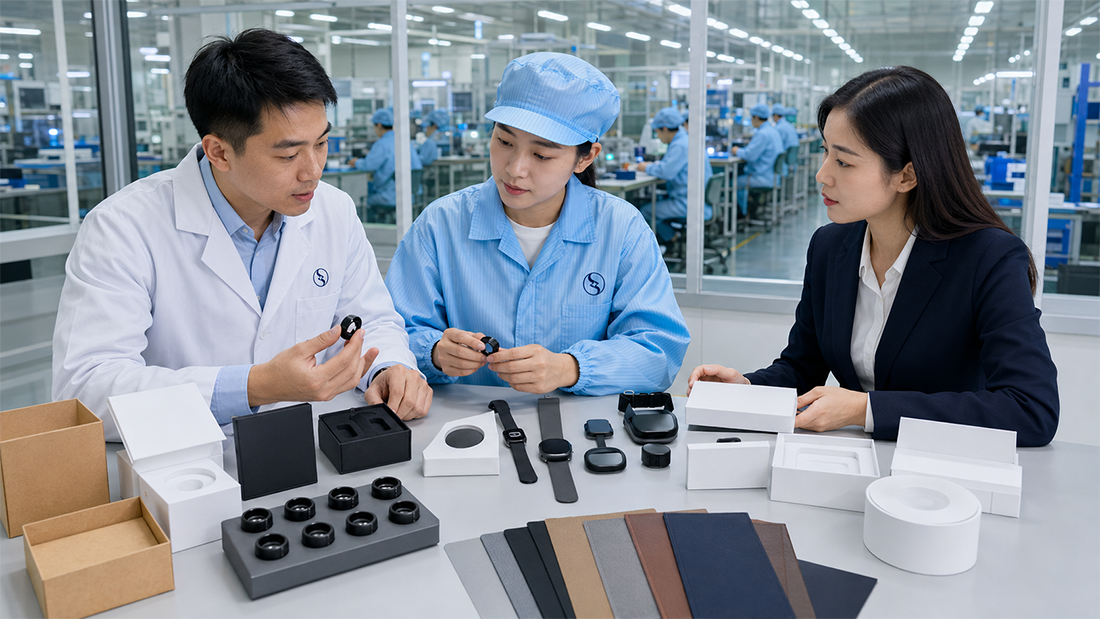
Key Facts for Buyers
| Factor | Consideration |
|---|---|
| Language coverage | Supports major Southeast Asian languages (e.g., Thai, Vietnamese, Indonesian, Malay) and global languages. |
| Durability | Look for IP-rated water resistance and drop-tested designs. |
| Connectivity | Wi-Fi, Bluetooth, and optional cellular; offline translation capability is beneficial. |
| Compliance | CE, FCC, RoHS, and local certifications as required by target countries. |
| OEM/ODM | Customizable firmware, app, logo, and packaging; minimum order quantities vary. |
| Quality control | Pre-shipment inspection, aging tests, and functional testing. |
| After-sales | Warranty period, spare parts availability, and technical support. |
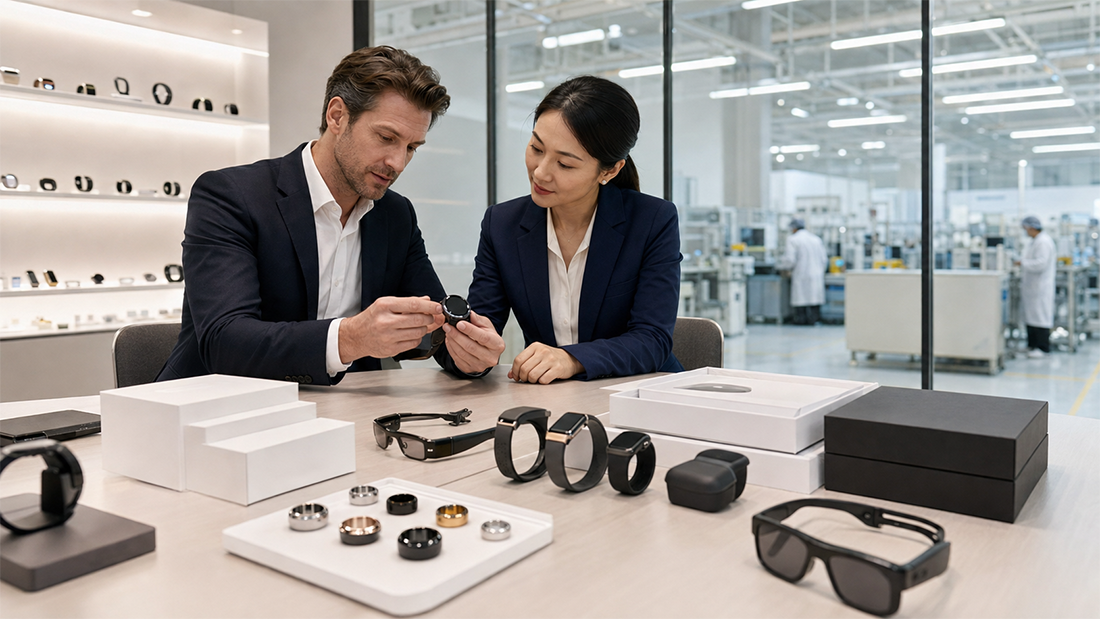
Why AI Translators Matter for Education Technology in Southeast Asia
Southeast Asia is a linguistically diverse region with hundreds of languages spoken across countries like Indonesia, Thailand, Vietnam, and the Philippines. Education technology companies seeking to deploy AI translators in schools and universities must ensure devices can handle multiple languages accurately. Moreover, classroom environments demand durable, easy-to-use devices that can withstand daily wear and tear. As the demand for multilingual education tools grows, selecting the right supplier becomes critical for edtech companies aiming to provide value to educational institutions.
1. Language Coverage and Accuracy
The primary function of an AI translator is to facilitate communication across languages. For education technology in Southeast Asia, the device must support major regional languages such as Thai, Vietnamese, Indonesian, Malay, and Filipino, in addition to global languages like English, Mandarin, and Spanish. Suppliers should provide detailed information on language pairs, translation accuracy, and any limitations. Consider whether the translation engine is cloud-based or on-device, as this affects speed and offline usability.
What to Ask Suppliers
- Which languages are supported, and what is the accuracy rate for each?
- Is there a process for adding new languages or updating existing ones?
- Can the device handle dialect variations common in Southeast Asia?
It’s advisable to request a demo unit to test translation accuracy in real classroom scenarios.
2. Durability and Design for Classroom Use
Classroom environments are demanding. Devices may be dropped, exposed to moisture, or used by students of various ages. Look for AI translators with rugged designs, such as IP54 or higher water and dust resistance, and drop-test certification. Battery life is also crucial; devices should last through a full school day without recharging. Additionally, consider the size and weight—devices should be portable and easy for students to handle.
Key Specifications to Check
- IP rating for water and dust resistance
- Drop test standards (e.g., MIL-STD-810G)
- Battery capacity and claimed usage time
- Screen size and durability (e.g., tempered glass)
Suppliers should provide test reports or certifications to back up durability claims.
3. Connectivity and Offline Capabilities
In Southeast Asia, internet connectivity can be inconsistent in rural or remote areas. An AI translator with offline translation capability ensures uninterrupted use. Check whether the device supports offline translation for key languages and how updates are handled. Connectivity options like Wi-Fi, Bluetooth, and optional cellular (4G/5G) add flexibility. Also, consider integration with learning management systems (LMS) or other educational software via APIs.
Questions for Suppliers
- Does the device offer offline translation? For which languages?
- What connectivity options are available?
- Is there an SDK or API for integration with existing edtech platforms?
For schools with limited IT infrastructure, offline functionality is a significant advantage.
4. Compliance with Regional Certifications
Compliance is non-negotiable when importing electronics into Southeast Asian countries. Common certifications include CE (for EU, but often accepted as a baseline), FCC (US), RoHS (hazardous substances), and country-specific marks like SIRIM in Malaysia, TISI in Thailand, and SNI in Indonesia. Additionally, if the device includes a battery, UN38.3 and MSDS documentation are required for shipping. Suppliers should provide valid certificates and test reports. Note that certification requirements vary by country and product configuration; buyers should verify with local authorities.
Certifications to Request
- CE, FCC, RoHS
- UN38.3, MSDS for batteries
- Local certifications as applicable
Ensure certificates are current and cover the exact model you plan to import.
5. OEM/ODM Flexibility and Customization
Education technology companies often require customization to align with their brand and specific educational needs. Evaluate the supplier’s OEM/ODM capabilities: Can they customize the firmware to include specific languages or features? Can they customize the app for your institution? Are logo and packaging customization available? Minimum order quantities (MOQs) and lead times are also critical, especially for pilot programs. Request sample development to test customization options before committing to mass production.
Customization Options to Explore
- Firmware and software customization
- App branding and features
- Logo and packaging design
- MOQ and lead time flexibility
Suppliers with strong OEM/ODM experience can be valuable partners in developing tailored solutions.
6. Quality Control and Testing Procedures
Robust quality control is essential to ensure reliability and reduce returns. Inquire about the supplier’s QC process: Do they conduct pre-shipment inspections, aging tests, and functional testing? Are there documented procedures for handling defects? Ask for sample inspection reports and consider third-party inspection services if needed. A supplier with ISO 9001 certification indicates a commitment to quality management.
QC Aspects to Verify
- Incoming material inspection
- In-process quality checks
- Final pre-shipment inspection
- Reliability testing (e.g., drop, vibration)
Consistent quality control minimizes after-sales issues and protects your brand reputation.
7. After-Sales Support and Warranty
Reliable after-sales support is crucial for maintaining device fleets in educational settings. Clarify the warranty period, what it covers, and how repairs or replacements are handled. Ask about the availability of spare parts and the process for firmware updates. A supplier with a local support presence in Southeast Asia or a clear RMA process can significantly reduce downtime.
Support Questions to Ask
- What is the warranty period and coverage?
- How are repairs or replacements processed?
- Are spare parts readily available?
- Is there a local support team or distributor?
Strong after-sales support ensures long-term satisfaction and reduces total cost of ownership.
Comparison Table of Supplier Criteria
| Criterion | What to Look For | Why It Matters |
|---|---|---|
| Language Coverage | Supports major Southeast Asian languages and global languages; high accuracy | Ensures effective communication in diverse classrooms |
| Durability | IP54+, drop-tested, long battery life | Withstands daily use by students |
| Connectivity | Wi-Fi, Bluetooth, offline translation, API/SDK | Adapts to varying network conditions and integrates with edtech platforms |
| Compliance | CE, FCC, RoHS, UN38.3, local certifications | Enables smooth customs clearance and legal sale |
| OEM/ODM | Custom firmware, app, logo, packaging; flexible MOQ | Tailors devices to your brand and market needs |
| Quality Control | Pre-shipment inspection, aging tests, ISO 9001 | Reduces defects and returns |
| After-Sales | Warranty, spare parts, local support | Minimizes downtime and maintains user satisfaction |
Common Mistakes in Supplier Selection
- Overlooking language accuracy: Failing to test translations in real scenarios can lead to poor user experience.
- Ignoring local certifications: Without proper certifications, devices may be confiscated at customs or banned from sale.
- Underestimating durability needs: Classroom devices endure heavy use; inadequate durability leads to high failure rates.
- Choosing on price alone: Low-cost devices often compromise on quality and support, costing more in the long run.
- Not verifying after-sales support: Lack of spare parts or repair services can render devices useless.
- Skipping sample testing: Ordering without evaluating samples risks mismatched expectations.
Practical Buyer Checklist
- ☐ Confirm language coverage and request accuracy data.
- ☐ Review durability specs and test reports.
- ☐ Verify connectivity features and offline capabilities.
- ☐ Obtain copies of required certifications (CE, FCC, RoHS, UN38.3, local).
- ☐ Discuss OEM/ODM customization options and MOQs.
- ☐ Assess quality control procedures and request inspection reports.
- ☐ Clarify warranty terms and after-sales support.
- ☐ Request samples for hands-on testing.
- ☐ Check references or case studies from education sector clients.
- ☐ Compare total landed cost, not just unit price.
Buyers can also review STAR KING AI Translators OEM/ODM options to compare product positioning, customization scope, and sample planning.
FAQ
What is the typical MOQ for AI translators from Chinese suppliers?
MOQs vary by supplier and customization level. For standard models, MOQs may range from 500 to 1,000 units. Custom OEM/ODM projects often require higher MOQs, such as 2,000 units or more. Some suppliers offer lower MOQs for trial orders but at a higher unit cost.
How can I ensure the AI translator meets local certification requirements in Southeast Asia?
Request the supplier to provide valid certificates for the target countries. For example, in Indonesia, SNI certification may be required; in Thailand, TISI. Suppliers experienced in exporting to Southeast Asia can guide you. Always verify with local authorities or a compliance consultant.
What is the typical lead time for AI translator orders?
Lead times depend on order quantity and customization. For standard products, lead time is often 30-45 days after order confirmation. Custom OEM/ODM projects may take 60-90 days, including sample development and tooling. Plan accordingly and confirm with the supplier.
Can I customize the AI translator’s firmware for specific educational content?
Many suppliers offer firmware customization to add languages, features, or integrations. Discuss your requirements with the supplier; they may charge a development fee and require a minimum order quantity. Ensure intellectual property terms are agreed upon.
What are the shipping considerations for AI translators with lithium batteries?
AI translators contain lithium batteries, which are classified as dangerous goods for transport. Suppliers must provide UN38.3 test reports and MSDS. Shipping methods (air, sea) have specific regulations. Work with a freight forwarder experienced in handling such products to ensure compliance.
How do I evaluate the quality of translation accuracy?
Request sample units and test them with common phrases and sentences in your target languages. Compare translations against known accurate sources. Also, ask the supplier for any accuracy benchmarks or third-party test results.
What after-sales support should I expect from a supplier?
A reliable supplier should offer a warranty (typically 1 year), spare parts availability, and technical support. Clarify the process for repairs or replacements and whether they have local support in Southeast Asia. Some suppliers provide online troubleshooting guides or firmware updates.
Conclusion
Selecting the right AI translator supplier for education technology in Southeast Asia requires careful evaluation of language capabilities, durability, compliance, OEM/ODM flexibility, quality control, and after-sales support. By following the seven criteria outlined in this guide and using the provided checklist, education technology companies can make informed decisions that enhance classroom communication and support multilingual education initiatives. Partnering with a reliable supplier not only ensures product quality but also contributes to long-term success in the region’s growing edtech market.
For education technology companies ready to explore AI translator solutions, STAR KING offers comprehensive OEM/ODM services tailored to your needs. Contact our sales team to discuss your project requirements, request samples, or obtain a quotation. We are committed to supporting your journey in delivering innovative multilingual education tools.
Useful Official References for Buyers
- FCC equipment authorization guidance
- European Commission CE marking information
- Bluetooth SIG specifications
Discuss Your Smart Wearable OEM/ODM Project
Planning a smart ring, smart watch, smart band, AI glasses, AI translator, or AI voice mouse project? Contact STAR KING to discuss product positioning, sample testing, customization scope, certification requirements, lead time, and quotation details.

Team Star King

Scan WhatsApp QR code
Leave a Reply