
AI Voice Mouse for Healthcare in the Middle East: 7 Essential Procurement Steps for 2026
November 22, 2026 · Team Star King
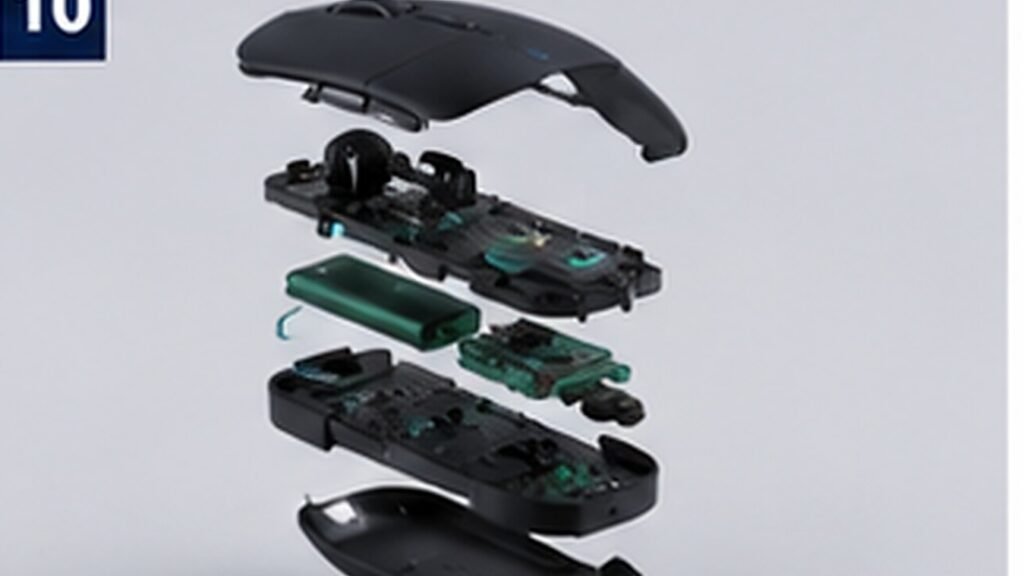
AI Voice Mouse for Healthcare in the Middle East: 7 Essential Procurement Steps for 2026
Procuring an AI voice mouse for healthcare in the Middle East requires more than selecting a device with speech recognition. Healthcare solution providers must verify Arabic language accuracy, data privacy controls, regional certification, and OEM flexibility before committing to a volume order. This guide outlines seven procurement steps—from defining clinical use cases to qualifying a manufacturer—so you can evaluate suppliers, compare specifications, and place a purchase order with confidence.
Table of Contents
Table of Contents
AI voice mouse for healthcare: Table of Contents
- Direct Answer
- Key Takeaways
- Key Facts for Buyers
- Step 1: Map Clinical Workflows and Language Pairs
- Step 2: Compare AI Voice Mouse Specifications
- Step 3: Evaluate Compliance and Certification for the Middle East
- Step 4: Decide Between OEM, ODM, and Private Label
- Step 5: Plan MOQ, Lead Times, and Landed Cost
- Step 6: Validate Samples with Real Healthcare Scenarios
- Step 7: Lock Quality Control, Warranty, and After-Sales Terms
- Common Mistakes and Buyer Red Flags
- Practical Buyer Checklist
- FAQ
- Conclusion

Direct Answer
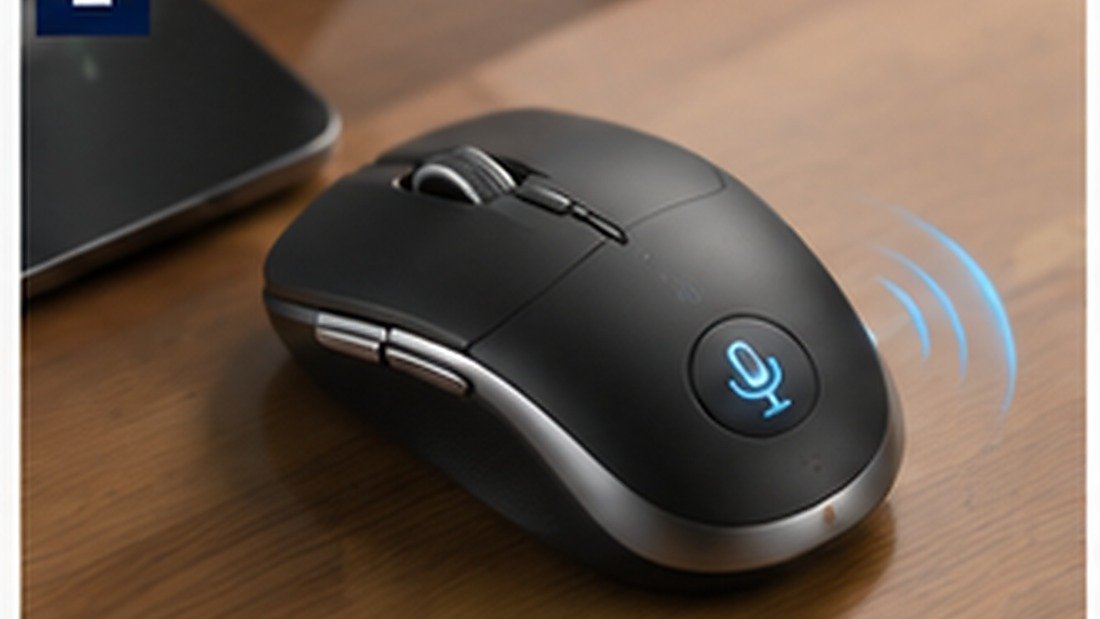
To buy an AI voice mouse for healthcare in the Middle East, prioritize Arabic speech recognition accuracy, local data privacy compliance, and regional certification. Select a manufacturer that supports OEM customization, provides documented testing, and offers clear MOQ and lead-time terms. Always validate samples in clinical workflows before committing to volume.
Key Takeaways
- Arabic language support and dialect handling are non-negotiable for Middle East healthcare deployments.
- Compliance with regional regulations (e.g., SFDA, CITC) and international standards (CE, FCC) may be required depending on the product configuration and destination market.
- OEM/ODM flexibility—logo, packaging, firmware, and app integration—affects both cost and time to market.
- MOQ and lead times vary by customization level; plan for 4–8 weeks for standard orders and longer for custom tooling.
- Sample testing should include real clinical dictation, noise conditions, and integration with existing EHR/EMR systems.
Key Facts for Buyers
| Factor | Typical Consideration |
|---|---|
| Languages supported | Arabic (MSA and dialects), English, French (varies by model) |
| Connectivity | USB-A/USB-C, Bluetooth, 2.4 GHz wireless |
| Compliance | CE, FCC, RoHS; regional certification depends on market |
| MOQ | Typically 500–1,000 units for standard models; higher for custom |
| Lead time | 4–6 weeks for standard; 8–12 weeks for OEM customization |
| Warranty | 12 months standard; extendable by agreement |
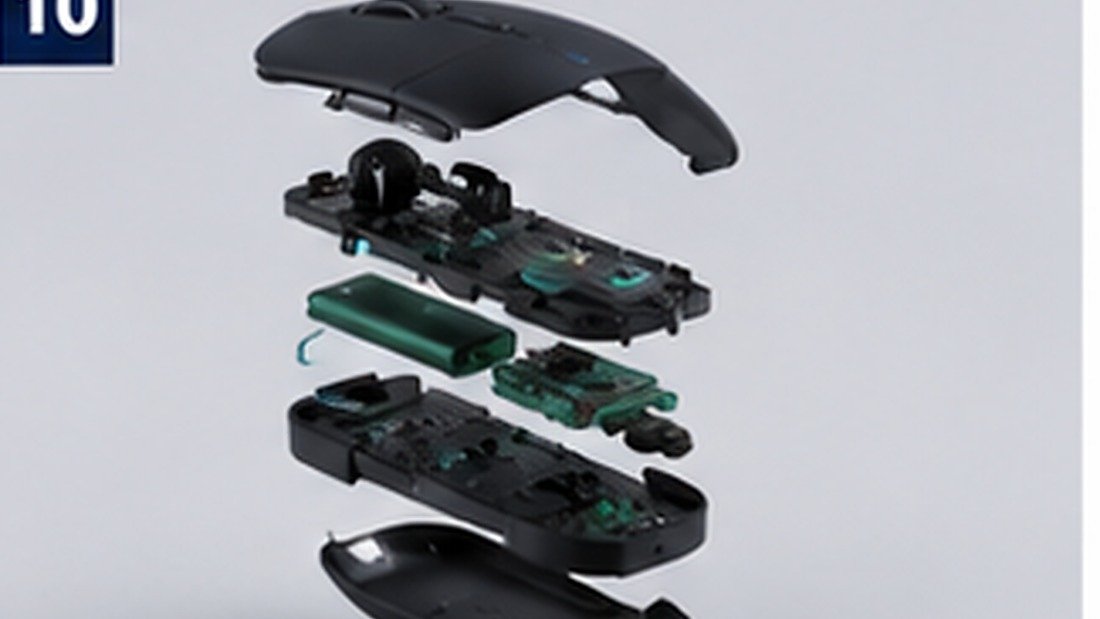
| Customization | Logo, packaging, firmware, app integration |
Step 1: Map Clinical Workflows and Language Pairs
Before evaluating any AI voice mouse for healthcare, define where and how it will be used. Healthcare solution providers in the Middle East often deploy voice input in three areas: clinical documentation (dictation into EHR/EMR), patient registration and triage, and hands-free control of imaging or diagnostic software.
Language requirements are critical. Arabic is the official language in most GCC countries, but dialects vary. Confirm whether the device supports Modern Standard Arabic (MSA) and regional dialects, and whether it can handle code-switching between Arabic and English—common in medical settings. Also consider accent variations among expatriate clinicians.
Document the required language pairs, expected accuracy thresholds, and integration points with existing systems. This information will guide your supplier discussions and sample testing.
Step 2: Compare AI Voice Mouse Specifications
Specifications directly affect usability and total cost of ownership. Use the comparison table below to evaluate models against your clinical requirements.
| Feature | Why It Matters for Healthcare | Typical Options |
|---|---|---|
| Speech recognition engine | Accuracy and latency for dictation | On-device vs. cloud-based; offline mode |
| Microphone array | Noise cancellation in clinical environments | Single vs. dual microphone; beamforming |
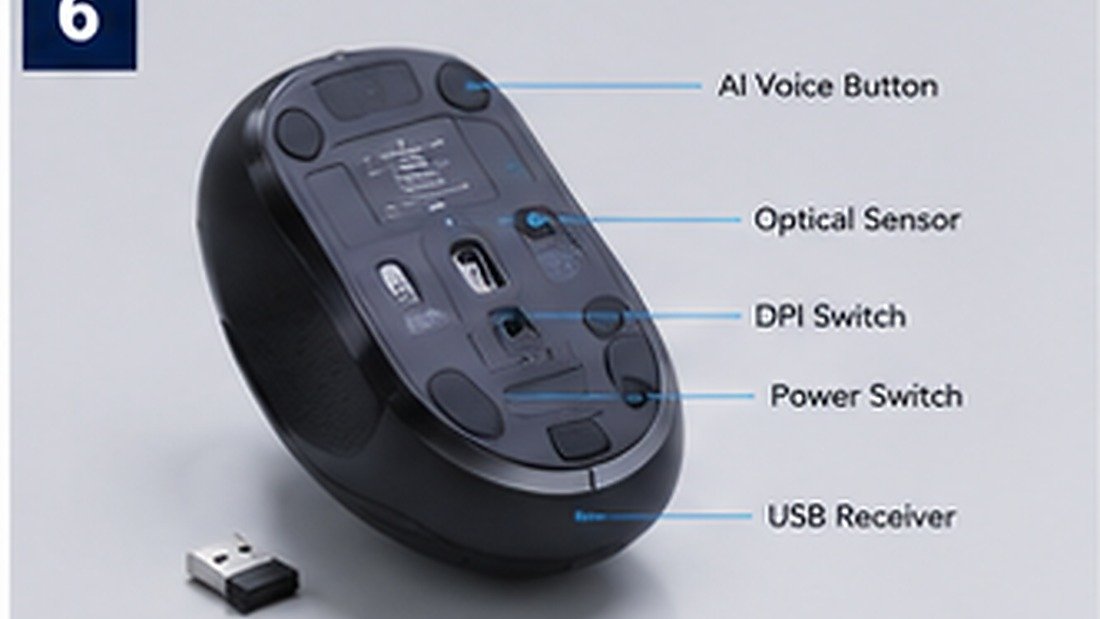
| Connectivity | Compatibility with hospital IT infrastructure | USB dongle, Bluetooth 5.0, USB-C |
| Battery life | Reliability during long shifts | Rechargeable; 10–30 days typical |
| Data privacy | Compliance with health data regulations | Local processing; encryption; no cloud storage |
| Compatibility | Integration with EHR/EMR and OS | Windows, macOS, Linux; API/SDK availability |
Request detailed datasheets and ask about firmware update policies. For healthcare, prioritize models with offline speech processing to reduce data transmission risks.
Step 3: Evaluate Compliance and Certification for the Middle East
Certification requirements for an AI voice mouse for healthcare depend on the product configuration and the destination market. In the Middle East, key considerations include:
- Radio/Telecom approval: Devices with wireless connectivity may require type approval from national telecom authorities, such as CITC in Saudi Arabia or TDRA in the UAE.
- Medical device regulation: If the mouse is marketed as part of a medical device or for clinical decision support, it may fall under regulations like SFDA in Saudi Arabia. Buyers should verify with local regulatory consultants.
- International standards: CE (EU), FCC (US), and RoHS are commonly requested by distributors, even when not strictly mandatory locally.
- Battery safety: Lithium-ion batteries may require UN38.3 test reports and MSDS for shipping.
Ask your supplier for copies of test reports and certificates. Verify that certificates cover the exact model and configuration you intend to import. Do not assume that a CE mark automatically satisfies Middle East requirements.
For reference on medical device regulations, consult the U.S. FDA medical device page and the Saudi Food and Drug Authority (SFDA) for regional guidance.
Step 4: Decide Between OEM, ODM, and Private Label
Your business model determines the right manufacturing approach:
- Private Label: Purchase a standard product with your logo and packaging. Lowest cost and fastest time to market, but limited differentiation.
- OEM: Customize an existing design to your specifications—logo, packaging, firmware, and possibly app integration. Moderate cost and lead time.
- ODM: Work with the manufacturer to develop a new product from concept. Highest cost and longest lead time, but full control over design and features.
For healthcare solution providers in the Middle East, OEM is often the sweet spot: you can add your brand and integrate with your software while avoiding the cost of new tooling. If you need a unique form factor or specialized features, consider ODM.
STAR KING offers Private Label OEM/ODM solutions for AI hardware, including customization of logo, packaging, and firmware.
Step 5: Plan MOQ, Lead Times, and Landed Cost
MOQ and lead times vary by supplier and customization level. For standard AI voice mouse models, MOQ typically ranges from 500 to 1,000 units. Custom packaging or logo printing may increase MOQ to 1,000–2,000 units. Full ODM projects often require higher volumes to amortize tooling costs.
Lead times: standard orders usually ship in 4–6 weeks after deposit; OEM customization may take 8–12 weeks. Add shipping time from China to the Middle East (typically 2–4 weeks by sea, 3–7 days by air) and customs clearance.
Calculate landed cost by adding product cost, freight, insurance, duties, and taxes. Middle East countries have varying import duties and VAT (e.g., 5% VAT in UAE, 15% in Saudi Arabia). Work with a freight forwarder to get accurate estimates.
Step 6: Validate Samples with Real Healthcare Scenarios
Always test samples before placing a bulk order. For an AI voice mouse for healthcare, your testing protocol should include:
- Arabic and English dictation accuracy with medical terminology.
- Performance in noisy environments (e.g., emergency department, busy clinic).
- Integration with your software or EHR system via API/SDK.
- Battery life under typical clinical use.
- Durability and ergonomics for long shifts.
- Data privacy: confirm that voice data is processed locally or securely transmitted.
Document results and compare against your requirements. Request a small pilot order (e.g., 50–100 units) for field testing if feasible.
Step 7: Lock Quality Control, Warranty, and After-Sales Terms
Quality control is essential for healthcare deployments where device failure can disrupt patient care. Ask your supplier about:
- Incoming component inspection and in-process quality checks.
- Functional testing and aging tests.
- Pre-shipment inspection (PSI) and acceptable quality limit (AQL) levels.
- Packaging and drop testing.
Warranty terms should be clearly defined in the contract, including duration (typically 12 months), what is covered, and the process for returns/repairs. Clarify spare parts availability and whether the supplier can provide technical support to your team or end-users.
For complex integrations, negotiate a service-level agreement (SLA) for firmware updates and bug fixes.
If you need help defining specifications or reviewing samples, request a consultation with STAR KING to discuss your healthcare AI voice mouse project.
Common Mistakes and Buyer Red Flags
Avoid these pitfalls when sourcing an AI voice mouse for healthcare in the Middle East:
- Assuming language support without testing: Arabic dialect handling varies; always test with native speakers.
- Overlooking data privacy: Cloud processing may violate local health data laws; prefer on-device processing.
- Ignoring regional certification: A CE mark is not a substitute for local type approval.
- Underestimating MOQ and lead times: Customization increases both; plan accordingly.
- Skipping sample testing: Pilots reveal issues that datasheets hide.
- Choosing a supplier without OEM experience: Healthcare requires documentation and traceability.
- Red flag: Suppliers who cannot provide test reports or refuse factory audits.
Practical Buyer Checklist
Use this checklist to evaluate potential suppliers for your AI voice mouse procurement:
| Item | Yes/No |
|---|---|
| Supplier provides Arabic language support documentation | |
| Device offers offline speech processing option | |
| Certification reports (CE, FCC, RoHS) available for review | |
| Regional certification guidance provided | |
| OEM/ODM capabilities confirmed (logo, packaging, firmware) | |
| MOQ and lead time clearly quoted | |
| Sample testing policy in place | |
| Quality control process documented | |
| Warranty and after-sales terms specified | |
| Factory audit or virtual tour available |
Buyers can also review STAR KING AI Voice Mouse OEM/ODM options to compare product positioning, customization scope, and sample planning.
FAQ
What should a healthcare solution provider verify before buying an AI voice mouse for the Middle East?
Verify Arabic language accuracy, local data privacy compliance, regional certification (e.g., CITC, SFDA), and the supplier’s OEM capabilities. Always test samples in your clinical workflow.
Does an AI voice mouse require medical device certification?
It depends on how the device is marketed and used. If it is part of a medical device or used for clinical decision support, it may require medical device registration. Consult local regulatory authorities.
What is the typical MOQ for an OEM AI voice mouse?
MOQ typically ranges from 500 to 1,000 units for standard models, and 1,000–2,000 units for custom packaging or logo. Full ODM projects may require higher volumes.
Can the AI voice mouse integrate with our EHR/EMR system?
Many models offer API or SDK access for integration. Confirm with the supplier and test during the sample phase.
What are the shipping considerations for lithium battery-powered devices?
Lithium-ion batteries require UN38.3 test reports and MSDS for air/sea shipping. Ensure your supplier provides these documents.
How long does it take to receive samples?
Sample lead time is typically 1–2 weeks, depending on customization. Shipping to the Middle East takes an additional 3–7 days by air.
What warranty is standard for AI voice mice?
12 months is common. Negotiate extended warranty and spare parts availability based on your deployment size.
Conclusion
Procuring an AI voice mouse for healthcare in the Middle East requires careful evaluation of language support, compliance, customization, and quality control. By following these seven steps, healthcare solution providers can select a reliable supplier and minimize procurement risks. STAR KING supports buyers with OEM/ODM customization and documented quality processes for AI hardware.
Ready to move forward? Request a quotation for your AI voice mouse project, or discuss your OEM/ODM requirements with our team. We can provide sample units for validation and help you plan MOQ and lead times.
Discuss Your Smart Wearable OEM/ODM Project
Planning a smart ring, smart watch, smart band, AI glasses, AI translator, or AI voice mouse project? Contact STAR KING to discuss product positioning, sample testing, customization scope, certification requirements, lead time, and quotation details.

Team Star King

Scan WhatsApp QR code
Leave a Reply