
AI Translators for System Integrators: 6 Steps to Source for Southeast Asia
November 22, 2026 · Team Star King
AI Translators for System Integrators: 6 Steps to Source for Southeast Asia
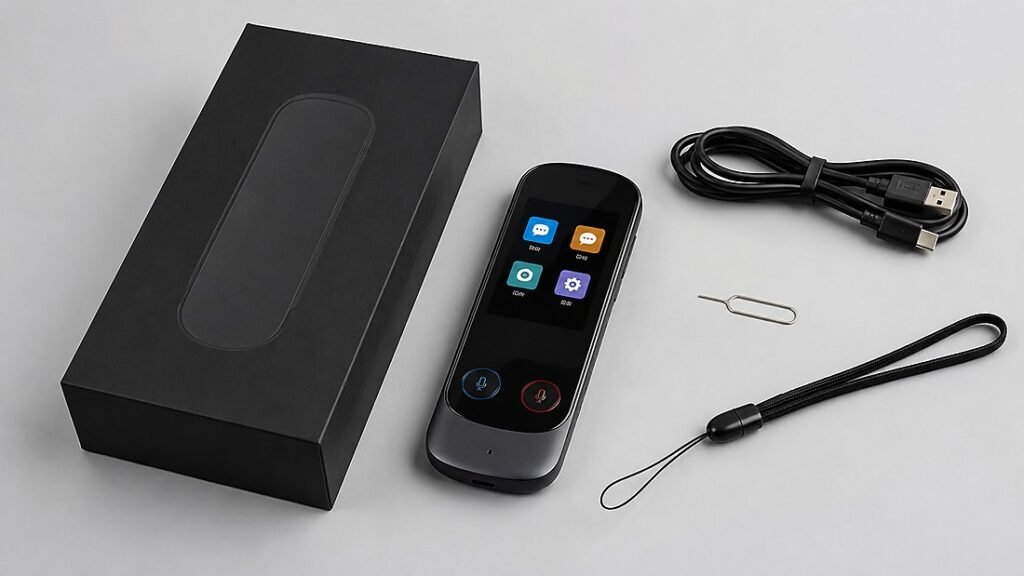
For system integrators in Southeast Asia, choosing the right AI translator can make or break a multilingual deployment. Whether you are equipping a hospitality chain, a government service desk, or a corporate training center, the devices must deliver accurate real-time translation, integrate with existing systems, and comply with local regulations. This guide walks you through six critical steps to source AI translators that meet your project requirements, from defining use cases to negotiating with manufacturers. You will learn how to evaluate specifications, explore OEM options, plan MOQ and pricing, verify quality and compliance, and coordinate logistics for the region.
Table of Contents
Table of Contents
AI translators for system integrators: Table of Contents
- Short Answer: What should system integrators know?
- Key Takeaways
- 1. Define Your Use Case and Language Requirements
- 2. Evaluate Product Specifications and Integration Capabilities
- 3. Choose Between Off-the-Shelf, OEM, or ODM
- 4. Understand MOQ, Pricing, and Lead Times
- 5. Ensure Quality Control and Certification Compliance
- 6. Plan Logistics and After-Sales Support
- Key Facts for Buyers
- Comparison Table: Off-the-Shelf vs. OEM vs. ODM
- Common Mistakes and Buyer Red Flags
- Buyer Checklist
- FAQ
- Conclusion
Short Answer: What should system integrators know?
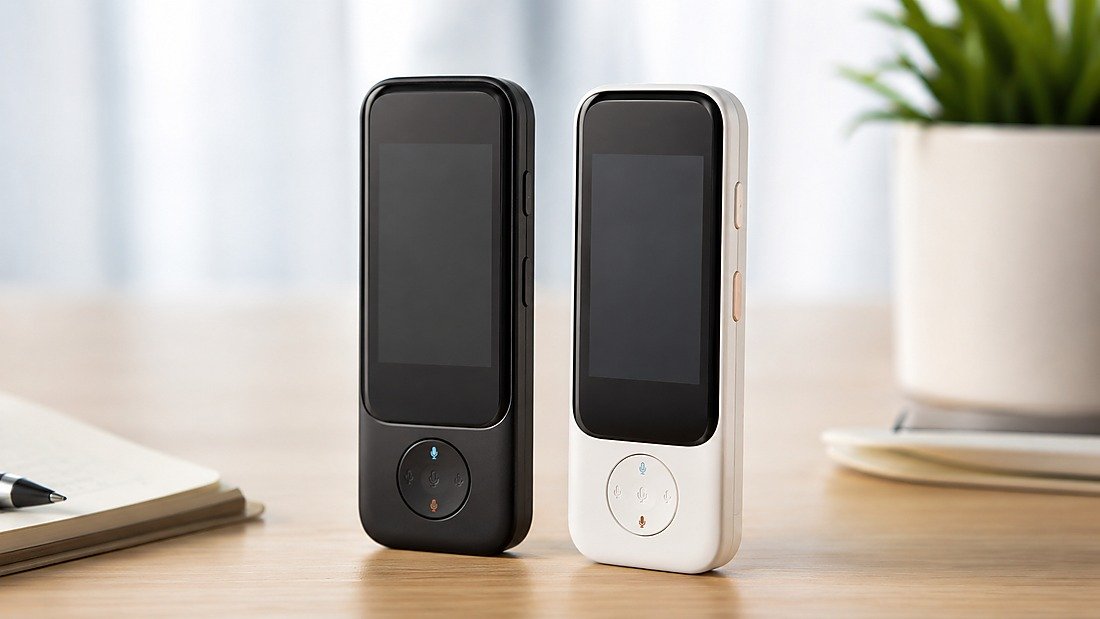
System integrators sourcing AI translators for Southeast Asia should prioritize devices that support relevant local languages, offer robust APIs for integration, and come from manufacturers that can provide customization, certification support, and reliable after-sales service. Focus on total cost of ownership, not just unit price, and always validate sample performance and compliance before committing to volume orders.
Key Takeaways
- Define language and integration requirements early; Southeast Asia’s linguistic diversity demands careful selection.
- Evaluate both hardware specifications and software capabilities, including API availability.
- OEM and ODM options allow you to tailor devices to your brand and project needs, but require clear communication of requirements.
- MOQ and lead times vary by customization level; plan for buffer stock and certification timelines.
- Quality control and compliance with local regulations are non-negotiable; request test reports and certificates.
- Logistics for lithium-battery devices require special handling; understand shipping terms and after-sales support.
1. Define Your Use Case and Language Requirements
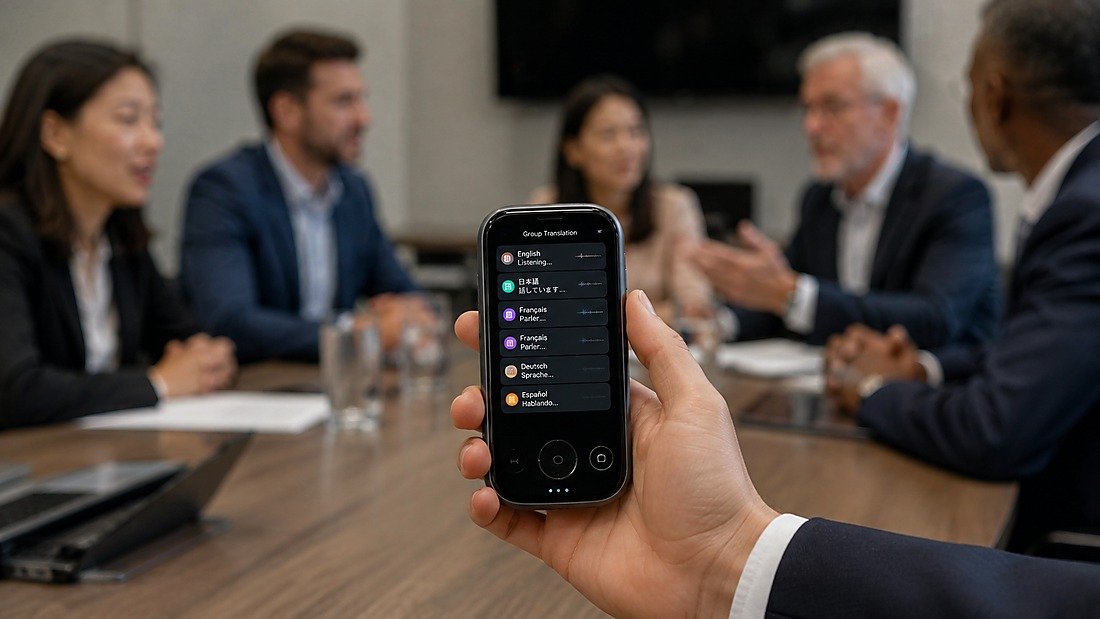
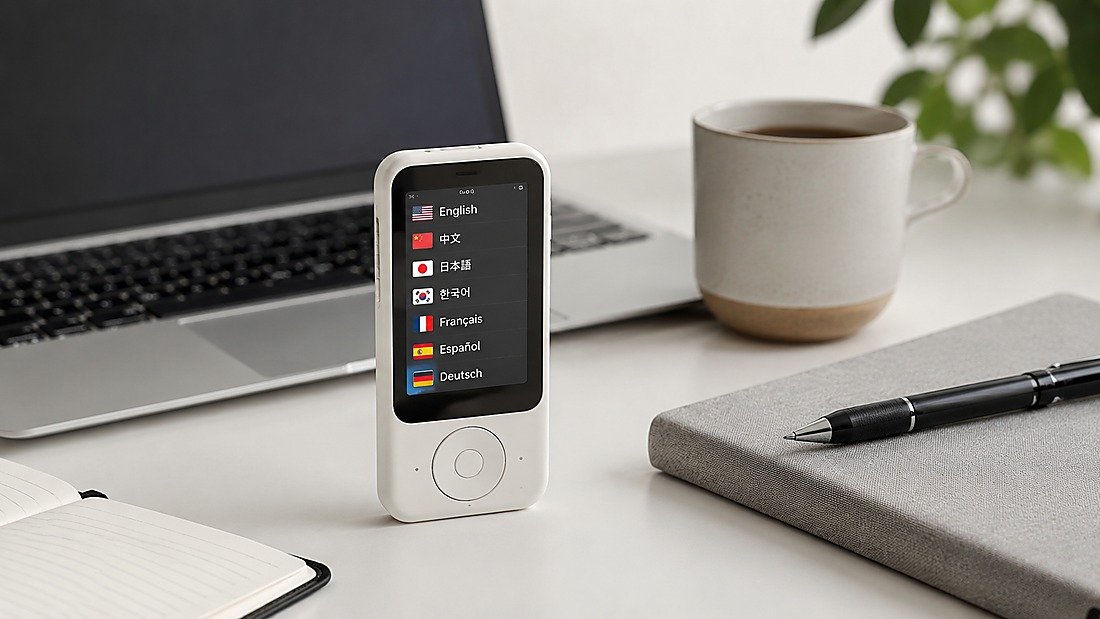
Before contacting suppliers, map out exactly where and how the AI translators will be used. In Southeast Asia, language needs vary widely: Indonesia requires Bahasa Indonesia, Thailand needs Thai, Vietnam needs Vietnamese, and the Philippines has a mix of Filipino and English. Additionally, many business and government contexts require English as a lingua franca. Your devices should support at least the primary languages of your target markets, with high accuracy in noisy environments.
Consider the physical setting: will devices be used at reception desks, in meeting rooms, or on the move? This affects requirements for form factor, battery life, microphone quality, and connectivity (Wi-Fi, cellular, or offline). Also, think about integration with existing systems—do you need APIs to connect to booking systems, CRMs, or translation management platforms? Document these needs to guide your supplier discussions.
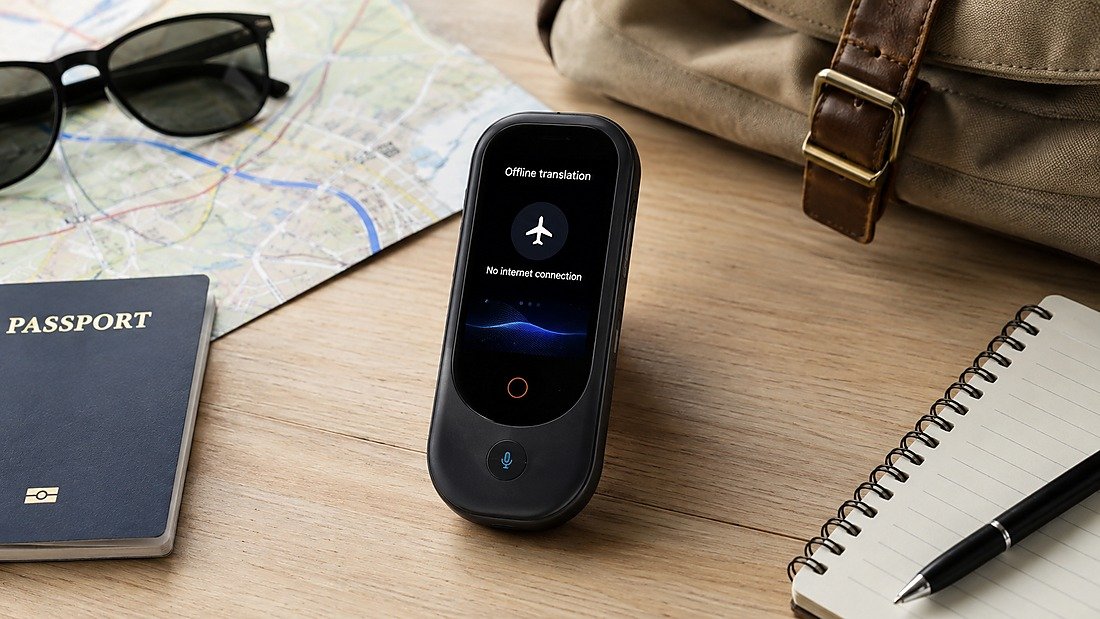
2. Evaluate Product Specifications and Integration Capabilities
When reviewing AI translators, look beyond basic translation features. Key specifications include:
- Language coverage and accuracy: Number of supported languages and offline capabilities.
- Microphone and speaker quality: Critical for clear voice pickup and playback in various environments.
- Battery life: Should match your deployment scenarios; consider if devices are used all day.
- Connectivity: Wi-Fi, Bluetooth, or cellular options; some devices may offer offline translation via preloaded models.
- Integration: Availability of APIs or SDKs for custom integration with your software stack.
- Durability: For public-facing devices, consider drop resistance and waterproof ratings.
Request detailed datasheets and, if possible, evaluation units to test performance with your specific language pairs and in realistic noise conditions.
3. Choose Between Off-the-Shelf, OEM, or ODM
Your choice depends on how much customization you need and your volume. Off-the-shelf devices are ready to deploy but may lack specific features or branding. OEM (Original Equipment Manufacturer) allows you to customize hardware and software components, such as logo, packaging, and certain functionalities, while leveraging the manufacturer’s existing design. ODM (Original Design Manufacturer) provides a full turnkey solution where the manufacturer designs and produces a device to your specifications, ideal for unique requirements but typically requiring higher MOQs and longer development times.
For system integrators, OEM is often a sweet spot: you can add your branding and tweak software integrations without bearing the full cost of new tooling. However, if you need a completely unique form factor or specialized features, ODM may be necessary. Discuss your needs with potential suppliers and ask for their capabilities and past experience.
STAR KING offers private label and OEM/ODM solutions for AI translators, allowing you to customize logo, packaging, and firmware to align with your project requirements. Their team can guide you through the options.
4. Understand MOQ, Pricing, and Lead Times
MOQ (Minimum Order Quantity) and pricing are critical factors in your RFQ. MOQs for AI translators vary widely based on customization: off-the-shelf orders might start at 100 units, while OEM orders could require 500–1,000 units, and ODM projects may demand 2,000+ units. Pricing is influenced by hardware specs, customization level, order volume, and certification requirements. Always request a detailed quotation that breaks down costs, including tooling (if applicable), certification, and packaging.
Lead times typically range from 4–6 weeks for off-the-shelf, 8–12 weeks for OEM, and 12–20 weeks for ODM, depending on complexity. Factor in additional time for certification and shipping. Plan your procurement timeline with buffer to avoid project delays. For specific MOQ and lead time details from STAR KING, please request a quotation.
5. Ensure Quality Control and Certification Compliance
Quality and compliance are non-negotiable. Ask suppliers about their quality control processes: do they conduct pre-shipment inspections, aging tests, and drop tests? Request samples from production runs, not just prototypes, to assess consistency. For AI translators, test translation accuracy across multiple languages and accents, battery performance, and connectivity stability.
Certification requirements depend on your target markets. In Southeast Asia, common certifications include CE (for EU-bound devices), FCC (if shipping to the US), and local standards such as Indonesia’s SDPPI for telecom devices, Thailand’s TISI, and Vietnam’s MIC. Additionally, lithium-ion batteries require UN38.3 certification for air transport. Always verify that the manufacturer can provide necessary certificates and test reports. STAR KING’s compliance team can assist with documentation for your target markets [STAR KING TO CONFIRM specific certifications].
6. Plan Logistics and After-Sales Support
Shipping AI translators with lithium batteries requires compliance with IATA regulations. Work with suppliers who have experience in international logistics and can handle proper packaging and documentation. For Southeast Asia, consider sea freight for bulk orders to reduce costs, though air freight may be necessary for urgent deployments. Understand Incoterms (e.g., FOB, CIF, DDP) and who bears responsibility for customs clearance and duties.
After-sales support is equally important. Clarify warranty terms, repair/replacement procedures, and availability of spare parts. For system integrators, a supplier who offers technical support and firmware updates can be a valuable partner. Ask about their RMA process and typical turnaround times.
Soft CTA: If you are evaluating AI translators for an upcoming integration project, STAR KING’s team can provide technical specifications and sample units for your testing. Discuss your requirements.
Key Facts for Buyers
| Factor | Considerations for System Integrators |
|---|---|
| Language support | Must include major Southeast Asian languages and English; offline capability may be needed. |
| Integration | API/SDK availability for connection to existing systems. |
| Customization | OEM/ODM options for branding, packaging, and features. |
| MOQ | Typically 100–1,000 units for OEM; higher for ODM. |
| Certification | CE, FCC, UN38.3, and local standards as required. |
| Lead time | 4–20 weeks depending on customization; plan buffer. |
| After-sales | Warranty, spare parts, and technical support. |
Comparison Table: Off-the-Shelf vs. OEM vs. ODM
| Model | Customization Level | MOQ | Lead Time | Best For |
|---|---|---|---|---|
| Off-the-Shelf | None (branding may be possible) | Low (e.g., 100) | 4–6 weeks | Quick deployment, standard needs |
| OEM | Logo, packaging, firmware tweaks | Medium (e.g., 500) | 8–12 weeks | Branding and minor customization |
| ODM | Full design and development | High (e.g., 2,000) | 12–20 weeks | Unique requirements, large volumes |
Common Mistakes and Buyer Red Flags
- Ignoring language accuracy: Test with your specific languages and accents; don’t rely on generic demos.
- Underestimating certification needs: Verify that the supplier can provide required certificates; otherwise, your devices may be held at customs.
- Skipping sample validation: Always test production samples, not just prototypes.
- Overlooking after-sales: A cheap device with poor support can cost more in the long run.
- Red flag: Supplier cannot provide test reports or certificates.
- Red flag: Unwillingness to discuss customization or integration details.
- Red flag: Vague answers on MOQ and lead time.
Buyer Checklist
- Define language and integration requirements.
- Request datasheets and API documentation.
- Clarify customization options (OEM/ODM).
- Confirm MOQ, pricing, and lead times.
- Ask for certification documents (CE, FCC, UN38.3, local).
- Order samples and test performance.
- Review warranty and after-sales terms.
- Plan logistics and Incoterms.
- Verify supplier references and factory capabilities.
Buyers can also review STAR KING AI Translators OEM/ODM options to compare product positioning, customization scope, and sample planning.
FAQ
1. What languages should an AI translator support for Southeast Asia?
At minimum, support the primary languages of your target countries: Bahasa Indonesia, Thai, Vietnamese, Filipino, and English. For broader coverage, consider Malay, Khmer, and Burmese.
2. Can I integrate AI translators with my existing software?
Yes, many manufacturers offer APIs or SDKs. Discuss your integration needs early; some may require firmware customization.
3. What certifications are required for AI translators in Southeast Asia?
Requirements vary by country. Common certifications include CE (for EU), FCC (for US), and local telecom standards like SDPPI (Indonesia), TISI (Thailand), and MIC (Vietnam). Lithium batteries require UN38.3 for transport.
4. What is the typical MOQ for OEM AI translators?
MOQs vary; OEM orders often start at 500 units, but this depends on customization level and supplier. Always confirm with your chosen manufacturer.
5. How long does shipping take to Southeast Asia?
Sea freight typically takes 2–4 weeks from China to major Southeast Asian ports, while air freight takes 3–7 days. Factor in customs clearance time.
6. Can I get samples before placing a bulk order?
Yes, most suppliers provide samples for evaluation, usually at a cost. Request samples from production runs to assess quality.
7. What after-sales support should I expect?
Look for a warranty of at least one year, availability of spare parts, and technical support. Clarify the RMA process and response times.
Conclusion
Sourcing AI translators for system integration projects in Southeast Asia requires a structured approach. By following these six steps, you can select devices that meet your language, integration, and compliance needs while managing costs and timelines. Remember to validate samples, confirm certifications, and partner with a manufacturer that supports your customization and after-sales requirements. With careful planning, you can deploy reliable multilingual communication solutions that enhance your projects.
STAR KING CTA
Ready to move forward with your AI translator procurement? STAR KING offers customizable AI translators with OEM/ODM options, certification support, and reliable logistics. Request a quotation or discuss your OEM/ODM project with our team today.
Useful Official References for Buyers
- FCC equipment authorization guidance
- European Commission CE marking information
- Bluetooth SIG specifications
Discuss Your Smart Wearable OEM/ODM Project
Planning a smart ring, smart watch, smart band, AI glasses, AI translator, or AI voice mouse project? Contact STAR KING to discuss product positioning, sample testing, customization scope, certification requirements, lead time, and quotation details.

Team Star King

Scan WhatsApp QR code
Leave a Reply