
AI voice mouse sourcing: 7 Critical Checks for Sourcing AI Voice Mice from China for Middle East EdTech Buyers in 2026
October 23, 2026 · Team Star King
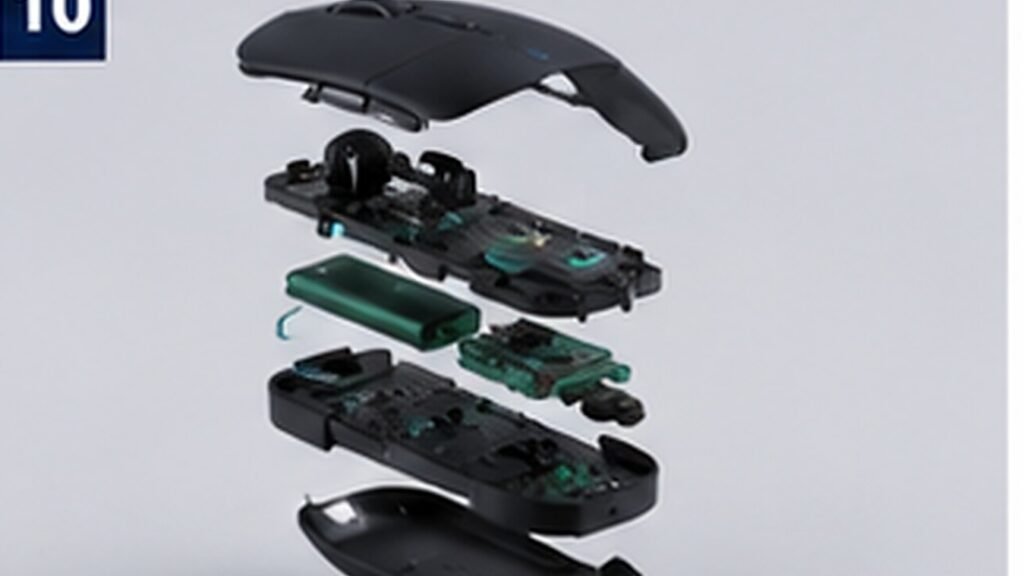
7 Critical Checks for Sourcing AI Voice Mouse from China for Middle East EdTech Buyers in 2026
If you are an EdTech buyer in the Middle East preparing an RFQ for classroom hardware, AI voice mouse sourcing comes down to seven verifiable checks: language coverage, firmware and app localization, MOQ and landed cost, sample validation, compliance for your destination market, battery and shipping documentation, and after-sales support. This guide explains each check, what to request from suppliers, and how to compare quotes without relying on marketing claims.
Table of Contents
Table of Contents
AI voice mouse sourcing: Table of Contents
- Short Answer: What Middle East EdTech Buyers Should Know
- Key Takeaways
- Key Facts for Buyers
- 1. Define the Classroom Use Case Before You Request Quotes
- 2. Verify Arabic and Multilingual Voice Quality
- 3. Confirm Firmware, App, and OTA Ownership
- 4. Model MOQ, Tooling, and Landed Cost
- 5. Validate Samples Against a Written Test Plan
- 6. Check Compliance and Battery Documentation for Your Market
- 7. Lock Down Packaging, Warranty, and Spare Parts
- Comparison Table: Entry-Level vs. Custom AI Voice Mouse Programs
- Common Mistakes and Buyer Red Flags
- Practical Buyer Checklist
- FAQ
- Conclusion
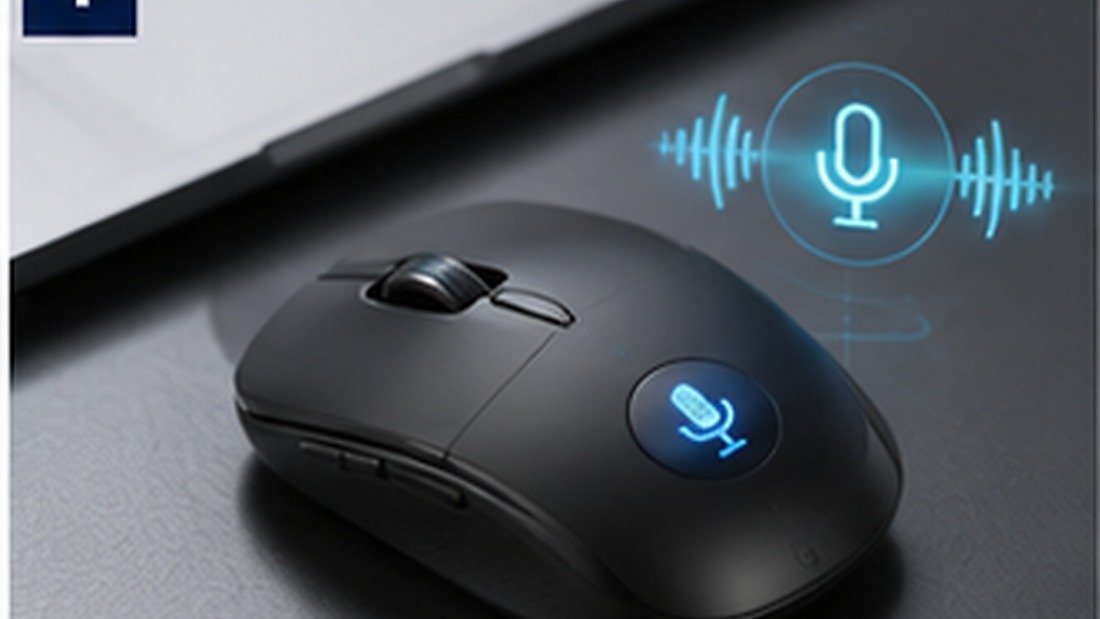
Short Answer
For Middle East EdTech deployments, the safest approach to AI voice mouse sourcing is to shortlist suppliers that can demonstrate Arabic voice accuracy on your own test scripts, provide firmware/OTA documentation, quote MOQ and tooling transparently, and supply compliance files that match your destination country. Request samples, a written test plan, and a compliance document list before signing an RFQ response.
Key Takeaways
- Voice accuracy in Arabic and mixed-language classroom use is the single most important technical differentiator; test it with your own scripts.
- Firmware and app ownership determine whether you can localize, update, and protect your brand after launch.
- MOQ, tooling, and certification costs usually drive landed cost more than unit price.
- Battery shipping documentation (UN38.3, MSDS) is non-negotiable for air freight into the Middle East.
- Certification requirements vary by country and product configuration; verify before you commit to a PO.
Key Facts for Buyers
| Decision Area | What to Request from Supplier | Why It Matters for Middle East EdTech |
|---|---|---|
| Language coverage | Demo unit, language list, accuracy test report | Arabic and mixed-language dictation are core classroom requirements |
| Firmware/App | OTA capability, SDK/API docs, ownership clause | Enables localization and long-term updates |
| MOQ & Tooling | MOQ per SKU, tooling cost, amortization terms | Drives landed cost and cash flow |
| Samples | Pre-production samples, test plan, test report | Validates voice, build, and battery life |
| Compliance | CE/FCC/RoHS/UN38.3/MSDS as applicable | Customs clearance and tenders may require specific files |
| Packaging | Private label artwork, manual localization | Brand consistency and tender compliance |
| After-sales | Warranty terms, spare parts, RMA process | Reduces total cost of ownership |
1. Define the Classroom Use Case Before You Request Quotes
AI voice mouse sourcing fails most often when buyers issue an RFQ before defining the classroom scenario. A voice-enabled mouse used for student dictation, teacher presentation control, and accessibility support has different requirements from one used in a computer lab for exam prep. Before contacting suppliers, write down: number of devices per site, language mix (Arabic, English, French, Urdu, Farsi), operating systems (Windows, macOS, ChromeOS), connectivity (USB-A, USB-C, Bluetooth), and whether the device must work offline.
This use-case brief becomes the backbone of your RFQ. It also helps you compare quotes fairly, because suppliers will otherwise propose different configurations. For education buyers, the Business & Education solutions page shows how AI input devices fit into classroom and training environments.
What to include in the use-case brief
- Device count and rollout timeline per country.
- Required languages and dialect preferences.
- Operating systems and software platforms used by schools.
- Whether voice processing must be on-device or can use cloud services.
- Any tender or ministry procurement requirements.
2. Verify Arabic and Multilingual Voice Quality
Voice quality is the hardest specification to assess from a spec sheet. Ask suppliers to provide a live demo or sample unit and run your own test scripts. Include common classroom phrases, subject-specific vocabulary (math, science, history), and code-switching between Arabic and English. Record accuracy rates and note latency.
For Middle East deployments, confirm whether the device supports Modern Standard Arabic and relevant dialects, and how the supplier handles language packs. Some AI voice mouse platforms rely on cloud speech engines; others use on-device models. Each has trade-offs in accuracy, privacy, and connectivity requirements. The AI Voice Mouse product page is a useful starting point to review baseline capabilities before you build a custom requirement list.
How to structure a voice test
- Prepare 50–100 phrases in each target language.
- Test in a quiet room and a noisy classroom simulation.
- Record accuracy, latency, and correction effort.
- Repeat with different speakers and accents.
If your program requires private-label branding or custom language packs, discuss Private Label OEM/ODM options early, because language support may affect firmware scope and MOQ.
3. Confirm Firmware, App, and OTA Ownership
EdTech buyers often need to update voice models, add languages, or integrate with learning management systems. Ask whether the supplier provides firmware customization, OTA update capability, and documented APIs or SDKs. Clarify ownership of custom firmware, app code, and voice data. For tenders, you may need the right to audit or receive source code escrow; if so, negotiate this before tooling begins.
Also confirm data privacy practices. Voice data may be processed on-device or in the cloud, and schools may require data residency or no-data-retention guarantees. The supplier should be able to describe its data flow in writing.
4. Model MOQ, Tooling, and Landed Cost
Unit price is only one part of landed cost. For AI voice mouse sourcing, model the following: MOQ per SKU and per language version, tooling or mold costs, certification testing fees, packaging setup, freight, duties, and VAT. Middle East markets have different import duties and VAT rates; confirm with your freight forwarder.
Request a cost breakdown that separates one-time costs (tooling, certification, packaging plates) from per-unit costs. Ask how tooling ownership and amortization work if volumes change. For startup brands and pilot programs, ask whether the supplier offers staged MOQs or sample-based validation before mass production.
Cost items to request in the RFQ response
- Unit price at 500, 1,000, and 5,000 units.
- Tooling and mold cost, with ownership terms.
- Certification cost per SKU and per market.
- Packaging and manual localization cost.
- Sample cost and lead time.
5. Validate Samples Against a Written Test Plan
Samples are your best risk-control tool. Write a test plan that covers voice accuracy, button and scroll durability, battery life, connectivity stability, and compatibility with school devices. Request pre-production samples that match the proposed mass-production configuration, not engineering prototypes with different components.
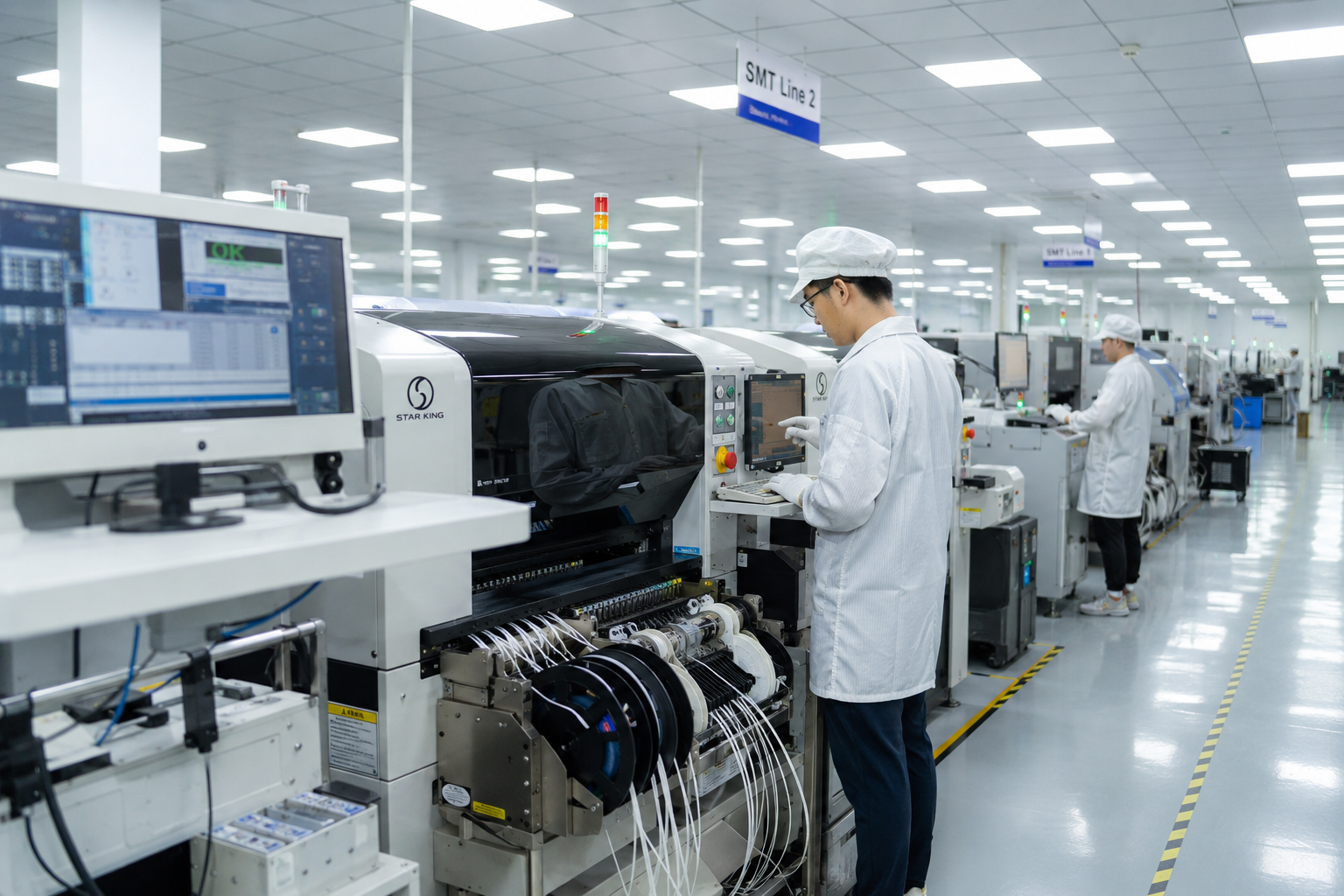
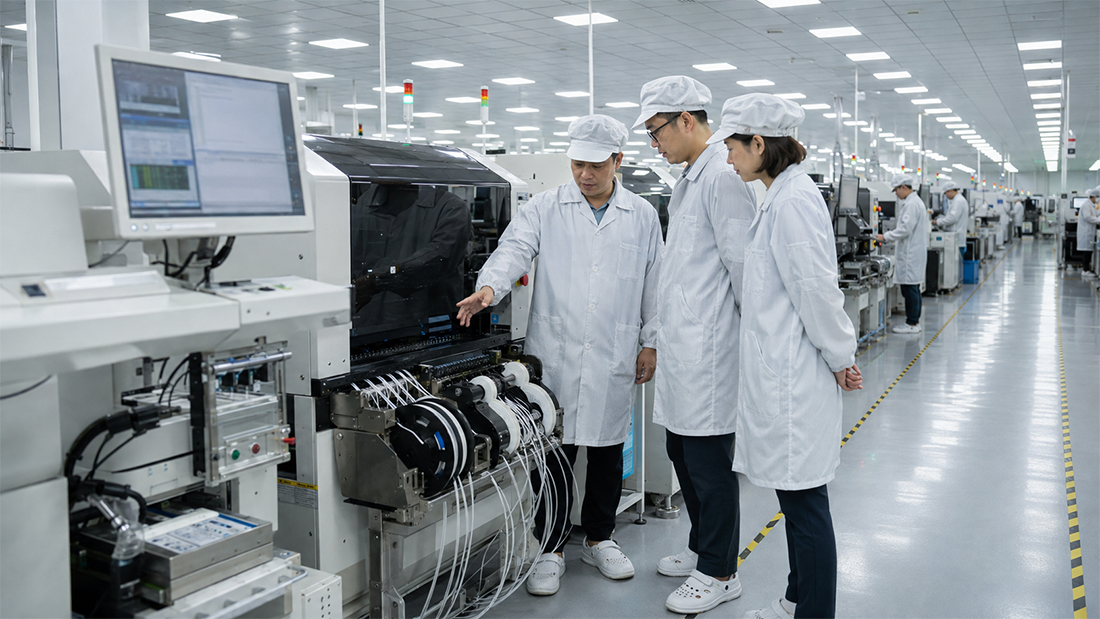
During sample evaluation, document every issue and ask the supplier to respond in writing. This creates a record you can reference during mass production. For quality expectations, ask about pre-shipment inspection and aging testing. You can also review general sourcing and manufacturing resources on our blog for related checklists.
6. Check Compliance and Battery Documentation for Your Market
Compliance requirements for AI hardware vary by country and by product configuration. Buyers in the Middle East should verify what is required for their specific destination, because customs and tender authorities may request different documents. Common items include CE marking for certain markets, FCC for the United States, RoHS for hazardous substances, UN38.3 for lithium batteries, and MSDS for shipping.
Do not assume a supplier’s existing certificates cover your exact SKU or language version. Ask for certificate numbers and scope, and verify with the issuing body where possible. For battery-powered devices, confirm UN38.3 test summaries and MSDS before booking air freight. For reference, see the IEC standards portal and the FCC website for general regulatory information. Note that requirements typically depend on the final product configuration and destination market; buyers should verify with local authorities or a compliance consultant.
7. Lock Down Packaging, Warranty, and Spare Parts
For education tenders, packaging and documentation often carry as much weight as the device itself. Request private-label packaging, localized user manuals, and warranty terms in writing. Clarify the RMA process, spare parts availability, and expected repair turnaround. For multi-year school deployments, spare parts and firmware support commitments matter for total cost of ownership.
Also confirm labelling requirements, such as energy or conformity marks, and whether the supplier can support batch-level traceability. If your tender requires specific documentation, list it in the RFQ so suppliers can price it accurately.
Comparison Table: Entry-Level vs. Custom AI Voice Mouse Programs
| Factor | Entry-Level / Catalog Program | Custom OEM/ODM Program |
|---|---|---|
| MOQ | Lower, standard SKU | Higher, tooling and customization |
| Language support | Standard language list | Custom language packs and dialects |
| Firmware/App | Limited customization | OTA, SDK/API, branding options |
| Certification | Existing certificates for standard SKU | Additional testing for custom configuration |
| Packaging | Standard or light branding | Full private label and localized manuals |
| Lead time | Shorter | Longer, includes tooling and validation |
| Best for | Pilot programs and small districts | National rollouts and tenders |
Common Mistakes and Buyer Red Flags
- Accepting a spec sheet as proof of voice accuracy. Always test with your own scripts.
- Skipping tooling ownership terms. Clarify who owns molds and custom firmware.
- Assuming certificates cover your SKU. Verify scope and validity.
- Ignoring battery shipping documentation. UN38.3 and MSDS are required for air freight.
- Underestimating localization. Manuals, packaging, and app text need translation and review.
- No written test plan. Without it, sample feedback becomes subjective.
Practical Buyer Checklist
- Use-case brief completed with languages, OS, and device count.
- Voice accuracy tested on sample with your scripts.
- Firmware/OTA/API documentation reviewed.
- MOQ, tooling, and landed cost modeled.
- Sample test plan and report received.
- Compliance document list confirmed for destination market.
- UN38.3 and MSDS available for battery shipping.
- Packaging, warranty, and spare parts terms in writing.
FAQ
What is the typical MOQ for a private-label AI voice mouse?
MOQ varies by supplier and customization level. Standard SKUs may start lower, while custom language packs, tooling, or packaging usually require higher volumes. Request MOQ tiers in your RFQ.
Can the AI voice mouse support Arabic dialects?
Support depends on the voice engine and language packs. Ask for a demo and test with your target dialects. Confirm whether updates can add dialects later.
Which certifications are required for Middle East imports?
Requirements vary by country and product configuration. Common requests include CE, RoHS, UN38.3, and MSDS. Buyers should verify with local customs or a compliance consultant.
How long does sampling take?
Sample lead time depends on whether the configuration is standard or custom. Ask for a written schedule and plan for iteration time.
Can we integrate the mouse with our learning platform?
Integration depends on available APIs or SDKs. Request technical documentation and a technical call with the supplier’s engineering team.
What warranty terms are typical?
Warranty terms vary. For education deployments, negotiate warranty length, RMA process, and spare parts availability in writing.
Conclusion
AI voice mouse sourcing for Middle East EdTech buyers is a structured procurement exercise, not a catalog purchase. By defining the classroom use case, testing voice accuracy, confirming firmware ownership, modeling landed cost, validating samples, checking compliance, and locking down after-sales terms, you reduce risk and build a program that can scale across districts and countries. Use the checklist above as the basis for your RFQ and compare supplier responses against the same criteria.
STAR KING CTA
Ready to move from research to RFQ? Request a quotation for AI voice mouse OEM/ODM, share your language and compliance requirements, and ask for sample availability and MOQ tiers. Our team can help you compare configurations and plan a pilot deployment.
Discuss Your Smart Wearable OEM/ODM Project
Planning a smart ring, smart watch, smart band, AI glasses, AI translator, or AI voice mouse project? Contact STAR KING to discuss product positioning, sample testing, customization scope, certification requirements, lead time, and quotation details.

Team Star King

Scan WhatsApp QR code
Leave a Reply