
AI translator supplier: How Healthcare Providers in Southeast Asia Can Select the Right AI Translator Supplier: 7 Critical Steps for 2026
October 23, 2026 · Team Star King
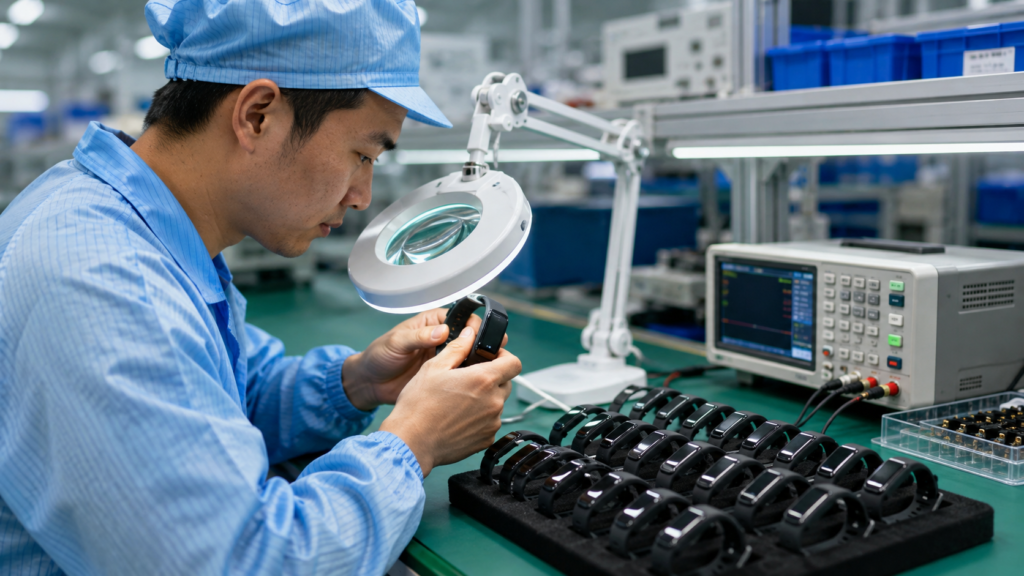
How Healthcare Providers in Southeast Asia Can Select the Right AI Translator Supplier: 7 Critical Steps for 2026
Selecting an AI translator supplier for healthcare use in Southeast Asia requires verifying language accuracy, data privacy compliance, device durability, and after-sales support. This guide outlines seven critical steps to evaluate suppliers, from defining your clinical requirements to confirming certifications and OEM/ODM capabilities. By following this structured approach, healthcare solution providers can mitigate risks and choose a reliable partner for AI translator procurement.
Table of Contents
Table of Contents
AI translator supplier: Table of Contents
- Step 1: Define Your Clinical and Operational Requirements
- Step 2: Evaluate Language Pairs and Accuracy
- Step 3: Assess Data Privacy and Security
- Step 4: Verify Certifications and Compliance for Southeast Asia
- Step 5: Review Hardware Durability and Usability
- Step 6: Understand OEM/ODM and Customization Options
- Step 7: Plan for After-Sales Support and Warranty
- Comparison Table: Key Supplier Criteria
- Common Mistakes and Buyer Red Flags
- Practical Buyer Checklist
- FAQ
Short Answer
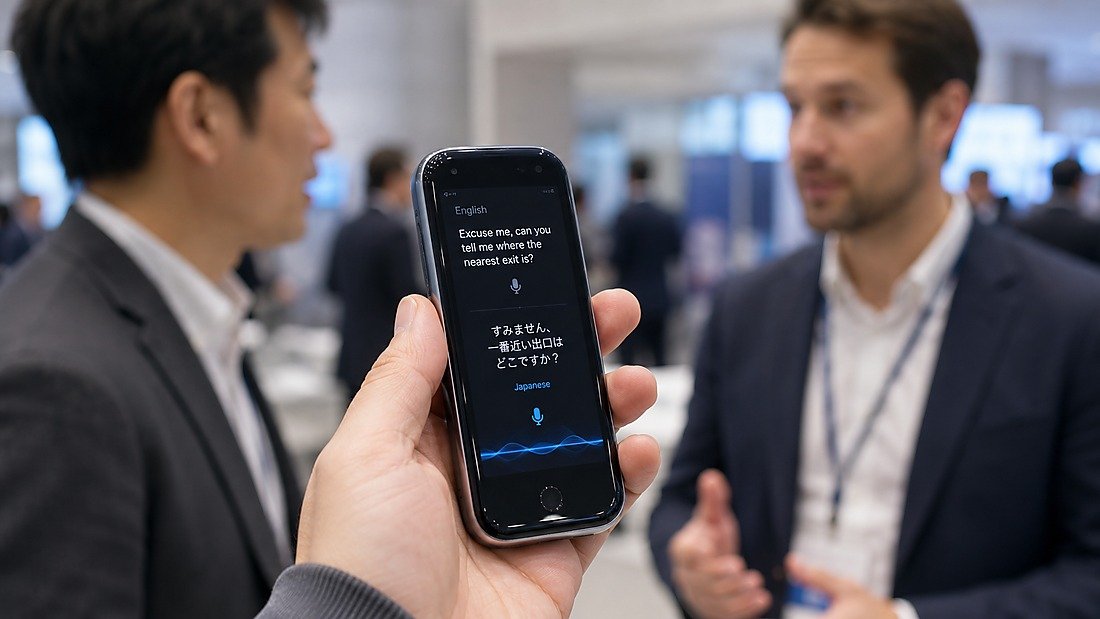
To select the right AI translator supplier for healthcare in Southeast Asia, prioritize suppliers that meet local compliance requirements, offer robust data security, and provide customizable OEM/ODM options. Verify language accuracy for relevant Southeast Asian languages, request samples for real-world testing, and confirm after-sales support. A structured evaluation will help you avoid costly mistakes and ensure a reliable solution for your patients.
Key Takeaways
- Define clear clinical and operational requirements before engaging suppliers.
- Prioritize language accuracy and data security for healthcare use.
- Verify compliance with Southeast Asian regulations (e.g., PDPA, medical device laws).
- Assess device durability and usability for clinical environments.
- Explore OEM/ODM options for customization and branding.
- Plan for after-sales support, warranty, and spare parts.
- Use a checklist and comparison table to streamline supplier selection.
Key Facts for Buyers
| Criteria | Details |
|---|---|
| Target Market | Southeast Asia (Singapore, Malaysia, Thailand, Indonesia, Vietnam, Philippines, etc.) |
| Compliance | PDPA (Singapore), PDPA (Thailand), medical device regulations (varies by country) |
| Language Pairs | English, Mandarin, Malay, Thai, Vietnamese, Indonesian, Filipino, etc. |
| Typical MOQ | 500-1,000 units for OEM (varies by supplier) [STAR KING TO CONFIRM] |
| Certifications | CE, FCC, RoHS, UN38.3 for battery [STAR KING TO CONFIRM] |
| Lead Time | 30-60 days for mass production (varies) [STAR KING TO CONFIRM] |

Step 1: Define Your Clinical and Operational Requirements
Before contacting suppliers, clearly define what your healthcare organization needs from an AI translator. Consider:
- Use cases: Emergency department, outpatient clinics, telehealth, patient education, or administrative communication.
- Language pairs: Which languages are most needed? In Southeast Asia, common languages include English, Mandarin, Malay, Thai, Vietnamese, Indonesian, Filipino, and various dialects.
- Deployment model: Handheld devices, wearable translators, or software integrated into existing systems?
- Integration: Does the device need to integrate with EHR systems or telehealth platforms?
- Volume: How many devices and users will you need initially, and what are your growth projections?
Documenting these requirements will help you evaluate suppliers objectively and avoid scope creep.
Step 2: Evaluate Language Pairs and Accuracy
For healthcare, translation accuracy is critical. A mistranslation can lead to misdiagnosis or improper treatment. Evaluate suppliers based on:
- Supported languages: Ensure the device covers the languages prevalent in your patient population.
- Accuracy testing: Request samples and test with real clinical scenarios. Consider medical terminology and colloquial expressions.
- Offline capability: In areas with poor connectivity, offline translation may be necessary.
- Update frequency: How often are language models updated? Is there a process for adding new terms?
Ask suppliers for case studies or references from healthcare clients, if available. [STAR KING TO CONFIRM]
Step 3: Assess Data Privacy and Security
Healthcare data is sensitive. AI translators may process patient conversations, so data security is paramount. Check:
- Data encryption: Both in transit and at rest.
- Data storage: Where is data stored? Is it on-device or cloud-based? For cloud, ensure compliance with local data residency laws.
- Compliance: Does the supplier adhere to GDPR (if serving EU patients) or local regulations like Singapore’s PDPA?
- Access controls: Who can access translation logs? Are there audit trails?
Request the supplier’s data processing agreement and security documentation.
Step 4: Verify Certifications and Compliance for Southeast Asia
Compliance requirements vary by country and use case. For healthcare solutions, you may need:
- Electrical safety: CE marking for EU, but for Southeast Asia, check local requirements (e.g., Singapore’s IMDA, Thailand’s TISI).
- Radio equipment: FCC for US, but for Southeast Asia, check if the device uses wireless technologies (Bluetooth, Wi-Fi) and requires type approval.
- Battery safety: UN38.3 for lithium batteries, MSDS for shipping.
- Medical device regulations: In some countries, AI translators used for clinical communication may be classified as medical devices. Verify with local regulators.
Suppliers should provide test reports and certificates. Note that certification requirements typically depend on the specific product configuration and target market. Buyers should verify with local authorities.
Step 5: Review Hardware Durability and Usability
Healthcare environments are demanding. Devices must withstand frequent cleaning, drops, and long shifts. Evaluate:
- Ingress protection: IP rating for dust and water resistance. At least IP54 for clinical settings.
- Drop testing: Withstand drops from 1.2m or more.
- Battery life: Should last a full shift (8-12 hours) with heavy use.
- Display and audio: Clear visibility and loudspeaker for noisy environments.
- Ergonomics: Easy to hold and operate with gloves.
Request samples for hands-on testing with your staff.
Step 6: Understand OEM/ODM and Customization Options
Many healthcare providers want branded devices or customized features. Discuss with suppliers:
- Minimum Order Quantity (MOQ): Can range from 500 to 1,000 units for OEM. [STAR KING TO CONFIRM]
- Customization: Logo, packaging, firmware (e.g., adding specific medical terminology), app integration.
- Product development: Can the supplier modify hardware or software for your needs?
- Intellectual property: Who owns the tooling and custom software? Clarify in contracts.
STAR KING offers private label and OEM/ODM solutions for AI translators, allowing customization to meet your brand and clinical requirements.
Step 7: Plan for After-Sales Support and Warranty
Reliable after-sales support is crucial for healthcare deployments. Consider:
- Warranty period: Typically 12 months. What does it cover?
- Spare parts: Availability of batteries, chargers, and accessories.
- Technical support: Response time, language of support, and channels (email, phone, chat).
- Software updates: How are updates delivered? Is there a cost?
- Return and repair process: Local service centers or return to factory?
Ask for a sample warranty agreement and support SLA.
Comparison Table: Key Supplier Criteria
| Criteria | What to Look For | Why It Matters |
|---|---|---|
| Language Accuracy | High accuracy for relevant languages, offline mode | Critical for patient safety |
| Data Security | Encryption, local data storage, compliance with PDPA | Protects patient privacy |
| Certifications | CE, FCC, UN38.3, local approvals | Ensures legal sale and use |
| Durability | IP54+, drop-tested, long battery life | Withstands clinical use |
| Customization | OEM/ODM options, MOQ flexibility | Aligns with branding and workflow |
| After-Sales Support | Warranty, spare parts, technical support | Minimizes downtime |
Common Mistakes and Buyer Red Flags
- Ignoring local compliance: Assuming CE is sufficient for Southeast Asia can lead to customs issues. Verify local requirements.
- Underestimating language needs: Not testing with actual medical terminology can result in poor translation.
- Skipping sample testing: Relying solely on specifications can be misleading.
- Overlooking data privacy: Failing to assess data handling can lead to regulatory fines.
- Choosing on price alone: Low-cost suppliers may cut corners on quality and support.
- Red flags: Suppliers who cannot provide test reports, refuse sample orders, or have no healthcare references.
Practical Buyer Checklist
- ☐ Defined clinical use cases and language pairs.
- ☐ Requested and tested samples with real scenarios.
- ☐ Verified data security and privacy policies.
- ☐ Confirmed certifications for target countries.
- ☐ Assessed durability and usability.
- ☐ Discussed OEM/ODM options and MOQ.
- ☐ Reviewed warranty and after-sales support.
- ☐ Checked supplier references and financial stability.
Buyers can also review STAR KING AI Translators OEM/ODM options to compare product positioning, customization scope, and sample planning.
FAQ
What languages should an AI translator support for Southeast Asia?
At minimum, English and major local languages such as Mandarin, Malay, Thai, Vietnamese, Indonesian, and Filipino. Consider dialect variations based on your patient demographics.
Are AI translators considered medical devices in Southeast Asia?
It depends on the country and intended use. In some jurisdictions, devices used for clinical communication may be regulated as medical devices. Consult local regulatory authorities.
What is the typical MOQ for OEM AI translators?
MOQ varies by supplier and customization level, often ranging from 500 to 1,000 units. STAR KING can discuss specific requirements. [STAR KING TO CONFIRM]
How can I ensure data privacy with AI translators?
Choose suppliers that offer on-device processing or encrypted cloud storage, and ensure compliance with local data protection laws like Singapore’s PDPA.
What certifications are required for AI translators in Southeast Asia?
Common requirements include CE, FCC, and UN38.3 for batteries. However, each country may have additional requirements. Verify with local authorities.
What after-sales support should I expect?
Look for a minimum 12-month warranty, availability of spare parts, and responsive technical support. Clarify support channels and response times.
How long does shipping take from China to Southeast Asia?
Shipping times vary by method: air freight typically 5-10 days, sea freight 2-4 weeks. Lithium batteries require special handling and compliance with UN38.3.
Conclusion
Selecting the right AI translator supplier for healthcare in Southeast Asia requires careful evaluation of language accuracy, data security, compliance, durability, and support. By following the seven steps outlined in this guide, you can mitigate risks and choose a partner that meets your clinical and operational needs. Remember to request samples, verify certifications, and clarify OEM/ODM options before committing to a purchase.
Next Steps
Ready to discuss your AI translator project? Contact STAR KING sales team to request a quotation, samples, or discuss OEM/ODM customization for your healthcare organization.
Useful Official References for Buyers
- FCC equipment authorization guidance
- European Commission CE marking information
- Bluetooth SIG specifications
Discuss Your Smart Wearable OEM/ODM Project
Planning a smart ring, smart watch, smart band, AI glasses, AI translator, or AI voice mouse project? Contact STAR KING to discuss product positioning, sample testing, customization scope, certification requirements, lead time, and quotation details.

Team Star King

Scan WhatsApp QR code
Leave a Reply