
private label smart watches: 7 Proven Steps for Amazon Sellers to Source Private Label Smart Watches from China in 2026
October 6, 2026 · Team Star King
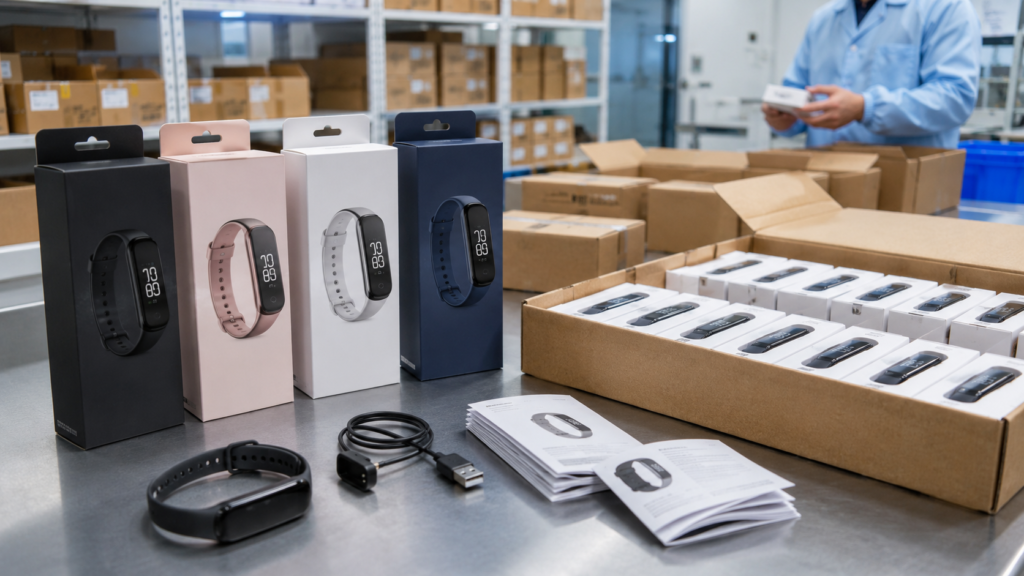
7 Proven Steps for Amazon Sellers to Source Private Label Smart Watches from China in 2026
Direct Answer: Sourcing private label smart watches from China in 2026 requires seven core steps: define your product specifications, evaluate and verify manufacturers, initiate OEM/Private Label development, manage MOQ and costs, validate samples, ensure US compliance (FCC, battery, health data), and plan logistics. Each step demands verifiable supplier evidence and clear contractual terms to protect your brand on Amazon.
Table of Contents
Table of Contents
private label smart watches: Introduction
If you sell on Amazon US and want to launch a private label smart watch, you likely have questions: How do I find a reliable manufacturer? What’s the real MOQ? Which certifications do I need? This guide answers these questions with a procurement-focused, step-by-step approach. Unlike consumer reviews, it addresses supplier selection, OEM/ODM realities, compliance, and risk mitigation—exactly what e-commerce sellers need to make informed decisions.
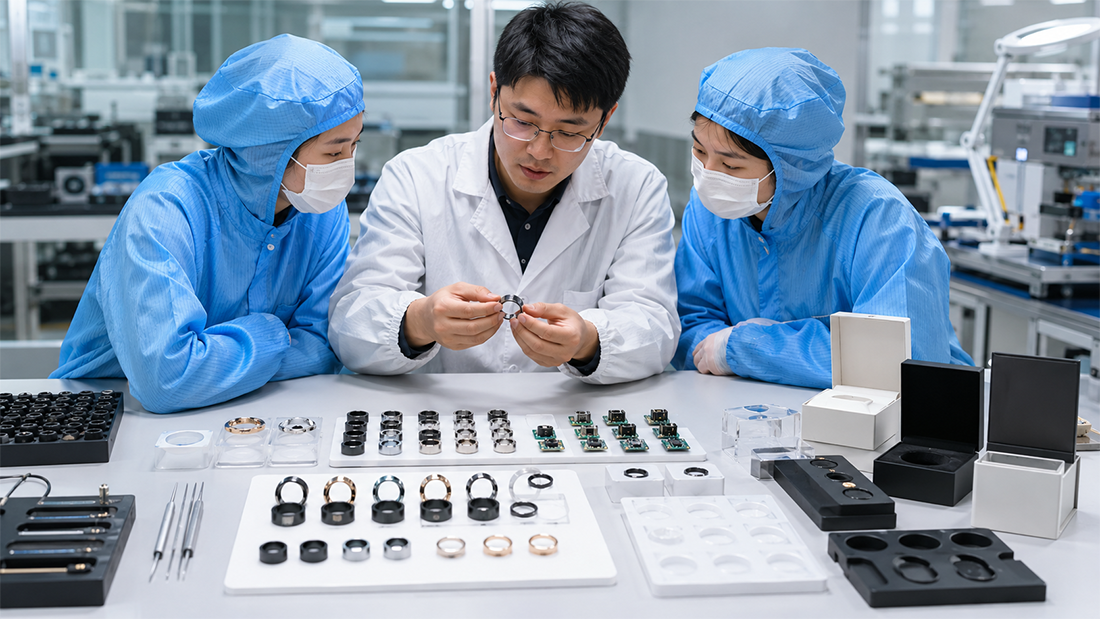
Table of Contents
- What Is Private Label Smart Watch Sourcing?
- Key Takeaways
- Key Facts for Buyers
- Step 1: Define Your Target Market and Product Specs
- Step 2: Identify and Verify Potential Manufacturers
- Step 3: Choose Between OEM, ODM, or Private Label
- Step 4: Understand MOQ and Pricing Factors
- Step 5: Evaluate Samples and Prototypes
- Step 6: Ensure Quality Control and Compliance
- Step 7: Plan Logistics and After-Sales Support
- Comparison Table: OEM vs ODM vs Private Label
- Common Mistakes and Red Flags
- Buyer Checklist
- FAQ
- Conclusion
What Is Private Label Smart Watch Sourcing?
Private label smart watch sourcing is the process of procuring a smart watch manufactured to your brand’s specifications—logo, packaging, app experience—without owning the original design. It differs from OEM (you provide the design) and ODM (manufacturer provides design you customize). For Amazon sellers, private label allows quick market entry with differentiation through branding, firmware tweaks, and packaging. The factory handles production, while you own the customer relationship and brand equity.
Key Takeaways
- Verify manufacturers through third-party audits and sample testing before committing to bulk orders.
- Clarify MOQ, tooling ownership, and certification responsibilities in your contract.
- US market requires FCC, RoHS, and often UN38.3 for lithium batteries; health features are not medical devices.
- Plan for 30–60 days production lead time plus shipping; DDP terms simplify import.
- Request pre-shipment inspection and define warranty terms to protect your Amazon ratings.
Key Facts for Buyers
| Factor | Typical Range / Note |
|---|---|
| MOQ | 500–1,000 units for private label; lower for stock ODM |
| Sample Lead Time | 7–15 days after spec confirmation |
| Production Lead Time | 25–45 days after deposit, depending on complexity |
| Certifications (US) | FCC, RoHS, UN38.3 (battery), MSDS; FDA not required for general wellness |
| Tooling Ownership | Negotiable; ensure IP clause in contract |
| Shipping | Air/Sea; DDP available; lithium battery restrictions apply |
Step 1: Define Your Target Market and Product Specs
Start by analyzing Amazon US demand for smart watches. Use tools like Jungle Scout or Helium 10 to identify niches: fitness, sleep, women’s health, or budget segments. Define must-have features: display size, battery life (5–10 days typical), sensors (heart rate, SpO2), water resistance (IP68), and app compatibility. Consider your price point—under $50, $50–$100, or premium. This spec sheet becomes your RFQ document for suppliers. Without it, you’ll get vague quotes and inconsistent samples.
Step 2: Identify and Verify Potential Manufacturers
Search Alibaba, Global Sources, or attend trade shows. But don’t stop at listings. Verification is critical: check business license, factory audit reports (ISO 9001), and ask for references. Use video calls to tour the production line. Request test reports for FCC, RoHS, and battery safety. For smart watches, verify they have experience with wearable sensors and app integration. A manufacturer with wearable health technology expertise will better handle firmware and data accuracy. STAR KING, for example, offers smart watch OEM/Private Label services—review their smart watches product page for baseline specs.
Step 3: Choose Between OEM, ODM, or Private Label
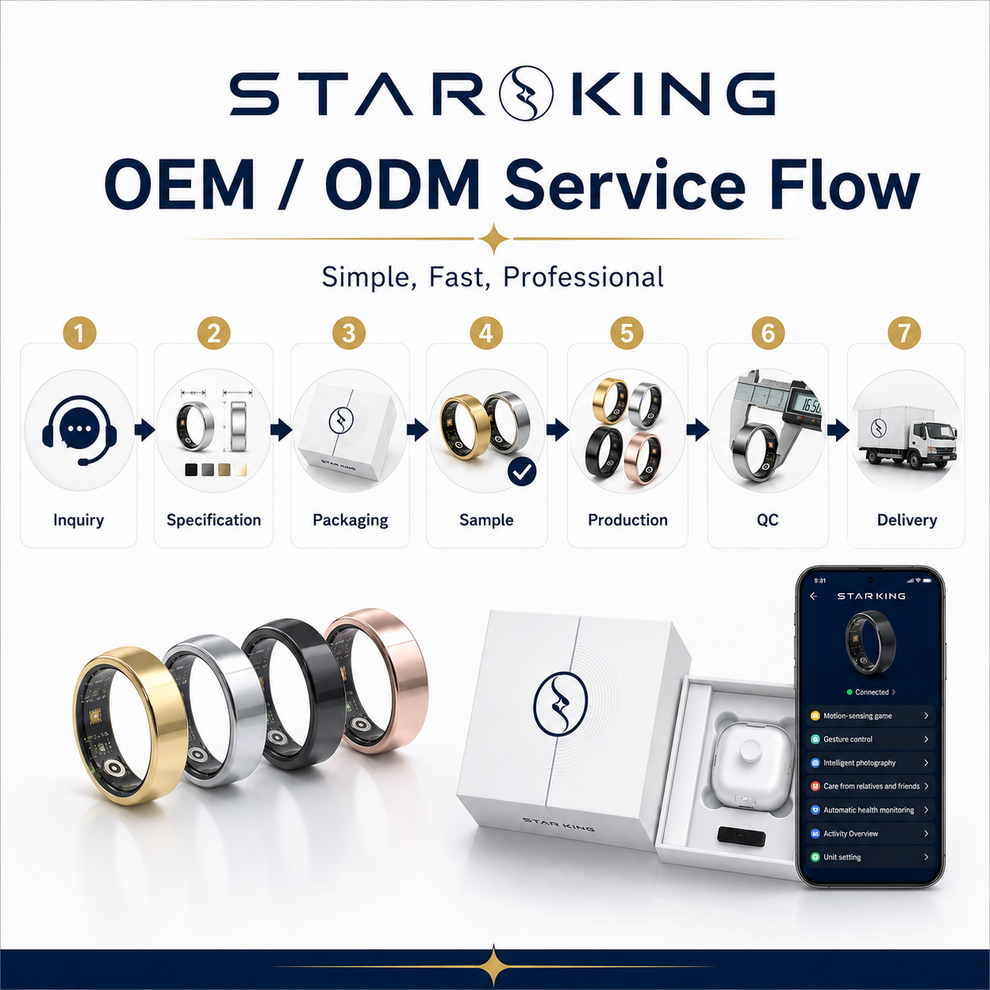
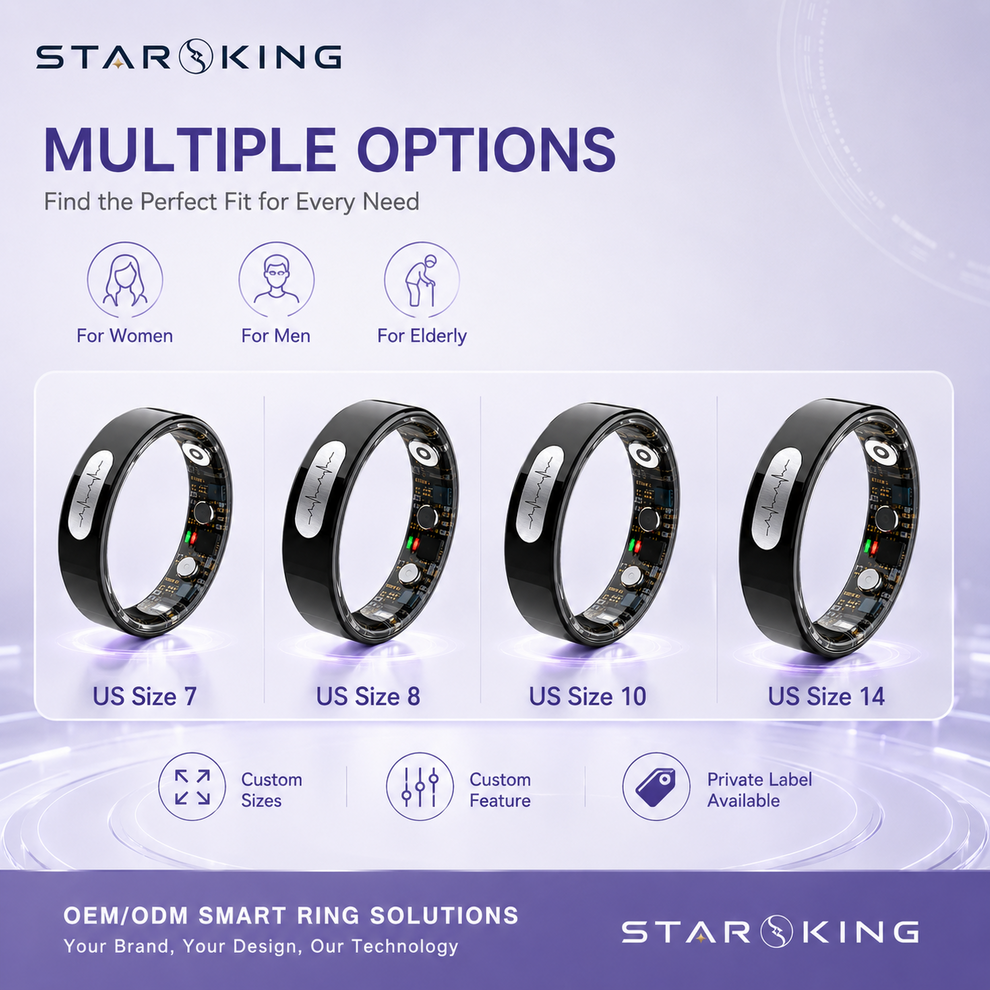
Understand the models: ODM means you pick an existing design and customize logo/packaging. Private label often overlaps with ODM but emphasizes your brand ownership. OEM requires you to provide detailed design files—higher cost and longer timeline. For most Amazon sellers, ODM/Private Label is faster and lower risk. Ensure the contract specifies who owns the tooling and design IP. If you plan to scale, consider custom firmware for unique features. See Private Label OEM/ODM solutions for options.
Step 4: Understand MOQ and Pricing Factors
MOQ for private label smart watches typically ranges from 500 to 1,000 units, but can be lower for stock models. Pricing depends on: display type, sensor quality, battery capacity, memory, and customization level. Always ask for a detailed quotation breakdown: unit price, tooling fee (if any), packaging cost, certification cost, and shipping. Be wary of quotes that are significantly lower than market—they may indicate inferior components or hidden costs.
Step 5: Evaluate Samples and Prototypes
Order samples before bulk. Test: battery life, heart rate accuracy (compare with a chest strap), app stability, touch responsiveness, and water resistance. Check packaging quality. For private label, ensure your logo is correctly placed. Document any issues and request revisions. A reputable supplier will provide a sample development timeline and may charge sample fees, often refundable against bulk order. Consider third-party lab testing if you need independent verification.
Step 6: Ensure Quality Control and Compliance
Quality control is non-negotiable. Request a pre-shipment inspection (PSI) before goods leave the factory. For US market, smart watches must comply with FCC (electromagnetic interference), RoHS (hazardous substances), and if they contain lithium batteries, UN38.3 and MSDS for shipping. Note: health monitoring features are for wellness, not medical diagnosis, so FDA clearance is generally not required—but verify with a regulatory consultant. Ensure the supplier provides test reports and certificates. STAR KING can assist with compliance documentation; confirm specific requirements based on your product configuration.
Step 7: Plan Logistics and After-Sales Support
Choose shipping method: air freight (fast, expensive) or sea (slow, cheaper). Lithium batteries require special handling and may need MSDS and UN38.3. DDP (Delivered Duty Paid) terms simplify customs for Amazon FBA. Discuss warranty terms—typically 12 months—and spare parts availability. A supplier with a clear after-sales process reduces your return rate and protects your Amazon seller metrics.
Comparison Table: OEM vs ODM vs Private Label
| Aspect | OEM | ODM | Private Label |
|---|---|---|---|
| Design Ownership | Buyer | Manufacturer | Manufacturer (customized) |
| Customization Level | High | Medium | Medium (branding focus) |
| MOQ | Higher (1,000+) | Lower (500+) | 500–1,000 |
| Time to Market | Long (6–9 months) | Short (2–4 months) | Short (2–4 months) |
| Cost | High | Moderate | Moderate |
Common Mistakes and Red Flags
- No factory audit: Relying solely on Alibaba ratings without verification.
- Ignoring certification costs: Budget for FCC, RoHS, UN38.3; these add to landed cost.
- Vague contracts: Failing to specify IP ownership, MOQ, lead time penalties.
- Skipping sample testing: Assuming samples match mass production.
- Underestimating logistics: Not accounting for lithium battery shipping restrictions.
- No quality control: Not booking pre-shipment inspection.
Practical Buyer Checklist
- Create detailed product specification sheet.
- Shortlist 3–5 manufacturers; verify licenses and audit reports.
- Request samples and test thoroughly.
- Negotiate MOQ, price, tooling ownership, and lead time.
- Confirm certifications: FCC, RoHS, UN38.3, MSDS.
- Arrange pre-shipment inspection.
- Define warranty and after-sales terms.
- Plan logistics and customs clearance.
FAQ
What is the typical MOQ for private label smart watches?
Most manufacturers require 500–1,000 units for private label. Some may accept 300 units for simple logo changes on existing ODM models. Always confirm with your supplier.
Do I need FDA approval for a smart watch with heart rate monitoring?
Generally, no. Smart watches marketed for general wellness are not medical devices. However, if you make medical claims, FDA clearance may be required. Consult a regulatory expert.
What certifications are required to sell smart watches on Amazon US?
FCC and RoHS are typically required. If the watch contains a lithium battery, UN38.3 and MSDS are needed for shipping. Amazon may also request documentation.
How long does production take for private label smart watches?
Production lead time is usually 25–45 days after deposit, depending on customization complexity and component availability. Add shipping time.
Can I customize the app for my smart watch?
Yes, many manufacturers offer app customization (white-label or custom development) for an additional fee and higher MOQ. Discuss with your supplier.
What are common red flags when selecting a smart watch supplier?
Red flags include: unwillingness to provide factory audit, no test reports, vague pricing, poor communication, and no references. Always verify.
How do I handle lithium battery shipping?
Lithium batteries are classified as dangerous goods. You’ll need UN38.3 test reports and MSDS. Work with a freight forwarder experienced in battery shipping.
Conclusion
Sourcing private label smart watches from China for Amazon US is a structured process. By following these seven steps—defining specs, verifying suppliers, choosing the right model, managing MOQ, testing samples, ensuring compliance, and planning logistics—you minimize risk and build a product that stands out. Remember: verification and clear contracts are your best protection.
STAR KING CTA
Ready to start your private label smart watch project? Contact STAR KING’s sales team to discuss your OEM/ODM requirements, request samples, and receive a detailed quotation. We’ll help you navigate compliance and logistics for a smooth launch.
Useful Official References for Buyers
- FCC equipment authorization guidance
- European Commission CE marking information
- Bluetooth SIG specifications
Discuss Your Smart Wearable OEM/ODM Project
Planning a smart ring, smart watch, smart band, AI glasses, AI translator, or AI voice mouse project? Contact STAR KING to discuss product positioning, sample testing, customization scope, certification requirements, lead time, and quotation details.

Team Star King

Scan WhatsApp QR code
Leave a Reply