
Smart Watch Sourcing from China: 10 Checks Before You Sign a 2026 OEM Contract
October 3, 2026 · Team Star King

Smart Watch Sourcing from China: 10 Checks Before You Sign a 2026 OEM Contract
Smart watch sourcing for US importers is not a single purchase decision. It is a chain of decisions: which chipset, how many units, which certifications, which Incoterm, and who owns the mold. Because US tariffs on Chinese-made smart watches are set to change again in 2026, the deal you sign in Q1 may behave financially very differently in Q3. Most RFQ problems we see do not come from a bad product. They come from a buyer asking for pricing before defining MOQ, certification scope, and firmware ownership.
Table of Contents
Table of Contents
This guide gives you 10 specific checks to run before you issue a purchase order to a Chinese smart watch manufacturer. It is written for importers, private-label brands, Amazon sellers and distributors who are already close to RFQ stage and want to avoid the expensive mistakes that show up 90 days after landing.
Short Answer
Before you sign an OEM smart watch sourcing contract, confirm 10 things: chipset and sensor model, MOQ per SKU and per color, FCC/CE/RoHS scope in writing, UN38.3 and MSDS battery documents, app and firmware control, tooling ownership, packaging and logo rights, Incoterm and landed cost, sample approval process, and warranty terms. Buyers who lock these into a written specification sheet before deposit typically avoid the majority of late-stage disputes.

Key Takeaways
- US importers should treat the RFQ as a technical document, not just a price request.
- The chipset, PPG sensor and display type drive 40–60% of unit cost variance between suppliers.
- Certification scope is product-configuration specific; confirm FCC ID path, not just “FCC available”.
- UN38.3 and MSDS files are required before air freight; they are not optional paperwork.
- Landed cost is 25–60% above FOB price depending on HTSC code, duty rate, freight and marketplace fees.
- App ownership and firmware source access are the most common IP disagreements with OEM suppliers.
- Sample approval should be tied to a signed golden sample, not a photo or a verbal description.
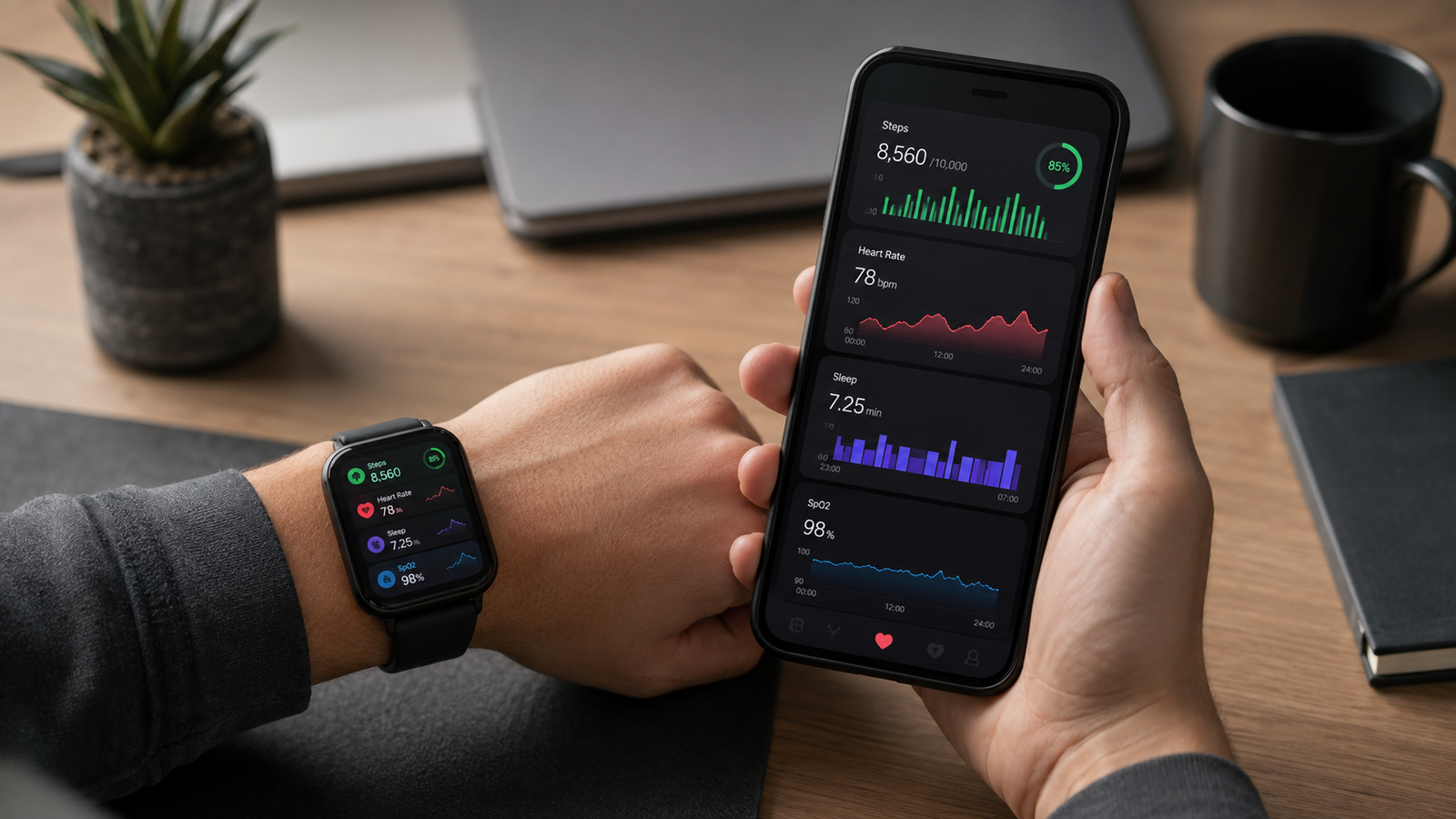
Table of Contents
- What Smart Watch Sourcing Really Involves
- Key Facts for Buyers
- 10 Checks Before You Sign an OEM Contract
- Landed Cost Comparison: FOB vs DDP
- Common Mistakes and Buyer Red Flags
- Practical Buyer Checklist
- FAQ
- Conclusion
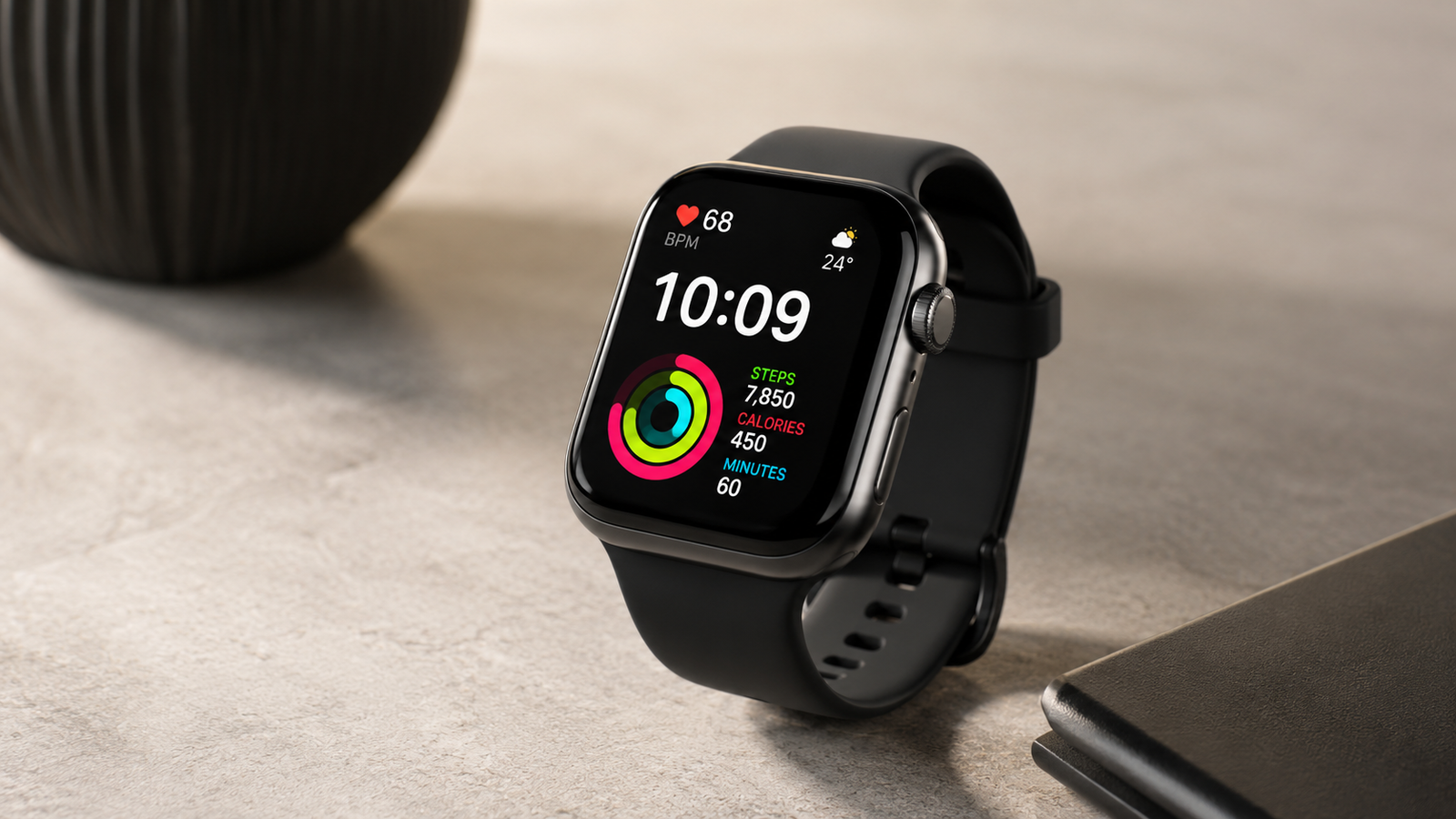
What Smart Watch Sourcing Really Involves
Smart watch sourcing is the process of selecting a manufacturer, defining a product specification, validating samples, and contracting for recurring production that meets a target market’s regulatory and commercial requirements. For US importers, that means a product that clears customs, meets FCC equipment authorization expectations, has documented battery transport safety, and can be supported after sale.
Buyers should evaluate a smart watch supplier on four dimensions, not one: technical depth (chipset, sensor, firmware), compliance capacity (FCC, CE, RoHS, UN38.3 documentation), commercial flexibility (MOQ, color splits, packaging), and after-sales reliability (warranty, spare parts, firmware updates). A supplier who is strong in one dimension and weak in three will cost you more over a 12-month program than a supplier who is balanced and slightly more expensive per unit.
Another important definition: “OEM” and “ODM” are not the same commercial model. In an ODM smart watch program, you are selecting from an existing hardware design and applying your brand, packaging and app skin. In an OEM program, you are co-developing hardware or firmware and typically paying tooling, NRE and certification fees that belong to you. Most importers should start with ODM and migrate selected SKUs to OEM as volume grows.
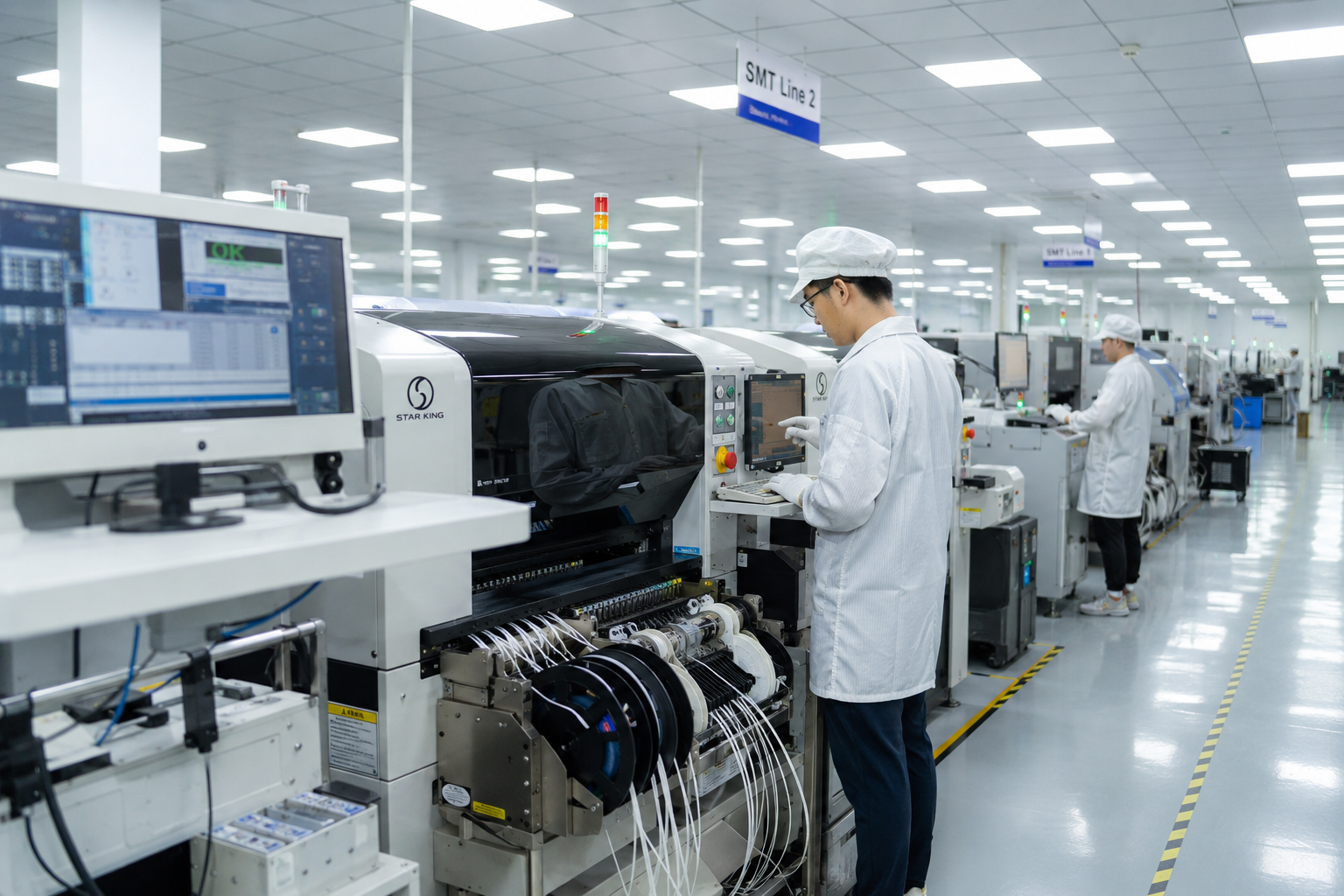
Key Facts for Buyers
| Decision Point | Typical Reality for US Importers | What to Ask the Supplier |
|---|---|---|
| MOQ per SKU | Often 500–1,000 pcs for ODM, higher for OEM tooling | MOQ per color and per size, not just per model |
| Chipset | Realtek, Nordic, Actions, Goodix and others | Exact chipset part number and Bluetooth version |
| FCC equipment authorization | Most consumer smart watches with 2.4 GHz radios fall under FCC rules | Is FCC ID issued to the factory, or will it be issued to you? |
| Battery transport | UN38.3 test summary and MSDS typically required for air | Current UN38.3 report and MSDS file, not a promise |
| App ownership | Often supplier-owned unless negotiated | App source code access, API availability, data hosting region |
| Lead time | 25–45 days production after deposit; 50–80 days for new tooling | Lead time for repeat orders, not just first order |
| Landed cost | 25–60% above FOB depending on duty and channel | Confirm HTSC code and duty rate before pricing |
Insert image here:
File: smart-watch-sourcing-us-importer-checklist.jpg
Alt: Smart watch sourcing checklist for US importers before signing an OEM contract
Caption: A written smart watch sourcing checklist prevents most RFQ disputes.
If you already have a draft RFQ and want a second set of eyes on the specification, the team behind our smart watch product line can review it against real production constraints before you issue deposit. That conversation is usually more useful than a first quotation.
10 Checks Before You Sign an OEM Contract
Check 1: Chipset, Sensor and Display Part Numbers
Ask for the exact part number of the SoC, the PPG heart-rate sensor, the accelerometer, and the display panel. “Nordic chipset” is not sufficient; “Nordic nRF52840” or “Realtek RTL8763B” is. Sensor and display choices drive most of the cost difference between a $12 watch and a $28 watch at the same MOQ. If the supplier cannot name part numbers, you cannot compare quotations responsibly.
Check 2: MOQ per SKU, Color and Size
A headline MOQ of 500 pcs often turns into 2,000 pcs once you split by black, silver, rose gold and two case sizes. Ask for the color split rule in writing. For ODM programs, most factories can split colors within a single production run. For OEM tooling, plan for a higher first-order commitment and lower repeat-order MOQ.
Check 3: Certification Scope in Writing
FCC equipment authorization rules, CE marking obligations for the EU, and RoHS substance restrictions are configuration-specific. A factory’s existing certification report covers a particular PCB, radio module, battery and enclosure combination. If you change the battery or the antenna, the previous report may not apply. Request the certificate scope and confirm the model number matches yours. See the FCC RF equipment authorization process for the current definition of what requires an ID.
Check 4: Battery Safety and Transport Documents
UN38.3 test summaries and MSDS files are typically required for air freight of lithium-ion battery products. Confirm the report is current, references the exact cell model, and is issued by a recognized lab. The IATA lithium battery guidance is the current reference for air transport classification: IATA lithium battery shipping guidance.
Check 5: App, Firmware and Data Ownership
Three questions decide whether you actually control your product: Can you get a private-build app under your own developer account? Can you receive firmware update files, or does the factory push them centrally? Where is user health data stored, and under which regulatory regime? Buyers planning to sell in the US should at minimum request a written data-flow description and confirm the app store publishing account belongs to them.
Insert image here:
File: smart-watch-firmware-app-ownership-discussion.jpg
Alt: Smart watch sourcing discussion on app and firmware ownership between buyer and factory
Caption: App build ownership should be decided before deposit, not after launch.
Check 6: Tooling, Mold and IP Ownership
If you pay tooling fees, the tool belongs to you unless you agree otherwise. Put the tool ownership clause in the contract, list the tool number, and confirm the tool cannot be used for other clients. Buyers who skip this step sometimes find their enclosure design on a competitor’s listing 18 months later.
Check 7: Packaging, Logo and Retail Compliance
Retail packaging needs UPC or EAN, country of origin marking, battery handling statements, and sometimes a Proposition 65 warning for California. Confirm who prepares artwork, who approves print proofs, and who pays for a new printing plate. Change orders after the print plate is made are one of the most common unexpected costs in private-label smart watch sourcing.
Check 8: Incoterm, HTSC Code and Landed Cost
FOB Shenzhen and DDP Los Angeles are very different commercial agreements. Confirm who is importer of record, who holds the customs bond, and which HTSC code will be declared. Smart watch classification and duty rate should be verified with a licensed customs broker; buyers should verify current rates and any applicable Section 301 or reciprocal tariff treatment before finalizing retail pricing.
Check 9: Sample Approval and Golden Sample
Approve samples in writing with photos, measurements and a signed golden sample retained by both parties. Sample fees are usually refundable against the first mass production order, but only if that is written. Request at least three units: one for you, one for your testing lab, one sealed for reference.
Check 10: Warranty, RMA and Spare Parts
Define the return window, defective rate threshold, who pays return freight, and whether spare straps, chargers and batteries are available for at least 12–24 months. An RMA policy with a clear defective percentage is more valuable than a verbal “we will support you forever”.
Landed Cost Comparison: FOB vs DDP vs Amazon FBA
Use this table to sanity-check supplier quotations. Numbers are illustrative to show the structure, not a quotation.
| Cost Component | FOB Shenzhen | DDP Los Angeles | Amazon FBA Landing |
|---|---|---|---|
| Unit factory price | $14.00 | $14.00 | $14.00 |
| Freight per unit | Buyer arranges, ~$0.80 | Included | ~$0.80 to port, plus inbound |
| Duty and tariffs | Buyer pays, rate varies | Included in rate | Buyer pays, rate varies |
| Customs broker and bond | Buyer arranges | Seller side | Buyer or 3PL arranges |
| FBA prep and inbound | Not included | Not included | ~$0.60–$1.20 per unit |
| Landed cost range | $17–$22 | $19–$24 | $20–$26 |
Duty rates and tariff programs change. Before you sign, ask a licensed US customs broker to confirm the current HTSC code and rate for your product configuration and country of origin.
Insert image here:
File: smart-watch-landed-cost-breakdown-chart.png
Alt: Smart watch sourcing landed cost breakdown for US importers, FOB versus DDP
Caption: Landed cost is typically 25–60% above FOB; plan margins accordingly.
Common Mistakes and Buyer Red Flags
- Price-first RFQ. Asking for a price before defining chipset, sensor and MOQ almost always produces a quotation you cannot compare.
- Accepting “FCC certified” verbally. Ask for the FCC ID and confirm it covers your exact model.
- Ignoring the color split rule. A low headline MOQ can hide a 4x commitment once colors are defined.
- No golden sample. Without a signed sample, mass production disputes become one buyer’s word against one factory’s word.
- Not owning the tool. Tooling fees without a tool ownership clause is the classic IP mistake.
- Assuming app data is yours. Confirm data hosting region and account ownership before launch.
- Forgetting retail compliance. Missing country-of-origin marking or battery statements can stop a shipment at retail intake.
Red flags during factory evaluation include: refusing to share UN38.3 or MSDS files, quoting a much lower unit price without explaining which components changed, and offering to “copy” a competitor’s app or enclosure. Any of these should slow the RFQ down.
Practical Buyer Checklist
- Written spec sheet with SoC, PPG, display, battery model and capacity.
- MOQ per SKU, per color and per size confirmed by email.
- FCC ID path and CE/RoHS scope documented, matched to model number.
- UN38.3 report and MSDS file received and reviewed.
- App developer account and firmware update process agreed.
- Tooling ownership clause signed, with tool number.
- Packaging artwork, UPC/EAN and country-of-origin marking approved.
- Incoterm, HTSC code and duty treatment confirmed with a customs broker.
- Signed golden sample retained by both sides.
- Warranty, defective rate and spare parts availability written into the PO.
If you would like the checklist reviewed against a live smart watch program, you can review private label and OEM options together with our team before committing to a PO.
FAQ
What is a typical MOQ for a private-label smart watch from China?
Most ODM programs start at 500–1,000 pcs per model. OEM programs with new tooling usually need a higher first order. Confirm MOQ per color and per size, not just per model.
Do US importers need FCC certification for a smart watch?
Many consumer smart watches contain 2.4 GHz radios and therefore fall within FCC equipment authorization rules. The exact requirement depends on the radio module and configuration, and the FCC ID should be verified against your specific model. Buyers should verify current rules with a qualified lab.
What documents are needed to air freight smart watches to the US?
Typically a current UN38.3 test summary and an MSDS for the battery, plus correct shipping classification. Requirements depend on carrier and cell configuration, so confirm with your freight forwarder before booking.
Who owns the app when I order a private-label smart watch?
Ownership depends on the contract. In many ODM programs the factory owns the base app and you receive a branded build. If you need source access or your own developer account, negotiate it before deposit.
How long does production take for a first smart watch order?
Repeat orders are often 25–45 days after deposit. First orders involving new tooling or new packaging commonly take 50–80 days. Ask for the lead time for repeat orders, since that governs your replenishment plan.
Can I split colors within the same MOQ?
Usually yes within one production run for ODM programs, but the split rule should be written. Some factories require a minimum per color, which can effectively double your first-order volume.
How should I compare quotes from different smart watch suppliers?
Normalize the quotes to the same chipset, sensor, battery, certification scope and Incoterm before comparing price. A lower quote usually reflects a different component list, not a better deal.
Conclusion
Smart watch sourcing from China works best when the RFQ is treated as a technical document. Define the chipset, sensor and battery; write the MOQ and color split rules; confirm FCC, CE, RoHS and UN38.3 scope against your exact model; own your app build and your tool; and price landed cost, not FOB. Importers who do these ten checks before signing an OEM contract rarely face the disputes that show up 90 days after landing. Importers who skip them usually learn the same lessons at a higher cost.
Talk to STAR KING About Your Smart Watch Program
If you are preparing an RFQ for a US launch and want a specification review before you sign, share your target unit cost, MOQ, target launch window and certification scope. Our team can compare configurations, confirm which certifications apply to your build, and outline realistic sample and production timelines. Request a smart watch sourcing quotation and we will respond with a structured RFQ response rather than a headline price.
Discuss Your Smart Wearable OEM/ODM Project
Planning a smart ring, smart watch, smart band, AI glasses, AI translator, or AI voice mouse project? Contact STAR KING to discuss product positioning, sample testing, customization scope, certification requirements, lead time, and quotation details.

Team Star King

Scan WhatsApp QR code
Leave a Reply