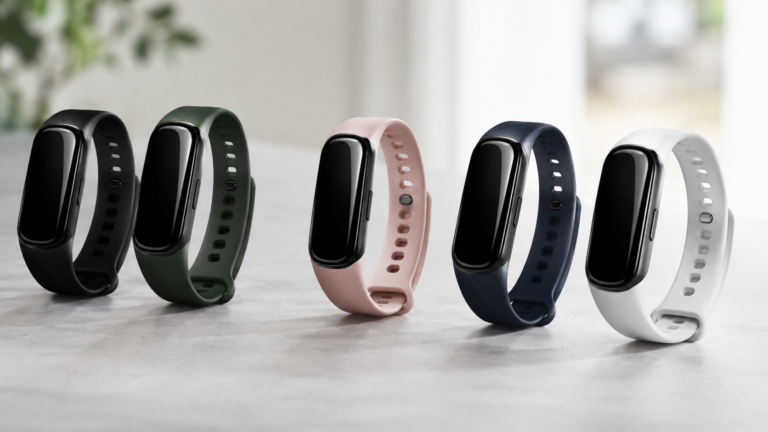
AI voice mouse sourcing: Why Amazon Sellers in the Middle East Should Source AI Voice Mouse in 2026: A 10-Point Buyer’s Guide
Why Amazon Sellers in the Middle East Should Source AI Voice Mouse in 2026: A 10-Point Buyer’s Guide
AI voice mouse sourcing is the process of selecting a manufacturer for a computer mouse that converts spoken words into text, commands, or translated output on a connected device. In 2026, Middle East Amazon sellers can source a white-label AI voice mouse from a China-based OEM/ODM partner such as STAR KING, with typical minimum order quantities from 500 to 1,000 units depending on configuration.
Table of Contents
Table of Contents
The category is growing because Arabic and English bilingual workforces in the UAE, Saudi Arabia, and Egypt need faster input tools for email, spreadsheets, and AI chatbots. This guide covers the ten checks that matter when you evaluate an AI voice mouse supplier.
Table of Contents
- Short Answer
- Why the Middle East Is a Strong Market for AI Voice Mouse in 2026
- What Is an AI Voice Mouse? A Definition for Buyers
- Key Facts for Buyers
- The 10-Point AI Voice Mouse Sourcing Checklist
- Marketplace Fit: Amazon.ae, Amazon.sa, Noon, and Salla
- AI Voice Mouse Comparison: Buying Options and Trade-offs
- A Note on Samples
- Common Mistakes and Red Flags for Amazon Sellers
- Practical Buyer Checklist
- FAQ
- Conclusion
Short Answer
An AI voice mouse lets users dictate text, trigger shortcuts, and sometimes translate speech in real time across apps such as Word, Excel, Gmail, and AI chat tools. For Middle East Amazon sellers, the biggest sourcing decisions in 2026 are: Arabic/multilingual accuracy, connection method (2.4 GHz dongle vs. Bluetooth vs. USB-C), app and firmware customization, MOQ, and compliance with UAE and Saudi import rules. Most white-label programs start around 500 units.
Key Takeaways
- Middle East demand is concentrated in bilingual office, education, and accessibility use cases, not gaming.
- The two most important product checks are Arabic language accuracy and OS/app compatibility.
- White-label MOQs typically start at 500 units; custom firmware, app, and packaging push that higher.
- Amazon.ae and Amazon.sa require product listings that meet local marketplace rules, and importers should verify SASO/ESMA requirements per SKU.
- Lithium battery shipping rules apply if the mouse includes a rechargeable battery, so UN38.3 documentation is normally required.
- Order samples before committing to tooling, packaging, or brand assets.
Why the Middle East Is a Strong Market for AI Voice Mouse in 2026
Three structural shifts are driving demand across the GCC and wider Middle East.
1. Bilingual workflows are the default, not the exception
Government offices, banks, logistics firms, and universities in the UAE and Saudi Arabia routinely operate in Arabic and English in the same document. A traditional keyboard forces users to switch layouts constantly. A voice mouse that handles both languages reduces that friction. This is AI office productivity hardware in its most practical form.
2. AI assistants changed user habits
ChatGPT, Gemini, and local AI platforms normalized dictation as an input method. Once a user expects to speak to a chatbot on their phone, they expect the same on their desktop. A voice-control peripheral becomes the natural companion device.
3. Regional e-commerce infrastructure matured
Amazon.ae, Amazon.sa, noon, and Salla give small sellers access to large audiences without building a physical retail footprint. That makes a low-risk white-label test of an AI accessory realistic for a seller with a modest budget.
What Is an AI Voice Mouse? A Definition for Buyers
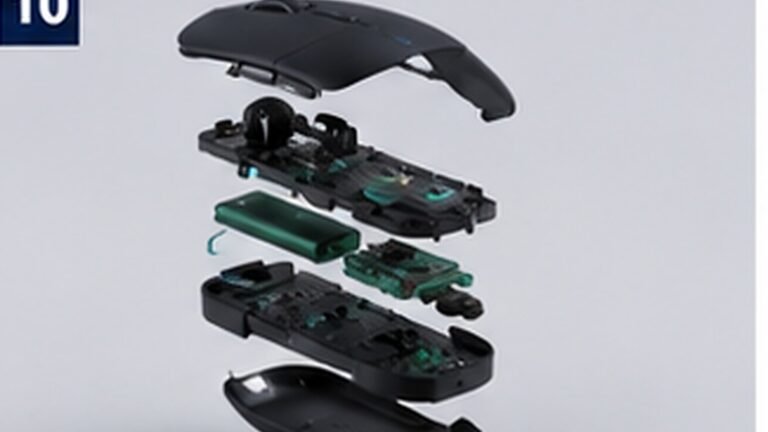
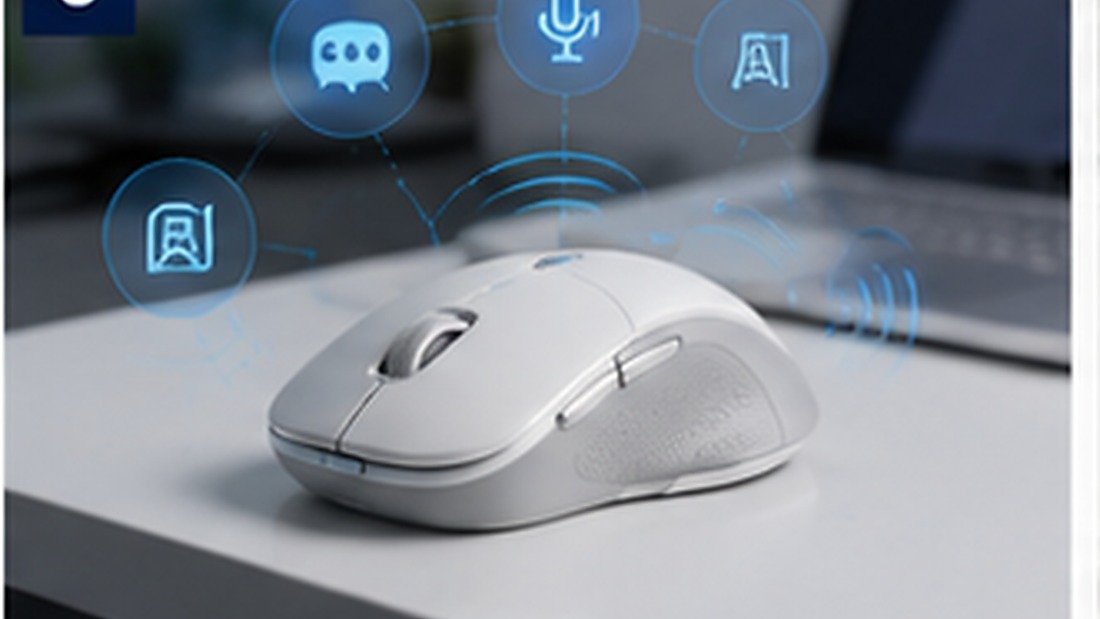
An AI voice mouse is a computer mouse that combines standard cursor control with one or more voice functions. In sourcing terms, you should treat these functions as separate configurable modules, because suppliers quote them differently.
- Dictation: microphone input converted to text within a target app or as system-wide typing.
- Voice commands: wake words or shortcut triggers that open apps, run macros, or control media.
- Real-time translation: speech in one language displayed or inserted as text in another.
- AI assistant integration: a dedicated button that sends dictated prompts to a connected AI service.
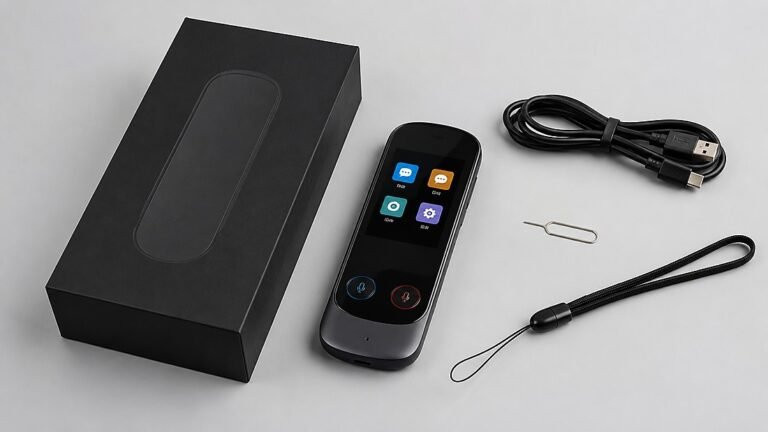
Buyers should evaluate each module against their target market rather than assuming one product covers all four. If translation is part of the buyer journey, it may be more efficient to compare a dedicated AI translator instead of a mouse with a translation add-on.
Key Facts for Buyers
| Item | Typical Range for White-Label AI Voice Mouse | Why It Matters |
|---|---|---|
| MOQ | 500-1,000 units for standard config | Controls upfront cash and test budget |
| Unit cost | Depends on mic array, chipset, battery, and app build | Driven by firmware and app work more than plastic |
| Sample lead time | Around 7-15 working days for stock config | Needed before logo and packaging are locked |
| Mass production lead time | Around 20-35 working days after sample approval | Affects Q4 and Ramadan campaign planning |
| Battery shipping | UN38.3 + MSDS normally required for rechargeable units | Needed for air freight and customs clearance |
| Market compliance | UAE and Saudi requirements vary by SKU and channel | Buyers should verify with their customs broker or marketplace |
The 10-Point AI Voice Mouse Sourcing Checklist
1. Confirm the connection method
AI voice mice are typically sold as 2.4 GHz USB dongle, Bluetooth, USB-C wired, or a combination. For Amazon sellers in the Middle East, Bluetooth 5.x plus a dongle is usually the safest SKU because it covers laptops and tablets. A wired-only SKU limits listing appeal.
2. Test Arabic and English dictation separately
Ask your supplier whether Arabic is handled on-device or through a cloud service. Cloud-based models can be more accurate but introduce a network dependency and data-handling questions. On-device models work offline but usually cover fewer languages. Buyers should test both Arabic and English dictation, including mixed sentences, before approving a sample.
3. Understand how the microphone and AI stack are sourced
Ask which microphone array and which speech engine are used. Some suppliers license third-party AI engines; others use their own app with a third-party API. This affects per-unit cost, renewal terms, and what happens if the AI provider changes pricing. Get this in writing.
4. Map the app and companion software
Many AI voice mouse programs require a companion app for firmware updates, language packs, or AI key mapping. Confirm:
- Which operating systems are supported (Windows, macOS, Android, iOS, Linux).
- Whether the app can be white-labeled under your brand.
- Whether the app store listings will be under your developer account or the supplier’s.
- How updates are delivered.
If you are evaluating a broader device line, the same app considerations apply to private-label AI hardware programs.
5. Decide OEM, ODM, or Private Label
These are not interchangeable.
- Private Label: Buy an existing design and apply your logo and packaging. Fastest and lowest MOQ.
- ODM: The supplier already has a completed design that can be modified for you (color, firmware features, app branding). Mid-range MOQ.
- OEM: You specify the product; the supplier builds it. Highest MOQ and longest timeline.
For an Awareness-stage Amazon seller, Private Label or light ODM is usually the right entry point.
6. Lock the MOQ and understand what changes it
MOQ usually rises when you add: custom colors, custom PCBA changes, a fully branded app, custom retail packaging, or a new language pack. Ask the supplier for a written MOQ table by configuration, not a single number.
7. Plan compliance before you sign a PO
Certification requirements depend on your SKU, destination country, and sales channel. Common points of verification include CE for the EU, FCC for the US, RoHS for hazardous substance limits, and UN38.3 for lithium batteries in transport. In the GCC, importers should verify what the local standards body and the marketplace require for their specific product category. STAR KING can document what is available for each configuration; the importer of record remains responsible for verifying local requirements. See the FCC equipment authorization database and the IATA Dangerous Goods Regulations for background on device authorization and battery transport.
8. Specify packaging as a project, not an afterthought
Amazon FBA in the Middle East has specific labeling and packaging expectations. Ask your supplier for:
- Retail box dimensions and weight.
- Blister vs. folding carton options.
- Master carton dimensions and units per carton.
- FNSKU barcode placement and poly-bagging where required.
- Bilingual packaging text (Arabic/English) if your listing requires it.
9. Verify battery and charging behavior
Rechargeable lithium batteries are the single most common source of shipping and returns problems. Confirm battery capacity, whether it is replaceable, and whether the product supports USB-C charging. Beware of a supplier that cannot produce UN38.3 test summaries and a current MSDS.
10. Contract the after-sales and spare parts plan
Ask what happens when 2-3% of units come back. Confirm the warranty period, the spare parts policy, and who pays return freight. If the app is branded under your developer account, also confirm what support you will receive.
Marketplace Fit: Amazon.ae, Amazon.sa, Noon, and Salla
Each channel has different listing expectations and different buyer behavior.
- Amazon.ae / Amazon.sa: Strong demand for office and accessibility accessories. Listings should be bilingual and explain the microphone behavior clearly to reduce returns.
- noon: Competitive pricing environment; product differentiation must be sensory (voice quality, build) rather than spec-only.
- Salla and social commerce: Short-form video demos tend to convert better than long copy. A good hero demo showing Arabic and English dictation is often the strongest asset.
Sellers who already run smart retail and e-commerce hardware programs often add an AI voice mouse as a complementary SKU because it shares the same customer base.
AI Voice Mouse Comparison: Buying Options and Trade-offs
| Option | Typical MOQ | Best For | Trade-off |
|---|---|---|---|
| Private Label (existing model, your logo) | Lowest | First-time Amazon sellers testing demand | Limited design control |
| Light ODM (color + firmware + app branding) | Mid | Sellers who need a defensible listing | Longer lead time; higher commitment |
| Full ODM (new app, custom features) | Higher | Brands building a product line | Highest cost and risk |
| Full OEM (your design) | Highest | Established distributors | Tooling cost and long development |
A Note on Samples
Most first-time buyers learn more from a working sample than from a spec sheet. If you are still comparing voice accuracy, connection methods, and Arabic performance, it is worth requesting a sample unit and evaluating it with your own team before committing to packaging or app work.
Common Mistakes and Red Flags for Amazon Sellers
- Accepting a single MOQ number. Real MOQs depend on configuration; ask for a table.
- Skipping Arabic testing. Many sellers test in English, then discover Arabic dictation fails in real customer use.
- Depending on the supplier’s app account. If the app is published under the supplier’s developer account, you may not control updates or branding.
- Assuming certifications are universal. CE, FCC, and RoHS describe different requirements. A CE mark does not replace local GCC import checks.
- Underestimating battery documentation. Missing UN38.3 or MSDS can stall a shipment at the airport.
- Not testing return reasons. Returns for voice mice are frequently due to microphone placement, background noise, or app setup, not product defects.
- Signing packaging before samples. Packaging drives print setup costs and should follow final sample approval.
Practical Buyer Checklist
- List the target marketplaces (Amazon.ae, Amazon.sa, noon, Salla) and primary language mix.
- Decide Private Label, light ODM, or full OEM before requesting quotes.
- Request a written MOQ table for each configuration you are considering.
- Order and test a sample in both Arabic and English, including mixed sentences.
- Confirm the microphone array, speech engine, and whether AI processing is cloud or on-device.
- Clarify app branding, developer account ownership, and update process.
- Verify available certificates per SKU and confirm your local import requirements with a broker.
- Request UN38.3 and MSDS if the unit contains a lithium battery.
- Review packaging artwork and FBA labeling requirements with your supplier.
- Agree warranty terms, spare parts, and return freight responsibility in writing.
Buyers can also review STAR KING AI Voice Mouse OEM/ODM options to compare product positioning, customization scope, and sample planning.
FAQ
What is the typical MOQ for a white-label AI voice mouse?
Most white-label programs start around 500 units for a standard configuration. Adding custom colors, a fully branded app, or new packaging typically raises the MOQ, so ask for a configuration-specific table.
Does Arabic dictation work offline?
It depends on the model. Some designs run Arabic on-device for basic dictation and use cloud services for higher-accuracy or longer phrases. Buyers should verify the exact behavior with a sample before listing.
Do I need SASO or ESMA certification to sell in Saudi Arabia or the UAE?
Import requirements vary by product category and can change. Buyers should confirm current requirements with their customs broker and the relevant standards body before shipping.
Can the app be published under my own brand?
Many suppliers support this, but the developer account, update process, and long-term maintenance terms should be agreed in writing. Some programs share a supplier-hosted app instead.
What shipping documents are needed for a rechargeable AI voice mouse?
Because these products contain a lithium battery, air transport typically requires a UN38.3 test summary and an MSDS, in addition to standard commercial documents. Airlines may apply additional rules under IATA guidance.
Which Middle East market is easiest to start with?
Amazon.ae and Amazon.sa are common first entries for sellers who already work with Amazon, while Salla and Instagram-led commerce suit sellers focused on Saudi Arabia. The right choice depends on your existing account structure and logistics.
How long should I plan for the first order?
Allow roughly 1-2 weeks for samples, 1-2 weeks for packaging and artwork, and 20-35 working days for mass production after sample approval. Sea freight for bulk orders adds further time.
Conclusion
For Middle East Amazon sellers, an AI voice mouse is a practical, differentiated office accessory with real bilingual demand. The sourcing decision is not about finding the cheapest unit; it is about choosing a configuration that matches your customer’s Arabic and English workflow, documenting the compliance position, and controlling the app and packaging that make the listing defensible. Work from samples, not spec sheets, and confirm every MOQ, certificate, and shipping document before committing to a purchase order.
Ready to Evaluate an AI Voice Mouse for Your Brand?
If you are an Amazon seller in the UAE, Saudi Arabia, or wider GCC and want to compare configurations before buying, STAR KING can prepare sample options and a configuration-specific MOQ table. Request samples and confirm customization options for an AI voice mouse program.
Discuss Your Smart Wearable OEM/ODM Project
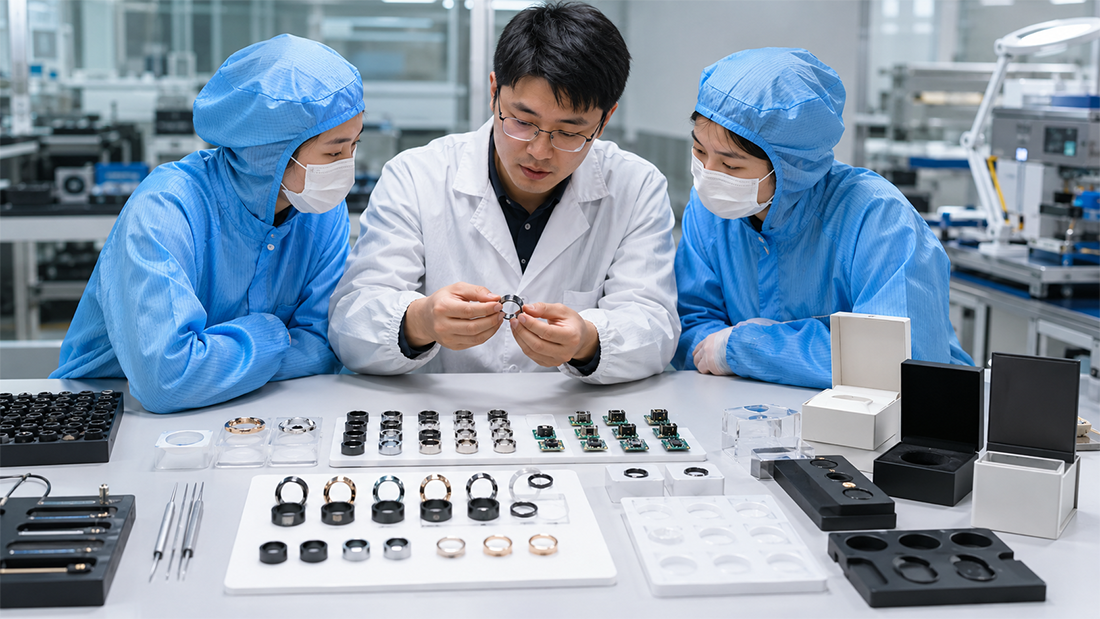
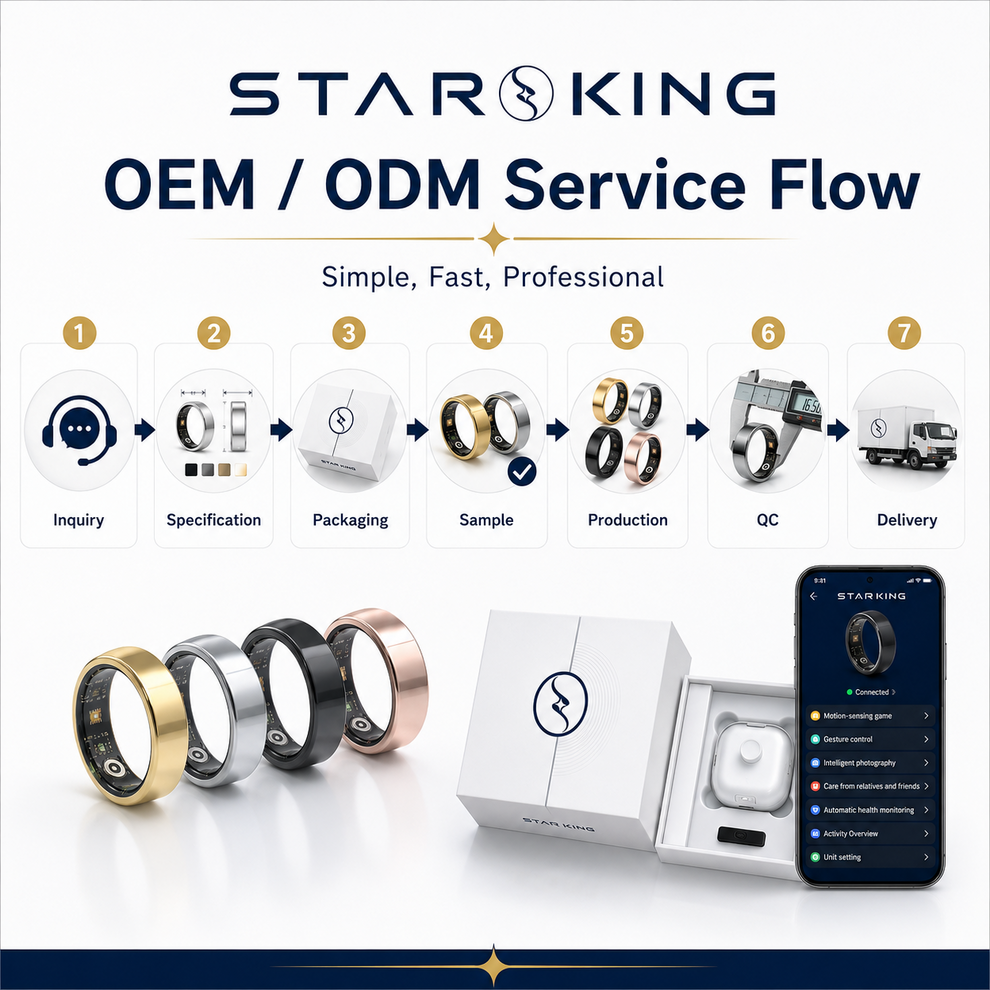
Planning a smart ring, smart watch, smart band, AI glasses, AI translator, or AI voice mouse project? Contact STAR KING to discuss product positioning, sample testing, customization scope, certification requirements, lead time, and quotation details.

Team Star King

Scan WhatsApp QR code