AI Translators for Southeast Asia: 7 Essential Checks Before You Source AI Translators for Southeast Asia in 2026
7 Essential Checks Before You Source AI Translators for Southeast Asia in 2026
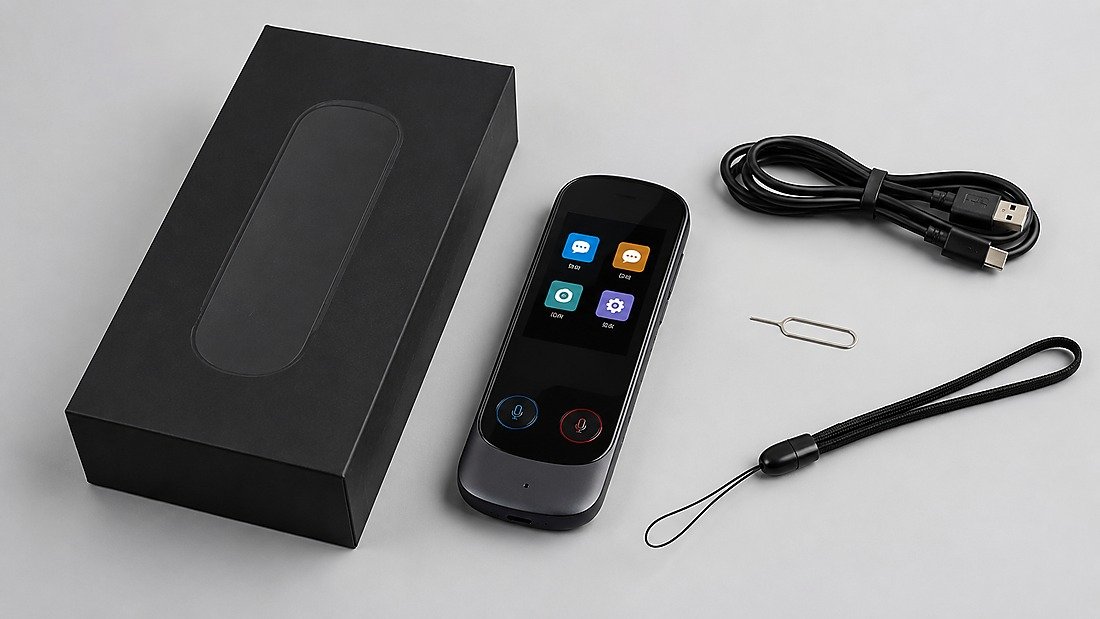
When sourcing AI translators for Southeast Asia, E-commerce sellers must verify offline translation quality for major regional languages, confirm MOQ and lead times, and ensure certification and battery shipping documentation for each destination market. This guide gives you seven checks to run before you send an RFQ, so you compare suppliers on data instead of promises. Use it whether you are adding a new SKU to a Shopee store or negotiating a private-label run.
Table of Contents
Table of Contents
AI Translators for Southeast Asia: Table of Contents
Short Answer
The safest way to source AI translators for Southeast Asia is to test offline language accuracy for Thai, Vietnamese, Bahasa Indonesia, and Filipino first, then confirm battery documentation and destination certifications before you place a bulk order. Suppliers who provide sample units, region-specific firmware, and complete UN38.3 and MSDS files are typically easier to scale with than the lowest-priced option.
Key Takeaways
- Offline coverage of Southeast Asian languages matters more than the total number of languages claimed.
- Two-way voice translation and noise handling separate usable retail SKUs from returns.
- Battery capacity directly affects air freight eligibility under IATA rules.
- MOQ, tooling, and lead time should be confirmed in writing before you pay a deposit.
- Certification needs vary by country; verify per market rather than assuming one file works everywhere.
- Firmware updates and app support protect your customer reviews after launch.
Key Facts for Buyers
| Factor | What to Verify | Why It Matters |
|---|---|---|
| Offline languages | Thai, Vietnamese, Indonesian, Filipino | Travelers lose signal; offline is the selling point |
| Battery | Wh rating, UN38.3 report | Air freight and customs acceptance |
| MOQ | Units and color mix | Cash flow and inventory risk |
| Certifications | Per-country approvals | Market entry and customs clearance |
| App support | Update frequency and language | Post-sale reliability and reviews |
Check 1: Real Offline Language Coverage
Many spec sheets list dozens of languages, but buyers targeting Southeast Asia should focus on the languages their customers actually speak. Thai, Vietnamese, Bahasa Indonesia, and Filipino are the top four to confirm for offline mode. Online mode can use cloud translation, but your product promise should hold without a hotspot.
Ask for a sample unit and test sentences that travelers use: directions, food allergies, hotel check-in, and price negotiation. Record pass or fail for each language. This test is more reliable than a marketing chart because it reflects real accents and noise.
For stores on Shopee, Lazada, or TikTok Shop, offline accuracy is a review driver. Buyers who cannot get a translation will return the unit, and returns erode margin faster than a slightly higher unit cost.
Check 2: Two-Way Voice and Accuracy
Two-way voice translation means the device can listen and speak in both directions without passing the phone between speakers. For E-commerce sellers, this is a primary buying trigger. Test both directions for at least three Southeast Asian languages.
Noise handling matters in real use. A market, airport, or street context is very different from a quiet office. Ask the supplier whether the device uses dual microphones or beamforming, and test in a noisy room before you commit.
If you plan a private-label line, discuss the AI Translators platform early, because firmware and microphone choices may be fixed per model. Changing them later can require new tooling and a new certification cycle.
Check 3: Battery Capacity and Airline Safety
Battery capacity affects both runtime and shipping. Under IATA rules, lithium batteries are classified by Watt-hour (Wh) rating, and carriers apply different limits for carry-on and cargo. Ask for the Wh rating and the UN38.3 test summary before you quote shipping.
MSDS and UN38.3 documents are commonly requested by freight forwarders. If a supplier cannot provide them, you may face delays or rejected shipments, especially for air freight into island markets.
Runtime claims should be tested. A translator that claims 10 hours but delivers 4 will generate reviews that hurt the listing. Test at typical brightness and volume, and note whether translation is offline or cloud-based, since cloud use drains faster.
Check 4: Connectivity and Region Bands
Some AI translators use Wi-Fi and Bluetooth, while others include a SIM slot. If the model supports cellular, confirm the LTE bands used in your target countries. A device that lacks a local band may still translate over Wi-Fi, but consumers who expect cellular will be disappointed.
Bluetooth pairing with earbuds and phones should be tested for pairing stability. Region-specific Wi-Fi channels should also be checked for compliance with local regulators.
If your buyers include business travelers, consider how the device handles roaming. A Wi-Fi-first unit with downloadable offline packs is often easier to support than a cellular model that depends on local SIM activation.
Check 5: MOQ, Tooling and Lead Time
MOQ defines your first order risk. Ask for the MOQ in units and the minimum per color. Many factories quote a low unit MOQ but require a higher total across colors, so confirm both numbers.
Tooling and customization add lead time. Logo printing is usually fast, but custom housings, new molds, or custom packaging can add weeks. Get a written schedule with the following milestones: sample approval, deposit, mass production, QC, and shipment.
Payment terms matter for cash flow. Typical structures are a deposit before production and the balance before shipment. If you plan repeat orders, negotiate a framework that keeps inventory moving without tying up too much cash.
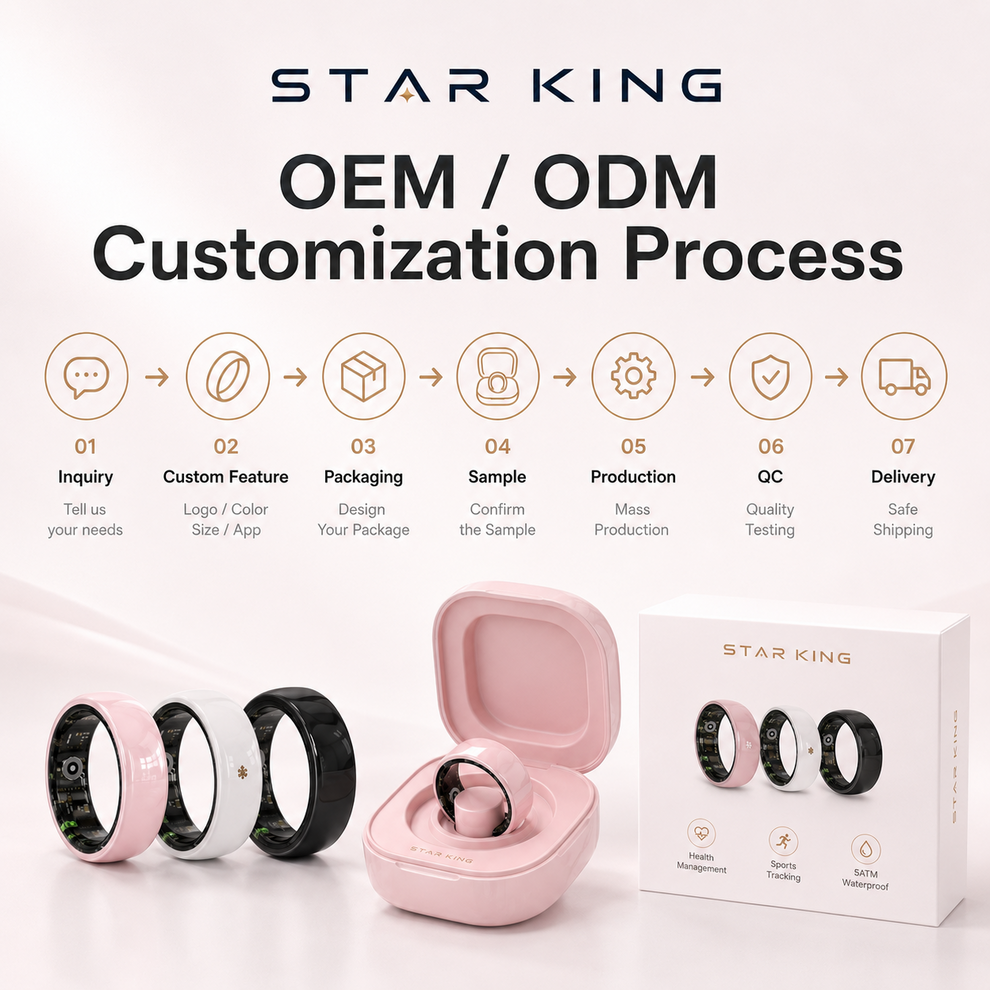
For more on private-label structures, the Private Label OEM/ODM solution page outlines common customization paths for hardware brands.
Check 6: Software and App Support
The app and firmware are part of the product. Ask how often firmware is updated and whether updates are delivered over the air or require a cable. An app that is only available in one language will limit your Southeast Asia reach.
Data handling should be clarified. If the app stores voice or translation history, confirm whether data is stored locally or in the cloud, and how users can delete it. Buyers increasingly ask about privacy, and sellers should be ready with an answer.
API or SDK access can matter if you want to integrate translation into a wider service. Not all suppliers offer this, so raise it during the RFQ stage rather than after the order is placed.
Check 7: Certifications for Southeast Asia
Certification requirements vary by country and by product configuration. In many Southeast Asian markets, importers may need to show conformity documents, and telecom or wireless approvals may apply if the device transmits. CE and FCC marks are common reference points, but they are not a substitute for local requirements.
Ask the supplier which certifications are already held for the exact model you are buying, and which must be obtained by you as the importer. Do not assume a certificate held for one model applies to a variant with a different radio or battery.
For official reference, buyers can review the FCC equipment authorization procedures and the IATA lithium battery guidance. These sources explain the framework, but local in-country rules still apply.
Comparison: Offline vs Online Translation
| Feature | Offline | Online / Cloud |
|---|---|---|
| Works without data | Yes | No |
| Language pack size | Limited by storage | Unlimited |
| Accuracy in quiet settings | Good | Very good |
| Battery drain | Lower | Higher |
| Privacy | On-device | Cloud dependent |
Common Mistakes
- Ordering based on total language count instead of Southeast Asian language quality.
- Skipping a sample test and relying on spec sheets.
- Ignoring battery documentation until freight booking.
- Assuming one certification covers every Southeast Asian country.
- Choosing the lowest quote without checking lead time and after-sales support.
Buyer Red Flags
- Supplier cannot provide UN38.3 or MSDS documents.
- MOQ changes after you request a sample.
- No clear firmware update path or app language support.
- Certification claims that are vague or not linked to a specific model.
Practical Buyer Checklist
- Test offline accuracy for Thai, Vietnamese, Bahasa Indonesia, and Filipino.
- Confirm two-way voice direction and noise performance.
- Request Wh rating, UN38.3, and MSDS.
- Verify LTE bands or Wi-Fi compliance for each market.
- Lock MOQ, color mix, tooling, and lead time in writing.
- Review app language support and data policy.
- List required certifications per destination country.
FAQ
What is a realistic MOQ for AI translators?
MOQ varies by supplier and customization level. Standard models may start lower than fully custom housing runs. Confirm the unit MOQ and the per-color minimum in writing before you pay a deposit.
How long does shipping take to Southeast Asia?
Transit time depends on the shipping method and destination. Air freight is faster but stricter on battery documentation; sea freight is slower but often cheaper for larger volumes. Build buffer time into your launch plan.
Do I need local certifications to sell AI translators in Southeast Asia?
Requirements vary by country and product configuration. Some markets require telecom or wireless approval, and importers may need to hold certain conformity documents. Buyers should verify with a local compliance adviser before importing.
Can I private-label an AI translator with my brand?
Many suppliers offer logo, packaging, and app branding options. The scope depends on the model and order volume. Ask for a written customization list and the associated tooling or setup costs.
What should I test first on a sample unit?
Start with offline translation accuracy for your top three languages, then test two-way voice, battery runtime, and Bluetooth pairing. Record results so you can compare suppliers objectively.
How do I compare two AI translator suppliers?
Score each on language accuracy, battery documentation, MOQ, lead time, certification support, and app updates. A simple weighted table keeps the decision factual rather than emotional.
Conclusion
Sourcing AI translators for Southeast Asia rewards preparation. By testing real offline language quality, confirming battery and shipping documents, locking MOQ and lead time, and checking certification needs per market, E-commerce sellers can reduce returns and protect margin. The cheapest quote is rarely the lowest total cost once returns and delays are counted.
Use the seven checks in this guide as your RFQ framework. Share your target countries and languages with a supplier early, and ask for a sample so your decision rests on tested performance rather than a spec sheet. For related sourcing context, see the STAR KING blog.
STAR KING CTA
Ready to move from research to RFQ? Request a quotation for AI translators customized for Southeast Asia, and include your target languages, MOQ, and destination countries so the team can respond with relevant options.
Discuss Your Smart Wearable OEM/ODM Project
Planning a smart ring, smart watch, smart band, AI glasses, AI translator, or AI voice mouse project? Contact STAR KING to discuss product positioning, sample testing, customization scope, certification requirements, lead time, and quotation details.

Team Star King

Scan WhatsApp QR code