Smart Ring Distributor Guide: 10 Pillars to Scale in 2026
Smart Ring Distributor Guide: 10 Pillars to Scale in 2026
As a distributor, your margins, returns rate, and sell-through all depend on getting the smart ring supply decision right the first time. This smart ring distributor guide answers the core question directly: evaluate a supplier across ten pillars — product definition, OEM/ODM model, MOQ and landed cost, sample validation, QC and certifications, lead time, app and firmware support, packaging, warranty, and commercial terms — then place a trial order with pre-agreed acceptance criteria before you commit to volume. Five checks matter most: written firmware/app responsibility, documented UN38.3 and MSDS battery files, an agreed QC plan with pre-shipment inspection, a landed-cost model that survives your retail price, and contract clauses covering tooling and stock continuity.
Table of Contents
Table of Contents
smart ring distributor guide: Table of Contents
- Direct Answer: What Should a Distributor Check First?
- Key Takeaways
- Key Facts for Buyers (2026 Snapshot)
- 1. Define the Smart Ring Offer Before You Source
- 2. Choose the Right Model: Stock, OEM, ODM, Private Label
- 3. MOQ, Pricing and Landed Cost Planning
- 4. Sample Validation and Pilot Orders
- 5. Quality Control and Certification Files
- 6. Lead Time and Production Planning
- 7. App, Firmware and Integration Support
- 8. Packaging, Branding and Retail Readiness
- 9. Warranty, RMA and Spare Parts
- 10. Commercial Terms, IP and Tooling Ownership
- Comparison Table: Supply Model Decision Matrix
- Common Mistakes and Buyer Red Flags
- Practical Buyer Checklist
- FAQ: Smart Ring Sourcing for Distributors
- Conclusion
- Next Step: Request a Quotation
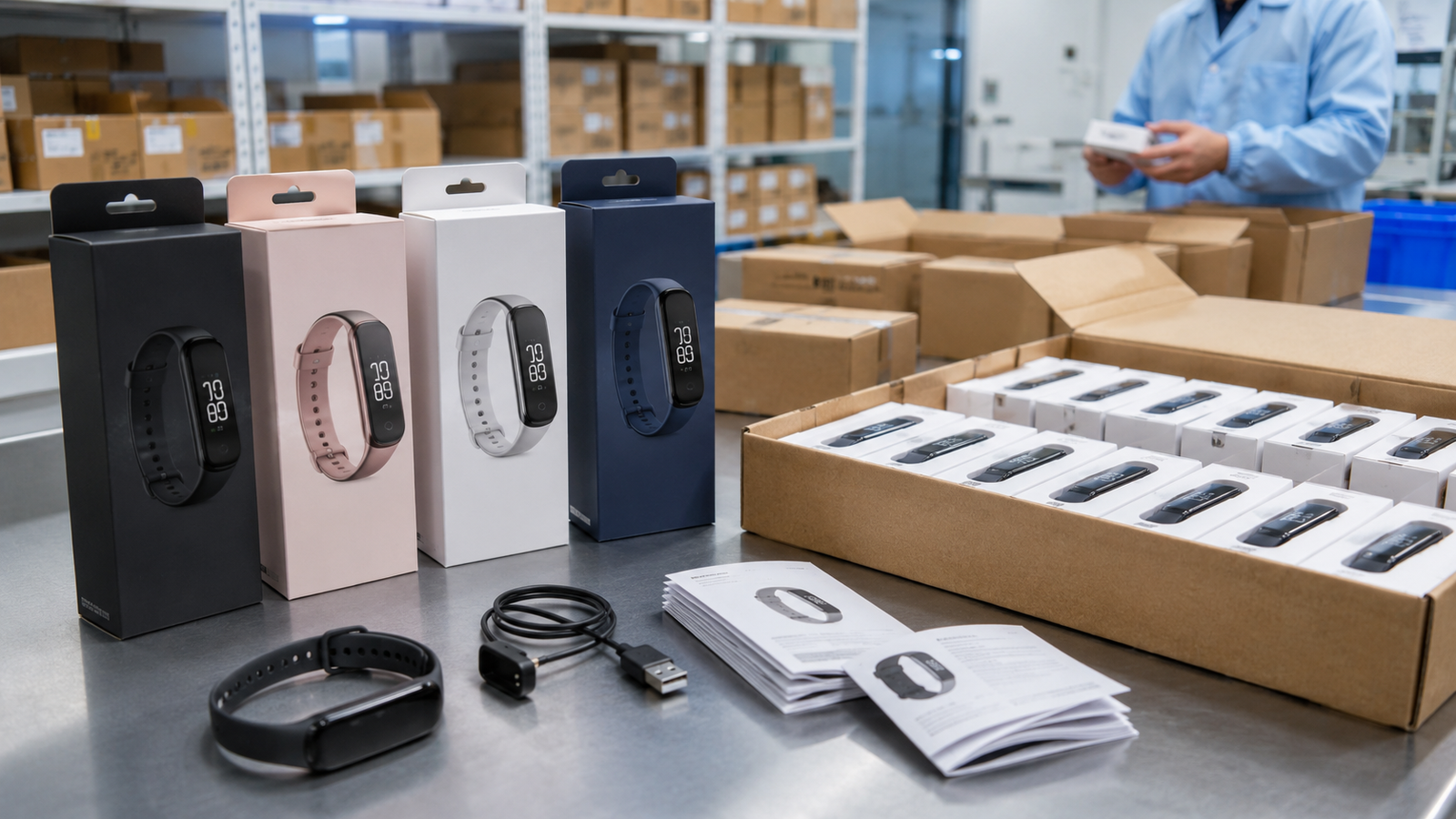
[IMAGE SUGGESTION 3 — alt: "smart ring distributor guide decision checklist for 2026 sourcing teams"]
Direct Answer: What Should a Distributor Check First?
A distributor should first confirm product definition and firmware/app responsibility because those two choices determine what can actually be customized, certified, and supported after launch. Then verify MOQ, tooling fees, and lead time in writing, and validate quality through samples and a pre-shipment inspection plan. Certification requirements typically depend on the specific product configuration and destination market, so buyers should verify applicable standards before finalizing the purchase order.

Key Takeaways
- Start with the market, not the catalog. Decide sensor set, battery target, and app features before requesting quotes.
- OEM and ODM are different commitments. OEM adapts an existing platform; ODM changes design, tooling, and firmware — with different MOQ and timeline implications.
- MOQ is a bundle. Ring hardware, charging case or dock, color SKUs, and retail packaging may each carry minimums.
- Samples are a test, not a formality. Validate fit, battery endurance, app stability, and data accuracy against written acceptance criteria.
- Battery documentation is not optional. UN38.3 test summaries and MSDS are commonly requested for lithium-powered wearables in air freight.
- Certification is configuration-specific. CE, FCC, RoHS, and Bluetooth SIG qualification may apply — confirm scope with the supplier and your importer.
- Plan warranty and RMA before launch. Return windows, replacement policy, and spare parts availability influence your true cost.
Key Facts for Buyers (2026 Snapshot)
| Decision Area | What to Verify | Why It Matters |
|---|---|---|
| Supplier model | Stock / OEM / ODM / private label capability | Determines customization depth, MOQ, and timeline |
| Customization | Logo, packaging, app branding, firmware features | Defines differentiation and brand value |
| MOQ | Per color, per SKU, per packaging type | Drives cash tied up in slow-moving inventory |
| Sample process | Timeline, fees, sample types available | Validates fit, battery, and app before volume |
| Quality & QC | QC plan, pre-shipment inspection, defect rate | Protects returns rate and marketplace rating |
| Certification | CE, FCC, RoHS, Bluetooth SIG, UN38.3, MSDS | Supports customs clearance and retail listings |
| Lead time | Sample, production, QC, and shipping stages | Aligns launch and replenishment cycles |
| App & firmware | API, data export, localization, update path | Determines long-term user retention |
| Warranty & RMA | Warranty term, replacement policy, spare parts | Controls after-sales cost and reputation |
| Commercial terms | Tooling ownership, exclusivity, payment terms | Protects IP and territory rights |
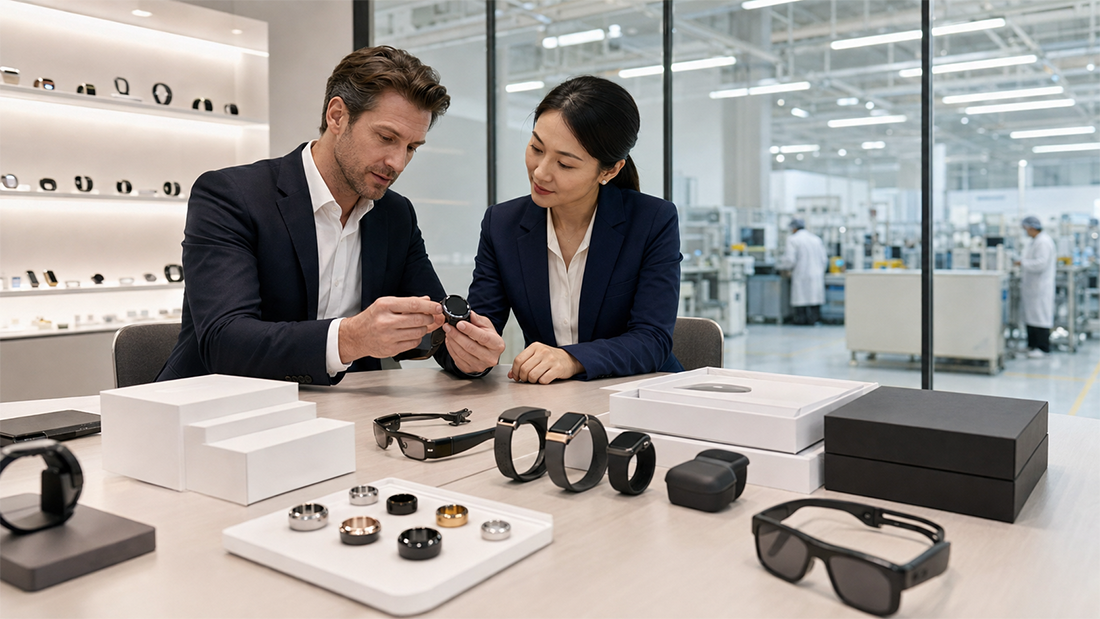
1. Define the Smart Ring Offer Before You Source
Quotes only become comparable when your specification is fixed. Smart rings sold through distribution channels in 2026 typically compete on form factor, battery endurance, sleep and recovery tracking, and app experience. Decide the sensor set, the target battery life between charges, the charging method (case or dock), and whether the ring must support standalone or companion-app use. If your channel sells into sleep and recovery or fitness tracking segments, the accuracy narrative and app stability matter more than adding every possible sensor.
Buyers evaluating smart rings for distribution should map three customer profiles — entry, mid-tier, and premium — and decide which one your first order serves. Attempting to cover all three with one SKU usually produces a product that satisfies nobody and complicates inventory planning.
2. Choose the Right Model: Stock, OEM, ODM, Private Label
Four supply models dominate smart ring sourcing, and each carries a different commitment level.
- Stock/white-label: Fastest route. Limited differentiation, lowest MOQ, minimal engineering involvement.
- OEM: Adapt an existing hardware platform with your logo, packaging, and selected app branding. Moderate MOQ, moderate timeline.
- ODM: Change design or firmware features on a proven platform. Higher MOQ and tooling implications, longer validation cycle.
- Full private label program: Brand ownership across hardware, app, and packaging with a defined support structure. Suitable for distributors with a committed channel and marketing plan.
STAR KING’s private label OEM/ODM program is structured around these model choices; the exact customization scope, minimum order quantity, and lead time are confirmed per project. [STAR KING TO CONFIRM]
3. MOQ, Pricing and Landed Cost Planning
MOQ is rarely a single number. A smart ring order may carry separate minimums for the ring body, the charging accessory, color variants, and retail packaging. Some suppliers also apply a minimum per custom logo position or per app-branding configuration.
Build your landed cost model before negotiation. Include:
- Unit price at the quoted quantity break
- Tooling or setup fees, if any
- Custom packaging and logo costs
- Inspection fees if you use a third-party inspection service
- Freight (air vs. sea), insurance, and duties
- Estimated RMA and warranty reserve (commonly 1–3% of order value for consumer wearables — validate with your own data)
- Payment processing and channel fees in your destination market
A distributor that prices only on unit cost and freight usually discovers the margin problem after the first returns cycle.
4. Sample Validation and Pilot Orders
Samples serve two purposes: they validate the product, and they test the supplier’s process discipline. Request samples that match the exact configuration you intend to order — same firmware build, same app version, same packaging tier if possible.
Define acceptance criteria in writing before samples ship. Typical criteria for a distribution evaluation include:
- Physical fit across multiple finger sizes and both hands
- Battery endurance measured against the supplier’s stated claim under defined use conditions
- App pairing, sync reliability, and firmware update behavior
- Sleep and activity data plausibility (not medical accuracy — consumer wellness tracking only)
- Charging accessory reliability across repeated cycles
- Packaging integrity and print quality
After samples pass, place a pilot order sized to your real channel — often a fraction of the eventual annual volume — and treat it as a full rehearsal of QC, documentation, and shipping.
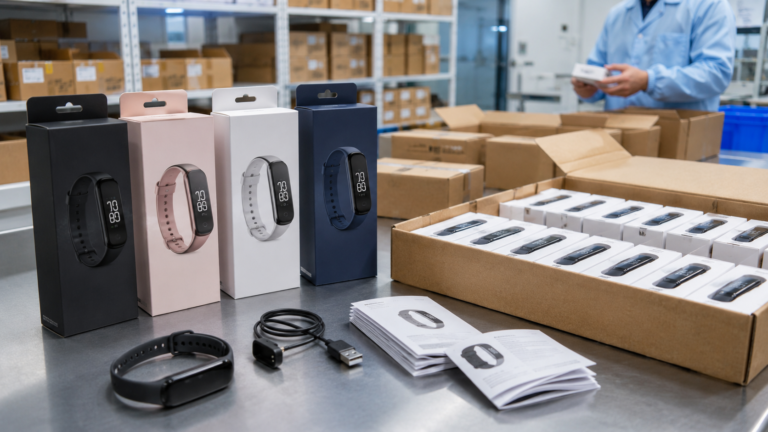
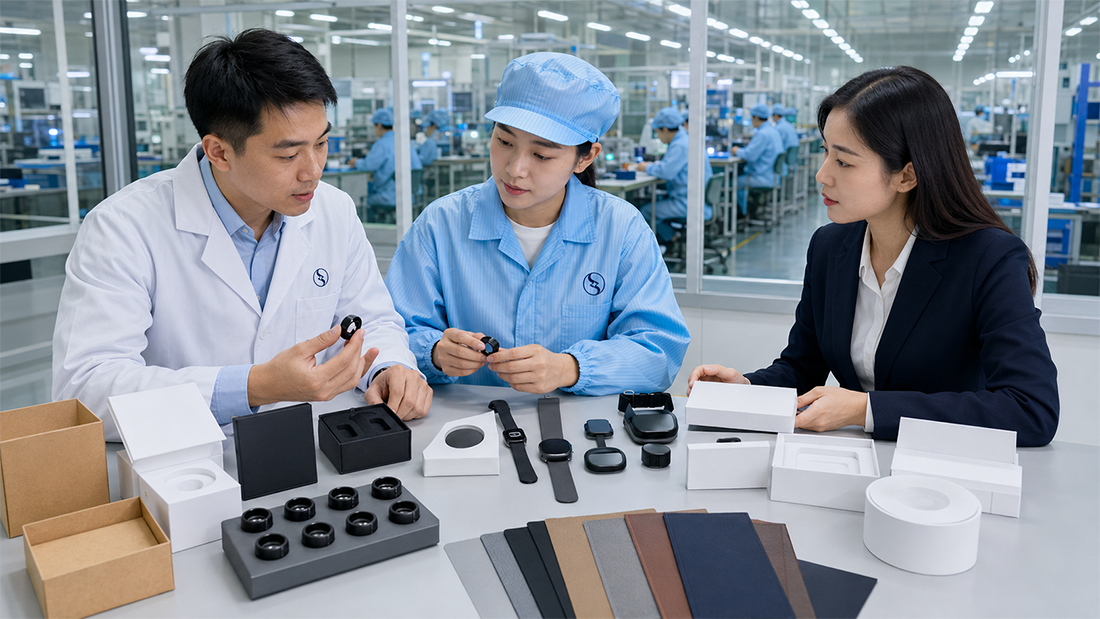
[IMAGE SUGGESTION 2 — alt: "quality control and pre-shipment inspection for smart ring distributor guide"]
5. Quality Control and Certification Files
Quality is a process, not a certificate. Ask how the supplier controls incoming components, in-process assembly, and final testing. A credible smart ring QC plan typically includes functional testing of pairing, charging, and sensor activation, plus cosmetic inspection and battery safety checks. STAR KING’s QC scope and inspection capability should be confirmed against your specific product configuration and your own inspection requirements. [STAR KING TO CONFIRM]
On compliance, avoid assuming that a supplier’s existing certificates cover your configuration. Certification is often specific to the exact model, radio module, battery, and enclosure. For Bluetooth-enabled wearables, Bluetooth SIG qualification is a common requirement for listing and interoperability claims — see the Bluetooth SIG qualification program for the current process. For radio equipment placed on the EU market, the EU Radio Equipment Directive framework generally applies. In the United States, radio-frequency devices are typically subject to FCC equipment authorization rules — review the FCC RF device authorization guidance. For lithium battery transport documentation, a UN 38.3 test summary is commonly requested; the IATA lithium battery guidance is a practical reference for air cargo requirements. Always verify with your importer, customs broker, or compliance lab before shipping.
If your channel includes health-related positioning, be careful: consumer smart rings are wellness devices. They are not medical diagnostic devices, and marketing claims should stay within that boundary. Regulatory classification depends on claims and intended use, and buyers should verify requirements with qualified advisors for their market.
6. Lead Time and Production Planning
Lead time is a chain, not a single figure. Break it into stages: sample approval, component procurement, production, QC, packaging, and freight. Custom tooling or new firmware features add validation time on top. For distributors replenishing a live channel, ask the supplier for a production calendar template and a stated buffer for Chinese New Year and other peak periods.
Plan your first order to arrive before your marketing push, not alongside it. A common distributor error is launching advertising while inventory is still in transit, which wastes spend and invites refunds on unfulfilled orders.
7. App, Firmware and Integration Support
The app is where most smart ring returns originate. Poor pairing, background sync failures, and unclear data presentation generate support tickets even when the hardware performs. For distribution, clarify in writing:
- Whether the app is a supplier-branded app, a private-label app, or a white-label build
- Who owns app store accounts and update responsibility
- Data location, privacy documentation, and account deletion process
- Whether an API or export function is available for your systems
- Firmware update mechanism and rollback behavior
- Language localization required for your markets
- Compatibility with iOS and Android versions in your region
STAR KING’s app and firmware customization options, including any API availability, must be confirmed per project. [STAR KING TO CONFIRM]
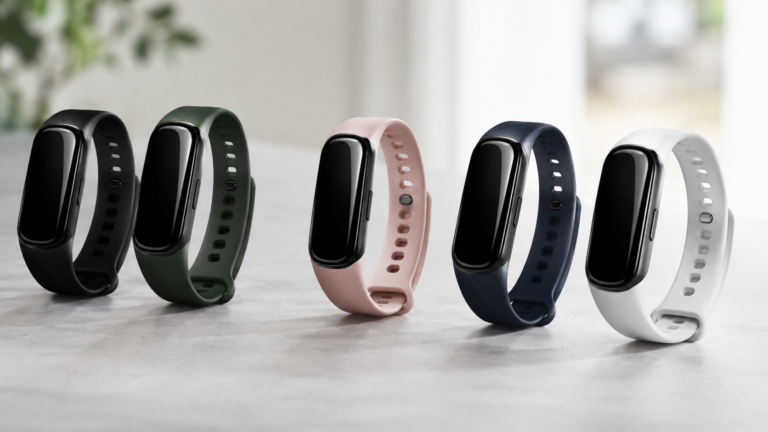
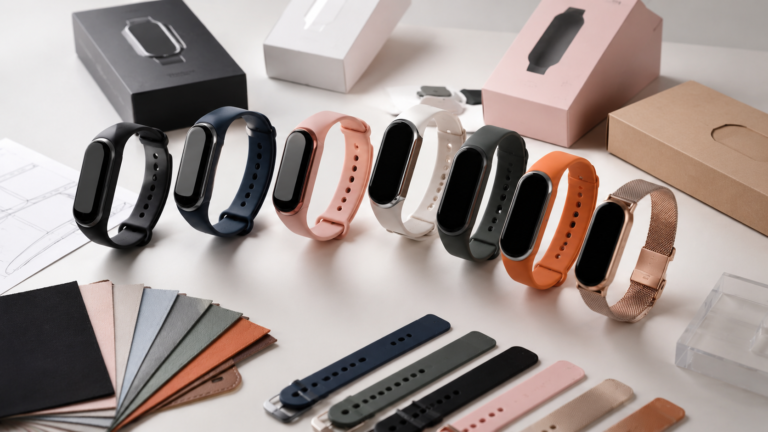
[IMAGE SUGGESTION 1 — alt: "smart ring distributor guide featuring OEM smart ring product configurations"]
8. Packaging, Branding and Retail Readiness
Retail readiness is a checklist: barcode/UPC or EAN placement, legal text per market, language requirements, safety warnings for lithium batteries, and country-of-origin marking. For e-commerce channels, confirm packaging survives parcel handling and that the box contains any required paperwork.
Ask separately about minimum quantity for custom packaging and for logo printing on the ring or charger. Distributors often find that packaging minimums exceed hardware minimums, which changes the launch plan.
9. Warranty, RMA and Spare Parts
After-sales economics decide whether a smart ring line stays profitable. Confirm the warranty term, what is covered (battery degradation, water ingress, sensor failure), and how returns are processed. Ask who pays return freight, whether replacements ship from the factory or a regional location, and whether spare chargers and ring sizes can be ordered separately.
If you sell on marketplaces, your returns window may be shorter than your supplier warranty. Align them, or budget for the gap.
10. Commercial Terms, IP and Tooling Ownership
Before committing to ODM or private label, settle ownership questions: Who owns the tooling? What happens to tooling if the relationship ends? Does the supplier sell the same design to other buyers in your territory? What confidentiality terms cover your brand assets? What is the payment schedule and what triggers each payment?
For distributors, exclusivity is often the most valuable and least-discussed term. Ask directly whether territory or channel exclusivity is available, and under what volume commitment. [STAR KING TO CONFIRM]
Comparison Table: Supply Model Decision Matrix
| Factor | Stock / White-Label | OEM | ODM / Private Label |
|---|---|---|---|
| Differentiation | Low | Medium (logo, packaging, app skin) | High (design, firmware, branding) |
| MOQ | Lowest | Moderate | Highest |
| Tooling cost | None | Usually none | Often applicable |
| Sample timeline | Short | Moderate | Longest (validation cycles) |
| Certification scope | Supplier’s existing scope | May need re-scope for logo/app changes | Typically re-tested per configuration |
| Best channel fit | Amazon/e-commerce test | Regional distribution | Brand-building distributors |
| Key risk | Commodity pricing pressure | Differentiation insufficient | Higher upfront investment |
Distributors comparing these paths often find that a staged approach works best: white-label for market testing, then OEM branding for the winning SKU, then ODM for the hero product. STAR KING reviews product options and supply models with buyers during quotation — see the smart retail and e-commerce solutions overview for channel context.
Common Mistakes and Buyer Red Flags
Common Mistakes
- Comparing quotes without a fixed specification
- Ignoring packaging and tooling minimums when budgeting
- Skipping written acceptance criteria for samples
- Assuming existing certifications cover a modified configuration
- Launching marketing before inventory clears customs
- Not planning spare chargers and ring sizes for RMA
Buyer Red Flags
- Refusing to provide written QC process or inspection access
- Claiming universal certification without model-level scope
- Medical or diagnostic claims about wellness tracking
- Verbal-only commitments on MOQ, lead time, or exclusivity
- Unclear ownership of app accounts or customer data
- Reluctance to share UN38.3 summaries or MSDS documentation
Practical Buyer Checklist
- Specification sheet locked for each SKU
- Supply model selected (stock, OEM, ODM, private label)
- MOQ confirmed per color, per packaging type, per accessory
- Landed cost model built, including warranty reserve
- Samples received and tested against written criteria
- QC plan and pre-shipment inspection terms agreed
- Certification scope confirmed for target markets
- UN38.3 summary and MSDS requested for battery transport
- Production calendar with stage-by-stage lead times received
- App ownership, update responsibility, and data policy documented
- Packaging artwork approved with legal text verified
- Warranty, RMA, and spare parts plan in place
- Tooling, IP, and exclusivity terms in the contract
FAQ: Smart Ring Sourcing for Distributors
What MOQ should a distributor expect for smart rings?
MOQ varies by supply model and customization depth. White-label orders generally carry the lowest minimums; OEM branding raises them moderately; ODM or full private label programs typically require the highest volumes. Confirm MOQ separately for hardware, packaging, and color variants.
Are smart ring certifications transferable to my brand?
Not automatically. Certificates are usually issued for a specific model and configuration. A logo change, app change, or component substitution can require re-testing or a new filing. Verify with the supplier and your compliance lab.
How long does sampling take before a bulk order?
Timelines depend on whether the configuration already exists. Stock samples ship quickly; OEM and ODM samples require design, firmware, and packaging iterations. Ask for a written sample schedule with milestones. [STAR KING TO CONFIRM]
What battery documents do I need for shipping?
For lithium-powered wearables, a UN 38.3 test summary and a safety data sheet (MSDS) are commonly requested by carriers. Air freight rules can differ from sea freight, so confirm with your freight forwarder before booking.
Can I get a private-label app with my brand?
Private-label app options exist in the market, but scope, cost, and store-account ownership vary widely. Confirm who publishes the app, who maintains updates, and how customer data is handled.
How should I handle warranty for a smart ring line?
Agree on warranty term, covered failure types, return freight responsibility, and replacement logistics. Budget a returns reserve based on your channel’s actual return rate rather than industry averages.
What is the biggest sourcing risk for new distributors?
Undefined specifications combined with verbal commitments. Fix the spec, get terms in writing, and validate with samples and a pilot order before scaling.
Conclusion
Distributors win in smart rings by treating the supply decision as ten connected pillars rather than a price negotiation. Lock the specification, choose the right supply model, model landed cost honestly, validate with samples, and document quality, certification, and app responsibilities. Do the work upfront, and your first container becomes a launch instead of a learning expense.
Next Step: Request a Quotation
If you are ready to compare smart ring configurations, supply models, and customization scope for your market, request a quotation and share your target specifications, volumes, and destination markets. STAR KING can review OEM/ODM and private label options, sample availability, and certification scope for your project, so you can make the buy decision with the right facts in hand.
Discuss Your Smart Wearable OEM/ODM Project
Planning a smart ring, smart watch, smart band, AI glasses, AI translator, or AI voice mouse project? Contact STAR KING to discuss product positioning, sample testing, customization scope, certification requirements, lead time, and quotation details.

Team Star King
Scan WhatsApp QR code