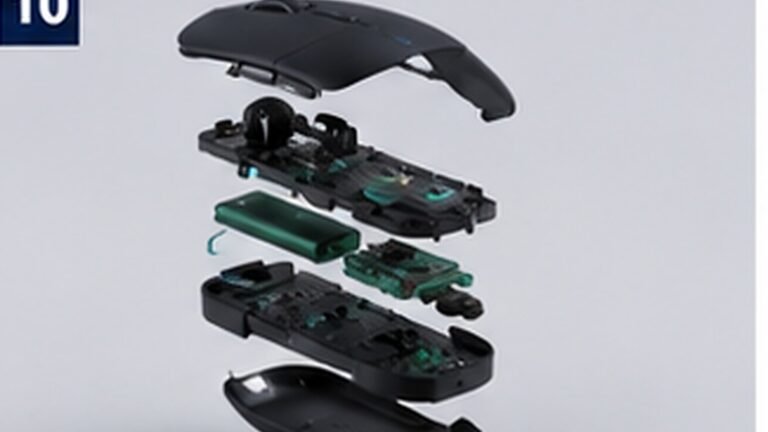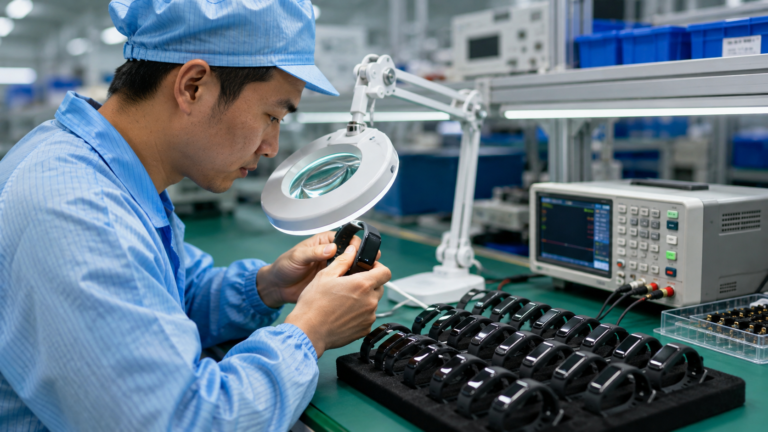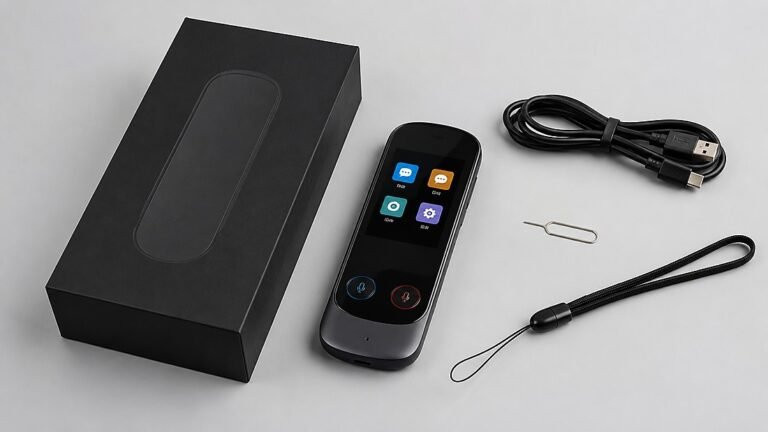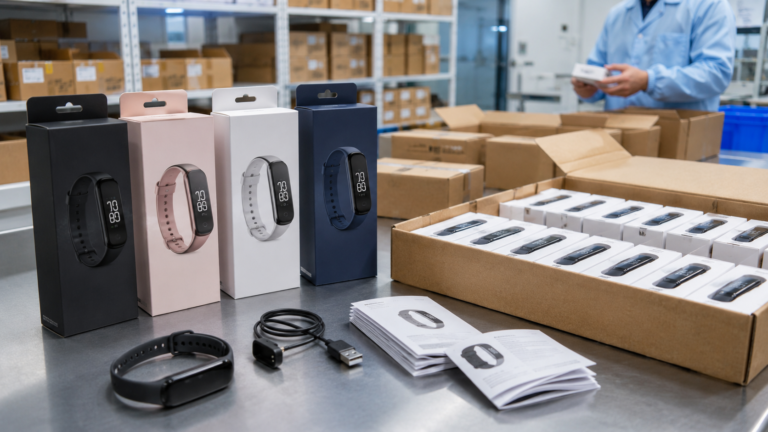
AI voice mouse OEM sourcing: AI Voice Mouse for Middle East Importers: 2026 OEM Sourcing Guide
AI Voice Mouse for Middle East Importers: 2026 OEM Sourcing Guide
AI voice mouse OEM sourcing in the Middle East requires a supplier who can deliver Arabic language support, CE/RoHS compliance, and private label packaging coordinated with GCC market entry. This 2026 guide gives importers a 7‑step RFQ framework covering MOQ, quality, certifications, lead time, and landed cost. STAR KING provides AI voice mouse OEM and private label solutions with flexible sample development. Request a formal quotation to start the RFQ process.
Table of Contents
Table of Contents
AI voice mouse OEM sourcing: Table of Contents
- Short Answer
- Key Takeaways
- Key Facts for Buyers
- Step 1: Confirm the Product Specification
- Step 2: Choose the Right Sourcing Model
- Step 3: Verify Arabic Language Support
- Step 4: Test Quality and Software Reliability
- Step 5: Navigate Certifications and Compliance
- Step 6: Plan Lead Time and Shipping
- Step 7: Build the Landed Cost Model
- Practical Buyer Checklist
- Common Mistakes and Red Flags
- FAQ
- Conclusion
Short Answer
Evaluate an AI voice mouse supplier on Arabic language support, software stability, MOQ flexibility, and certification readiness for GCC states — not just unit price. STAR KING supports OEM and private label projects with sample development, firmware and app customization, and packaging localization. Buyers should verify Arabic accuracy, land‑ed cost, and lead time before committing. Use the 7 criteria in this guide to structure your RFQ.
Key Takeaways
- Arabic language support is the single biggest differentiator for Middle East AI voice mouse OEM sourcing.
- Price varies 30–60% between entry and premium models; landed cost includes 5–15% duties and 5% VAT in many GCC states.
- MOQ typically ranges from 500 to 3,000 units depending on customization level.
- CE and RoHS matter for re‑export; GCC conformity marks may require in‑country testing.
- Lead time averages 20–45 days; allow 30+ days for the first customized production order.
- Quality validation should include drop, aging, and software stability testing.
- Private label buyers own packaging and branding; confirm tooling and firmware ownership early.

Key Facts for Buyers
| Factor | Typical Range / Consideration | Why It Matters |
|---|---|---|
| MOQ | 500–3,000 units | Impacts cash flow and negotiation |
| Unit price (FOB) | $12–$35 | Drives gross margin |
| Landed cost adders | 5–15% duty + 5% VAT (varies) | Final retail price |
| Lead time | 20–45 days | Inventory planning |
| Certifications | CE, RoHS, FCC, GCC | Market entry, re‑export |
| Arabic support | Varies by model/firmware | Adoption and return rates |
| Warranty | 12 months standard | After‑sales cost |
| Sample development | 7–15 days | Validation before mass order |
Buyers should verify each value with the supplier and their customs broker before signing.
For distributors, an AI voice mouse is not just another accessory — it is an office productivity device that must work flawlessly in Arabic and English. The best AI voice mouse OEM sourcing strategy is not the lowest quote; it is the supplier who can deliver consistent voice accuracy, compliant hardware, and scalable private label support across GCC markets.
If you are drafting an RFQ for an AI voice mouse program, review STAR KING AI voice mouse models or book a short call to discuss your configuration. Request a quote.
Not sure where to start? Get a tailored quote →
Useful Official References for Buyers
- FCC equipment authorization guidance
- European Commission CE marking information
- Bluetooth SIG specifications
Discuss Your Smart Wearable OEM/ODM Project
Planning a smart ring, smart watch, smart band, AI glasses, AI translator, or AI voice mouse project? Contact STAR KING to discuss product positioning, sample testing, customization scope, certification requirements, lead time, and quotation details.

Team Star King

Scan WhatsApp QR code