
sourcing AI translators: 7 Critical Checks for Retail Chains Sourcing AI Translators from Southeast Asia in 2026
November 6, 2026 · Team Star King
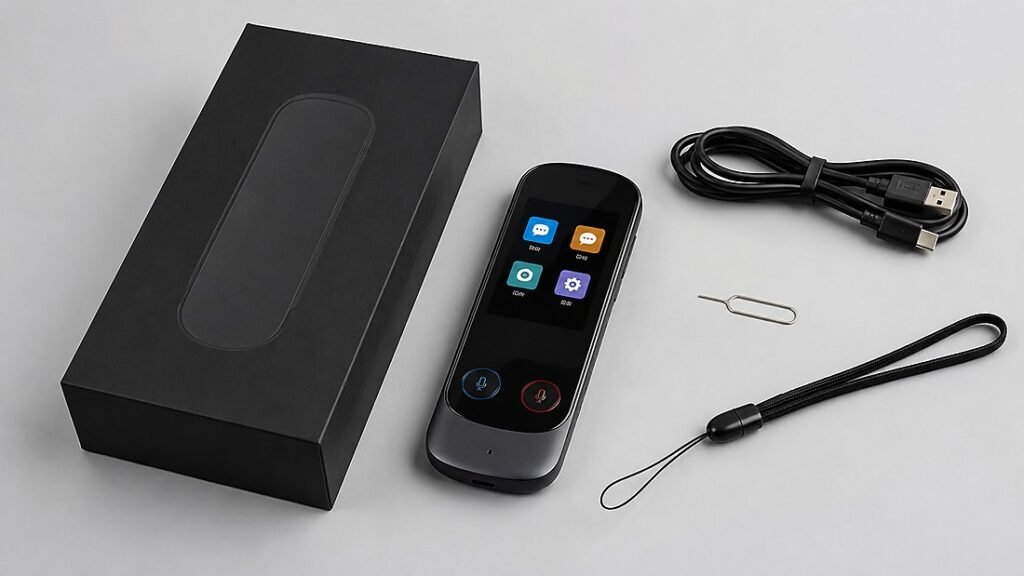
7 Critical Checks for Retail Chains Sourcing AI Translators from Southeast Asia in 2026
When sourcing AI translators for retail distribution in Southeast Asia, retail chains should prioritize language accuracy for local languages, supplier manufacturing experience, compliance with local import regulations, and after-sales support. A structured evaluation of these factors reduces risks and ensures product-market fit across diverse markets like Indonesia, Thailand, and Vietnam.
Table of Contents
Table of Contents
sourcing AI translators: Table of Contents
- Short Answer
- Key Takeaways
- Key Facts for Buyers
- 1. Language Accuracy and Localization
- 2. Supplier Evaluation and Manufacturing Capability
- 3. Product Specifications and Feature Trade-offs
- 4. Quality Control and Testing Protocols
- 5. Certifications and Import Compliance
- 6. Customization and Branding Options
- 7. MOQ, Pricing, and Lead Time Planning
- Common Mistakes and Buyer Red Flags
- Practical Buyer Checklist
- FAQ
- Conclusion
Short Answer
Retail chains sourcing AI translators for Southeast Asia should evaluate suppliers on seven critical checks: language accuracy for local languages, manufacturing experience, product specifications, quality control, certifications, customization options, and MOQ/lead time. Prioritizing these factors ensures compliance, market fit, and profitability.
Key Takeaways
- Language accuracy for Southeast Asian languages is crucial for consumer adoption.
- Supplier evaluation should include manufacturing capability, quality control, and certification support.
- Retail chains must verify import compliance, including CE, FCC, and local regulations.
- Customization options like branding and packaging enhance retail appeal.
- Understanding MOQ and lead times helps manage inventory and costs.
Key Facts for Buyers
| Factor | Consideration | Typical Range/Note |
|---|---|---|
| Languages Supported | Must include major SEA languages | Indonesian, Thai, Vietnamese, Malay, Filipino |
| Connectivity | Wi-Fi, Bluetooth, offline mode | Offline translation important for rural areas |
| Battery Life | Usage time per charge | 8-12 hours typical |
| Certifications | CE, FCC, RoHS, local | Verify per country |
| MOQ | Minimum order quantity | 500-1000 units for OEM |
| Lead Time | Production and shipping | 30-60 days |

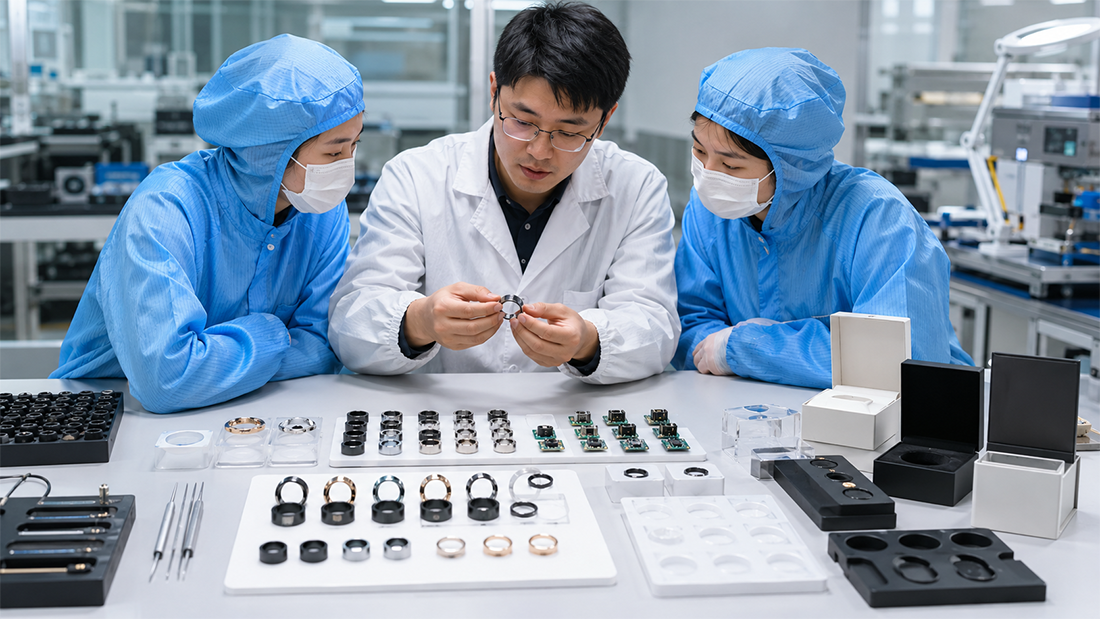
Suggested image: Retail display of AI translators in a Southeast Asian store.
1. Language Accuracy and Localization
For retail chains in Southeast Asia, AI translators must accurately handle local languages such as Indonesian, Thai, Vietnamese, Malay, and Filipino. Poor translation quality leads to customer dissatisfaction and returns. Evaluate suppliers by requesting sample translations and testing in real-world scenarios. Consider offline translation capabilities, as internet connectivity may be unreliable in some areas.
Key considerations:
- Support for major Southeast Asian languages.
- Accent and dialect recognition.
- Offline translation mode.
- Regular updates to language models.
2. Supplier Evaluation and Manufacturing Capability
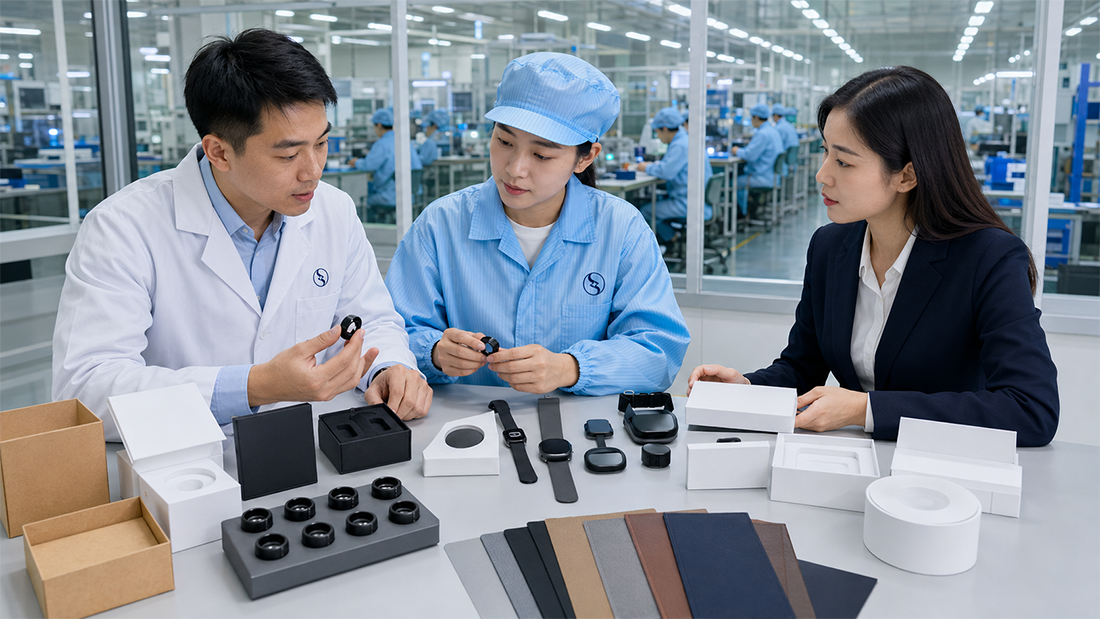
Assess the supplier’s experience in producing AI translators and their manufacturing capabilities. Look for evidence of quality management systems, such as ISO 9001, and experience with international clients. Request factory audit reports and client references. A supplier with a robust R&D team can offer firmware updates and customization.
For more on evaluating manufacturers, see our guide on supplier evaluation.
3. Product Specifications and Feature Trade-offs
Compare specifications across suppliers: translation accuracy, supported languages, battery life, connectivity options, and form factor. Decide between handheld devices, earbuds, or app-based solutions. Trade-offs include cost versus features; for example, offline translation may increase cost but adds value in areas with poor connectivity.
| Feature | Option A | Option B | Consideration |
|---|---|---|---|
| Languages | 50+ languages | 30 languages | More languages = broader appeal |
| Offline Mode | Yes | No | Offline essential for rural areas |
| Battery Life | 12 hours | 8 hours | Longer battery better for travel |
| Price | Higher | Lower | Balance cost and features |
4. Quality Control and Testing Protocols
Ensure the supplier follows strict quality control procedures, including pre-shipment inspections and product testing. Ask for testing reports on translation accuracy, battery safety, and drop testing. A reliable supplier will have documented QC processes and offer third-party inspection reports.
Learn more about private label solutions that include quality assurance.
5. Certifications and Import Compliance
AI translators are electronic devices and typically require certifications such as CE, FCC, and RoHS for import into Southeast Asian countries. Additionally, some countries have specific requirements, such as Indonesia’s SDPPI for wireless devices. Verify that the supplier can provide necessary documentation and that products comply with local regulations. Certification requirements may vary by country and product configuration.
For official information, refer to FCC and EU CE marking.
6. Customization and Branding Options
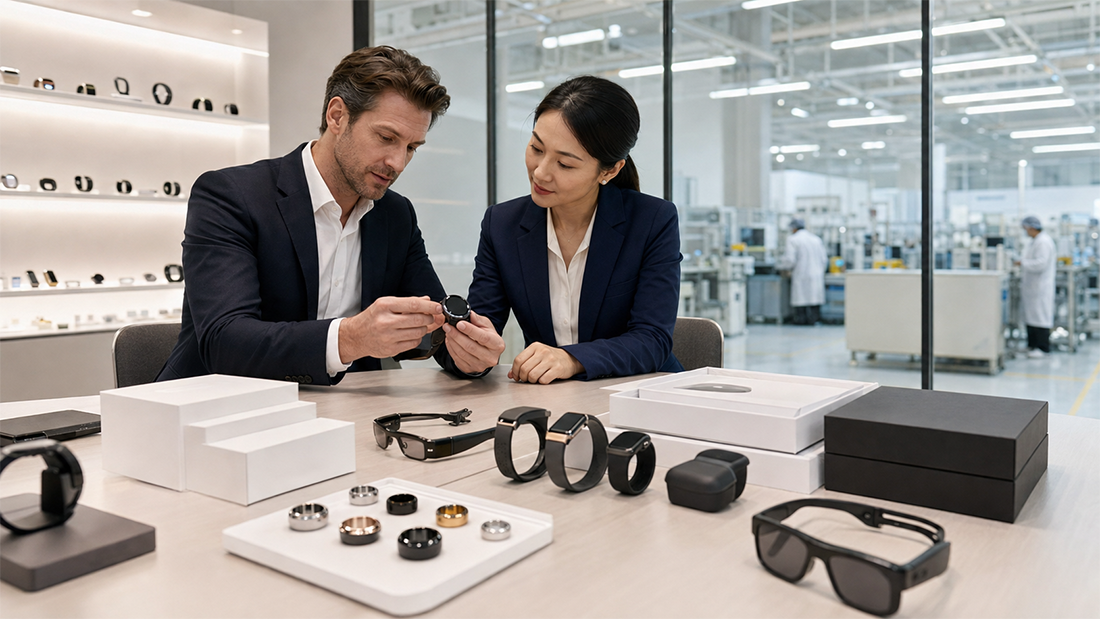
Retail chains often require private label solutions to build brand loyalty. Check if the supplier offers customization of logo, packaging, and firmware. For example, pre-installed language packs or branded user interfaces can differentiate your product. Confirm minimum order quantities for customization and associated costs.
Explore AI translators for customization options.
7. MOQ, Pricing, and Lead Time Planning
Understand the supplier’s MOQ, pricing structure, and lead times. MOQs for AI translators typically range from 500 to 1,000 units for OEM orders. Pricing depends on specifications, order volume, and customization. Lead times are usually 30-60 days, but plan for potential delays. Consider total landed cost, including shipping and import duties.
Common Mistakes and Buyer Red Flags
- Ignoring local language accuracy.
- Overlooking certification requirements.
- Choosing suppliers without factory audits.
- Underestimating lead times and logistics.
- Failing to request sample testing.
Practical Buyer Checklist
- Confirm language support for target markets.
- Request sample units for accuracy testing.
- Verify certifications and compliance documents.
- Conduct a factory audit or request audit reports.
- Clarify MOQ, pricing, and lead times.
- Discuss customization options and costs.
- Review warranty and after-sales support.
FAQ
1. What languages should AI translators support for Southeast Asia?
At minimum, Indonesian, Thai, Vietnamese, Malay, and Filipino. Additional languages like Mandarin and English are beneficial for tourism and business.
2. Are certifications mandatory for importing AI translators?
Yes, typically CE, FCC, and RoHS are required; some countries have additional local certifications. Verify with your supplier and local authorities.
3. What is a typical MOQ for private label AI translators?
MOQs usually range from 500 to 1,000 units, but this varies by supplier and customization level.
4. How can I ensure translation accuracy?
Request sample units and test with native speakers in real-world scenarios. Check for regular firmware updates.
5. What after-sales support should I expect?
Suppliers should offer a warranty (typically 1 year) and spare parts availability. Clarify the process for defective units.
Conclusion
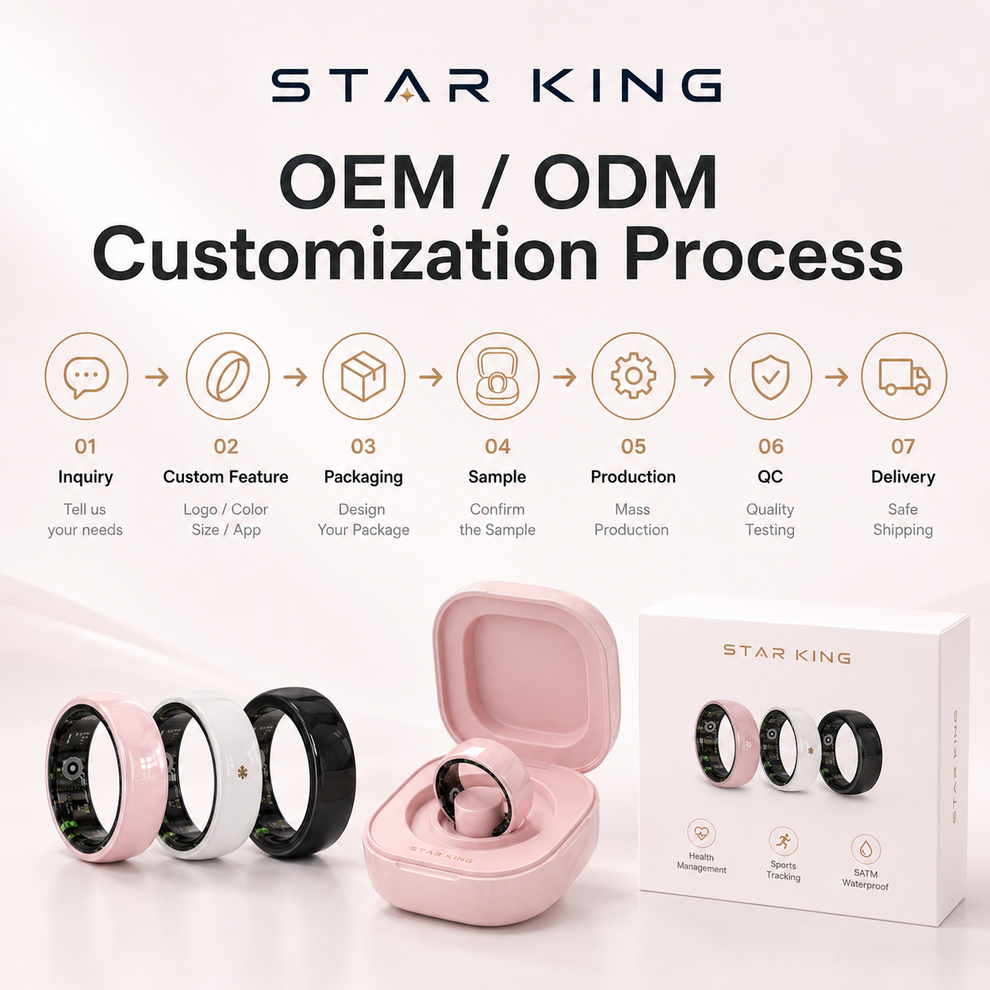
Sourcing AI translators for retail chains in Southeast Asia requires careful evaluation of language accuracy, supplier reliability, compliance, and customization. By following these seven checks, retail chains can mitigate risks and successfully launch products. STAR KING offers OEM/ODM services for AI translators with a focus on quality and customization.
Ready to evaluate AI translators for your retail chain? Request product samples to test language accuracy and build quality.
Discuss Your Smart Wearable OEM/ODM Project
Planning a smart ring, smart watch, smart band, AI glasses, AI translator, or AI voice mouse project? Contact STAR KING to discuss product positioning, sample testing, customization scope, certification requirements, lead time, and quotation details.

Team Star King

Scan WhatsApp QR code
Leave a Reply