
sourcing AI translators: 7 Critical Checks Before Sourcing AI Translators for Southeast Asia E-commerce in 2026
October 22, 2026 · Team Star King
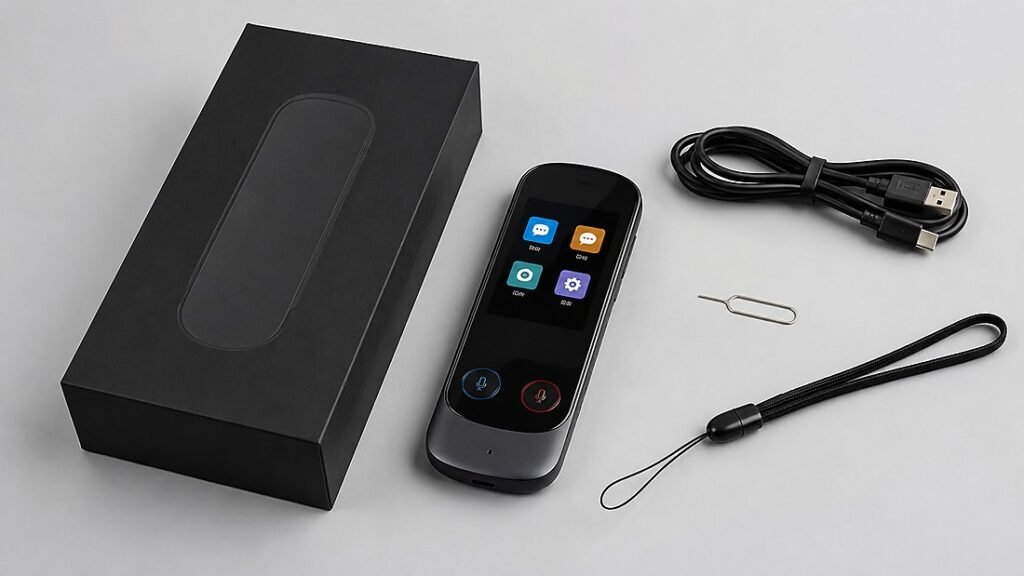
7 Critical Checks Before Sourcing AI Translators for Southeast Asia E-commerce in 2026
If you are sourcing AI translators for Southeast Asia e-commerce, start by verifying offline language accuracy, Bluetooth and app stability, battery safety compliance, and clear OEM/private-label terms before placing a bulk order. Southeast Asia’s multilingual buyer base makes real-time translation devices attractive, but unit economics and after-sales risk depend on supplier diligence. This guide gives e-commerce sellers seven practical checks to evaluate AI translator suppliers for the region in 2026.
Table of Contents
Table of Contents
sourcing AI translators: Table of Contents
- Short Answer
- Key Takeaways
- Key Facts for Buyers
- 1. Language Coverage and Offline Accuracy
- 2. Connectivity, App Ecosystem, and Firmware Updates
- 3. Battery, Charging, and UN38.3 Safety
- 4. Certification and Import Compliance for SEA Markets
- 5. Hardware Design and Build Quality
- 6. OEM/ODM and Private Label Flexibility
- 7. MOQ, Lead Time, and Landed Cost
- AI Translator Supplier Comparison Table
- Common Mistakes and Buyer Red Flags
- Practical Buyer Checklist
- FAQ
- Conclusion
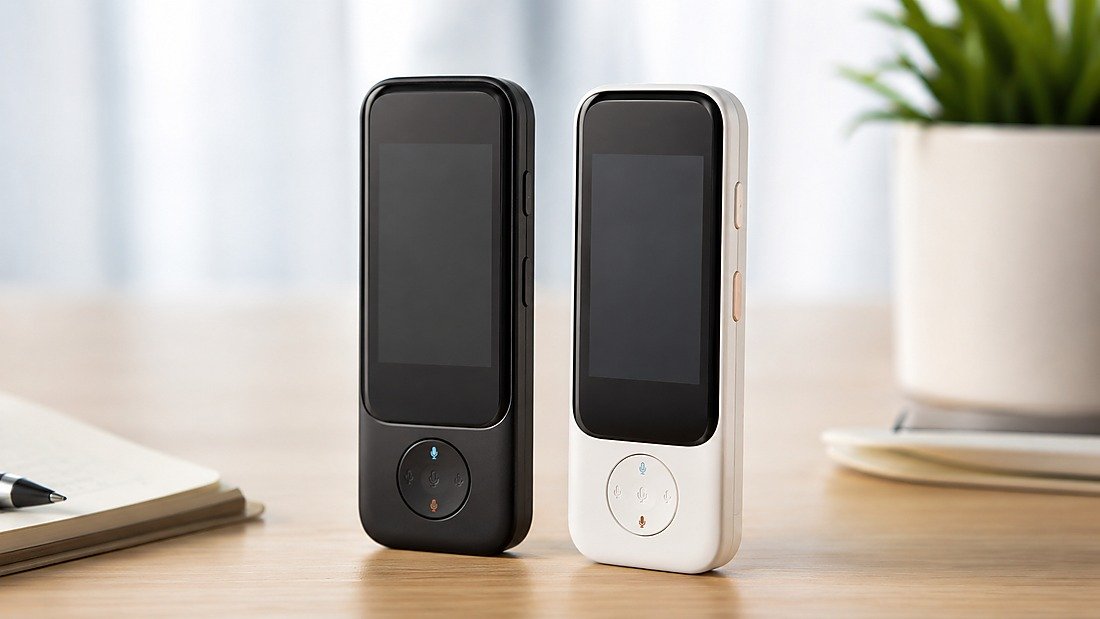
Short Answer
When sourcing AI translators for Southeast Asia e-commerce, prioritize suppliers that can demonstrate verified language packs, stable app integration, test reports for battery safety, and written OEM/private-label terms. Request samples from at least two suppliers and test real conversation scenarios in target languages before committing to volume. Certification requirements vary by country, so confirm compliance documentation for each destination market.
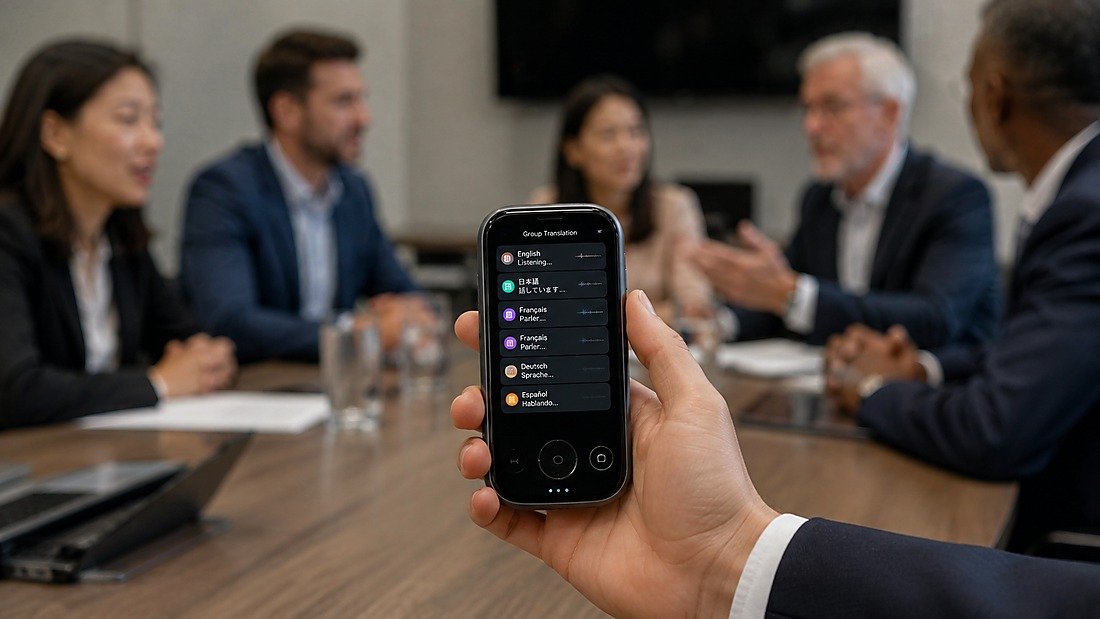
Key Takeaways
- Offline translation accuracy and language pack breadth are the top differentiators for Southeast Asian users.
- Battery safety documentation (UN38.3, MSDS) and local certification are non-negotiable for cross-border e-commerce.
- App stability, OTA firmware updates, and responsive technical support reduce return rates.
- OEM/ODM terms should specify tooling ownership, MOQ, packaging, and warranty before deposit.
- Landed cost modeling must include shipping, duties, and certification costs per SKU.
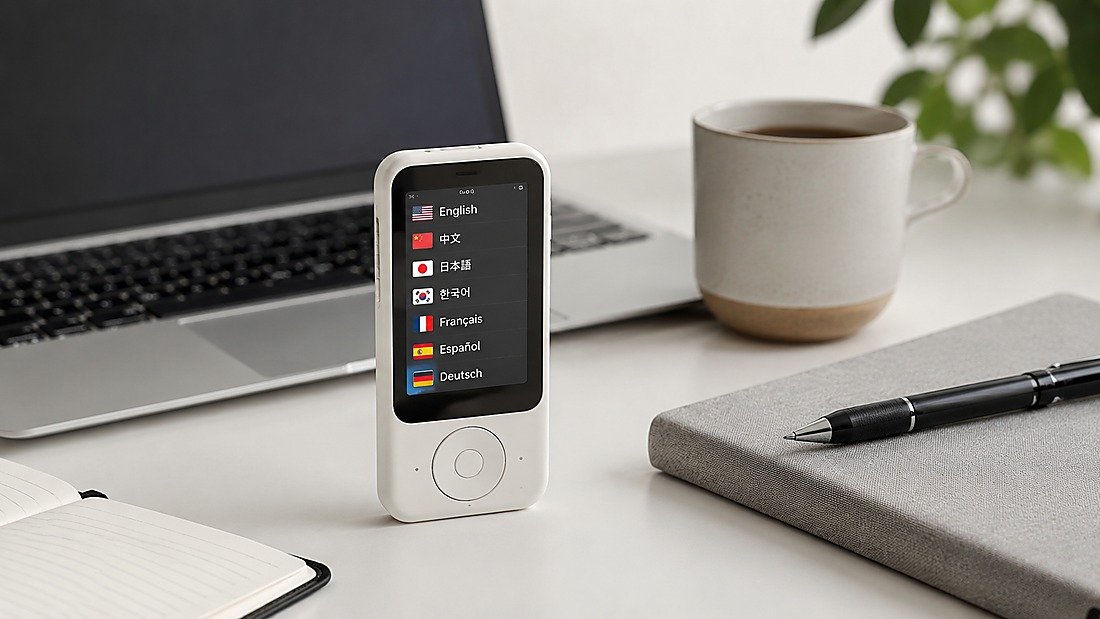
Key Facts for Buyers
| Consideration | What to Check | Why It Matters for SEA E-commerce |
|---|---|---|
| Language coverage | Offline packs for Thai, Vietnamese, Indonesian, Malay, Filipino; online for others | Data coverage varies; offline reliability affects customer satisfaction. |
| Connectivity | Bluetooth version, Wi-Fi support, app compatibility (iOS/Android) | Stable pairing reduces returns and support tickets. |
| Battery safety | UN38.3 test summary, MSDS, IEC 62133 report if available | Required by many carriers and customs for lithium batteries. |
| Certification | CE, FCC, RoHS for general; local marks may apply | Import compliance depends on destination country; verify with supplier. |
| OEM terms | MOQ, tooling ownership, packaging, warranty | Protects brand investment and scalability. |
| Lead time | Sample lead time, production lead time, shipping method | Affects inventory planning and cash flow. |
1. Language Coverage and Offline Accuracy
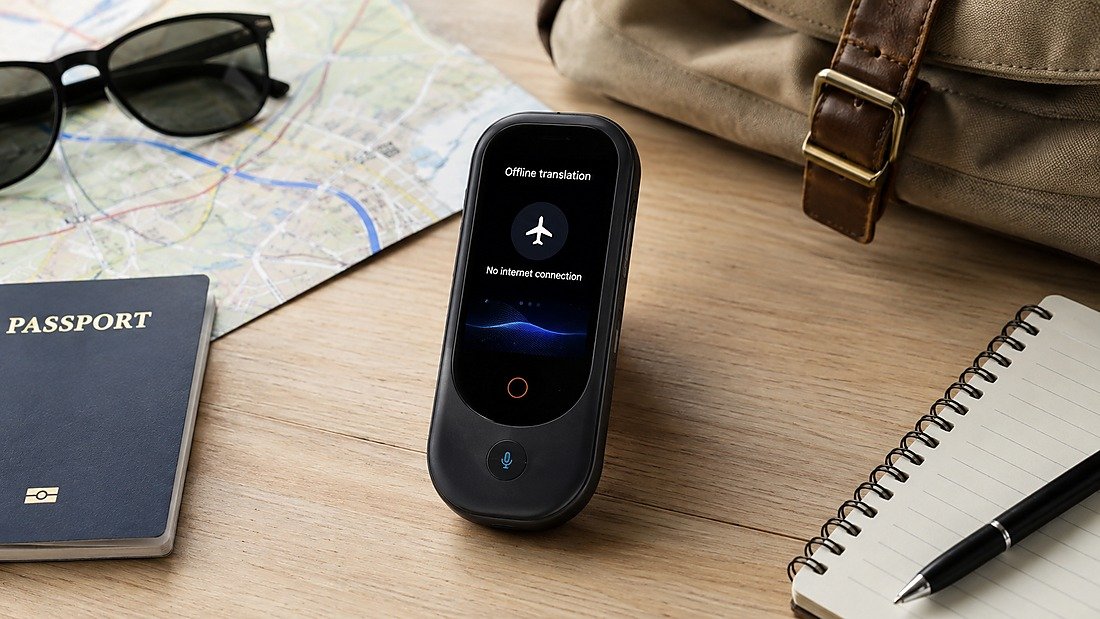
Southeast Asia is one of the most linguistically diverse e-commerce regions, with Thai, Vietnamese, Indonesian, Malay, Filipino, and English dominating cross-border trade. Buyers sourcing AI translators should test offline translation quality for these languages, because connectivity can be inconsistent in rural areas and during travel. Ask suppliers for a language list with offline/online status and request sample devices to run scripted conversations.
What to test
- Offline accuracy for common shopping, travel, and customer-service phrases.
- Switching speed between language pairs.
- Noise performance in busy markets or transport hubs.
- Text-to-speech clarity and accent handling.
For brands targeting business users, consider devices with dual-mic noise cancellation. For retail shoppers, prioritize simple UI and large buttons. STAR KING’s AI translators product page lists current configurations; confirm language packs with the supplier before committing.
2. Connectivity, App Ecosystem, and Firmware Updates
AI translators typically pair with a smartphone app for language downloads, settings, and usage history. An unstable app is a leading cause of negative reviews in e-commerce. Evaluate the supplier’s app update cadence, OTA firmware support, and whether the app is localized for Southeast Asian users. Request app store links and recent reviews from the supplier’s existing customers, if available.
Questions to ask
- How often are firmware and app updates released?
- Does the app support iOS and Android with current OS versions?
- Is there an API or SDK for integration with your own app?
- What is the support process for firmware bugs?
According to the Bluetooth SIG, device interoperability and profile support affect connection stability; suppliers should specify Bluetooth version and supported profiles.
3. Battery, Charging, and UN38.3 Safety
Lithium-ion batteries power most AI translators, and air carriers require UN38.3 test documentation for shipping. Buyers should request a UN38.3 test summary and MSDS from the supplier, and verify that the battery capacity and charging design match your target usage. Fast charging and USB-C are increasingly expected by Southeast Asian consumers.
Key checks
- UN38.3 test summary and MSDS availability.
- Battery capacity and claimed usage time under real conditions.
- Charging port type (USB-C preferred) and charging time.
- Overcharge and short-circuit protection features.
Battery safety documentation is also relevant for marketplace compliance; Amazon and other platforms may request test reports. Confirm requirements with your logistics provider and marketplace before listing.
4. Certification and Import Compliance for SEA Markets
Certification requirements for AI translators vary by country and product configuration. Common marks include CE (EU), FCC (US), and RoHS for hazardous substances, but Southeast Asian nations may require local registration or additional documentation. For example, Indonesia and Thailand have specific telecom and safety regimes. Buyers should verify with the supplier which certifications are available for the exact SKU and request copies of certificates.
What to verify
- CE, FCC, RoHS certificates for the model.
- Local compliance guidance for each destination country.
- Customs documentation: commercial invoice, packing list, HS code.
- Whether the supplier can support your importer of record.
The FCC and European Commission publish general equipment rules, but national requirements in Southeast Asia should be confirmed with local authorities or a compliance consultant. Do not assume a single certificate covers all markets.
5. Hardware Design and Build Quality
AI translators are handled frequently in travel and retail environments, so build quality affects returns and brand perception. Evaluate materials, button durability, screen readability under sunlight, and drop resistance. Request drop test and aging test reports if available. For premium positioning, consider metal housings and reinforced connectors; for volume e-commerce, balance cost with acceptable durability.
Design considerations
- Weight and pocketability.
- Screen type and brightness.
- Speaker volume and clarity.
- Water and dust resistance rating, if claimed.
STAR KING’s private label OEM/ODM solutions allow customization of housing, logo, and packaging; confirm which design elements are configurable for your order volume.
6. OEM/ODM and Private Label Flexibility
For e-commerce sellers building a brand, private label flexibility is a major evaluation criterion. Ask whether the supplier offers logo printing, custom packaging, and app branding. Clarify tooling ownership if you invest in custom molds, and confirm that firmware customization is available for language packs or UI changes. STAR KING’s AI translators can be customized under OEM/ODM terms; details depend on order size and project scope.
OEM/ODM questions
- What is the MOQ for logo and packaging customization?
- Who owns custom tooling and molds?
- Can the app be white-labeled?
- What is the warranty policy for private-label units?
Written agreements should specify intellectual property, confidentiality, and after-sales responsibilities. See STAR KING’s private label solutions for an overview of customization options.
7. MOQ, Lead Time, and Landed Cost
E-commerce sellers need predictable unit economics. Request a full cost breakdown including unit price, packaging, certification amortization, shipping, and duties. MOQ affects cash flow and storage; lead time affects reorder planning. For Southeast Asia, shipping by air is common for initial launches, while sea freight suits larger replenishments. Confirm Incoterms and who handles import clearance.
Cost modeling tips
- Calculate landed cost per unit including all fees.
- Plan for certification costs if you customize hardware.
- Negotiate MOQ tiers for repeat orders.
- Ask for a production schedule with milestones.
Use the STAR KING blog for additional sourcing and logistics guidance.
AI Translator Supplier Comparison Table
| Evaluation Area | Basic Supplier | Preferred Supplier | Verification Method |
|---|---|---|---|
| Language coverage | Few offline packs | Broad offline + online packs for SEA languages | Sample testing |
| App support | Infrequent updates | Regular OTA, localized UI | App store review, firmware log |
| Battery safety | No documents | UN38.3, MSDS available | Document review |
| Certification | Generic claims | Model-specific certificates | Certificate copies |
| OEM flexibility | Limited | Logo, packaging, app branding | Written quotation |
| Lead time | Vague | Defined schedule with milestones | Production plan |
Common Mistakes and Buyer Red Flags
- Relying on online translation only: Test offline performance; connectivity gaps are common in Southeast Asia.
- Accepting verbal certification claims: Request certificate copies and verify scope.
- Ignoring app quality: Poor app reviews predict high return rates.
- No written OEM terms: Clarify tooling ownership and MOQ before deposit.
- Underestimating landed cost: Include duties, shipping, and certification fees.
- Skipping sample testing: Always test samples in real scenarios before bulk orders.
Practical Buyer Checklist
- Request language list with offline/online status.
- Test samples with native speakers in target languages.
- Verify app store presence and update history.
- Obtain UN38.3 and MSDS documents.
- Confirm certification status for each destination market.
- Review OEM/ODM terms including tooling ownership.
- Calculate landed cost per unit.
- Agree on lead time and warranty terms.
- Check marketplace compliance requirements.
FAQ
What languages should an AI translator support for Southeast Asia?
Prioritize offline packs for Thai, Vietnamese, Indonesian, Malay, and Filipino, plus English. Online translation can cover additional languages but may be unreliable in areas with poor connectivity.
Do I need UN38.3 for shipping AI translators?
Yes, lithium batteries typically require UN38.3 test documentation for air transport. Request a UN38.3 test summary and MSDS from the supplier before booking shipments.
How do I verify certification for Southeast Asian markets?
Ask the supplier for model-specific certificates (CE, FCC, RoHS) and confirm local requirements with a compliance consultant or the destination country’s regulator. Certification needs vary by country and product configuration.
What MOQ should I expect for private label AI translators?
MOQ varies by supplier and customization level. Logo and packaging changes usually have lower MOQ than custom tooling or app white-labeling. Request a written quotation with MOQ tiers.
How long does sample development take?
Sample lead time depends on customization. Standard samples may ship in days, while custom logo or packaging samples may take longer. Confirm timelines in writing.
Can the app be white-labeled for my brand?
Some suppliers offer app white-labeling or SDK integration. Discuss your requirements and expected volume with the supplier; capabilities vary.
Conclusion
Sourcing AI translators for Southeast Asia e-commerce requires disciplined evaluation of language accuracy, app stability, battery safety, certification, and OEM terms. Use the seven checks and checklist above to compare suppliers and reduce launch risk. STAR KING supports buyers with AI translator customization and OEM/ODM programs; confirm specifications and certification requirements for your target markets.
Ready to evaluate samples? Request AI translator samples or discuss your OEM/ODM project with STAR KING.
Discuss Your Smart Wearable OEM/ODM Project
Planning a smart ring, smart watch, smart band, AI glasses, AI translator, or AI voice mouse project? Contact STAR KING to discuss product positioning, sample testing, customization scope, certification requirements, lead time, and quotation details.

Team Star King

Scan WhatsApp QR code
Leave a Reply