
smart watches OEM: System Integrator’s Guide to Smart Watches: 5 OEM/ODM Success Factors for 2026
October 5, 2026 · Team Star King

System Integrator’s Guide to Smart Watches: 5 OEM/ODM Success Factors for 2026
As a system integrator, you need smart watches OEM partners who can deliver reliable, customizable devices that integrate seamlessly with your existing solutions. The right OEM/ODM partner can reduce your time-to-market, ensure compliance, and provide the flexibility to meet your clients’ specific requirements. This guide outlines five critical success factors for evaluating smart watches OEM suppliers in 2026, helping you make informed decisions that balance cost, quality, and scalability.
Table of Contents
Table of Contents
smart watches OEM: Table of Contents
- Short Answer
- Key Takeaways
- Key Facts for Buyers
- Factor 1: Technical Compatibility and Integration Capabilities
- Factor 2: OEM/ODM Customization Depth
- Factor 3: Quality Control and Certifications
- Factor 4: MOQ, Lead Times, and Scalability
- Factor 5: Supply Chain Reliability and After-Sales Support
- Common Mistakes and Buyer Red Flags
- Practical Buyer Checklist
- Frequently Asked Questions
- Conclusion
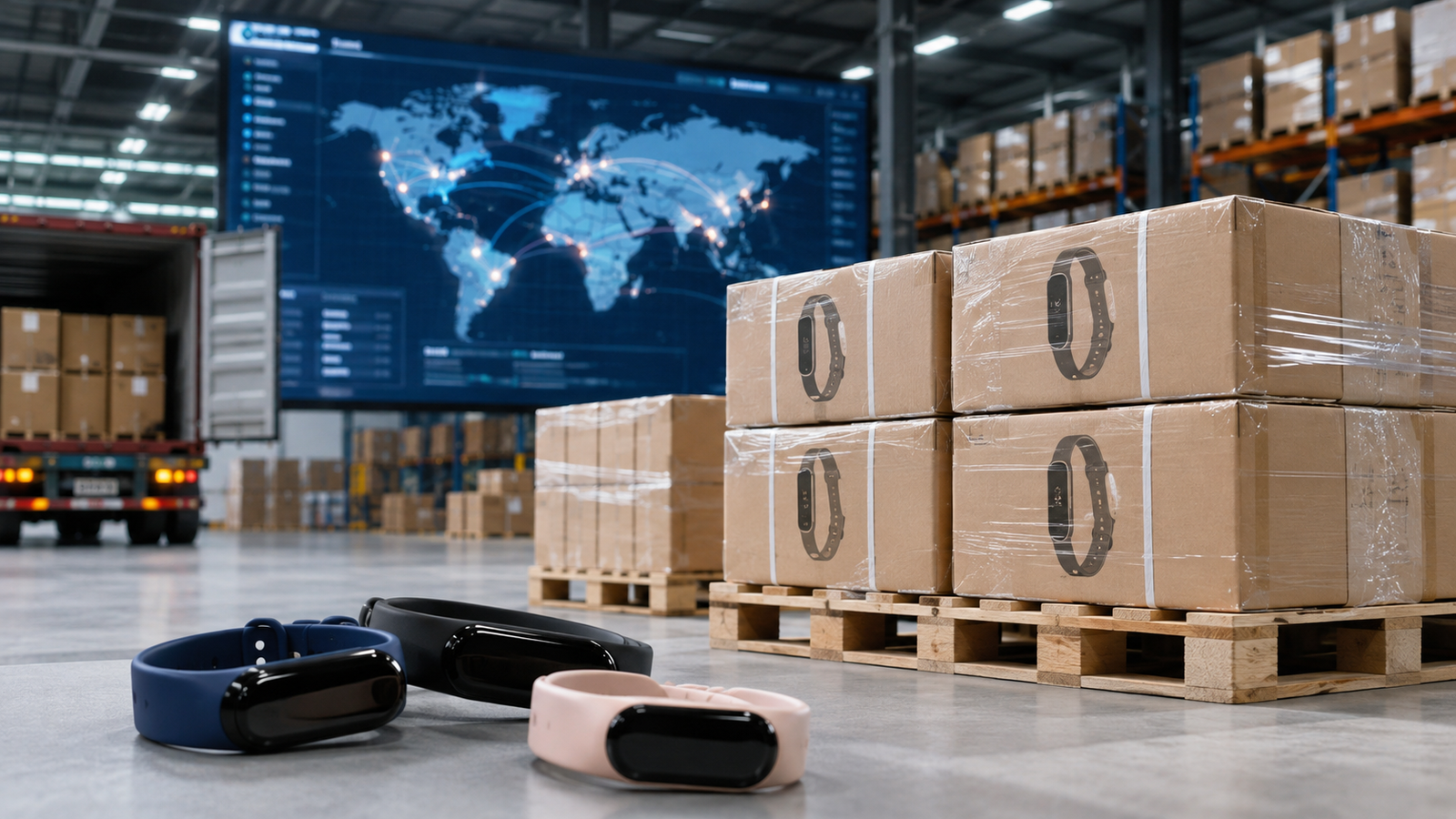
Short Answer
For system integrators, selecting a smart watches OEM partner in 2026 requires evaluating technical integration capabilities, customization flexibility, rigorous quality control, scalable MOQs, and reliable supply chain support. Prioritize suppliers who offer open APIs, proven compliance with US standards, and transparent communication to ensure seamless deployment and long-term success.
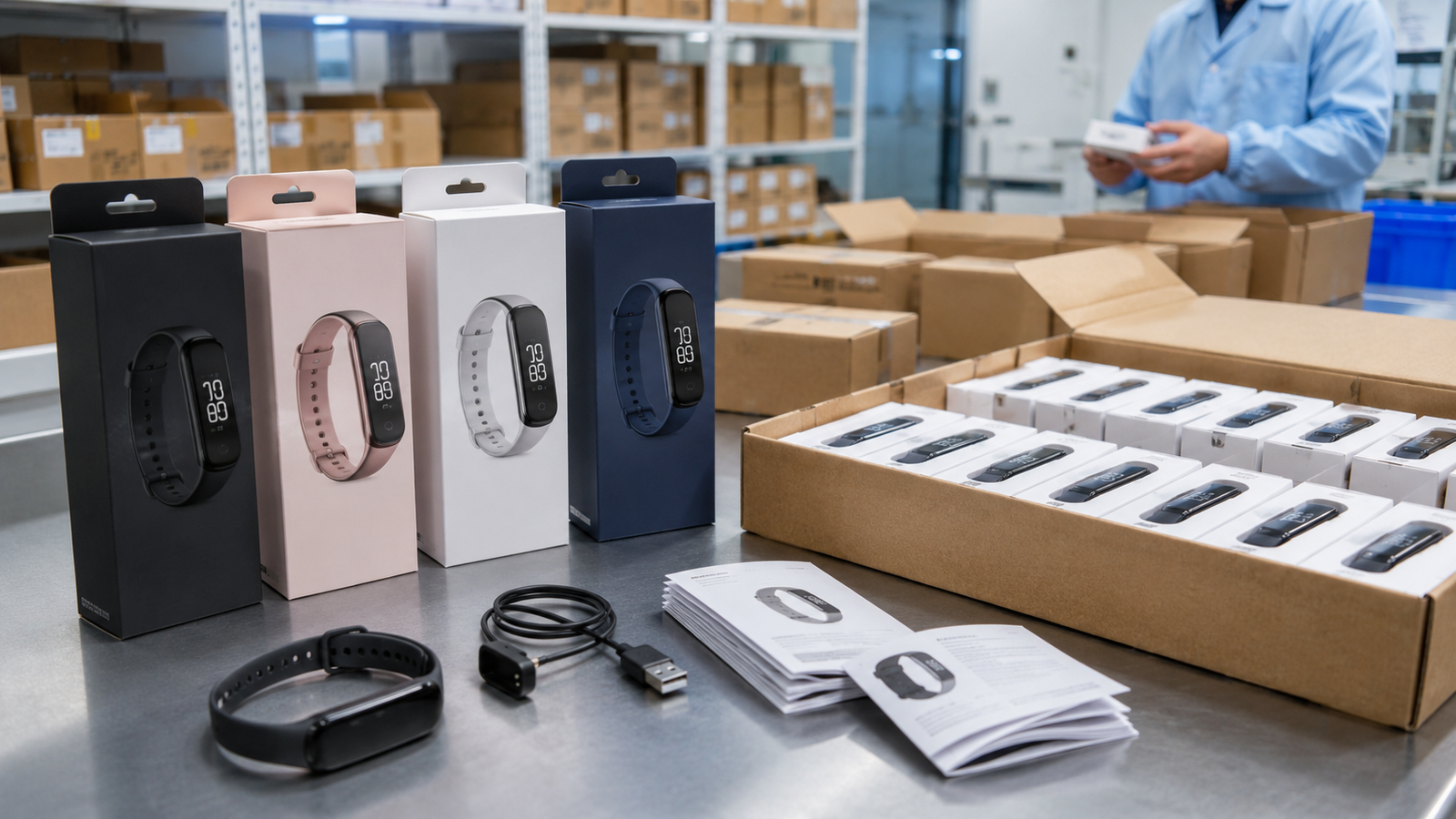
Key Takeaways
- Technical compatibility and open APIs are essential for integrating smart watches into existing systems.
- OEM/ODM customization depth determines how well the final product aligns with your brand and client needs.
- Quality control and certifications (e.g., FCC, CE, RoHS) are non-negotiable for US market entry.
- MOQ, lead times, and scalability directly impact project feasibility and total cost.
- Supply chain reliability and after-sales support protect your reputation and reduce downtime.

Key Facts for Buyers
| Factor | Why It Matters | What to Verify |
|---|---|---|
| Technical Compatibility | Ensures seamless integration with your platforms | Open API/SDK, Bluetooth profiles, firmware flexibility |
| Customization Depth | Aligns product with your brand and client requirements | Hardware, firmware, app, packaging options |
| Quality & Certifications | Meets regulatory and performance expectations | FCC, CE, RoHS, UN38.3, test reports |
| MOQ & Lead Times | Balances inventory risk with project timelines | MOQ per SKU, production lead time, scalability |
| Supply Chain & Support | Minimizes disruptions and ensures timely after-sales | Supplier stability, warranty, spare parts availability |
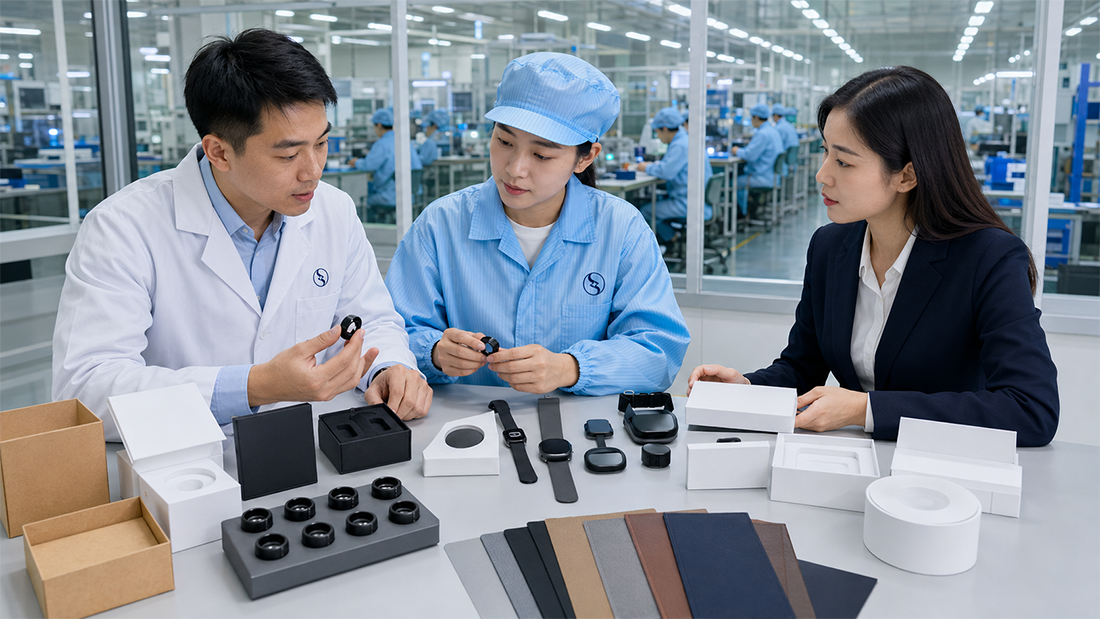
Factor 1: Technical Compatibility and Integration Capabilities
System integrators need smart watches that can communicate with existing infrastructure, whether it’s a fleet management system, a corporate wellness platform, or a patient monitoring dashboard. The OEM partner’s ability to provide open APIs, SDKs, and flexible firmware is critical.
What to Look For
- Open API/SDK: Allows you to pull data (e.g., heart rate, steps, sleep) into your own applications.
- Bluetooth Profiles: Ensure compatibility with standard profiles like Heart Rate Service (HRS) and Device Information Service (DIS).
- Firmware Customization: Ability to modify device behavior, such as data transmission intervals or sensor thresholds.
Ask potential suppliers about their integration documentation and whether they have experience working with system integrators. A supplier with a dedicated technical support team can significantly reduce your development time.
Factor 2: OEM/ODM Customization Depth
The level of customization required depends on your end clients. Some may need only logo and packaging changes, while others require custom hardware or software features. Evaluate the supplier’s capabilities across the following dimensions:
- Hardware: Custom sensors, battery size, casing materials, strap options.
- Firmware: Branded boot screens, custom menus, specific data algorithms.
- App: White-label mobile app with your branding, or integration with your existing app.
- Packaging: Custom retail boxes, user manuals, and accessories.
For a deeper dive into customization options, refer to our Private Label OEM/ODM solutions page.
Questions to Ask
- Can you provide examples of past customization projects?
- What is the minimum order quantity (MOQ) for custom tooling?
- Do you offer design services for custom enclosures?
Factor 3: Quality Control and Certifications
Quality control is paramount. Faulty devices can lead to costly returns, damage your reputation, and jeopardize client relationships. Ensure the supplier has robust QC processes, including incoming material inspection, in-line testing, and pre-shipment inspection.
Certifications for the US Market
For smart watches sold in the United States, key certifications include:
- FCC: Required for devices with Bluetooth or Wi-Fi. See FCC official site for details.
- CE: Needed for EU markets, but often a sign of quality for US buyers.
- RoHS: Restricts hazardous substances.
- UN38.3: For lithium battery safety during transport.
- MSDS: For battery shipping documentation.
Note that certification requirements typically depend on the specific product configuration and target market. Buyers should verify the exact certifications needed for their use case.
Factor 4: MOQ, Lead Times, and Scalability
As a system integrator, you may need to start with a pilot batch and scale up as demand grows. Understanding the supplier’s MOQ and lead times is essential for planning.
Typical MOQ and Lead Time Ranges
| Order Type | Typical MOQ | Lead Time (Production) |
|---|---|---|
| Standard Model (White Label) | 500–1,000 units | 15–25 days |
| Light Customization (Logo, Packaging) | 1,000–3,000 units | 20–30 days |
| Deep Customization (Hardware, Firmware) | 3,000+ units | 30–60 days |
These ranges are indicative and vary by supplier. Always confirm exact MOQs and lead times during the quotation process. For more on MOQ planning, see our smart watches product page.
Scalability
Can the supplier ramp up production to meet a sudden increase in demand? Ask about their production capacity and whether they have multiple production lines. A supplier with a flexible capacity can be a valuable long-term partner.
Factor 5: Supply Chain Reliability and After-Sales Support
The best product is useless if it arrives late or lacks support. Evaluate the supplier’s supply chain resilience, including their relationships with component vendors and their ability to handle logistics.
After-Sales Support
- Warranty: Standard warranty period (e.g., 12 months) and what it covers.
- Spare Parts: Availability of replacement batteries, straps, and chargers.
- Technical Support: Responsiveness to firmware issues or integration questions.
Consider the total cost of ownership, including potential downtime and support costs. A slightly higher unit price from a reliable supplier may be more cost-effective in the long run.
Common Mistakes and Buyer Red Flags
Even experienced system integrators can fall into traps when sourcing smart watches. Here are common mistakes and red flags to watch for:
- Neglecting Integration Testing: Failing to test the smartwatch with your own systems before full deployment.
- Overlooking Certification Costs: Not budgeting for FCC, CE, or other certifications, which can delay market entry.
- Choosing on Price Alone: Lowest price often means compromised quality or support.
- Ignoring MOQ Constraints: Underestimating the MOQ for custom features, leading to excess inventory.
- Red Flag: Vague Certification Claims: Suppliers who claim “all certifications” without providing test reports.
- Red Flag: No References: Inability to provide references from other system integrators or B2B clients.
- Red Flag: Poor Communication: Delayed responses during the evaluation phase often indicate future support issues.
To avoid these, involve your technical team early and request sample units for testing. A soft CTA: If you’re evaluating smart watches OEM partners, consider requesting samples to test integration and quality firsthand.
Practical Buyer Checklist
Use this checklist when evaluating smart watches OEM suppliers:
- ☐ Does the supplier offer open APIs/SDKs for data integration?
- ☐ Can they provide firmware and app customization?
- ☐ Are FCC and other required certifications available with test reports?
- ☐ What is the MOQ for your desired level of customization?
- ☐ What are the production lead times and scalability options?
- ☐ Do they offer a warranty and spare parts?
- ☐ Can they provide references from similar B2B clients?
- ☐ Is the pricing transparent with no hidden costs?
- ☐ Have you requested and tested sample units?
- ☐ Are the payment terms and shipping logistics clearly defined?
Frequently Asked Questions
1. What is the typical MOQ for custom smart watches from an OEM?
MOQs vary by supplier and customization level. For light customization (logo, packaging), MOQs often range from 500 to 1,000 units. Deep customization (hardware, firmware) may require 3,000 units or more. Always confirm with the supplier.
2. How long does it take to get FCC certification for smart watches?
FCC certification for Bluetooth-enabled smart watches typically takes 4–8 weeks, depending on the testing lab and product complexity. It’s advisable to factor this into your project timeline.
3. Can I integrate smartwatch data into my own platform?
Yes, if the OEM provides an open API or SDK. Some suppliers offer cloud-to-cloud integration, while others allow direct Bluetooth data access. Discuss your integration requirements early.
4. What battery certifications are required for shipping smart watches to the US?
Lithium-ion batteries require UN38.3 certification and an MSDS for shipping. These documents are typically provided by the manufacturer. Verify that your supplier can supply them.
5. How do I ensure quality control from a smart watch manufacturer?
Request pre-shipment inspection reports, ask about their QC process, and consider third-party inspection. Testing sample units in your own environment is also crucial.
6. What are the red flags when evaluating a smart watch OEM?
Red flags include vague certification claims, lack of references, poor communication, and unwillingness to provide samples or test data.
7. Can I get a white-label smart watch with my branding?
Yes, many OEMs offer white-label solutions where you can add your logo to the device and packaging. Some also offer custom boot screens and app branding.
Conclusion
Selecting the right smart watches OEM partner is a strategic decision that impacts your project’s success. By focusing on technical compatibility, customization depth, quality control, scalable MOQs, and supply chain reliability, you can mitigate risks and deliver value to your clients. Start your evaluation with a clear checklist and don’t hesitate to request samples and references.
Ready to Evaluate Smart Watches for Your Next Project?
Request samples and discuss your OEM/ODM requirements with our team. We’ll help you compare specifications, confirm certification needs, and plan your integration.
Useful Official References for Buyers
- FCC equipment authorization guidance
- European Commission CE marking information
- Bluetooth SIG specifications
Discuss Your Smart Wearable OEM/ODM Project
Planning a smart ring, smart watch, smart band, AI glasses, AI translator, or AI voice mouse project? Contact STAR KING to discuss product positioning, sample testing, customization scope, certification requirements, lead time, and quotation details.

Team Star King

Scan WhatsApp QR code
Leave a Reply