
smart watches OEM: Smart Watches for US Importers: 7 Critical Steps to a Reliable OEM/ODM RFQ
November 25, 2026 · Team Star King
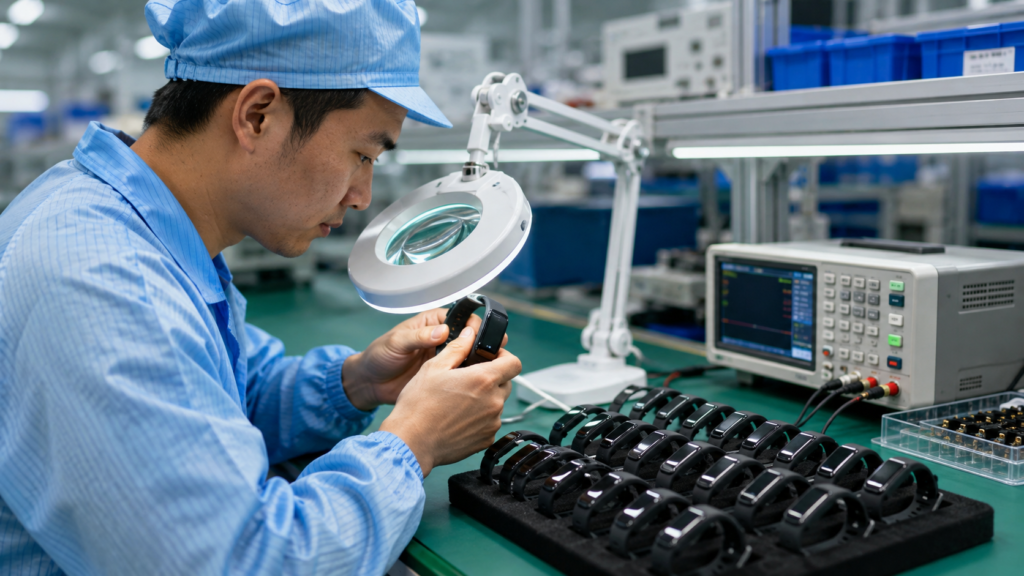
Smart Watches for US Importers: 7 Critical Steps to a Reliable OEM/ODM RFQ
For US importers, securing a reliable smart watches OEM or ODM partner requires a structured RFQ process. This 7-step guide covers specifications, MOQ, certifications, testing, and lead-time planning so you can compare quotes accurately and avoid costly surprises. We will explain each step with buyer-focused criteria and examples.
Table of Contents
Table of Contents
smart watches OEM: Short Answer
To get comparable and reliable smart watch quotes from China, you need to define technical specifications in a datasheet, clarify OEM vs. ODM options, request samples for validation, confirm certification needs (FCC, CE, RoHS, UN38.3), and plan lead times based on MOQ. This article outlines seven steps to structure a smart watches OEM RFQ that reduces risk and negotiation time.
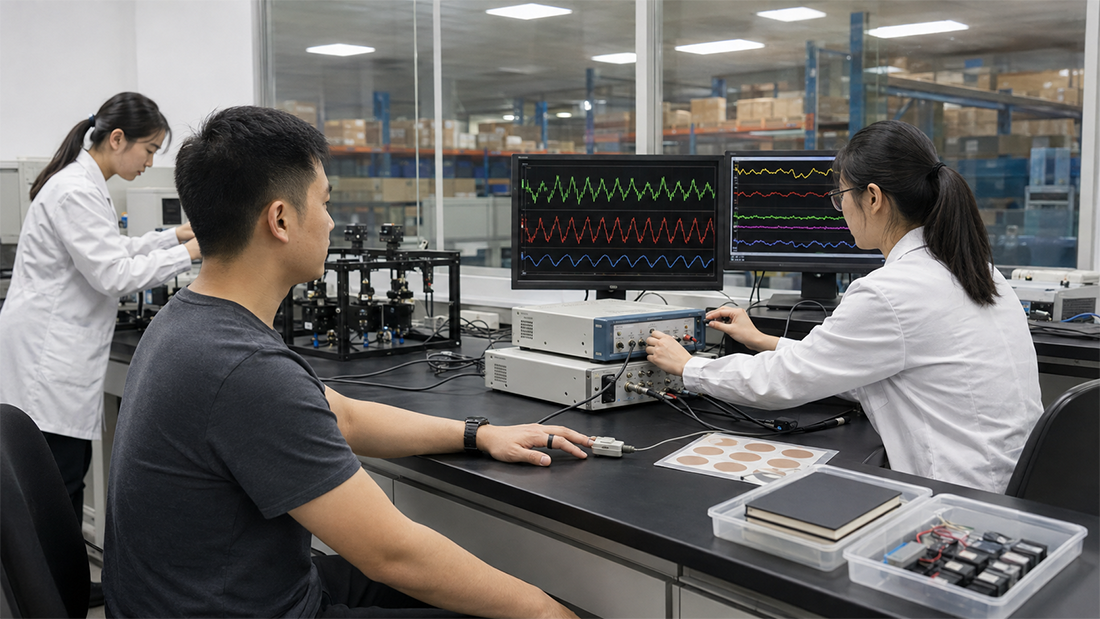
Table of Contents
- Step 1: Define Technical Specifications and Use-Case Requirements
- Step 2: Choose the Right Engagement Model – OEM vs ODM vs Private Label
- Step 3: Evaluate Supplier Capabilities and Verify Credentials
- Step 4: Understand MOQ, Pricing, and Cost Drivers
- Step 5: Plan Sample Testing and Validation
- Step 6: Confirm Certifications and Target-Market Compliance
- Step 7: Map Lead Times, Production Capacity, and Logistics
- Common Mistakes and Buyer Red Flags
- Practical Buyer Checklist
- FAQ
- Conclusion

Key Takeaways
- A detailed RFQ with a complete specification sheet ensures apples-to-apples comparison of smart watch quotes.
- OEM, ODM, and private label models differ in development cost, timeline, and customization level; clarify yours early.
- MOQ directly affects tooling investment, unit price, and production scheduling; negotiate based on forecasted volume.
- Samples are not optional; test battery life, sensor accuracy, app connectivity, and durability in real conditions.
- Certifications like FCC, CE, RoHS, and UN38.3 are product- and market-specific; confirm exact configurations with your supplier.
- Lead times vary with customization, component availability, and order volume; plan for at least 4–6 weeks after sample approval.
Key Facts for Buyers
| RFQ Element | Typical Range / Consideration |
|---|---|
| MOQ | 500–1,000 units for standard models; higher for custom tooling |
| Sample Lead Time | 7–15 days for standard; 3–5 weeks for custom |
| Production Lead Time | 30–45 days after sample approval and deposit |
| Certification Lead Time | 2–6 weeks for FCC, CE, RoHS, depending on testing scope |
| Tooling Cost | $5,000–$20,000 for custom enclosures or app development |
| Battery Compliance | UN38.3 test report and MSDS required for air shipment |

Step 1: Define Technical Specifications and Use-Case Requirements
Start your smart watches OEM journey by defining what the device must do. Instead of generic “fitness tracking,” specify the sensors, display type, battery life target, connectivity, and app requirements. This specification sheet becomes the basis for accurate quotes and apples-to-apples comparison.
Key Specification Areas
- Display: Size, resolution, touch type, always-on capability.
- Sensors: Heart rate, SpO2, accelerometer, GPS (if needed).
- Battery: Capacity, typical endurance (e.g., 7 days), charging method.
- Connectivity: Bluetooth version, NFC, Wi-Fi.
- Software: Companion app (iOS/Android), firmware customization, cloud integration.
- Water Resistance: IP rating or 5ATM – specify target.
- Materials: Case (plastic, aluminum, stainless steel), strap (silicone, leather, metal).
Buyers often overlook data privacy and app compliance. For the US market, ensure the app has a clear privacy policy and complies with applicable data protection laws. If you plan to market health features, clarify that the device is not a medical device unless it has FDA clearance.
Step 2: Choose the Right Engagement Model – OEM vs ODM vs Private Label
Your RFQ must state whether you need full OEM (original equipment manufacturer), ODM (original design manufacturer), or private label. Each model has different cost, timeline, and customization implications.
| Model | Customization Level | Typical MOQ | Development Time |
|---|---|---|---|
| Private Label | Logo, packaging, app skin | 500–1,000 | 2–4 weeks |
| ODM | Moderate hardware tweaks, firmware | 1,000–3,000 | 4–8 weeks |
| OEM | Full custom design, tooling | 3,000+ | 8–16 weeks |
Private label is suitable for brands new to wearables, while ODM offers more differentiation. Choose based on your brand positioning, budget, and time-to-market.
For a deeper look at private label options, see our Private Label OEM/ODM solutions.
Step 3: Evaluate Supplier Capabilities and Verify Credentials
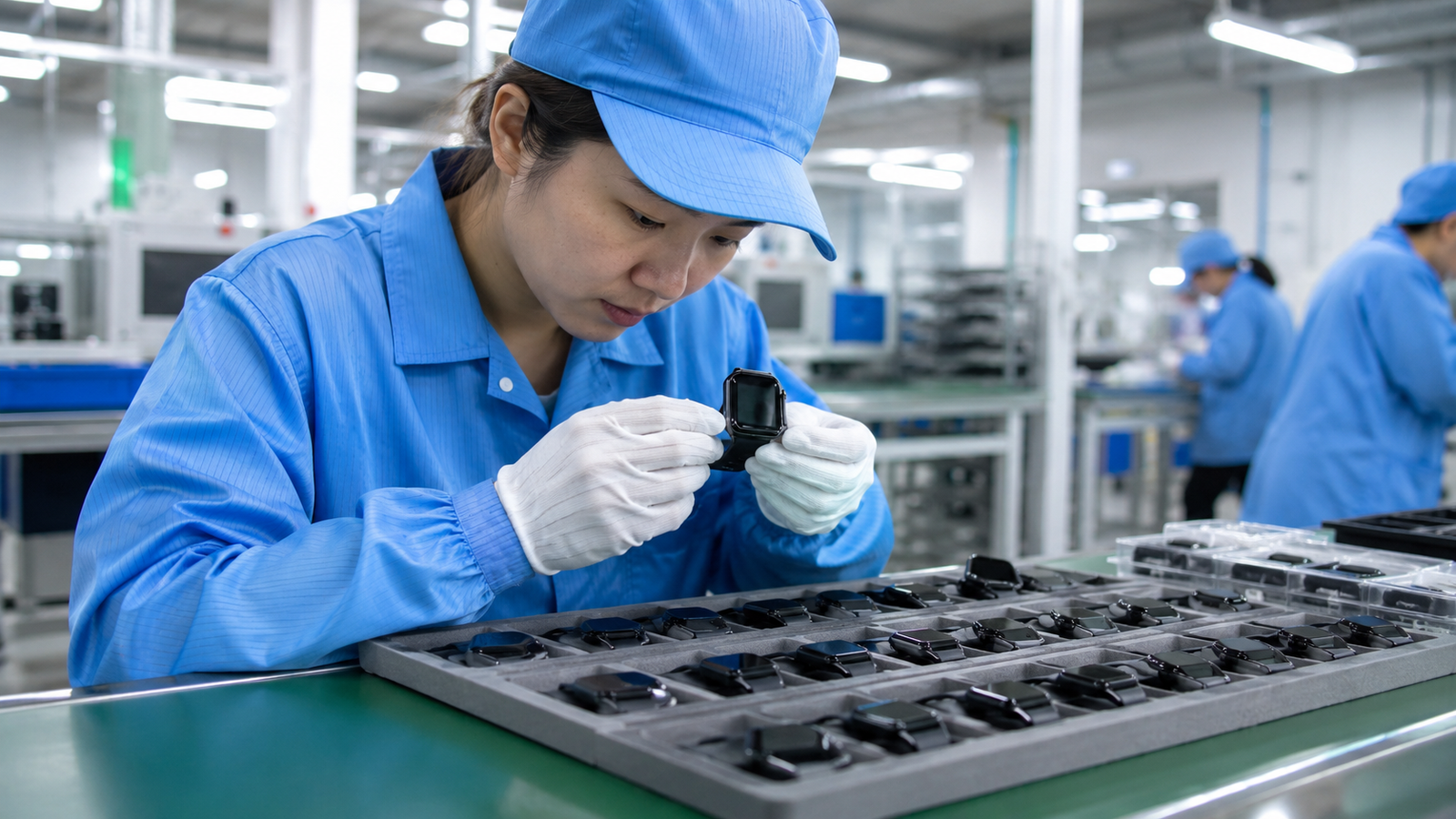
Not all smart watch suppliers are equal. Request a capabilities presentation covering in-house design, firmware development, app development, and quality control processes. Verify factory certifications (ISO 9001) and ask for references from US clients if available.
Use video audits or third-party inspection reports to confirm production lines and testing equipment. Avoid suppliers who cannot provide clear answers about component sourcing or who pressure you to skip sample validation.
Step 4: Understand MOQ, Pricing, and Cost Drivers
MOQ (minimum order quantity) directly impacts unit price and tooling costs. Typical MOQs for private label smart watches start at 500–1,000 units. For custom designs, MOQ may be 3,000 units or more.
Ask for a detailed cost breakdown: materials, components, assembly, packaging, certification, and logistics. Be wary of quotes that are significantly lower than others; they may indicate lower-quality components or missing certification costs.
Consider total landed cost, including tariffs, shipping, and insurance. Current US tariffs on Chinese electronics may apply; verify with your customs broker.
Step 5: Plan Sample Testing and Validation
Always test samples before committing to mass production. Request at least two sample units (one for testing, one for reference) and evaluate:
- Battery life under typical use.
- Heart rate and SpO2 accuracy compared to a known reference.
- App connectivity stability (iOS and Android).
- Touch responsiveness and display visibility.
- Water resistance (if applicable).
- Build quality and comfort.
Document any issues and request firmware fixes before approving mass production.
Step 6: Confirm Certifications and Target-Market Compliance
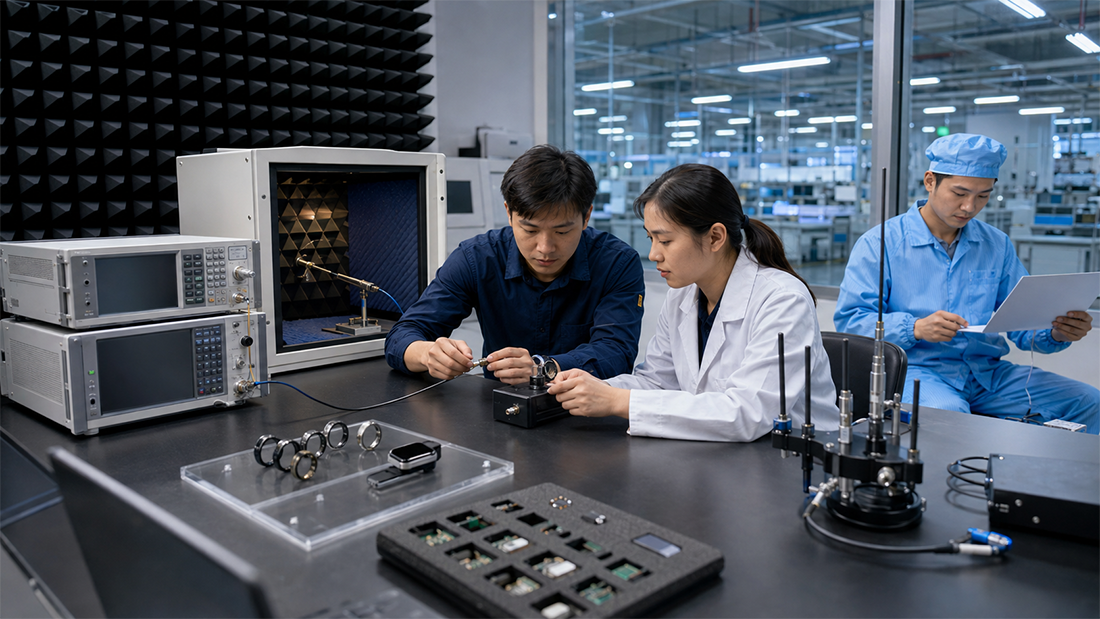
For the US market, smart watches with Bluetooth or other radio transmitters require FCC certification. Products with lithium batteries need UN38.3 test reports for transport. RoHS compliance is often expected by retailers, though not legally mandated in the US.
Clarify with your supplier which certifications are included in the quote and which require extra cost. Do not assume all models are certified; certification status depends on the specific hardware and firmware configuration.
For official details, refer to the FCC website and the UN38.3 testing requirements.
Step 7: Map Lead Times, Production Capacity, and Logistics
Lead times vary by customization level and order volume. Standard private label orders may ship 30–45 days after sample approval and deposit. Custom OEM projects can take 8–16 weeks for tooling and first article approval.
Plan for potential delays in Chinese New Year (January/February) and national holidays. Book logistics in advance; lithium batteries require special handling and may be subject to air transport restrictions.
For logistics safety solutions, see our Vehicle & Logistics solutions.
Common Mistakes and Buyer Red Flags
- Providing vague specifications – leads to multiple revisions and delays.
- Skipping sample testing – results in mass production failures.
- Ignoring certification costs – causes budget overruns.
- Choosing the lowest quote – often correlates with quality risks.
- Not confirming app data privacy – may violate US state privacy laws.
- Underestimating MOQ – leads to excess inventory or higher unit costs.
- Failing to plan for lithium battery shipping – can cause customs delays.
Practical Buyer Checklist
- ☐ Prepared a detailed specification sheet with sensors, battery, connectivity, and app requirements.
- ☐ Clarified OEM vs ODM vs private label model.
- ☐ Requested and reviewed supplier credentials and factory audit reports.
- ☐ Obtained quotes from at least three suppliers with cost breakdowns.
- ☐ Ordered and tested samples against your requirements.
- ☐ Confirmed certification needs and associated costs.
- ☐ Planned lead times and logistics for lithium batteries.

Buyers can also review STAR KING Smart Watches OEM/ODM options to compare product positioning, customization scope, and sample planning.
FAQ
What is the typical MOQ for smart watches OEM?
MOQ varies by customization: 500–1,000 units for private label, 1,000–3,000 for ODM, and 3,000+ for full OEM with custom tooling. Discuss with your supplier to align with your sales forecast.
Do I need FCC certification for my smart watch?
Yes, if the watch includes Bluetooth, Wi-Fi, or cellular connectivity, FCC certification is required for sale in the US. Ensure your supplier provides FCC test reports and certificates for the exact model.
How long does shipping lithium battery smart watches take?
Air shipping typically takes 7–15 days, but lithium batteries require UN38.3 reports and special packaging. Sea freight takes 25–35 days. Plan accordingly and verify carrier restrictions.
Can I customize the app for my brand?
Yes, private label and ODM models allow app skin customization (logo, colors). Full app development is possible under OEM but requires higher MOQ and development fees.
What is the difference between OEM and ODM in wearables?
OEM involves full custom design and manufacturing based on your specifications, while ODM uses the manufacturer’s existing design with modifications. OEM offers higher differentiation but requires more investment.
How do I verify a supplier’s quality control?
Request a third-party inspection or video audit of the production line. Ask for test reports (drop test, waterproof, aging) and samples for independent evaluation.
Conclusion
Structuring your smart watches OEM RFQ with these seven steps helps you compare quotes accurately, mitigate risks, and build a reliable supply chain. For US importers, attention to certifications, sample testing, and lead times is critical to avoid costly delays.
STAR KING CTA
Ready to start your smart watch OEM project? Request a quotation from STAR KING and our team will guide you through specs, samples, and certifications.
Discuss Your Smart Wearable OEM/ODM Project
Planning a smart ring, smart watch, smart band, AI glasses, AI translator, or AI voice mouse project? Contact STAR KING to discuss product positioning, sample testing, customization scope, certification requirements, lead time, and quotation details.

Team Star King

Scan WhatsApp QR code
Leave a Reply