smart watch manufacturer: 7 Steps to Select a Smart Watch Manufacturer for Amazon FBA in the US
7 Steps to Select a Smart Watch Manufacturer for Amazon FBA in the US
Finding a reliable smart watch manufacturer is the single biggest risk-reduction decision an Amazon seller makes. In short, vet suppliers on five hard criteria: verified factory identity, OEM/ODM capability, realistic MOQ, documented FCC/CE/RoHS compliance for your exact model, and FBA-ready packaging and labeling. This guide gives you a 7-step vetting process built for the US market so you can shortlist, sample, and scale without surprises.
Table of Contents
Table of Contents
This article is written for Amazon sellers sourcing smart watches for the United States. Every step below ties back to a decision you will actually make: which factory to test, what to put in the RFQ, how to read a sample, and how to keep a listing compliant and profitable after launch.
smart watch manufacturer: Table of Contents
- Short Answer: How Do You Choose a Smart Watch Manufacturer for Amazon?
- Key Takeaways
- Key Facts for Buyers
- Step 1: Confirm the Factory Is Real
- Step 2: Separate OEM, ODM, and White Label
- Step 3: Understand MOQ and What Drives Unit Price
- Step 4: Validate Samples Against Your Listing Claims
- Step 5: Lock Down FCC and US Compliance for Your Model
- Step 6: Plan Lead Time, Packaging, and FBA Prep
- Step 7: Protect Your Brand, App, and Tooling
- Smart Watch Supplier Comparison Table
- Common Mistakes and Buyer Red Flags
- Practical Buyer Checklist
- FAQ
- Conclusion

Short Answer
To choose a smart watch manufacturer for Amazon US, verify the factory, confirm OEM/ODM scope, agree on MOQ and pricing logic, approve samples against your claims, and secure FCC and battery documentation for the exact model you will import. Use a structured RFQ and a scored comparison table so supplier selection is based on evidence rather than sales messaging.
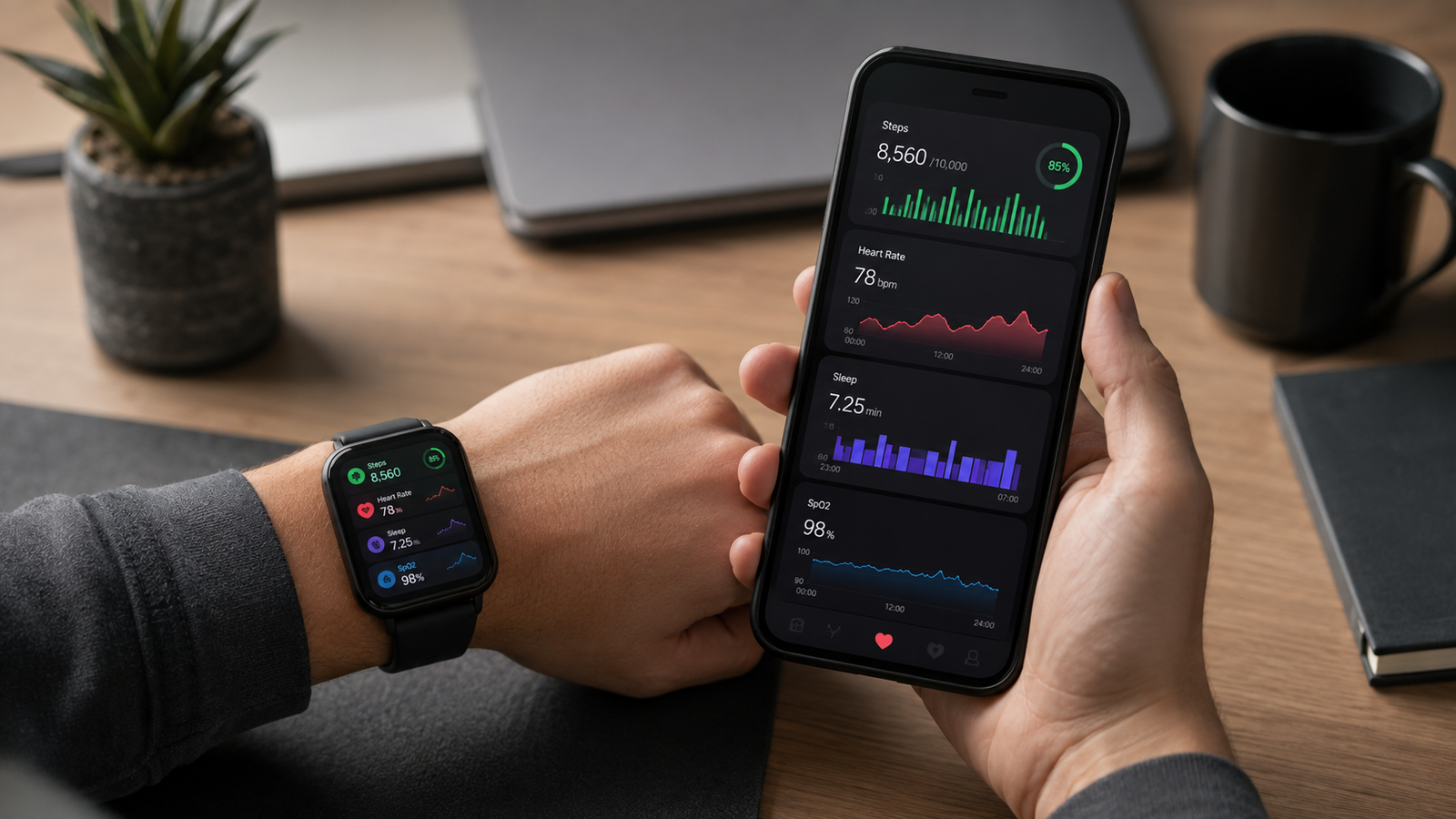
Key Takeaways
- Match the sourcing model (OEM, ODM, white label) to how much control your Amazon brand needs.
- MOQ, pricing, and lead time are connected; changes in one usually move the others.
- FCC and battery documentation must match your model and configuration, not a generic catalog.
- FBA-ready packaging, labeling, and prep reduce launch delays and chargebacks.
- A written agreement on tooling, app assets, and brand IP prevents later disputes.
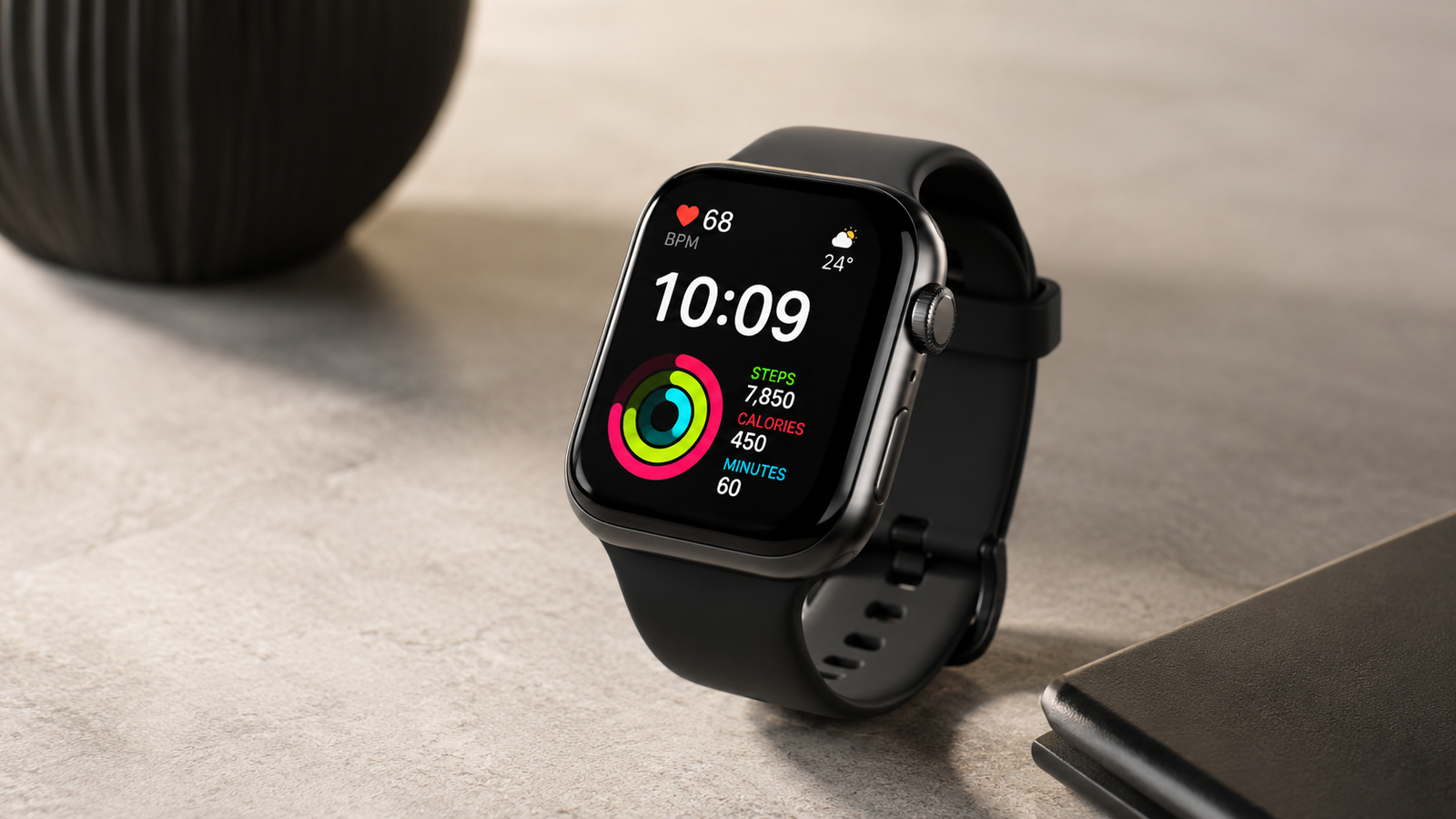
Key Facts for Buyers
| Decision | What to Verify | Why It Matters for Amazon US |
|---|---|---|
| Factory identity | Business license, factory address, production capability | Reduces risk of trading-company markups and quality gaps [STAR KING TO CONFIRM] |
| OEM/ODM scope | Industrial design, firmware, app, packaging | Determines differentiation and listing defensibility |
| MOQ | Per-SKU and per-color minimums | Affects cash flow and launch quantity |
| Compliance | FCC, battery safety, RoHS for the exact model | Marketplace and customs readiness |
| Lead time | Sample, tooling, mass production, shipping | Protects peak-season inventory |
| Brand/IP | Tooling ownership, app assets, logo rights | Prevents copycats and supplier lock-in |

Step 1: Confirm the Factory Is Real
What to collect
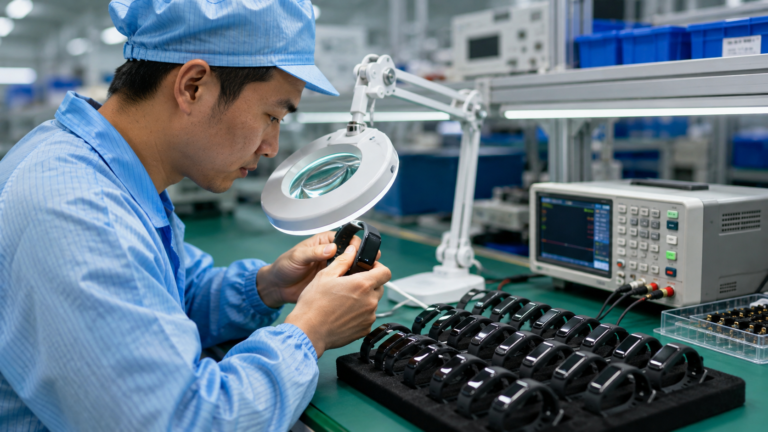
Ask for the legal entity name, factory address, and a short video walkthrough of the production line. Cross-check the entity name against the certificate of incorporation or business license. If a supplier resists a live video call or only shares stock photos, treat that as a caution flag.
Why it matters
Amazon sellers absorb returns, review damage, and compliance exposure. A trading company between you and the actual line adds cost and slows problem-solving when a batch ships with a firmware or battery issue.
How to verify
- Request a live video call during working hours.
- Ask for the factory’s quality process, not just a certificate PDF.
- Request two references from buyers in comparable markets.
For broader supplier checks, see our private label OEM/ODM solution page, which outlines how a manufacturer typically structures brand-owner projects.
Step 2: Separate OEM, ODM, and White Label
Buyers often use these terms interchangeably, but they describe different levels of control and cost.
Definitions buyers should use
- White label: You buy an existing model and apply your logo or packaging. Fastest to market, least differentiation.
- ODM: You select from a manufacturer’s existing designs and customize firmware, app skin, or packaging.
- OEM: You bring or co-develop the design and specification; the factory builds to your requirements.
How to choose
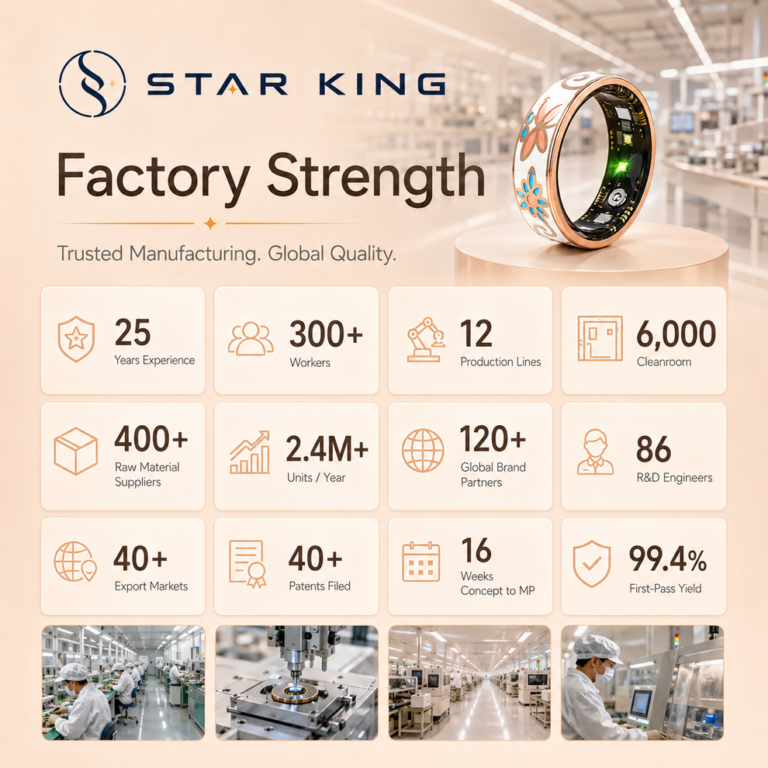
If you are testing a new Amazon niche, ODM or white label reduces upfront tooling spend. If you already have reviews and want a moat, OEM with custom firmware and app experience is more defensible. STAR KING supports OEM and ODM programs for smart wearables, and the scope of customization should be documented before samples are built.
Soft CTA: If you are unsure which model fits your roadmap, you can request a short consultation to compare customization options and timelines.
Step 3: Understand MOQ and What Drives Unit Price
MOQ is not a single number; it is a function of model, color, packaging, and customization depth. Ask for MOQ per SKU and per color variant, because Amazon listings often launch in two or three colors.
Typical price drivers
- Display type and size
- Sensor set (heart rate, blood oxygen, SpO2, etc.)
- Battery capacity and charging method
- Material: plastic, alloy, stainless steel
- Water resistance rating
- Custom firmware, app, or language packs
- Packaging and inserts
How to negotiate
Instead of pushing only on unit price, ask the manufacturer to show how MOQ changes when you remove a customization. That gives you a transparent cost ladder. A manufacturer that cannot explain its pricing logic is harder to plan around.
Step 4: Validate Samples Against Your Listing Claims
Samples are your pre-launch test. Do not approve a sample because it looks good in photos. Test it the way a US customer would.
Sample validation checklist
- Battery life under normal use, not standby
- Heart rate and SpO2 trend behavior (not medical accuracy)
- App pairing, account creation, and firmware update
- Touch responsiveness and screen visibility outdoors
- Charging time and connector durability
- Water resistance as claimed
- Packaging unboxing and manual language
Compare against your listing copy
Every claim on your Amazon detail page should be supported by the sample. If the sample cannot meet a claim, change the claim or change the sample. This protects you from returns and listing suspensions.
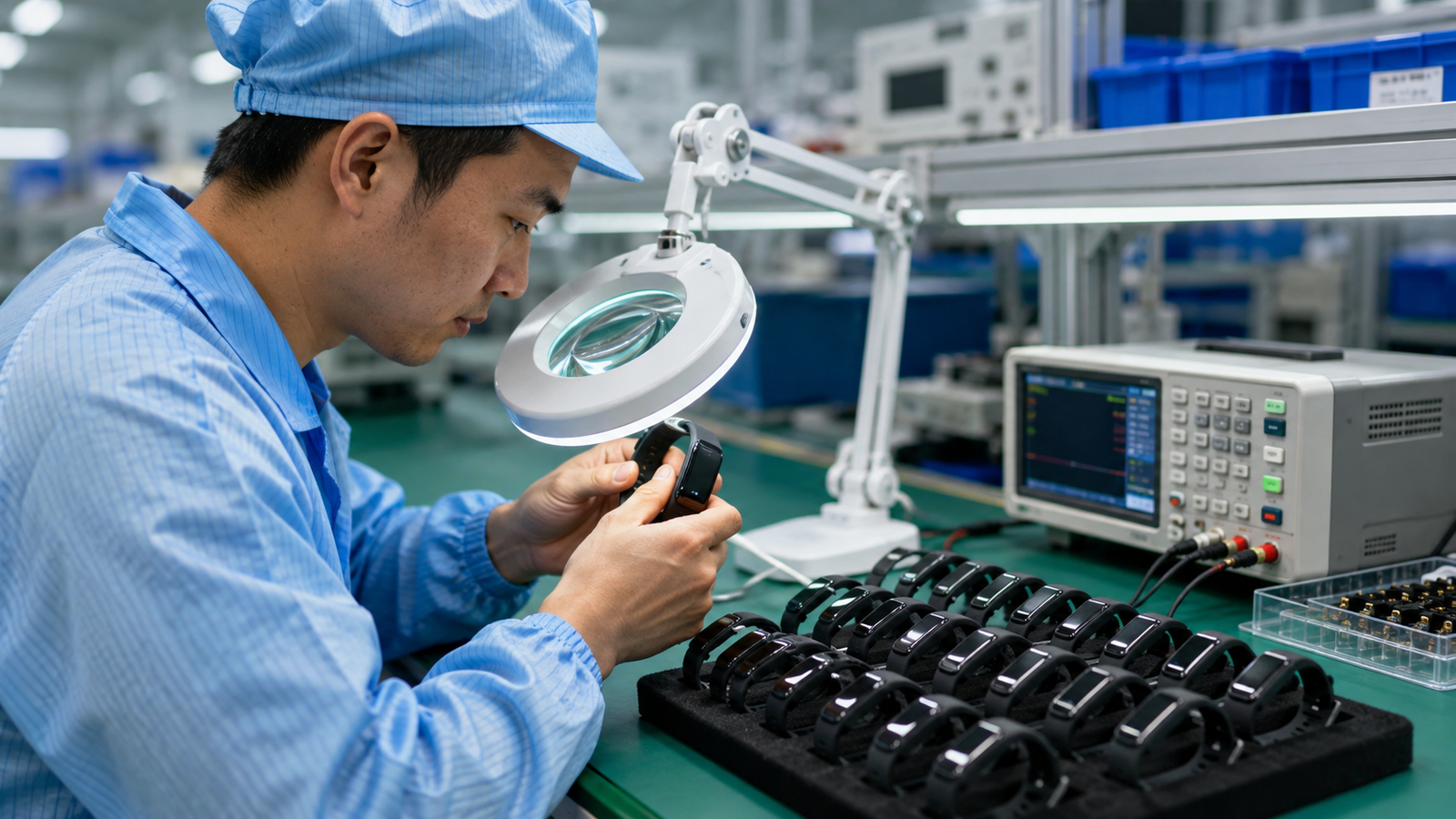
Image suggestion: A close-up of an Amazon seller testing a smart watch manufacturer sample on a desk with a checklist and laptop.
Step 5: Lock Down FCC and US Compliance for Your Model
Compliance is model-specific. A certificate for one smart watch configuration does not automatically cover a different radio, battery, or charging module.
What US buyers should request
- FCC documentation relevant to the exact model and wireless configuration
- Battery safety documentation, including UN 38.3 test summary where applicable
- RoHS documentation where relevant to your buyer or retail requirements
- Materials documentation for packaging and inserts as needed
FCC equipment authorization depends on the device’s radio frequency and configuration; buyers should verify the correct authorization route with the manufacturer and, where needed, a compliance lab. The FCC Office of Engineering and Technology publishes equipment authorization guidance. For battery shipping requirements, IATA Dangerous Goods Regulations are commonly referenced for lithium batteries in transport.
Do not accept a generic certificate pack. Ask the manufacturer to map each document to your model number, SKU, and factory.
Step 6: Plan Lead Time, Packaging, and FBA Prep
Lead time components
- Sample development and approval
- Tooling or fixture changes (if OEM)
- Mass production queue
- Quality inspection
- Export packing and freight
- Customs and Amazon inbound receiving
Packaging and FBA prep
Ask whether the factory can print retail boxes, apply FNSKU labels, poly-bag, and bundle inserts. These tasks are often cheaper at the factory than at a third-party prep center, but only if the factory has the labeling accuracy and process.
Timing with seasons
Amazon US demand peaks around Prime Day and Q4. Build a reverse calendar from your target in-stock date, not from the order date. If you need inventory by October, production and freight should be complete well before.
Step 7: Protect Your Brand, App, and Tooling
Amazon sellers are brand owners. Your brand equity lives in reviews, images, and app experience. Protect it contractually.
What to put in writing
- Tooling ownership and who holds molds
- Logo and packaging artwork rights
- App branding and any SDK/API access
- Exclusivity terms, if applicable
- Warranty, spare parts, and repair policy
- Confidentiality and non-replication clauses
App and firmware considerations
If the smart watch uses a companion app, clarify whether branding, data ownership, and update responsibilities sit with the manufacturer or with you. For more on wearable app and data considerations, see our health and fitness wearables solution.
Smart Watch Supplier Comparison Table
| Criteria | Weak Signal | Strong Signal | Evidence to Request |
|---|---|---|---|
| Factory | No live video, only stock photos | Live walkthrough, named entity | Video call notes, license copy |
| OEM/ODM | Only one catalog model | Documented customization paths | Scope document, change examples |
| MOQ | Vague or “flexible” | Clear per-SKU/per-color tiers | Written MOQ sheet |
| Pricing | Single unit price | Cost breakdown by feature | Cost ladder |
| Samples | Fast but poorly tested | Tested against your checklist | Test report, notes |
| Compliance | Generic certificate pack | Mapped to your model | Model-specific documents |
| Lead time | One number, no breakdown | Stage-by-stage plan | Production schedule |
| IP | No written terms | Clear tooling and IP clause | Signed agreement |
Common Mistakes and Buyer Red Flags
Common mistakes
- Buying on unit price alone and ignoring landed cost.
- Approving a sample without testing battery and app behavior.
- Assuming one certificate covers every model.
- Starting production before packaging artwork is approved.
- Leaving app and tooling ownership undefined.
Red flags
- The supplier cannot explain where the factory is.
- Compliance documents show a different model name.
- The MOQ changes repeatedly during negotiation without explanation.
- The supplier offers to copy a competitor’s design without discussion of IP.
- No written warranty or spare parts path.
Practical Buyer Checklist
- Verify legal entity and factory address.
- Confirm OEM/ODM/white label scope in writing.
- Request MOQ per SKU and per color.
- Request a cost ladder tied to features.
- Test sample battery, app, sensors, and water resistance.
- Map FCC, battery, and RoHS documents to your exact model.
- Confirm FBA prep capabilities and labeling accuracy.
- Agree on tooling, app, and brand IP ownership.
- Build a reverse calendar for peak-season stock.
For related product options, review the smart watches product range and compare configurations before you shortlist suppliers.
FAQ
What is the typical MOQ for a smart watch manufacturer?
MOQ usually depends on model, color, and customization. Many factories set lower MOQs for ready ODM models and higher MOQs for OEM tooling. Always ask for MOQ per SKU and per color.
Does one FCC certificate cover all smart watch models?
No. FCC equipment authorization is model and configuration specific. A certificate for one radio or battery setup may not cover a different model, so buyers should request documentation mapped to the exact SKU they plan to import.
How long does sampling and mass production take?
Sampling often takes days to a few weeks, and mass production depends on queue, quantity, and customization. Ask for a stage-by-stage timeline rather than a single delivery date.
Can the factory handle Amazon FBA labeling and packaging?
Many manufacturers can print retail boxes and apply FNSKU labels, but accuracy varies. Confirm the process and inspect a prep sample before full production.
Who owns the tooling and app if I invest in an OEM program?
Ownership depends on the contract. Buyers should put tooling, artwork, app assets, and exclusivity terms in writing before paying for molds or custom firmware.
How do I reduce landed cost for Amazon US?
Landed cost is affected by unit price, packaging, freight mode, duties, and prep. Optimize the total, not just the factory price, and model duties and freight early.
Conclusion
Selecting a smart watch manufacturer for Amazon US is a structured process, not a single negotiation. Verify the factory, define your sourcing model, understand MOQ and pricing logic, test samples against your claims, secure model-specific compliance, plan lead time and FBA prep, and protect your brand and tooling. Sellers who follow these seven steps reduce launch risk and build a supply chain they can scale.
STAR KING CTA
Ready to move from shortlist to sample? Request a quotation or discuss an OEM/ODM smart watch project with STAR KING and confirm MOQ, customization scope, and compliance requirements for your model.
Discuss Your Smart Wearable OEM/ODM Project
Planning a smart ring, smart watch, smart band, AI glasses, AI translator, or AI voice mouse project? Contact STAR KING to discuss product positioning, sample testing, customization scope, certification requirements, lead time, and quotation details.

Team Star King

Scan WhatsApp QR code