Smart Ring Private Label Manufacturing: 7 Critical Steps for B2B Brands in 2026
Smart Ring Private Label Manufacturing: 7 Critical Steps for B2B Brands in 2026
Smart ring private label manufacturing lets brands launch a custom wearable without building a factory. But success depends on seven critical steps: defining specs, choosing an OEM/ODM model, planning MOQ, validating samples, locking quality control, confirming certifications, and managing logistics. This guide walks private-label brands through each step with procurement-focused checklists and cost drivers for 2026.
Table of Contents
Table of Contents
Table of Contents
- What Is Smart Ring Private Label Manufacturing?
- Key Facts for Buyers
- Key Takeaways
- Step 1: Define Product Specifications and Market Fit
- Step 2: Choose OEM vs. ODM vs. Private Label
- Step 3: Understand MOQ and Pricing Factors
- Step 4: Validate Samples Before Committing
- Step 5: Lock Down Quality Control
- Step 6: Confirm Certifications for Your Market
- Step 7: Plan Logistics and After-Sales
- Common Mistakes and Buyer Red Flags
- Practical Buyer Checklist
- FAQ
- Conclusion
What Is Smart Ring Private Label Manufacturing?
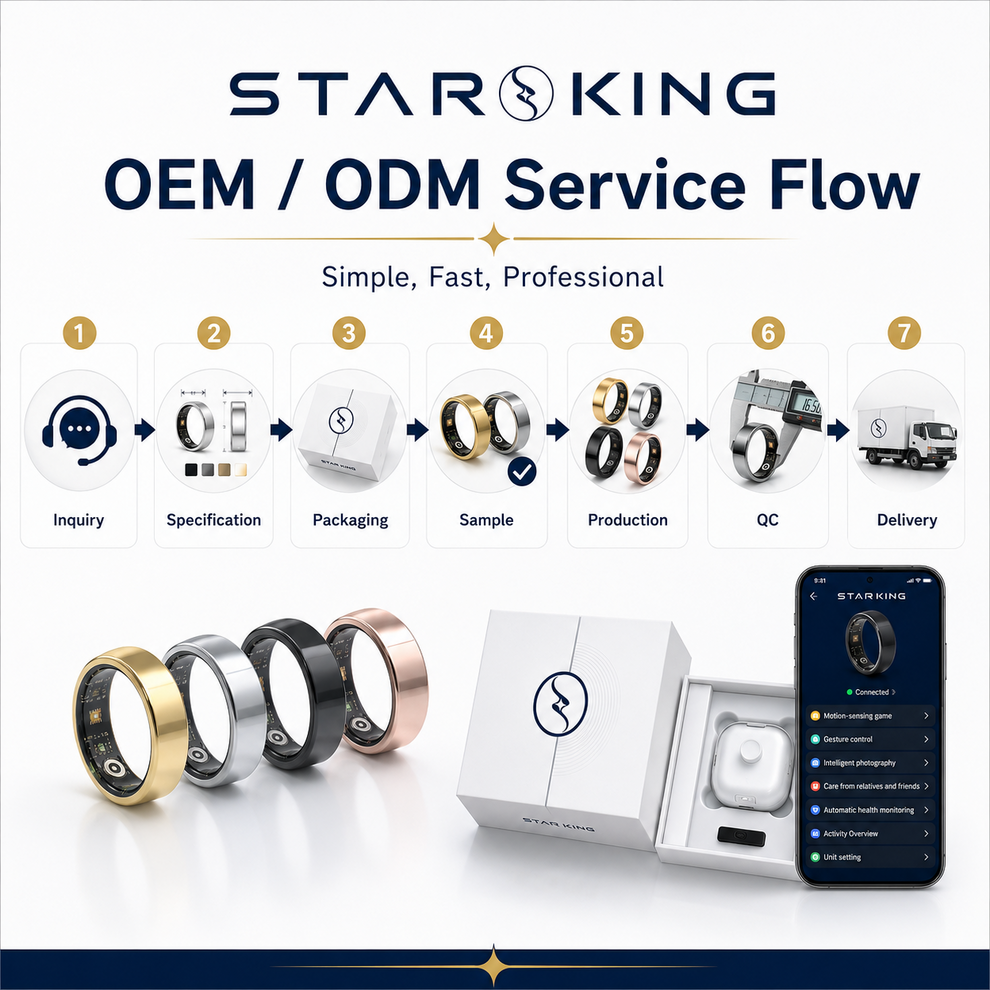
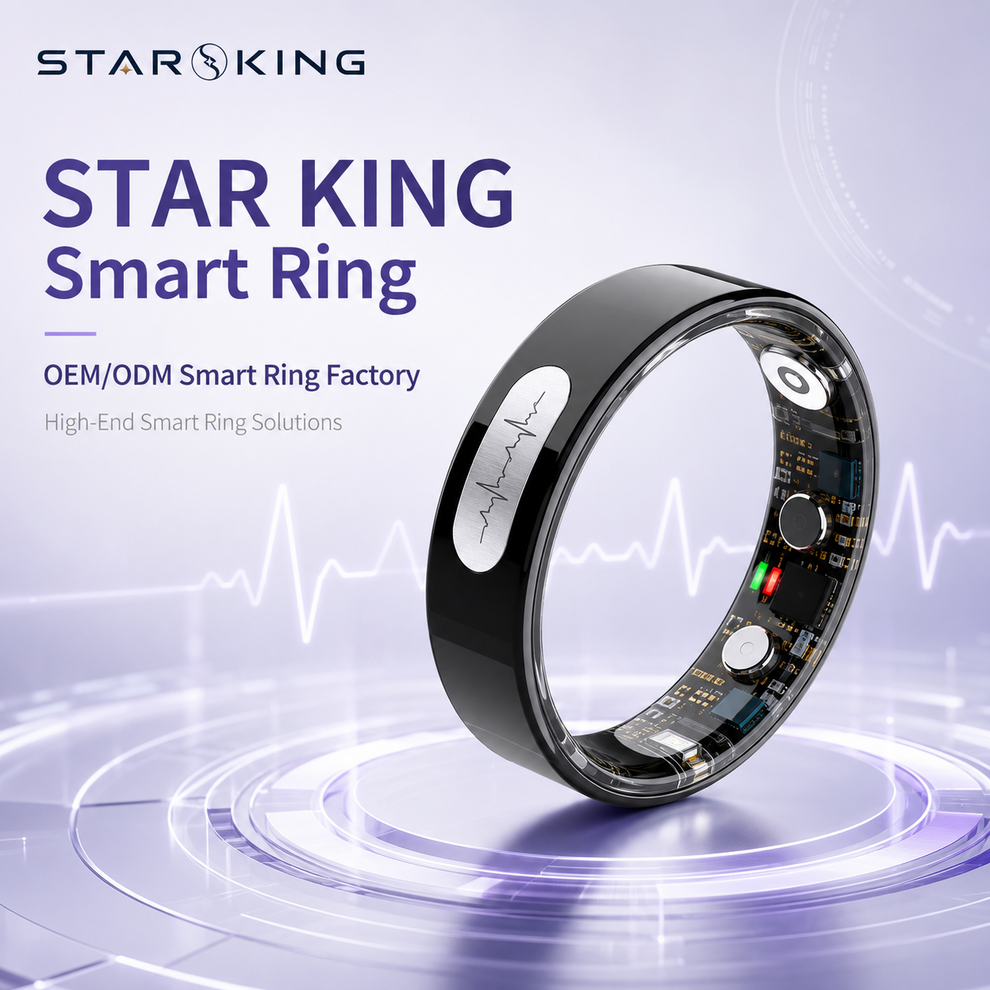
Smart ring private label manufacturing is a production arrangement where a brand buys an existing smart ring platform from a manufacturer and applies its own branding, packaging, app identity, and sometimes minor hardware modifications. The manufacturer handles design for manufacturing (DFM), tooling, assembly, testing, and often certification support.
This model differs from building a ring from scratch. It reduces development time and cost, but the tradeoff is less differentiation compared to a full custom ODM program. For most private-label brands entering the wearable market, private label offers the fastest route to a sellable product with acceptable margins.
When evaluating a manufacturing partner, ask for: product roadmap transparency, firmware update policy, app customization options, existing certifications, and whether tooling is shared or exclusive. These factors determine your long-term brand equity and ability to scale.
Key Facts for Buyers
| Factor | Typical Range / Detail |
|---|---|
| MOQ (private label) | 500–1,000 units (varies by customization) |
| Sample lead time | 2–4 weeks (existing mold), 4–8 weeks (new tooling) |
| Mass production lead time | 6–10 weeks after deposit and sample approval |
| Customization options | Logo, packaging, app name/icon, ring color, sizes |
| Certifications | CE, FCC, RoHS, UN38.3 typically required; depends on configuration and market |
| App | White-label app or SDK integration; verify data ownership and update terms |
| Battery | 3–7 days typical; affects size and charging method |
| Price range (FOB) | $25–$65 per unit at 1,000 pcs, depending on sensors and finish |
Key Takeaways
- Define your market and features before contacting suppliers—this drives MOQ and cost.
- ODM offers speed; full custom OEM offers differentiation but higher investment.
- Always validate samples against your own test protocol, not just the supplier’s.
- Certification requirements vary by country; confirm before production.
- Plan for lithium battery shipping regulations from day one.
- Negotiate app data ownership and firmware update commitments in writing.
Step 1: Define Product Specifications and Market Fit
Before approaching manufacturers, map your target market and use case. A smart ring for corporate wellness programs needs different features than one for fitness enthusiasts or women’s health tracking. Key specs to decide:
- Sensors: Heart rate, SpO2, skin temperature, accelerometer. More sensors increase cost and power draw.
- Battery life: 3–7 days is typical. Larger battery may increase ring size.
- Water resistance: IP68 or 5ATM for swimming; lower ratings for daily wear.
- App: White-label app (fast) vs. SDK for your own app (more control, more cost).
- Materials: Titanium, ceramic, or plastic. Affects feel, durability, and price.
Document your must-haves vs. nice-to-haves. This will help you compare smart ring platforms objectively and avoid over-specifying.
Market-specific considerations
For the U.S., FCC certification is typically required for wireless devices. For the EU, CE marking and RoHS compliance are standard. If you plan to sell on Amazon, you may need additional documentation. Always verify with your supplier and a compliance consultant.
Step 2: Choose OEM vs. ODM vs. Private Label
These terms are often used interchangeably, but they mean different levels of customization.
| Model | Customization Level | Typical MOQ | Time to Market |
|---|---|---|---|
| Private Label | Logo, packaging, app branding on existing hardware | 500–1,000 | 4–8 weeks |
| ODM (Original Design Manufacturer) | Minor hardware tweaks + branding | 1,000–3,000 | 8–16 weeks |
| OEM (Original Equipment Manufacturer) | Full custom design, tooling, firmware | 3,000+ | 16–30 weeks |
For most private-label brands, starting with private label or light ODM is the fastest path to market. You can always invest in custom tooling later once you have sales data. Explore private label OEM/ODM solutions to see what level fits your stage.
Step 3: Understand MOQ and Pricing Factors
MOQ (Minimum Order Quantity) is the smallest order a factory will accept. It’s driven by tooling costs, material minimums, and production efficiency. For smart rings, MOQ typically ranges from 500 to 1,000 units for private label.
Pricing is influenced by:
- Sensors and chipset: Premium sensors cost more.
- Materials: Titanium vs. plastic.
- Battery: Capacity and charging method.
- Packaging: Custom boxes, inserts, manuals.
- App development: White-label vs. custom.
- Certification: Testing and documentation fees.
- Order volume: Larger orders reduce per-unit cost.
Always ask for a detailed quotation that breaks down these components. A transparent supplier will provide a cost structure that helps you plan landed cost. Learn more about smart ring specifications to compare features.
Step 4: Validate Samples Before Committing
Never place a mass production order based on photos or videos. Request physical samples and test them against your own protocol. Key tests:
- Fit and comfort: Wear for 24–48 hours.
- Sensor accuracy: Compare heart rate and SpO2 with a known reference under stable conditions.
- Battery life: Measure actual runtime under typical use.
- App experience: Check pairing, data sync, and UI responsiveness.
- Build quality: Inspect seams, coating, and charging contacts.
Document any deviations. A supplier that welcomes feedback and provides revised samples is a good sign. If they resist testing, treat it as a red flag.
Step 5: Lock Down Quality Control
Quality control (QC) should be built into the production agreement, not added later. Specify:
- Incoming material inspection: Components checked before assembly.
- In-process checks: Functional tests at key assembly stages.
- Final inspection: AQL sampling (e.g., ISO 2859-1) before shipment.
- Pre-shipment inspection (PSI): Third-party or your own inspector.
- Documentation: Test reports, photos, and batch records.
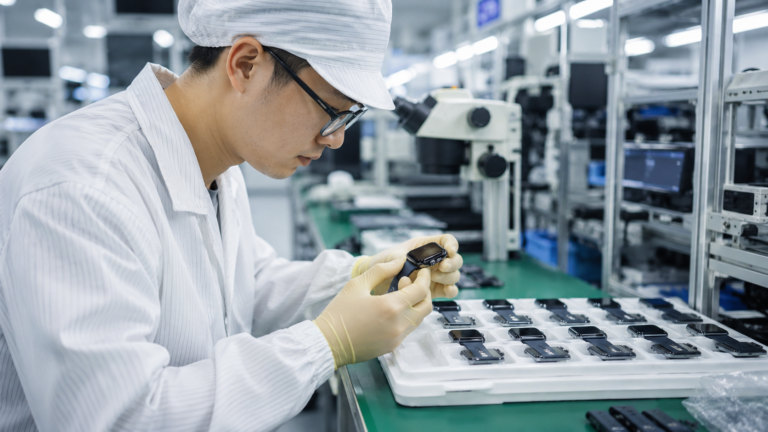
Discuss OEM/ODM manufacturing QC workflows with your supplier. Ask for sample inspection reports from previous orders (redacted as needed).
Step 6: Confirm Certifications for Your Market
Certification requirements depend on the product’s wireless features, battery, and destination country. Common requirements include:
- FCC (U.S.): For devices with Bluetooth or other radio transmitters.
- CE (EU): Includes EMC, RED, and RoHS directives.
- RoHS: Restriction of hazardous substances.
- UN38.3: For lithium battery transport.
- MSDS: Material safety data sheet for battery shipping.
- Prop 65 (California): If selling in California.
Not all smart rings are certified for all markets by default. Buyers should verify certification status and scope with the manufacturer. For official information, refer to the FCC RF device authorization and EU CE marking pages.
Step 7: Plan Logistics and After-Sales
Smart rings contain lithium batteries, so shipping is regulated. Air transport requires UN38.3 test reports and may require MSDS. Work with a freight forwarder experienced in dangerous goods.
Plan for:
- Incoterms: FOB, EXW, DDP—understand who pays what.
- Landed cost: Include duties, taxes, and insurance.
- After-sales: Warranty terms, spare parts availability, return process.
- Firmware updates: Who provides them, for how long?
Discuss these with your supplier before signing. A clear after-sales policy reduces returns and protects your brand reputation.
Common Mistakes and Buyer Red Flags
Even experienced buyers make mistakes when sourcing smart rings. Watch for these:
- Choosing on price alone: Cheap units may lack sensor accuracy or fail quickly.
- Skipping sample testing: Always test before mass order.
- Ignoring certification scope: A certificate for one model may not cover your configuration.
- No written QC agreement: Verbal promises are not enough.
- Over-customizing too early: Start with private label, learn, then invest.
Red flags: Supplier avoids providing test reports; asks for full payment upfront; cannot explain battery shipping; no clear MOQ; vague about app data ownership.
Practical Buyer Checklist
| Area | Check |
|---|---|
| Specs | Define sensors, battery, water resistance, sizes. |
| Model | Decide private label, ODM, or OEM. |
| MOQ | Confirm minimum order and price breaks. |
| Samples | Test fit, sensors, battery, app. |
| QC | Agree on AQL, PSI, documentation. |
| Certifications | Verify for target markets. |
| Logistics | Confirm Incoterms, battery shipping, insurance. |
| After-sales | Warranty, spares, firmware updates. |
FAQ
What is the typical MOQ for smart ring private label?
Most suppliers require 500–1,000 units for private label. MOQ can be lower for sample orders or higher for custom tooling.
How long does it take to get smart ring samples?
If using an existing mold, samples can ship in 2–4 weeks. New tooling may take 4–8 weeks.
Can I customize the app with my brand?
Yes, many suppliers offer white-label apps. Some provide SDKs for full app control. Confirm data ownership and update terms in writing.
What certifications do I need to import smart rings?
It depends on the destination country. Common requirements include FCC (U.S.), CE (EU), RoHS, and UN38.3 for battery shipping. Verify with your supplier and a compliance expert.
Are smart rings waterproof?
Water resistance varies by model. IP68 or 5ATM ratings allow swimming; lower ratings are for splashes only. Check the spec sheet.
How do I ensure quality before shipment?
Agree on AQL sampling, request pre-shipment inspection, and review test reports. Third-party inspection is recommended for first orders.
What is the difference between OEM and ODM?
ODM uses the manufacturer’s existing design with minor customization. OEM involves full custom design and tooling owned by you (or shared).
Conclusion
Smart ring private label manufacturing is a viable path for brands entering the wearable market. By following these seven steps—spec definition, model selection, MOQ planning, sample validation, QC, certification, and logistics—you reduce risk and build a product that meets your market’s needs. The wearable industry continues to grow, and early movers with solid supply chain partners will capture share.
For more insights on sourcing and OEM/ODM, visit our blog.
Next Step: Test Smart Rings for Your Brand
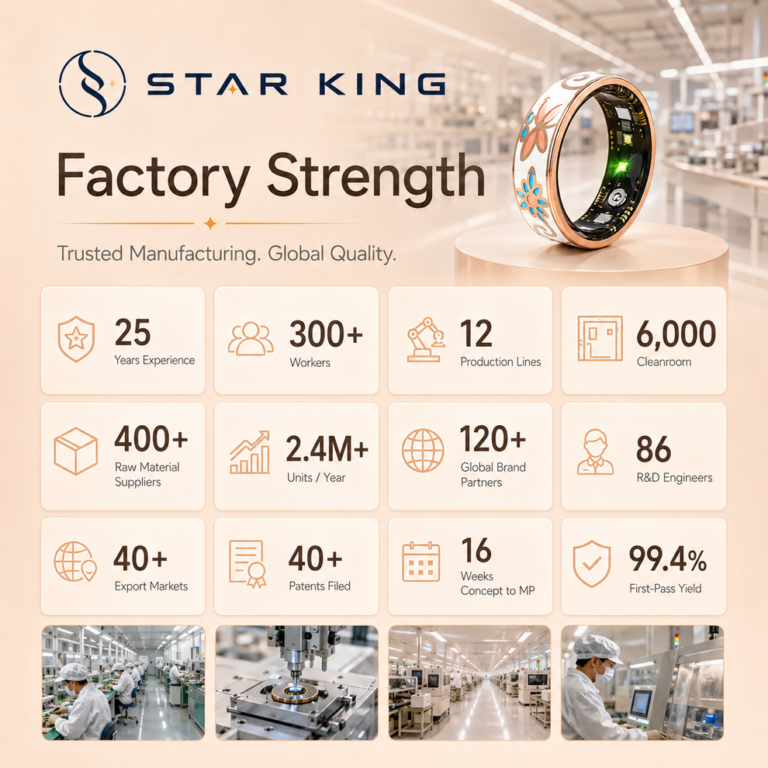
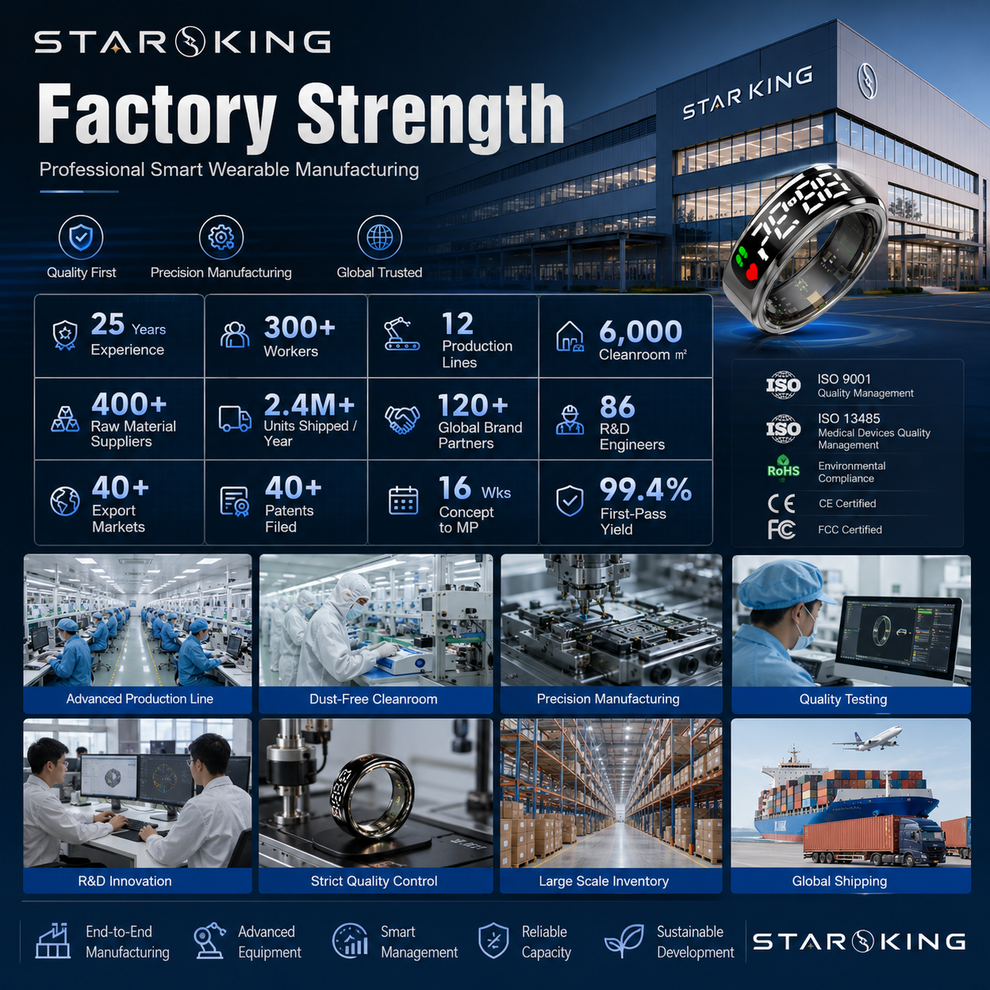
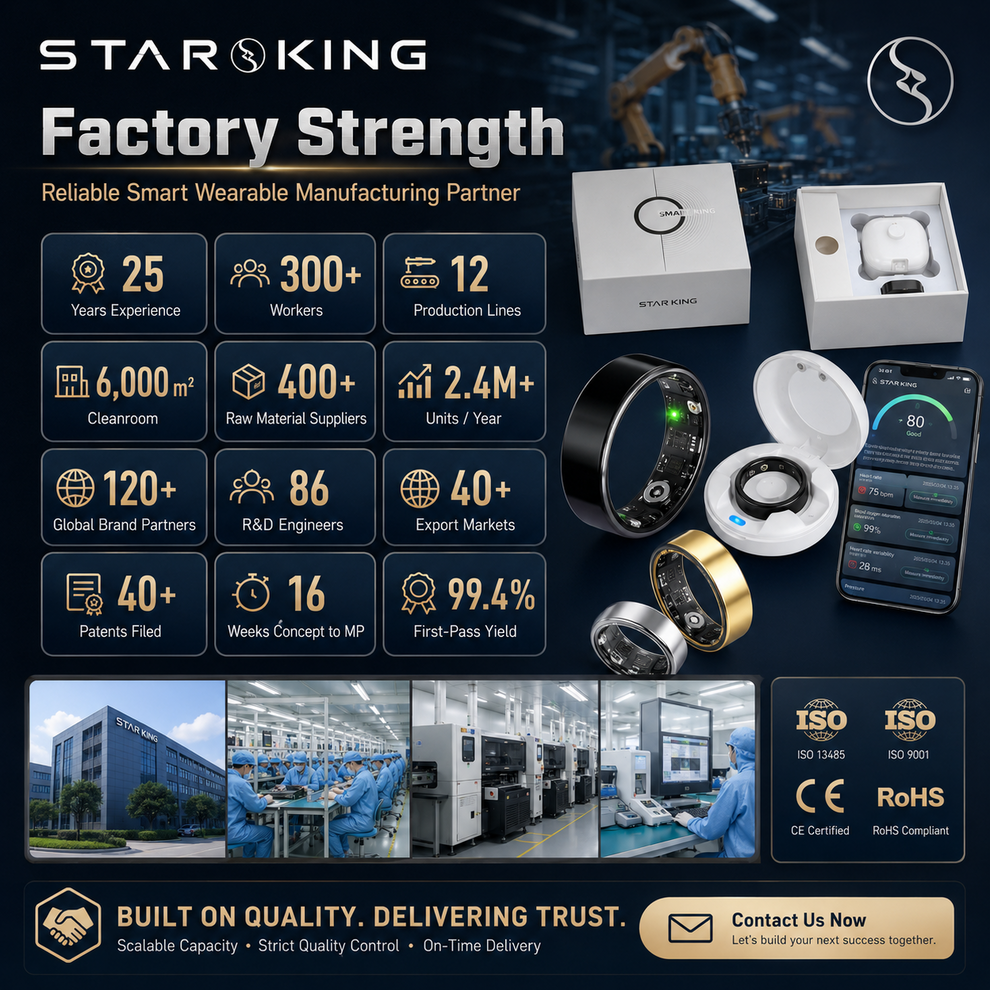
Evaluate smart ring platforms with STAR KING. We support private-label brands with OEM/ODM customization, app branding, and certification guidance. Request samples or discuss your project to compare specifications and MOQ options.
Discuss Your Smart Wearable OEM/ODM Project
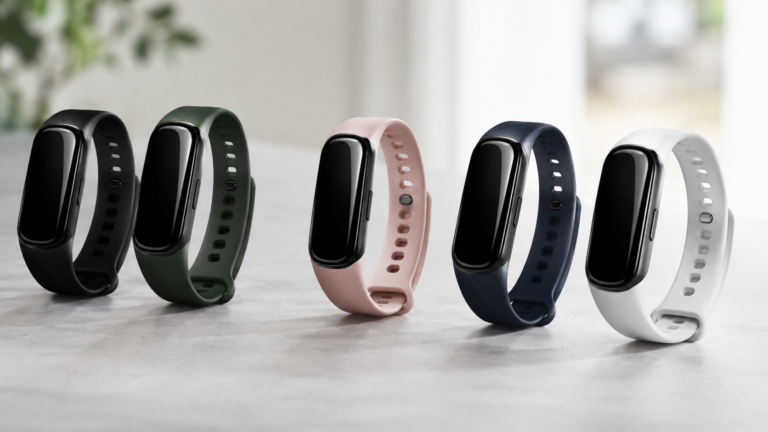
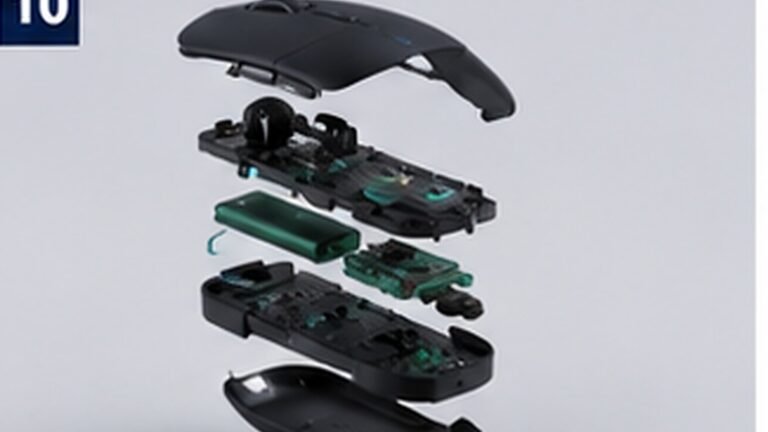
Planning a smart ring, smart watch, smart band, AI glasses, AI translator, or AI voice mouse project? Contact STAR KING to discuss product positioning, sample testing, customization scope, certification requirements, lead time, and quotation details.

Team Star King

Scan WhatsApp QR code